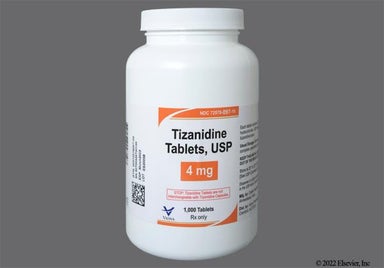
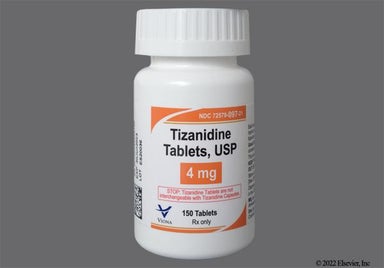
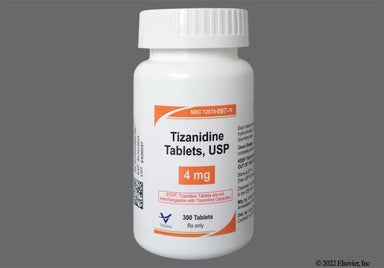
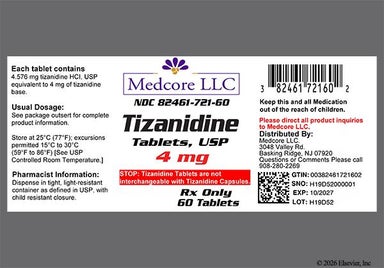
Tizanidine, also known by its brand name Zanaflex, is a muscle relaxer. It's FDA approved to treat stiff, rigid muscles in adults. This medication comes as tablets and capsules that you take by mouth. The usual dosage is taken as needed, up to 3 times a day. It has side effects like dry mouth, sleepiness, dizziness, and constipation. Tizanidine (Zanaflex) is available as a generic and brand-name medication.
Tizanidine (Zanaflex) is a type of muscle relaxer called an alpha-2 agonist. It's thought to work by slowing nerve signals along your spinal cord that control muscle tone. When those signals slow down, your muscles relax.
When does Tizanidine (Zanaflex) start working?Time passed since treatment started:
The following side effects may get better over time as your body gets used to the medication. Let your healthcare provider know immediately if you continue to experience these symptoms or if they worsen over time.
The following Tizanidine (Zanaflex) side effects have also been reported
Along with its needed effects, a medicine may cause some unwanted effects. Although not all of these side effects may occur, if they do occur they may need medical attention.
Check with your doctor immediately if any of the following side effects occur:
dizziness, faintness or lightheadedness when getting up from a lying position
irregular, fast or slow, or shallow breathing
lightheadedness, dizziness, or fainting
loss of consciousness
pale or blue lips, fingernails, or skin
severe sleepiness
sleepiness or unusual drowsiness
slow or irregular heartbeat
sweating
unusual tiredness or weakness
Some side effects may occur that usually do not need medical attention. These side effects may go away during treatment as your body adjusts to the medicine. Also, your health care professional may be able to tell you about ways to prevent or reduce some of these side effects. Check with your health care professional if any of the following side effects continue or are bothersome or if you have any questions about them:
More common
Dizziness or lightheadedness, especially when getting up from a lying or sitting position
Can cause withdrawal symptoms if you lower the dose or stop suddenly
Higher risk of side effects in older adults and people with kidney problems
Pharmacist tips for Tizanidine (Zanaflex)
You can take tizanidine (Zanaflex) as needed for muscle spasms. Separate by at least 6 to 8 hours and take up to 3 times a day. Try to reserve taking it when it's most important or most needed for relief.
You can take tizanidine (Zanaflex) with or without food. Try to take it the same way each time. Food can change how your body absorbs the medication. This can affect how well it works and its side effects. Taking the medication in a consistent way helps make sure it works the same for you each time.
For the tizanidine (Zanaflex) capsules: You can swallow the capsule whole. You can also open it and sprinkle the contents on applesauce. Be sure to be consistent and always take the medication one way or the other. The amount of medication your body absorbs can be different depending on how you take it.
Talk to your prescriber first about switching between tizanidine (Zanaflex) tablets and capsules. They might not be equal to each other on a milligram-to-milligram basis. Taking the medication with food can also change how fast or how well each form works.
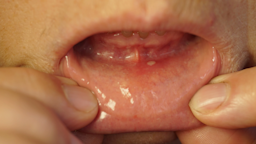
Dry mouth is a common side effect of tizanidine (Zanaflex). You can help relieve dry mouth by chewing sugar-free gum or sucking on ice chips. You can also buy saliva substitutes at the pharmacy. If dry mouth bothers you a lot, talk to your care team.
Tizanidine (Zanaflex) can make you feel sleepy and make it harder to focus and concentrate. Avoid driving or doing anything that needs your full attention until you know how this medication affects you.
It's best to avoid alcohol while taking tizanidine (Zanaflex). Alcohol can worsen side effects like dizziness and sleepiness. Talk to your prescriber about your drinking habits and how to take this medication in a safe way.
Tizanidine (Zanaflex) can cause low blood pressure, especially if you stand up too fast. This can make you feel dizzy and raise your risk of falling. Try to stand up slowly and hold onto something sturdy for support.
Don't stop taking tizanidine (Zanaflex) suddenly without talk to your prescriber first. This is especially important if you've taken it for a long time. Stopping it all at once can cause withdrawal symptoms, like high blood pressure, stiff muscles, and a fast heartbeat. If you need to stop, your prescriber can slowly lower your dose so you can stop safely.
Tell your care team about all the medications you take and plan to take. Tizanidine (Zanaflex) can interact with some medications. Examples include birth control pills, fluvoxamine, ciprofloxacin, and opioids. These interactions can cause very low blood pressure, a slow heartbeat, and extra sleepiness. Your care team can check that your medications are safe to take together and make changes if needed.
If you're pregnant or planning to become pregnant, talk to your prescriber. It's not clear if tizanidine (Zanaflex) is safe to take while pregnant. More research is needed to understand if it's safe. Your prescriber can help explain the risks and benefits of treatment. They can recommend a muscle relaxant that's safer to take during pregnancy.
Risks and warnings for Tizanidine (Zanaflex)
Tizanidine (Zanaflex) can cause some serious health issues. This risk may be even higher for certain groups. If this worries you, talk to your doctor or pharmacist about other options.
Low blood pressure
Risk factors: Age 65 years or older | Taking blood pressure medications | Taking fluvoxamine or ciprofloxacin | Standing up too quickly
Tizanidine (Zanaflex) can cause low blood pressure. This can make you feel dizzy or even faint. Your prescriber will try to lower the risk of these side effects by raising your dose slowly over time. Still, be careful when you first start the medication and any time your dose gets raised.
To lower your risk of falls, make sure to stand up slowly after sitting or lying down. Hold onto something sturdy to help yourself up. If you still feel dizzy or unsteady after some time or if your blood pressure is too low, talk to your care team.
Sleepiness
Risk factors: People over 65 years old | Taking with alcohol or illicit drugs | Taking with fluvoxamine or ciprofloxacin | Taking other medications that cause drowsiness
Tizanidine (Zanaflex) can make you feel sleepy and make it harder to focus. This often happens in the first week of starting this medication but can also sometimes happen later.
To stay safe, don't drive or do anything that you need to be alert for until you know how tizanidine (Zanaflex) affects you. Also don't drink alcohol while taking this medication. If these side effects bother you or make daily life hard, tell your care team.
Liver damage
Risk factors: History of liver problems
Tizanidine (Zanaflex) can cause liver injury. If you already have liver problems, tell your prescriber so they can make sure it's safe for you. Before starting and a month after you reach your maintenance dose, your prescriber will ask you to get blood tests done. This helps check your liver health.
Watch out for nausea, stomach pain, and yellowing of the skin or whites of the eyes while taking tizanidine (Zanaflex). These can be signs of liver problems. If you notice any of these symptoms, let your care team know.
Possible hallucinations
A small number of people have had hallucinations or delusions while taking tizanidine (Zanaflex). Most people knew these experiences weren't real. But it's still important for you and your close ones to know they're possible. If you have hallucinations or delusions while taking this medication, talk to your prescriber. There might be other muscle relaxers that are better options for you.
Withdrawal symptoms if stopped suddenly
Risk factors: Taking tizanidine (Zanaflex) for more than 9 weeks | Taking high doses of tizanidine (Zanaflex) | Also taking opioid pain medications
Don't stop taking tizanidine (Zanaflex) suddenly without talking to your prescriber first. Stopping suddenly cause withdrawal symptoms. This can include high blood pressure, a fast heartbeat, and muscle stiffness.
Withdrawal symptoms might be more likely if you stop after taking a total of 20 mg to 28 mg per day for more than 9 weeks. The risk might also be higher if you're taking tizanidine (Zanaflex) with opioid pain medications.
If you want to stop tizanidine (Zanaflex), talk to your prescriber to make sure it's the right choice for you. They can help you lower your dose slowly over time to stop safely.
Allergic reactions
Some people have had serious and sometimes life-threatening allergic reactions to tizanidine (Zanaflex). This can include hives, swelling of the tongue or throat, trouble breathing, or anaphylaxis. Call 911 right away if this happens.
Tizanidine (Zanaflex) dosage
The average cost for 30 tablets of 4mg of Tizanidine (Zanaflex) is $9.00 with a free GoodRx coupon. This is 0.00% off the average retail price of $9.00.
GoodRx has partnered with to provide reviews on the different aspects of Tizanidine (Zanaflex).
Effectiveness
Learn more about the effectiveness of Tizanidine (Zanaflex) based on real life experiences.
Overall Rating
Based on 174 people taking this medication
2.7
Effectiveness by condition:
fibromyalgia142 reviews
3.0
multiple sclerosis16 reviews
1.9
hereditary spastic paraplegia6 reviews
1.5
insomnia5 reviews
4.5
primary lateral sclerosis5 reviews
2.5
Side effects
Learn more about the side effects others have reported while taking Tizanidine (Zanaflex).
Severity of side effects
Based on 763 people taking this medication
None
40%
Mild
27%
Moderate
25%
Severe
10%
0%
50%
100%
Top side effects
Based on 763 people taking this medication
Sleepiness
10%
Drowsiness
10%
Dry mouth
7%
Excessive daytime sleepiness (somnolence)
4%
Fatigue
4%
Usage
Review why people stop taking this medication and how long they take it.
Reasons people stopped taking Tizanidine (Zanaflex)
Based on 551 people who have taken this medication
Did not seem to work
32%
Side effects too severe
20%
Doctor's advice
19%
Other
18%
Course of treatment ended
5%
Personal research
4%
Expense
4%
Change in health plan coverage
2%
How long people take Tizanidine (Zanaflex)
Based on 2067 people who have taken this medication
Not Specified
1%
6 to 11 months
1%
1 to <2 years
1%
2 to <5 years
2%
5 to <10 years
20%
10+ years
79%
0%
50%
100%
Powered by:
Interactions between Tizanidine (Zanaflex) and other drugs
Tizanidine (Zanaflex) may interact with certain medications or supplements. Always let your doctor and pharmacist know about any other medications or supplements (including prescribed and over-the-counter medications, vitamins, and dietary or herbal supplements) that you are currently taking. The list below does not include all possible drug interactions with Tizanidine (Zanaflex). Please note that only the generic name of each medication is listed below.
Although certain medicines should not be used together at all, in other cases two different medicines may be used together even if an interaction might occur. In these cases, your doctor may want to change the dose, or other precautions may be necessary. When you are taking this medicine, it is especially important that your healthcare professional know if you are taking any of the medicines listed below. The following interactions have been selected on the basis of their potential significance and are not necessarily all-inclusive.
Using this medicine with any of the following medicines is not recommended. Your doctor may decide not to treat you with this medication or change some of the other medicines you take.
Using this medicine with any of the following medicines is usually not recommended, but may be required in some cases. If both medicines are prescribed together, your doctor may change the dose or how often you use one or both of the medicines.
Using this medicine with any of the following medicines may cause an increased risk of certain side effects, but using both drugs may be the best treatment for you. If both medicines are prescribed together, your doctor may change the dose or how often you use one or both of the medicines.
Contraindications are specific health conditions or situations in which a person should not take a medication due to safety concerns. If you have any of the following conditions or if any of the following apply to you, let your healthcare provider know because Tizanidine (Zanaflex) will not be safe for you to take.
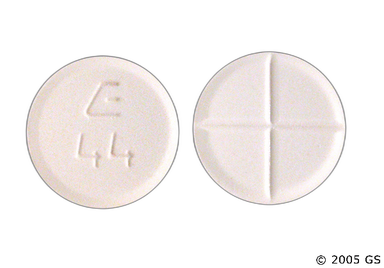
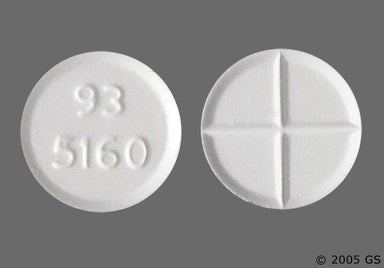
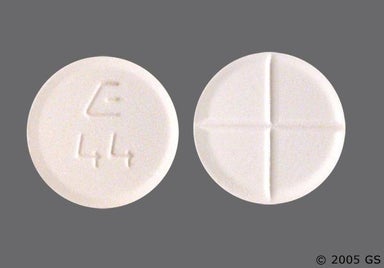
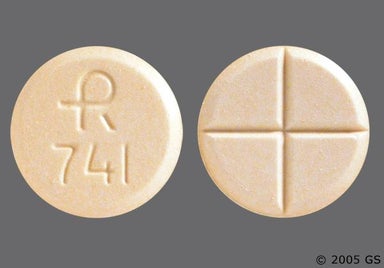
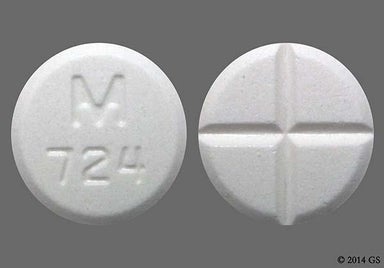
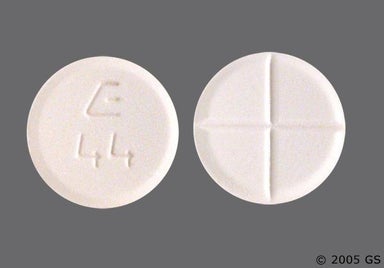
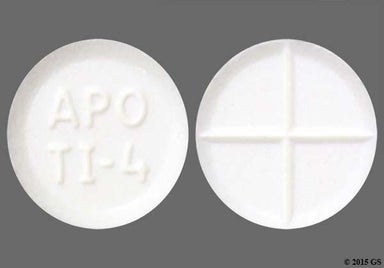
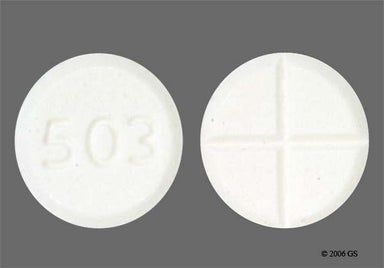
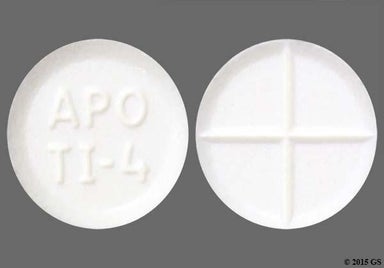
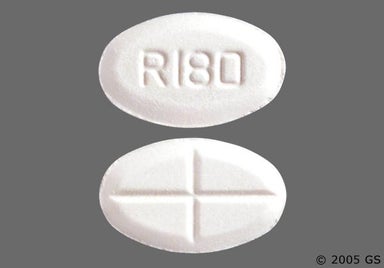
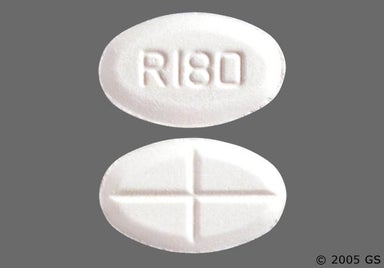
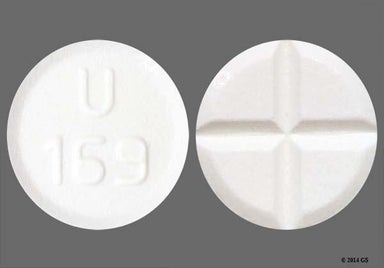
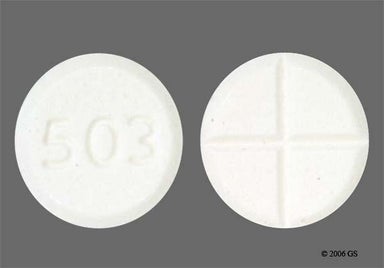
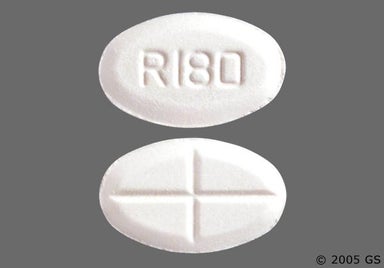
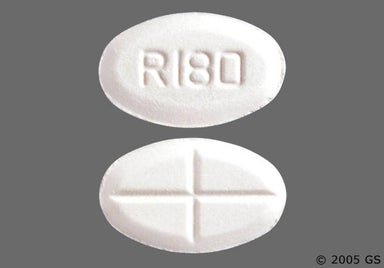
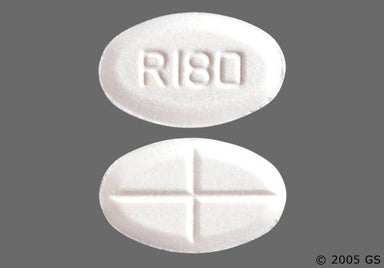
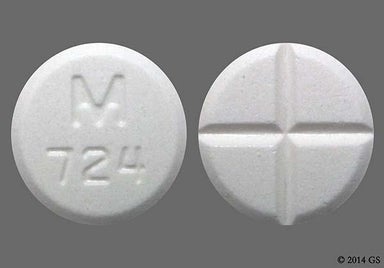
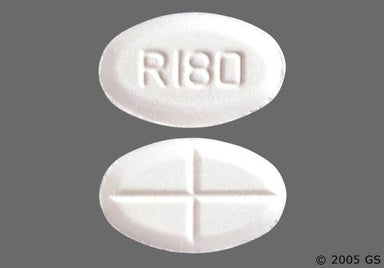
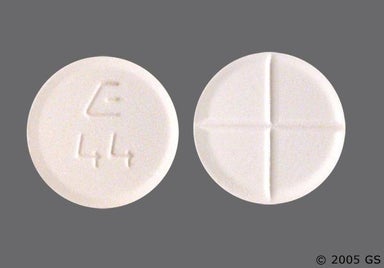
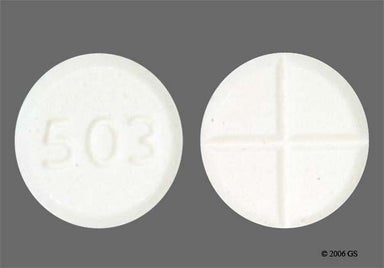
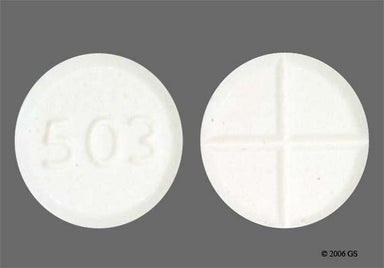
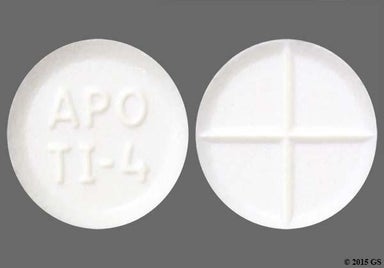
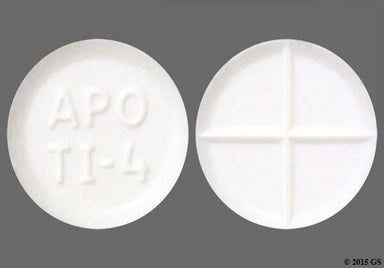
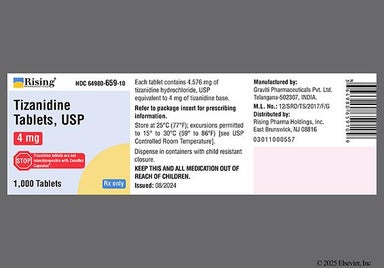
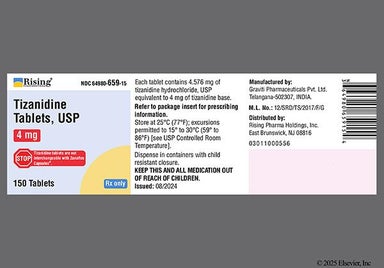
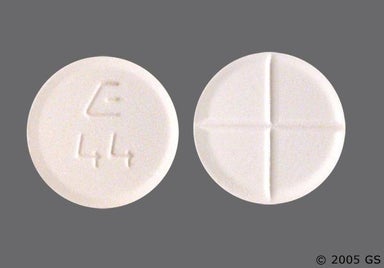
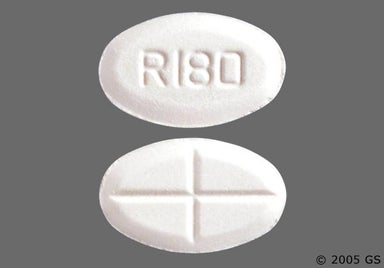
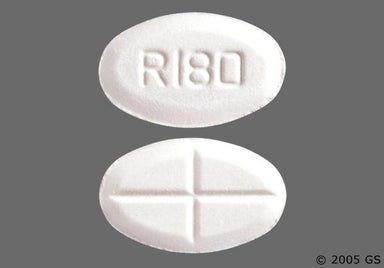
This medicine is White, Round, Multi-Segmented Tablet Imprinted With "93 5160".White Round 93 5160 - Tizanidine Hydrochloride 4mg TabletThis medicine is White, Round, Multi-Segmented Tablet Imprinted With "E 44".White Round E 44 - Tizanidine Hydrochloride 4mg TabletThis medicine is Yellow, Round, Multi-Segmented Tablet Imprinted With "Logo 741".Yellow Round LOGO 741 - Tizanidine Hydrochloride 4mg TabletThis medicine is White, Round, Multi-Segmented Tablet Imprinted With "M 724".White Round M 724 - Tizanidine Hydrochloride 4mg TabletThis medicine is White, Round, Multi-Segmented Tablet Imprinted With "E 44".White Round E 44 - Tizanidine Hydrochloride 4mg TabletThis medicine is White, Round, Multi-Segmented Tablet Imprinted With "Apo Ti-4".White Round APO TI-4 - Tizanidine Hydrochloride 4mg TabletThis medicine is White, Round, Multi-Segmented Tablet Imprinted With "503".White Round 503 - Tizanidine Hydrochloride 4mg TabletThis medicine is White, Round, Multi-Segmented Tablet Imprinted With "Apo Ti-4".White Round APO TI-4 - Tizanidine Hydrochloride 4mg TabletThis medicine is White, Oval, Multi-Segmented Tablet Imprinted With "R180".White Oval R180 - Tizanidine Hydrochloride 4mg TabletThis medicine is White, Oval, Multi-Segmented Tablet Imprinted With "R180".White Oval R180 - Tizanidine Hydrochloride 4mg TabletThis medicine is White, Round, Multi-Segmented Tablet Imprinted With "U 169".White Round U 169 - Tizanidine Hydrochloride 4mg TabletThis medicine is White, Round, Multi-Segmented Tablet Imprinted With "503".White Round 503 - Tizanidine Hydrochloride 4mg TabletThis medicine is White, Oval, Multi-Segmented Tablet Imprinted With "R180".White Oval R180 - Tizanidine Hydrochloride 4mg TabletThis medicine is White, Oval, Multi-Segmented Tablet Imprinted With "R180".White Oval R180 - Tizanidine Hydrochloride 4mg TabletThis medicine is White, Oval, Multi-Segmented Tablet Imprinted With "R180".White Oval R180 - Tizanidine Hydrochloride 4mg TabletThis medicine is White, Round, Multi-Segmented Tablet Imprinted With "M 724".White Round M 724 - Tizanidine Hydrochloride 4mg TabletThis medicine is White, Oval, Multi-Segmented Tablet Imprinted With "R180".White Oval R180 - Tizanidine Hydrochloride 4mg TabletThis medicine is White, Round, Multi-Segmented Tablet Imprinted With "E 44".White Round E 44 - Tizanidine Hydrochloride 4mg TabletThis medicine is White, Round, Multi-Segmented Tablet Imprinted With "503".White Round 503 - Tizanidine Hydrochloride 4mg TabletThis medicine is White, Round, Multi-Segmented Tablet Imprinted With "503".White Round 503 - Tizanidine Hydrochloride 4mg TabletThis medicine is White, Round, Multi-Segmented Tablet Imprinted With "Apo Ti-4".White Round APO TI-4 - Tizanidine Hydrochloride 4mg TabletThis medicine is White, Round, Multi-Segmented Tablet Imprinted With "Apo Ti-4".White Round APO TI-4 - Tizanidine Hydrochloride 4mg TabletThis medicine is White, Round Tablet Imprinted With "40".White Round 40 - Tizanidine Hydrochloride 4mg TabletThis medicine is White, Round Tablet Imprinted With "40".White Round 40 - Tizanidine Hydrochloride 4mg TabletThis medicine is White, Round, Multi-Segmented Tablet Imprinted With "E 44".White Round E 44 - Tizanidine Hydrochloride 4mg TabletThis medicine is White, Oval, Multi-Segmented Tablet Imprinted With "R180".White Oval R180 - Tizanidine Hydrochloride 4mg TabletThis medicine is White, Oval, Multi-Segmented Tablet Imprinted With "R180".White Oval R180 - Tizanidine Hydrochloride 4mg TabletThis medicine is White, Round, Multi-Segmented Tablet Imprinted With "1105".White Round 1105 - Tizanidine Hydrochloride 4mg TabletThis medicine is White, Round, Multi-Segmented Tablet Imprinted With "1105".White Round 1105 - Tizanidine Hydrochloride 4mg TabletThis medicine is White, Round, Multi-Segmented Tablet Imprinted With "1105".White Round 1105 - Tizanidine Hydrochloride 4mg TabletThis medicine is White, Round, Multi-Segmented Tablet Imprinted With "503".White Round 503 - Tizanidine Hydrochloride 4mg Tablet
GoodRx Health has strict sourcing policies and relies on primary sources such as medical organizations, governmental agencies, academic institutions, and peer-reviewed scientific journals. Learn more about how we ensure our content is accurate, thorough, and unbiased by reading our editorial guidelines.
Prescription savings
Stop paying too much for your prescriptions. Compare prices, get pharmacy coupons, and save up to 80%.
Plans start at $9.99/mo. (when paid yearly). Terms apply.
Common questions about Tizanidine
Tizanidine is FDA approved for muscle spasms, which can happen with back pain. It doesn't treat the cause of your back pain, but it might give you some relief. Taking Tizanidine for back pain is an off-label use and is usually not the first choice. If you have back pain, talk to a healthcare professional about the best treatment for you.
No, Tizanidine isn't a narcotic. A narcotic is another name for an opioid pain reliever. Tizanidine isn't an opioid. It's a muscle relaxer that treats pain in a different way than narcotics do.
Tizanidine isn't known to cause addiction. But if you take it regularly, your body can get used to it. When this happens, you might have withdrawal symptoms after stopping it suddenly. These symptoms can include high blood pressure, a fast heartbeat, and stiff muscles. Don't stop taking Tizanidine suddenly without talking to your prescriber first. They might need to slowly lower your dose. This helps lower the risk of withdrawal symptoms and helps you stop the medication safely.
In studies, people didn't report headaches often as a side effect of Tizanidine. In fact, this medication is sometimes prescribed off-label to help with certain types of headaches. But it's not completely clear how well it actually works for this purpose. If you notice more headaches while taking Tizanidine, tell your care team. They can help you figure out the cause and suggest treatment options.
You can expect the effects of Tizanidine to last up to 6 hours after you take it. Because of this, you should wait at least 6 to 8 hours after taking the medication to take it again, if needed. You should reserve taking it when relief is most important or most needed.
For most people, Tizanidine stays in the body for about 13 hours. This is based on its half-life, which is the time it takes for half of the medication to leave your body. How long it stays in the body can depend on your kidney and liver health. This is because these organs help remove the medication. If they aren't working well, Tizanidine can stay in your body longer. If you have kidney or liver problems, your prescriber can check that this medication is safe for you. Ask your prescriber if you have more questions about how long it stays in your system.
Tizanidine and cyclobenzaprine are both muscle relaxers. But they have a few differences. Tizanidine helps treat muscle spasticity, which are stiff or rigid muscles that are hard to relax. It's often used for certain conditions, like multiple sclerosis (MS). Cyclobenzaprine is usually taken for short intervals of time to treat muscle spasms from injuries. This can include sports injuries or car accidents. Both medications can cause similar side effects, like sleepiness, dizziness, and dry mouth. Talk to a healthcare professional to compare and help you decide which best fits your needs.
Tizanidine (Zanaflex) is a type of muscle relaxer called an alpha-2 agonist. It's thought to work by slowing nerve signals along your spinal cord that control muscle tone. When those signals slow down, your muscles relax.Learn more