Key takeaways:
Feeling dizzy after standing up is often caused by a sudden drop in blood pressure, known as orthostatic hypotension.
Dehydration, certain medications, and medical conditions can make it more likely for you to feel dizzy when standing up.
Simple steps, like standing up slowly and staying hydrated, can help decrease the dizziness. But dizziness that’s severe or doesn’t go away should be checked by a healthcare professional.
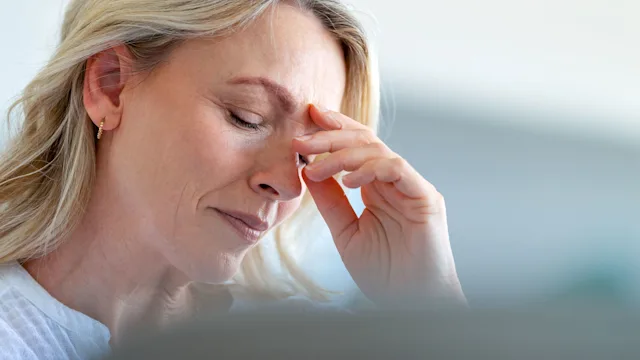
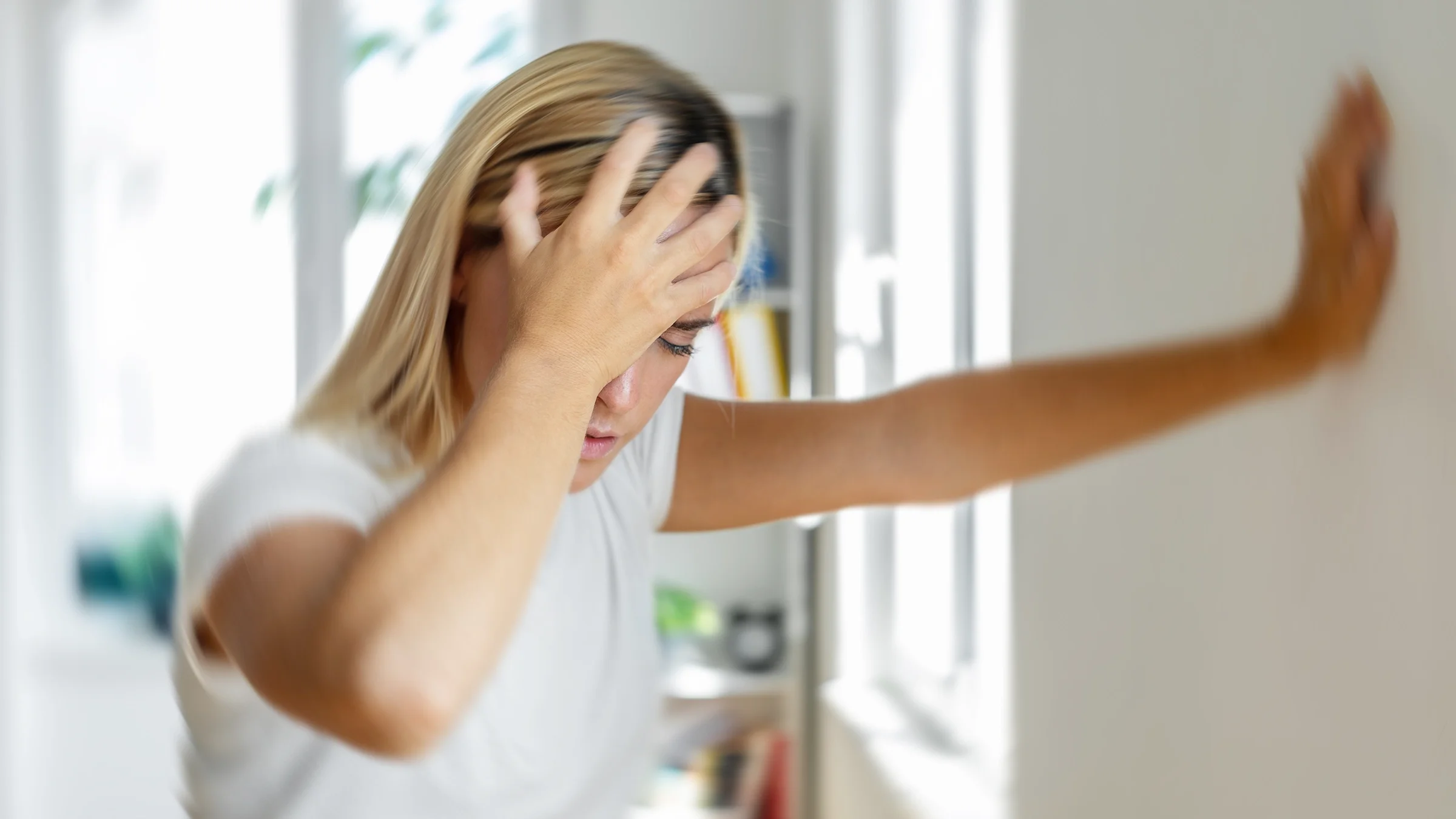
If you’ve ever stood up quickly and felt lightheaded, woozy, or like the room was spinning, you’re not alone. Feeling dizzy after standing up is common, especially during illness, dehydration, or as you get older. In many cases, it’s due to a temporary drop in blood pressure that happens when your body can’t adjust fast enough.
Let’s take a closer look at what it means when you get dizzy after standing, why it happens, and what you can do about it.
Why do you get dizzy when you stand up?
The most common reason you get dizzy after standing is a condition called orthostatic hypotension. This happens when your blood pressure drops suddenly after you move from lying down or sitting to standing.
Whenever you stand, gravity naturally pulls blood toward your legs. Your body compensates by quickly tightening blood vessels and increasing your heart rate. This pushes your blood back up from your legs and keeps your blood flowing to your brain. With orthostatic hypotension, that adjustment is delayed, leading to dizziness or lightheadedness.
Common symptoms of orthostatic hypotension include:
Lightheadedness or dizziness
Blurry vision
Weakness or fatigue
Nausea
Feeling faint or actually fainting (syncope)
Keep in mind that symptoms of orthostatic hypotension usually last only a few seconds to minutes and resolve once your body adjusts to your position change. If your dizziness is ongoing, severe, or happens even when you’re not changing position (when you’re just lying down, for example), it may point to another cause.
What can cause orthostatic hypotension?
Orthostatic hypotension can happen for many reasons. Some are temporary and easy to fix, while others may need medical attention. Common causes include medical conditions, dehydration, and older age.
Let’s take a look at seven of the most common causes of dizziness after standing up.
1. Medications
Many medications can lower blood pressure or affect how your blood vessels tighten when you stand. Common culprits include:
Blood pressure medications
Diuretics (water pills)
Erectile dysfunction medications
Antidepressants
Antipsychotics
Medications used to treat Parkinson’s disease
2. Dehydration
When you’re dehydrated, your total blood volume drops, making it harder for your body to maintain a stable blood pressure after standing. This can happen if you’re not drinking enough fluids or if you’ve had vomiting, diarrhea, fever, or heavy sweating.
3. Older age
As you age, the body’s reflexes naturally slow down. This includes the reflexes that help regulate blood pressure when you stand. This makes orthostatic hypotension more common in older age. Older adults are also more likely to take medications or have medical conditions that increase the risk as well.
4. Medical conditions
Certain health conditions can interfere with how the body controls blood pressure, especially during position changes. For example, diabetes can damage the nerves that help tighten blood vessels. And heart disease and neurological conditions like Parkinson’s disease can impair the body’s ability to quickly adjust the heart rate and blood pressure when you stand.
Other conditions linked to orthostatic hypotension include:
5. Pregnancy
During pregnancy, hormonal changes and shifts in blood circulation can lower blood pressure, especially in early pregnancy. This can make dizziness after standing more noticeable, particularly when combined with dehydration or fatigue.
6. Alcohol
Alcohol relaxes your blood vessels and can worsen dehydration. Both of these can increase the risk of your blood pressure dropping when standing. Symptoms are often more noticeable both immediately after drinking and the morning after.
7. Nutritional deficiencies
Low iron or vitamin B12 levels can contribute to dizziness, particularly during position changes. Iron deficiency can reduce oxygen delivery to the brain and vitamin B12 deficiency can impair nerve function. This can make it difficult for the body to regulate your balance and blood pressure. As a result, you may notice these deficiencies worsen symptoms of orthostatic hypotension.
How do you stop becoming dizzy when you stand up?
For many people, small changes can make a big difference. Helpful strategies include:
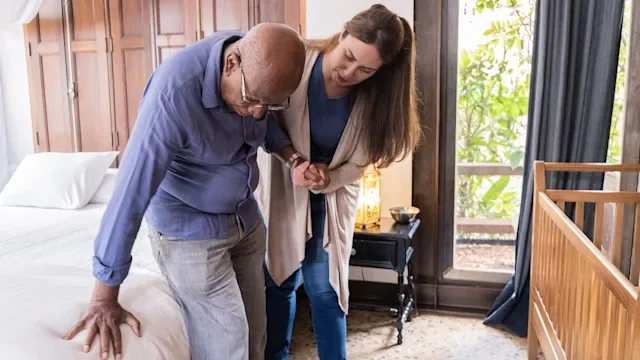
Stand up slowly. Sit at the edge of the bed for a minute before standing. This gives your blood vessels and heart rate time to adjust to the change in position and maintain blood flow to your brain.
Drink enough fluids. Water is often enough. During an illness that includes vomiting or diarrhea, oral rehydration solutions like Pedialyte can help restore both fluids and electrolytes that support blood pressure.
Avoid large meals. Try to avoid big meals, especially meals high in carbohydrates, which can divert blood flow away from the rest of your body to help with digestion. Eating smaller, more frequent meals may help reduce dizziness after standing.
Limit alcohol. Alcohol can worsen blood pressure drops in some people by relaxing blood vessels and increasing fluid loss.
Wear compression stockings. These help prevent blood from pooling in the legs when you stand. Thigh-high or waist-high stockings are generally more effective than knee-high versions.
Review your medications. A healthcare professional may adjust medication doses or timing if they’re causing your symptoms. In some cases, switching to a different medication can reduce symptoms without sacrificing treatment goals.
When should you seek care for dizziness when standing?
If your dizziness happens frequently or is getting worse, you should get medical care. If lifestyle changes aren’t enough, prescription medications, like midodrine, may be considered in select cases under medical supervision.You should also contact a healthcare professional if any of the following apply:
You faint or nearly faint.
Your symptoms interfere with daily activities.
You have chest pain, shortness of breath, vision changes, or new neurological symptoms.
Your dizziness occurs at rest or while lying down, not just with position changes.
Your dizziness comes with other symptoms, such as blood in the stool, heavy periods, fever, palpitations, or a racing heartbeat.
These warning signs could indicate an underlying serious medical condition that should be evaluated and treated.
Frequently asked questions
Yes. Dehydration lowers your blood volume, making it harder for your body to maintain a stable blood pressure when you stand. Even mild dehydration can trigger lightheadedness, especially during illness or hot weather.
Waking up dizzy can be related to dehydration, low blood pressure, inner ear problems, or changes in blood sugar. If it happens often, comes with fainting or neurological symptoms, you should have it evaluated.
Yes. Iron deficiency anemia and vitamin B12 deficiency can both cause dizziness. Blood tests can help identify these issues. Let a healthcare professional know if you’re dizzy when standing so they can figure out what’s causing your symptoms.
Yes. Dehydration lowers your blood volume, making it harder for your body to maintain a stable blood pressure when you stand. Even mild dehydration can trigger lightheadedness, especially during illness or hot weather.
Waking up dizzy can be related to dehydration, low blood pressure, inner ear problems, or changes in blood sugar. If it happens often, comes with fainting or neurological symptoms, you should have it evaluated.
Yes. Iron deficiency anemia and vitamin B12 deficiency can both cause dizziness. Blood tests can help identify these issues. Let a healthcare professional know if you’re dizzy when standing so they can figure out what’s causing your symptoms.
The bottom line
Feeling dizzy after standing up is often caused by orthostatic hypotension, a temporary drop in blood pressure. Dehydration, medications, older age, and certain health conditions are common factors. While many cases improve with simple lifestyle changes, ongoing or severe symptoms should be checked by a healthcare professional right away.

Why trust our experts?



References
Cappellini, M. D., et al. (2019). Iron deficiency anaemia revisited. Journal of Internal Medicine.
Carter, J. R., et al. (2011). Influence of acute alcohol ingestion on sympathetic neural responses to orthostatic stress in humans. American Journal of Physiology-Endocrinology and Metabolism.
Fedorowski, A., et al. (2022). Orthostatic hypotension: Management of a complex, but common, medical problem. Circulation: Arrhythmia and Electrophysiology.
McCullough, P. A. (2019). Treatment of orthostatic hypotension due to autonomic dysfunction (neurogenic orthostatic hypotension) in a patient with cardiovascular disease and Parkinson's disease. Cardiology and Therapy.
Soma-Pillay, P., et al. (2016). Physiological changes in pregnancy. Cardiovascular Journal of Africa.
Sözen, A. B., et al. (1998). Autonomic dysfunction in vitamin B12 deficiency: A heart rate variability study. Journal of Autonomic Nervous System.
Swed, S., et al. (2022). Orthostatic hypotension and cardiovascular death in older patients. The Texas Heart Institute Journal.
Zhou, Y., et al. (2017). Prevalence, risk factors, and prognosis of orthostatic hypotension in diabetic patients: A systematic review and meta-analysis. Medicine.