



10 Medication Side Effects That Can Affect Your Mouth
Some medications cause mouth-related side effects, like dry mouth and burning mouth syndrome. Here are 10 common issues and medications that may cause them.
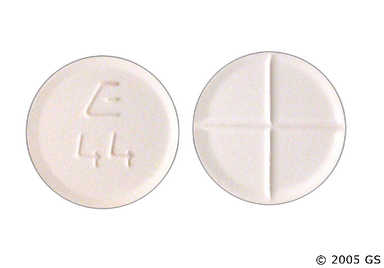
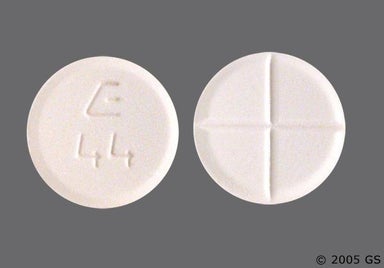
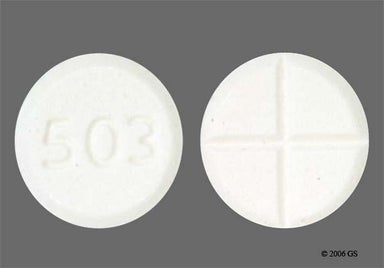
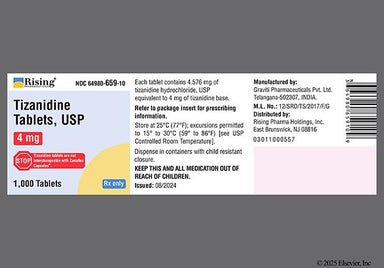
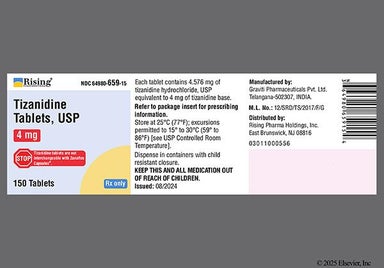
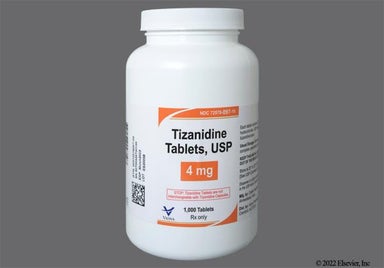
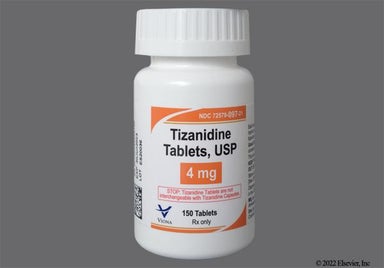
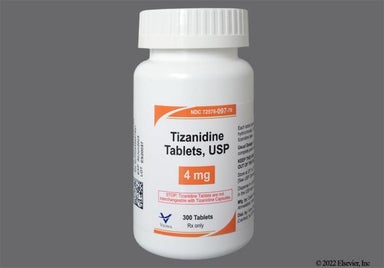
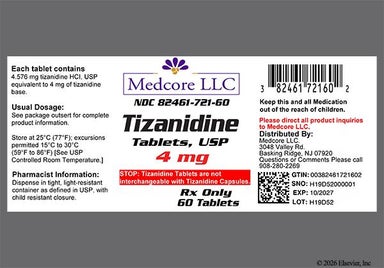
Tizanidine, also known by its brand name Zanaflex, is a muscle relaxer. It's FDA approved to treat stiff, rigid muscles in adults. This medication comes as tablets and capsules that you take by mouth. The usual dosage is taken as needed, up to 3 times a day. It has side effects like dry mouth, sleepiness, dizziness, and constipation. Tizanidine (Zanaflex) is available as a generic and brand-name medication.

Tizanidine (Zanaflex) is a type of muscle relaxer called an alpha-2 agonist. It's thought to work by slowing nerve signals along your spinal cord that control muscle tone. When those signals slow down, your muscles relax.
| Common Brands | Zanaflex |
|---|---|
| Drug Class | Alpha-2 agonist |
| Controlled Substance Classification | Not a controlled medication |
| Generic Status | Lower-cost generic available |
| Availability | Prescription only |

The following side effects may get better over time as your body gets used to the medication. Let your healthcare provider know immediately if you continue to experience these symptoms or if they worsen over time.
Contact your healthcare provider immediately if you experience any of the following.
Along with its needed effects, a medicine may cause some unwanted effects. Although not all of these side effects may occur, if they do occur they may need medical attention.
Check with your doctor immediately if any of the following side effects occur:
More common
Chest pain or discomfort
fever or chills
nausea or vomiting
nervousness
pain or burning while urinating
unusual tiredness
Less common
Blurred vision
flu-like symptoms
irregular heartbeat
itching skin
right upper stomach tenderness
seeing things that are not there
shortness of breath
Incidence not known
Continuing vomiting
general feeling of tiredness or weakness
headache
light-colored stools
Get emergency help immediately if any of the following symptoms of overdose occur:
Symptoms of overdose
Blurred vision
change in consciousness
chest pain or discomfort
confusion
decreased awareness or responsiveness
difficult or troubled breathing
dizziness, faintness or lightheadedness when getting up from a lying position
irregular, fast or slow, or shallow breathing
lightheadedness, dizziness, or fainting
loss of consciousness
pale or blue lips, fingernails, or skin
severe sleepiness
sleepiness or unusual drowsiness
slow or irregular heartbeat
sweating
unusual tiredness or weakness
Some side effects may occur that usually do not need medical attention. These side effects may go away during treatment as your body adjusts to the medicine. Also, your health care professional may be able to tell you about ways to prevent or reduce some of these side effects. Check with your health care professional if any of the following side effects continue or are bothersome or if you have any questions about them:
More common
Dizziness or lightheadedness, especially when getting up from a lying or sitting position
drowsiness
sleepiness
weakness
Other side effects not listed may also occur in some patients. If you notice any other effects, check with your healthcare professional.
Call your doctor for medical advice about side effects. You may report side effects to the FDA at 1-800-FDA-1088.




Tizanidine (Zanaflex) can cause some serious health issues. This risk may be even higher for certain groups. If this worries you, talk to your doctor or pharmacist about other options.
Tizanidine (Zanaflex) can cause low blood pressure. This can make you feel dizzy or even faint. Your prescriber will try to lower the risk of these side effects by raising your dose slowly over time. Still, be careful when you first start the medication and any time your dose gets raised.
To lower your risk of falls, make sure to stand up slowly after sitting or lying down. Hold onto something sturdy to help yourself up. If you still feel dizzy or unsteady after some time or if your blood pressure is too low, talk to your care team.
Tizanidine (Zanaflex) can make you feel sleepy and make it harder to focus. This often happens in the first week of starting this medication but can also sometimes happen later.
The risk is higher for people over 65 and for those who take other medications that make you sleepy. Some medications, like fluvoxamine and ciprofloxacin, can greatly raise your risk and can't be taken with tizanidine (Zanaflex).
To stay safe, don't drive or do anything that you need to be alert for until you know how tizanidine (Zanaflex) affects you. Also don't drink alcohol while taking this medication. If these side effects bother you or make daily life hard, tell your care team.
Tizanidine (Zanaflex) can cause liver injury. If you already have liver problems, tell your prescriber so they can make sure it's safe for you. Before starting and a month after you reach your maintenance dose, your prescriber will ask you to get blood tests done. This helps check your liver health.
Watch out for nausea, stomach pain, and yellowing of the skin or whites of the eyes while taking tizanidine (Zanaflex). These can be signs of liver problems. If you notice any of these symptoms, let your care team know.
A small number of people have had hallucinations or delusions while taking tizanidine (Zanaflex). Most people knew these experiences weren't real. But it's still important for you and your close ones to know they're possible. If you have hallucinations or delusions while taking this medication, talk to your prescriber. There might be other muscle relaxers that are better options for you.
Don't stop taking tizanidine (Zanaflex) suddenly without talking to your prescriber first. Stopping suddenly cause withdrawal symptoms. This can include high blood pressure, a fast heartbeat, and muscle stiffness.
Withdrawal symptoms might be more likely if you stop after taking a total of 20 mg to 28 mg per day for more than 9 weeks. The risk might also be higher if you're taking tizanidine (Zanaflex) with opioid pain medications.
If you want to stop tizanidine (Zanaflex), talk to your prescriber to make sure it's the right choice for you. They can help you lower your dose slowly over time to stop safely.
Some people have had serious and sometimes life-threatening allergic reactions to tizanidine (Zanaflex). This can include hives, swelling of the tongue or throat, trouble breathing, or anaphylaxis. Call 911 right away if this happens.

The typical starting dose is 2 mg by mouth every 6 to 8 hours, as needed (up to 3 doses a day).
If needed, your prescriber might raise your dose every few days. The maximum dose is a total of 36 mg per day.
Your dose might be different if you have liver or kidney problems.

GoodRx has partnered with to provide reviews on the different aspects of Tizanidine (Zanaflex).
Learn more about the effectiveness of Tizanidine (Zanaflex) based on real life experiences.
Based on 174 people taking this medication
2.7
3.0
1.9
1.5
4.5
2.5
Severity of side effects
Based on 763 people taking this medication
0%
50%
100%
Sleepiness
10%
Drowsiness
10%
Dry mouth
7%
Excessive daytime sleepiness (somnolence)
4%
Fatigue
4%
Reasons people stopped taking Tizanidine (Zanaflex)
Based on 551 people who have taken this medication
Did not seem to work
32%
Side effects too severe
20%
Doctor's advice
19%
Other
18%
Course of treatment ended
5%
Personal research
4%
Expense
4%
Change in health plan coverage
2%
How long people take Tizanidine (Zanaflex)
Based on 2067 people who have taken this medication
0%
50%
100%

Although certain medicines should not be used together at all, in other cases two different medicines may be used together even if an interaction might occur. In these cases, your doctor may want to change the dose, or other precautions may be necessary. When you are taking this medicine, it is especially important that your healthcare professional know if you are taking any of the medicines listed below. The following interactions have been selected on the basis of their potential significance and are not necessarily all-inclusive.
Using this medicine with any of the following medicines is not recommended. Your doctor may decide not to treat you with this medication or change some of the other medicines you take.
Using this medicine with any of the following medicines is usually not recommended, but may be required in some cases. If both medicines are prescribed together, your doctor may change the dose or how often you use one or both of the medicines.
Using this medicine with any of the following medicines may cause an increased risk of certain side effects, but using both drugs may be the best treatment for you. If both medicines are prescribed together, your doctor may change the dose or how often you use one or both of the medicines.


Contraindications are specific health conditions or situations in which a person should not take a medication due to safety concerns. If you have any of the following conditions or if any of the following apply to you, let your healthcare provider know because Tizanidine (Zanaflex) will not be safe for you to take.













Prescription savings
Stop paying too much for your prescriptions. Compare prices, get pharmacy coupons, and save up to 80%.Resources
About GoodRx
 Find expert answers to your health questions so you can make the best decisions for yourself and your family.
Health conditions
Medications & treatment
Access & affordability
Well-being
Medication discounts

Tizanidine is FDA approved for muscle spasms, which can happen with back pain. It doesn't treat the cause of your back pain, but it might give you some relief. Taking Tizanidine for back pain is an off-label use and is usually not the first choice. If you have back pain, talk to a healthcare professional about the best treatment for you.
No, Tizanidine isn't a narcotic. A narcotic is another name for an opioid pain reliever. Tizanidine isn't an opioid. It's a muscle relaxer that treats pain in a different way than narcotics do.
Tizanidine isn't known to cause addiction. But if you take it regularly, your body can get used to it. When this happens, you might have withdrawal symptoms after stopping it suddenly. These symptoms can include high blood pressure, a fast heartbeat, and stiff muscles. Don't stop taking Tizanidine suddenly without talking to your prescriber first. They might need to slowly lower your dose. This helps lower the risk of withdrawal symptoms and helps you stop the medication safely.
In studies, people didn't report headaches often as a side effect of Tizanidine. In fact, this medication is sometimes prescribed off-label to help with certain types of headaches. But it's not completely clear how well it actually works for this purpose. If you notice more headaches while taking Tizanidine, tell your care team. They can help you figure out the cause and suggest treatment options.
You can expect the effects of Tizanidine to last up to 6 hours after you take it. Because of this, you should wait at least 6 to 8 hours after taking the medication to take it again, if needed. You should reserve taking it when relief is most important or most needed.
For most people, Tizanidine stays in the body for about 13 hours. This is based on its half-life, which is the time it takes for half of the medication to leave your body. How long it stays in the body can depend on your kidney and liver health. This is because these organs help remove the medication. If they aren't working well, Tizanidine can stay in your body longer. If you have kidney or liver problems, your prescriber can check that this medication is safe for you. Ask your prescriber if you have more questions about how long it stays in your system.
Yes, Tizanidine has several drug interactions. Some examples include ciprofloxacin, fluvoxamine, birth control pills, and heart rhythm medications. These can raise the amount of Tizanidine in your body. This can raise your risk of side effects like low blood pressure and sleepiness. Also taking medications that cause drowsiness can make you extra sleepy. In addition, taking it with blood pressure medications can cause blood pressure to drop too low. Share a full list of your medications with your care team. They can check for drug interactions and help keep you safe.
Tizanidine and cyclobenzaprine are both muscle relaxers. But they have a few differences. Tizanidine helps treat muscle spasticity, which are stiff or rigid muscles that are hard to relax. It's often used for certain conditions, like multiple sclerosis (MS). Cyclobenzaprine is usually taken for short intervals of time to treat muscle spasms from injuries. This can include sports injuries or car accidents. Both medications can cause similar side effects, like sleepiness, dizziness, and dry mouth. Talk to a healthcare professional to compare and help you decide which best fits your needs.
