



Perimenopause Symptoms: How Do I Know When Perimenopause Starts?
Perimenopause is the transition period before menopause. Learn the signs and symptoms of perimenopause and how to manage these natural changes.
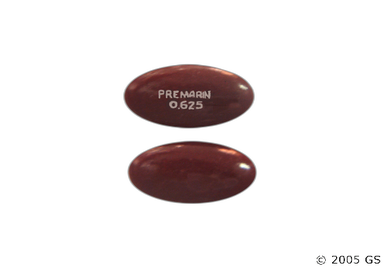
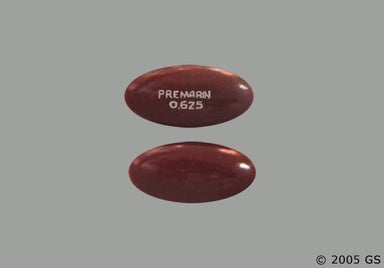
Premarin (conjugated estrogens) oral tablet is an estrogen hormone replacement therapy (HRT) used to treat menopause symptoms, such as hot flashes and vaginal dryness, and other conditions caused by low estrogen levels. It can also help prevent osteoporosis after menopause and treat certain advanced breast or prostate cancers. Depending on why you're taking it, you might take it by mouth every day or in cycles. Common side effects include headache, stomach pain, nausea, and breast pain.

Premarin tablet is an estrogen replacement therapy. It contains a mixture of estrogens, which are hormones that your body naturally makes. During menopause, your estrogen levels drop, and Premarin tablet helps replace some of the estrogen your body no longer produces.
By raising estrogen levels, Premarin tablet can help relieve menopause symptoms, such as hot flashes and vaginal dryness. It can also help slow bone loss and lower the risk of osteoporosis after menopause.
| Common Brands | Premarin |
|---|---|
| Drug Class | Estrogen replacement |
| Controlled Substance Classification | Not a controlled medication |
| Generic Status | Lower-cost generic available |
| Availability | Prescription only |

The following side effects may get better over time as your body gets used to the medication. Let your healthcare provider know immediately if you continue to experience these symptoms or if they worsen over time.
Contact your healthcare provider immediately if you experience any of the following.
Women rarely have severe side effects from taking estrogens to replace estrogen. Discuss these possible effects with your doctor:
The prolonged use of estrogens has been reported to increase the risk of endometrial cancer (cancer of the lining of the uterus) in women after menopause. This risk seems to increase as the dose and the length of use increase. When estrogens are used in low doses for less than 1 year, there is less risk. The risk is also reduced if a progestin (another female hormone) is added to, or replaces part of, your estrogen dose. If the uterus has been removed by surgery (total hysterectomy), there is no risk of endometrial cancer.
Although the incidence is low, the use of estrogens may increase you chance of getting cancer of the breast. Breast cancer has been reported in men taking estrogens.
Along with its needed effects, a medicine may cause some unwanted effects. Although not all of these side effects may occur, if they do occur they may need medical attention.
The following side effects may be caused by blood clots, which could lead to stroke, heart attack, or death. These side effects occur rarely, and, when they do occur, they occur in men treated for cancer using high doses of estrogens.
Check with your doctor immediately if any of the following side effects occur:
More common
Breast pain (in females and males)
fast heartbeat
hoarseness
increased breast size (in females and males)
irritation of the skin
itching of the skin
joint pain, stiffness, or swelling
rash
redness of the skin
shortness of breath
swelling of the eyelids, face, lips, hands, or feet
swelling of the feet and lower legs
tightness in the chest
troubled breathing or swallowing
weight gain (rapid)
Less common or rare
Changes in vaginal bleeding (spotting, breakthrough bleeding, prolonged or heavier bleeding, or complete stoppage of bleeding)
chills
heavy non-menstrual vaginal bleeding
lumps in, or discharge from, breast (in females and males)
pains in the stomach, side, or abdomen
yellow eyes or skin
Rare
for males being treated for breast or prostate cancer only
Headache (sudden or severe)
loss of coordination (sudden)
loss of vision or change of vision (sudden)
pains in the chest, groin, or leg, especially in the calf of leg
shortness of breath (sudden and unexplained)
slurring of speech (sudden)
weakness or numbness in the arm or leg
Incidence not known
Abdominal or stomach bloating
abdominal or stomach cramps
acid or sour stomach
backache
belching
blindness
blistering, peeling, or loosening of the skin
blue-yellow color blindness
blurred vision
change in vaginal discharge
changes in skin color
changes in vision
chest discomfort
clay-colored stools
clear or bloody discharge from nipple
confusion
convulsions
dark urine
decrease in the amount of urine
decreased vision
difficulty with breathing
difficulty with speaking
dimpling of the breast skin
dizziness
double vision
fainting
fluid-filled skin blisters
full feeling in upper abdomen or stomach
full or bloated feeling or pressure in the stomach
headache
inability to move the arms, legs, or facial muscles
inability to speak
incoherent speech
increased urination
indigestion
inverted nipple
irregular heartbeats
light-colored stools
lightheadedness
loss of appetite
loss of bladder control
lump under the arm
metallic taste
migraine headache
mood or mental changes
muscle cramps in the hands, arms, feet, legs, or face
muscle spasm or jerking of all extremities
muscle weakness
noisy breathing
numbness or tingling of the hands, feet, or face
pain in the ankles or knees
pain or discomfort in the arms, jaw, back or neck
pain or feeling of pressure in the pelvis
pain, tenderness, swelling of the foot or leg
painful or tender cysts in the breasts
painful, red lumps under the skin, mostly on the legs
pains in the chest, groin, or legs, especially calves of the legs
partial or complete loss of vision in the eye
pelvic pain
persistent crusting or scaling of nipple
pinpoint red or purple spots on the skin
prominent superficial veins over affected area
red, irritated eyes
redness or swelling of the breast
sensitivity to the sun
severe headaches of sudden onset
skin thinness
skin warmth
slow speech
sore on the skin of the breast that does not heal
sores, ulcers, or white spots in the mouth or on the lips
stomach discomfort, upset, or pain
sudden loss of consciousness
sudden loss of coordination
sudden onset of shortness of breath for no apparent reason
sudden onset of slurred speech
sudden vision changes
swelling of the abdominal or stomach area
swelling of the fingers or hands
thirst
unpleasant breath odor
unusual tiredness or weakness
vomiting
vomiting of blood
Some side effects may occur that usually do not need medical attention. These side effects may go away during treatment as your body adjusts to the medicine. Also, your health care professional may be able to tell you about ways to prevent or reduce some of these side effects. Check with your health care professional if any of the following side effects continue or are bothersome or if you have any questions about them:
More common
Abnormal growth filled with fluid or semisolid material
accidental injury
bladder pain
bloated full feeling
bloody or cloudy urine
body aches or pain
coating or white patches on tongue
congestion
cough producing mucus
decrease in amount of urine
difficult, burning, or painful urination
discouragement
dryness of the throat
ear congestion or pain
excess air or gas in the stomach or intestines
fear
feeling of warmth
feeling sad or empty
frequent urge to urinate
general feeling of discomfort or illness
headache, severe and throbbing
increased clear or white vaginal discharge
irritability
itching of the vaginal, rectal or genital areas
lack of appetite
lack or loss of strength
loss of interest or pleasure
mild dizziness
neck pain
nervousness
pain during sexual intercourse
painful or difficult urination
pain or tenderness around the eyes and cheekbones
passing gas
redness of the face, neck, arms, and occasionally, upper chest
skin irritation or redness where skin patch was worn
shivering
sore mouth or tongue
sudden sweating
tender, swollen glands in the neck
thick, white vaginal discharge with no odor or with a mild odor
tiredness
trouble concentrating
trouble sleeping
unable to sleep
voice changes
Less common
Blemishes on the skin
burning, crawling, itching, numbness, prickling, "pins and needles", or tingling feelings
burning or stinging of the skin
diarrhea (mild)
difficulty with moving
dizziness (mild)
increased hair growth, especially on the face
lower abdominal or stomach pain or pressure
mood or mental changes
muscle stiffness
painful cold sores or blisters on the lips, nose, eyes, or genitals
pounding in the ears
problems in wearing contact lenses
slow heartbeat
tooth or gum pain
unusual decrease in sexual desire (in males)
unusual increase in sexual desire (in females)
white or brownish vaginal discharge
Incidence not known
Abnormal turning out of cervix
changes in appetite
dull ache or feeling of pressure or heaviness in the legs
flushed, dry skin
fruit-like breath odor
increased hunger
irritability
large amount of triglyceride in the blood
leg cramps
patchy brown or dark brown discoloration of the skin
poor insight and judgment
problems with memory or speech
trouble recognizing objects
trouble thinking and planning
trouble walking
twitching, uncontrolled movements of the tongue, lips, face, arms, or legs
unexpected or excess milk flow from the breasts
Also, many women who are taking estrogens with a progestin (another female hormone) will start having monthly vaginal bleeding, similar to menstrual periods, again. This effect will continue for as long as the medicine is taken. However, monthly bleeding will not occur in women who have had the uterus removed by surgery (total hysterectomy).
This medicine may cause loss or thinning of the scalp hair in some people.
Other side effects not listed may also occur in some patients. If you notice any other effects, check with your healthcare professional.
Call your doctor for medical advice about side effects. You may report side effects to the FDA at 1-800-FDA-1088.




Premarin tablet can cause some serious health issues. This risk may be even higher for certain groups. If this worries you, talk to your doctor or pharmacist about other options.
 Estrogen HRTs like Premarin tablet can increase your risk of blood clots. Sometimes, these blood clots can be very dangerous and lead to a heart attack, stroke, or pulmonary embolism (blood clot in the lungs).
Tell your prescriber about your full medical history so they can check your risk for blood clots. Also tell your prescriber about any planned procedures or long periods of bedrest. Your prescriber will let you know when to stop Premarin tablet before your procedure and when to restart it afterwards to lessen your risk for blood clots. In general, you should take the lowest dose of Premarin tablet for the shortest period of time possible to lower your risk for blood clots.
Be aware of the signs and symptoms of a blood clot and related complications.
Get medical help right away if you have any signs or symptoms of a blood clot.
Premarin tablet contains estrogen. Estrogen can cause the lining of the uterus (endometrium) to grow too much, which can raise the risk of uterine (endometrial) cancer.
It’s important to watch for warning signs of uterine cancer. Tell your care team right away if you have unusual vaginal bleeding, especially if it doesn’t go away or keeps coming back. If you have concerns about your risk of uterine cancer, talk with your prescriber.
Taking estrogen medications like Premarin tablet together with a progestin. The longer you take this combination, the higher your risk is. That's why it's important to take the lowest dose for the shortest time needed.
Check your breasts regularly for changes and get mammograms as recommended. Tell your care team if you notice a new lump or changes in the size, shape, or appearance of your breasts.
Estrogen HRTs like Premarin tablet could raise your risk of ovarian cancer. Although this risk is small, it’s important to be aware of possible symptoms.
Tell your care team if you notice unusual vaginal bleeding, abnormal vaginal discharge, pelvic pain, bloating, or a feeling of fullness that doesn’t go away. These can be signs of ovarian cancer and should be checked by your care team.
People aged 65 years and older who take medications with estrogen, such as Premarin tablet, might have a higher risk of developing dementia. Estrogen therapy shouldn't be used to prevent dementia.
Be aware of the early signs and symptoms of dementia, such as becoming confused or more forgetful, getting lost, and having trouble doing familiar things at home or at work. Speak with your prescriber if the risk for dementia worries you.
The risk for gallbladder problems is higher for people who've gone through menopause and are taking estrogen therapy like Premarin tablet. Sometimes, these gallbladder problems require surgery. Let your prescriber know if you've previously had jaundice (yellowing of your skin or whites of the eyes). And tell your care team if you start having jaundice, stomach pain that doesn't go away, nausea, or vomiting while you're taking this medication. These can be signs of liver damage or gallbladder problems.
Estrogen therapy, such as Premarin tablet, can change the calcium levels in the blood. People with breast cancer and people with cancer that's spread to the bones are at higher risk of dangerously high calcium levels while they're taking estrogens. Tell your care team if you have any symptoms of high calcium levels, including tiredness, muscle weakness, bone pain, nausea, constipation, and thirst.
On the other hand, estrogen therapy can make calcium levels drop in people with low parathyroid hormone levels. Contact your care team if you have symptoms of low calcium levels, such as muscle cramps; brittle nails; and tingling in your fingers, toes, or lips.
Although very rare, some people taking estrogens have had vision problems due to clot formation in the eyes. If you have sudden partial or complete vision loss, bulging eyes, double vision, or migraines, stop Premarin tablet and tell your care team.
Let your prescriber know if you have a history of having high triglyceride levels. It's possible that Premarin tablet can raise the amount of triglycerides (fat) in the blood. And having too much in the blood can lead to swelling of the pancreas (pancreatitis). Tell your care team right away if you have symptoms of pancreatitis, like sudden stomach or back pain, nausea, vomiting, fever, or weakness.
Premarin tablet can cause changes to the thyroid hormone levels in the body. It's harder for the body to adjust to these changes for people with low thyroid hormone levels (hypothyroidism) than for an average person. If you take thyroid replacement medication for your thyroid condition, you might need a higher dose of your thyroid medication. Work with your prescriber to adjust the dose of your thyroid medication.
Premarin tablet can make your body hold onto extra fluids. This can sometimes cause swelling of your hands and feet. Fluid retention can worsen symptoms of certain heart conditions, like heart failure, and kidney damage. Tell your healthcare team if you notice any signs of worsening fluid retention (e.g., swelling, sudden weight gain) while you're taking Premarin tablet if you have heart or kidney problems.
Before you start Premarin tablet, speak with your care team about your medical history. Taking estrogen-containing medications can worsen certain health conditions and you might require closer follow up. These health conditions include diabetes, asthma, migraine, lupus, seizures, and hereditary angioedema.

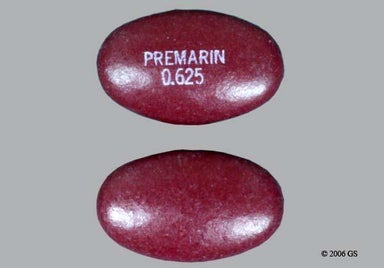
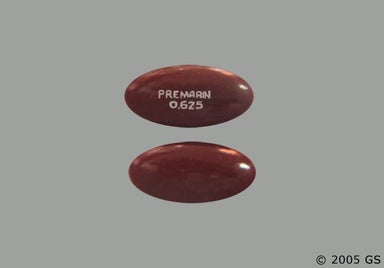
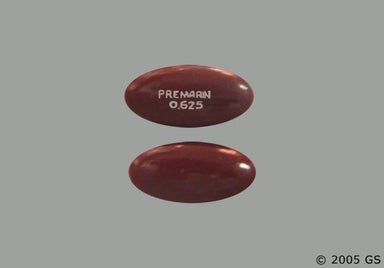
 Tablet
| Dosage | Quantity | Price as low as | Price per unit |
|---|---|---|---|
| 0.45mg | 30 tablets | $25.00 | $0.83 |
| 1.25mg | 30 tablets | $25.00 | $0.83 |
| 0.625mg | 30 tablets | $25.00 | $0.83 |
| 0.9mg | 30 tablets | $25.00 | $0.83 |
| 0.3mg | 30 tablets | $25.00 | $0.83 |

Although certain medicines should not be used together at all, in other cases two different medicines may be used together even if an interaction might occur. In these cases, your doctor may want to change the dose, or other precautions may be necessary. When you are taking any of these medicines, it is especially important that your healthcare professional know if you are taking any of the medicines listed below. The following interactions have been selected on the basis of their potential significance and are not necessarily all-inclusive.
Using medicines in this class with any of the following medicines is not recommended. Your doctor may decide not to treat you with a medication in this class or change some of the other medicines you take.
Using medicines in this class with any of the following medicines is usually not recommended, but may be required in some cases. If both medicines are prescribed together, your doctor may change the dose or how often you use one or both of the medicines.


Contraindications are specific health conditions or situations in which a person should not take a medication due to safety concerns. If you have any of the following conditions or if any of the following apply to you, let your healthcare provider know because Premarin tablet will not be safe for you to take.










Prescription savings
Stop paying too much for your prescriptions. Compare prices, get pharmacy coupons, and save up to 80%. Find expert answers to your health questions so you can make the best decisions for yourself and your family.
Health conditions
Medications & treatment
Access & affordability
Medication discounts

Yes. Premarin can cause weight gain, although it’s not a common side effect. In clinical studies, about 2% to 3% of people reported gaining weight while taking the medication. If you notice unexpected weight gain during treatment, talk to your prescriber.
Premarin is made from estrogens that come from the urine of pregnant horses. These estrogens are purified and processed into tablets. The medication also contains inactive ingredients that help keep the tablets stable and hold them together.
It takes about 2 to 3 days for most of Premarin to leave your body after a dose. This is based on the medication's half-life, which is how long it takes for the amount of medication in your body to reduce by half. Keep in mind that this can vary from person to person depending on factors like age, liver function, and the dose you're taking.
No. Premarin and estradiol are both estrogen hormone replacement therapies, but they aren't the same. Premarin contains a mixture of different estrogens, while estradiol contains a single type of estrogen. But both are approved to treat menopause symptoms and low estrogen levels, along with certain advanced breast and prostate cancers. Talk with your prescriber if you have questions about how they compare.
Everyone responds differently, but many people start noticing relief from hot flashes and other menopause symptoms within a few weeks of starting Premarin. In studies, some people saw improvement as early as 4 weeks after starting treatment. It can take a few months to experience the full benefits, so keep taking the medication as prescribed and talk with your prescriber about what to expect.
No. Premarin doesn't contain progesterone. It contains a mixture of estrogens. If you still have a uterus, your prescriber might recommend a separate progestin along with Premarin to help lower the risk of uterine (endometrial) cancer. Talk with your prescriber about whether you need progestin as part of your hormone therapy.
In general, if tablets that are scored can often be split. But before cutting Premarin in half, check with your prescriber or pharmacist to make sure it’s safe for your specific tablet.
Premarin oral tablets and Premarin Vaginal Cream both contain conjugated estrogens, but they’re used for different purposes. The tablets are absorbed throughout your body and are used to treat symptoms such as hot flashes, low estrogen levels, and to help prevent osteoporosis after menopause. The cream is applied directly into the vagina and is mainly used to treat vaginal symptoms of menopause, such as dryness, itching, burning, and painful sex. Talk to your prescriber to learn more about their differences.
