


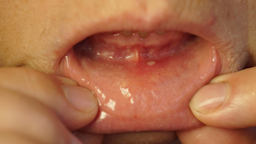
10 Medication Side Effects That Can Affect Your Mouth
Some medications cause mouth-related side effects, like dry mouth and burning mouth syndrome. Here are 10 common issues and medications that may cause them.
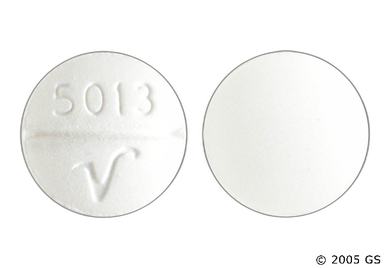
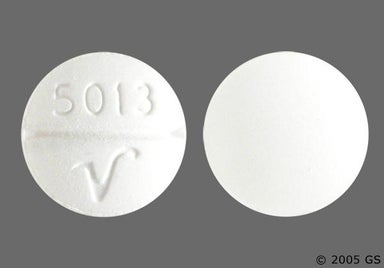
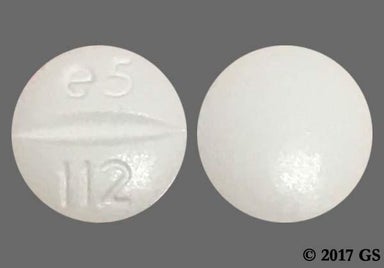
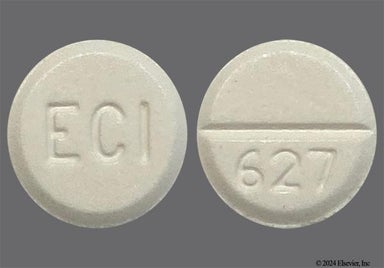
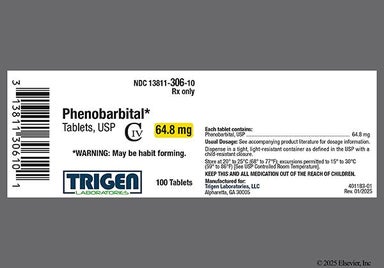
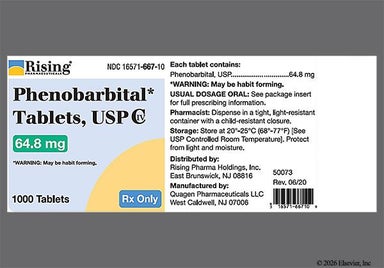
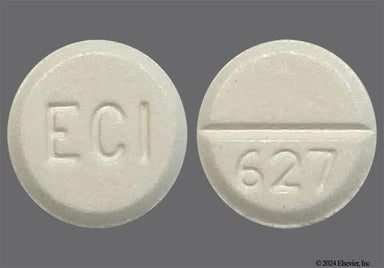
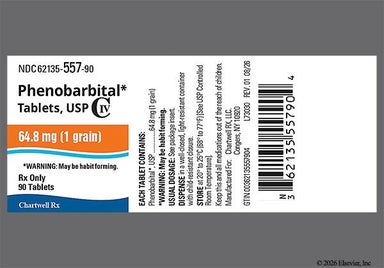
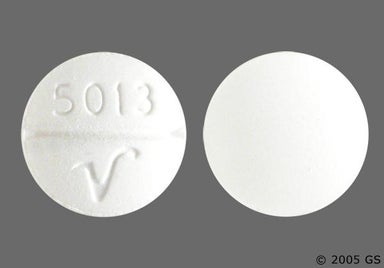
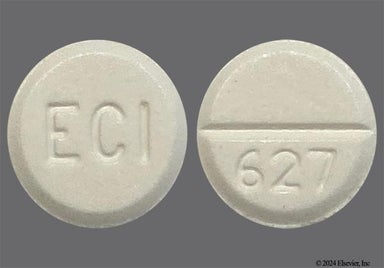
Phenobarbital is a barbiturate that helps control seizures and can also be used for sedation. The medication comes as a tablet and oral liquid, and the dose depends on your age, weight, condition, and response to treatment. Phenobarbital is a controlled substance because it can lead to misuse, dependence, and withdrawal. Common side effects include sleepiness, dizziness, and problems with balance or coordination.

Phenobarbital is a barbiturate. It works by increasing the effects of gamma-aminobutyric acid (GABA), a chemical that slows activity in the brain. This helps prevent seizures and produces a calming, sedative effect.
| Common Brands | Luminal |
|---|---|
| Drug Class | Barbiturate |
| Controlled Substance Classification | Schedule IV |
| Generic Status | Lower-cost generic available |
| Availability | Prescription only |

Phenobarbital can cause some serious health issues. This risk may be even higher for certain groups. If this worries you, talk to your doctor or pharmacist about other options.
Phenobarbital can cause tolerance and dependence, especially with higher doses or long-term use. Take it exactly as prescribed, since misuse can raise your risk of serious side effects, including dangerously slow breathing.
Don’t suddenly stop taking phenobarbital, because this can cause life-threatening withdrawal symptoms, including confusion, seizures, and delirium. If you need to stop treatment, your prescriber will usually lower your dose slowly to help prevent withdrawal.
Phenobarbital slows activity in your brain and can cause dangerously slow breathing. Drinking alcohol or taking other medications that cause sleepiness, such as benzodiazepines, opioids, or muscle relaxants, can make these effects stronger and potentially life-threatening. Make sure your loved ones know to call 911 if you have very slow or shallow breathing, can’t be woken, or have bluish-colored lips, fingers, or toes.
Phenobarbital can sometimes make you feel agitated, excited, or confused instead of sleepy or calm. This is more likely in children, older adults, and people with short-term or long-term pain. Tell your prescriber if you notice these effects while taking the medication.
Phenobarbital can harm an unborn baby and cause withdrawal symptoms in newborns when taken during pregnancy. But suddenly stopping seizure treatment can also be dangerous, so talk to your prescriber about the risks and benefits of treatment if you’re pregnant or planning to become pregnant.
If you take phenobarbital during pregnancy, consider enrolling in the North American Antiepileptic Drug (NAAED) Pregnancy Registry to help researchers learn more about the safety of seizure medications during pregnancy.

The following side effects may get better over time as your body gets used to the medication. Let your healthcare provider know immediately if you continue to experience these symptoms or if they worsen over time.
Contact your healthcare provider immediately if you experience any of the following.
Along with its needed effects, a medicine may cause some unwanted effects. Although not all of these side effects may occur, if they do occur they may need medical attention.
Check with your doctor immediately if any of the following side effects occur:
Rare
Confusion (especially in the elderly)
dizziness, lightheadedness that continues, or fainting
skin rash or hives
Incidence not known
difficulty with swallowing
fast irregular, pounding, or racing heartbeat or pulse
hives or welts
hoarseness
irritation
itching skin
joint pain, stiffness, or swelling
puffiness or swelling of the eyelids or around the eyes, face, lips, or tongue
redness of the skin
shortness of breath
skin rash
tightness in the chest
trouble with breathing
Some side effects may occur that usually do not need medical attention. These side effects may go away during treatment as your body adjusts to the medicine. Also, your health care professional may be able to tell you about ways to prevent or reduce some of these side effects. Check with your health care professional if any of the following side effects continue or are bothersome or if you have any questions about them:
Less common or rare
Bloated feeling
blurred vision
difficult urination
difficulty with swallowing
drowsiness
false sense of well-being
headache
increased sensitivity of eyes to light
loss of memory
nausea or vomiting
redness or other signs of irritation at the place of injection
trouble with sleeping
unusual tiredness or weakness
Incidence not known
Decreased interest in sexual intercourse
inability to have or keep an erection
loss in sexual ability, desire, drive, or performance
loss of taste
For patients using scopolamine:
After you stop using scopolamine, your body may need time to adjust. The length of time this takes depends on the amount of scopolamine you were using and how long you used it. During this period of time check with your doctor if you notice any of the following side effects:
irritability
nightmares
pupil of one eye is larger (patch only)
sensitivity of eyes to light (patch only)
trouble in sleeping
Other side effects not listed may also occur in some patients. If you notice any other effects, check with your healthcare professional.
Call your doctor for medical advice about side effects. You may report side effects to the FDA at 1-800-FDA-1088.



Phenobarbital oral liquid

 Ml of elixir
| Dosage | Quantity | Price as low as | Price per unit |
|---|---|---|---|
| 20mg/5ml | 120 ml | $13.04 | $0.11 |

Although certain medicines should not be used together at all, in other cases two different medicines may be used together even if an interaction might occur. In these cases, your doctor may want to change the dose, or other precautions may be necessary. When you are taking any of these medicines, it is especially important that your healthcare professional know if you are taking any of the medicines listed below. The following interactions have been selected on the basis of their potential significance and are not necessarily all-inclusive.
Using medicines in this class with any of the following medicines is not recommended. Your doctor may decide not to treat you with a medication in this class or change some of the other medicines you take.
Using medicines in this class with any of the following medicines is usually not recommended, but may be required in some cases. If both medicines are prescribed together, your doctor may change the dose or how often you use one or both of the medicines.


Contraindications are specific health conditions or situations in which a person should not take a medication due to safety concerns. If you have any of the following conditions or if any of the following apply to you, let your healthcare provider know because Phenobarbital will not be safe for you to take.















Prescription savings
Stop paying too much for your prescriptions. Compare prices, get pharmacy coupons, and save up to 80%. Find expert answers to your health questions so you can make the best decisions for yourself and your family.
Health conditions
Medications & treatment
Access & affordability
Medication discounts


Yes, Phenobarbital is a Schedule IV controlled substance. This means it has a risk of misuse and can cause dependence if you take it regularly. If your body becomes dependent on this medication, stopping it suddenly can cause withdrawal symptoms, including seizures, which can be serious. Take Phenobarbital exactly as prescribed, and don’t lower your dose or stop taking it without talking to your prescriber first.
In adults, it takes about 2 weeks for most of Phenobarbital to leave your body after a single dose. In children, it takes about 3 weeks on average. These estimates are based on the medication's half-life. The exact amount of time can vary depending on factors such as your age and how well your kidneys and liver are working.
Yes, sleepiness is one of the most common side effects of Phenobarbital. In fact, Phenobarbital can be used as a sedative because of its calming effects on the brain. You might also feel dizzy or have problems with balance or coordination. Avoid driving or doing anything that requires you to be alert until you know how this medication affects you.
It's recommended that you avoid drinking alcohol while taking Phenobarbital. Both alcohol and Phenobarbital can cause sleepiness and dizziness, so combining them can make these effects worse. Drinking alcohol can also make seizures more likely, which can make it harder to control your condition.
Phenobarbital isn't FDA approved to treat alcohol withdrawal. But some prescribers use it off-label to manage alcohol withdrawal symptoms. Treatment requires a specific dosing plan based on your symptoms and response to the medication. Follow your prescriber’s instructions closely to make sure Phenobarbital is used safely.
If you miss a dose of Phenobarbital, take it as soon as you remember. But if it’s almost time for your next dose, skip the missed dose and continue with your usual schedule. Don’t take two doses at the same time to make up for a missed dose, since this can raise your risk of serious side effects.
In general, Phenobarbital starts working within 30 minutes to 1 hour when taken by mouth, and its effects typically last about 10 to 12 hours. If you’re taking Phenobarbital to control seizures, it might take some time to find the right dose for you. Keep taking the medication as prescribed, even if you don’t notice an immediate difference.
Keppra (levetiracetam) and phenobarbital are both medications used to control seizures, but they work differently. Keppra is a newer seizure medication, while phenobarbital is an older medication called a barbiturate. Phenobarbital can cause more side effects and has a risk of misuse, dependence, and withdrawal. Keppra isn’t a controlled substance, but it can cause mood or behavior changes. Talk to your prescriber if you have questions about how these medications compare.
