





Early Breast Cancer Treatments: 5 Common Options to Explore
Early breast cancer treatments include surgery, radiation, and medications such as chemotherapy, hormone therapy, anti-HER2 drugs, and targeted therapies.

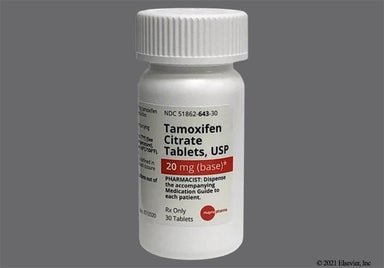
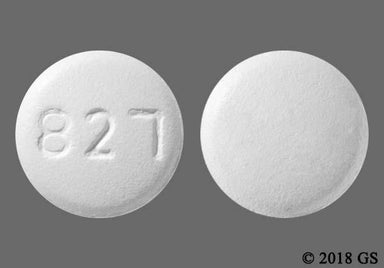
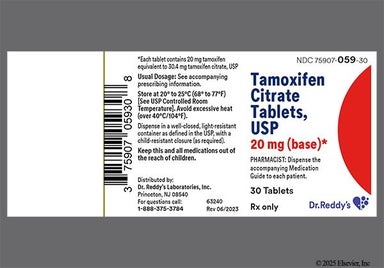
Tamoxifen (Nolvadex) is a selective estrogen receptor modulator (SERM). It’s used to treat early stage and advanced or metastatic hormone receptor-positive (HR+) breast cancer in males and females. It’s also used to lower the risk for breast cancer in females who have a higher risk for breast cancer. Tamoxifen (Nolvadex) is an oral tablet that's taken by mouth, usually once a day. Common side effects of this medication include hot flashes, vaginal discharge, and swelling in the arms and legs, which might lead to weight gain. Brand name Nolvadex is no longer available.

Tamoxifen (Nolvadex) is a selective estrogen receptor modulator (SERM). Some breast cancers depend on hormones like estrogen to grow. These breast cancers are called hormone receptor-positive (HR+).
Tamoxifen (Nolvadex) treats HR+ breast cancer by blocking estrogen from working on breast cancer tissue. By doing so, tamoxifen (Nolvadex) prevents cancer cells from getting the fuel needed to grow, and stops the cancer from spreading.
| Common Brands | Nolvadex |
|---|---|
| Drug Class | Selective estrogen receptor modulator (SERM) |
| Controlled Substance Classification | Not a controlled medication |
| Generic Status | Lower-cost generic available |
| Availability | Prescription only |

The following side effects may get better over time as your body gets used to the medication. Let your healthcare provider know immediately if you continue to experience these symptoms or if they worsen over time.
Contact your healthcare provider immediately if you experience any of the following.
Along with its needed effects, a medicine may cause some unwanted effects. Although not all of these side effects may occur, if they do occur they may need medical attention.
Check with your doctor immediately if any of the following side effects occur:
More common
Absent, missed, or irregular menstrual periods
bladder pain
blindness
bloating or swelling of the face, arms, hands, lower legs, or feet
bloody or cloudy urine
blurred vision
chills
confusion
decrease in the amount of urine
decrease in height
decreased vision
difficult or labored breathing
difficult, burning, or painful urination
dizziness
fainting
fast heartbeat
frequent urge to urinate
heavy non-menstrual vaginal bleeding
hoarseness
increased clear or white vaginal discharge
lower back or side pain
noisy, rattling breathing
pain in the back, ribs, arms, or legs
painful or difficult urination
pale skin
rapid weight gain
rapid, shallow breathing
stopping of menstrual bleeding
tightness in the chest
tingling of the hands or feet
troubled breathing at rest
troubled breathing with exertion
unusual bleeding or bruising
unusual tiredness or weakness
unusual weight gain or loss
Less common
Abnormal growth filled with fluid or semisolid material
black, tarry stools
bleeding gums
blurred vision
breast pain, redness, or swelling
clear or bloody discharge from the nipple
cough producing mucus
dimpling of the breast skin
feeling of warmth or heat
flushing or redness of the skin, especially on the face and neck headache
inverted nipple
joint pain or stiffness
large amount of cholesterol in the blood
lump in the breast or under the arm
nervousness
persistent crusting or scaling of the nipple
pinpoint red spots on the skin
pounding in the ears
skin rash or itching over the entire body
slow heartbeat
sore on the skin of the breast that does not heal
stomach or pelvic discomfort, aching, or heaviness
Incidence not known
Blistering, peeling, loosening of the skin
dark urine
general feeling of discomfort or illness
indigestion
large, hive-like swelling on the face, eyelids, lips, tongue, throat, hands, legs, feet, or genitals
loss of appetite
pains in the stomach, side, or abdomen, possibly radiating to the back
red skin lesions, often with a purple center
red, irritated eyes
sores, ulcers, or white spots in the mouth or on the lips
thickening of bronchial secretions
vomiting
yellow eyes or skin
Some side effects may occur that usually do not need medical attention. These side effects may go away during treatment as your body adjusts to the medicine. Also, your health care professional may be able to tell you about ways to prevent or reduce some of these side effects. Check with your health care professional if any of the following side effects continue or are bothersome or if you have any questions about them:
More common
Back pain
belching
body aches or pain
bone pain
congestion
difficulty in moving
dryness of the throat
hair loss or thinning of hair
joint swelling
lack or loss of strength
mood changes
muscle cramps or stiffness
passing of gas
redness of the face, neck, arms, and occasionally, upper chest
shivering
skin changes
stomach upset, fullness, or pain
sudden sweating
tender, swollen glands in the neck
trouble in swallowing
trouble sleeping
voice changes
Less common
Burning, crawling, itching, numbness, prickling, "pins and needles", or tingling feelings
itching of the vagina or genital area
pain during sexual intercourse
Incidence not known
Decreased interest in sexual intercourse
inability to have or keep an erection
loss in sexual ability, desire, drive, or performance
Other side effects not listed may also occur in some patients. If you notice any other effects, check with your healthcare professional.
Call your doctor for medical advice about side effects. You may report side effects to the FDA at 1-800-FDA-1088.




Tamoxifen (Nolvadex) can cause some serious health issues. This risk may be even higher for certain groups. If this worries you, talk to your doctor or pharmacist about other options.
 Tamoxifen (Nolvadex) can raise your risk of blood clots. Blood clots can develop in any part of the body, including in the veins in your legs (deep venous thrombosis), lungs (pulmonary embolism) and brain (stroke). In clinical studies, people have reported blood clots anytime between 1 month to 5 years after starting treatment. This risk is higher for people receiving tamoxifen (Nolvadex) at the same time as chemotherapy. If you’re having symptoms of blood clots, which can include swelling, pain, or redness in your legs, difficulty breathing, or chest pain, seek medical attention right away.
Though not common, there have been reports of people developing ovarian cysts, uterine fibroids, and uterine cancer after starting tamoxifen (Nolvadex). The reason for this isn’t fully understood, but it’s thought that tamoxifen (Nolvadex) acts like estrogen and can cause changes to the lining of the uterus. After you start tamoxifen (Nolvadex), your oncologist might ask you to get yearly gynecology exams. Let your healthcare provider know if you have any abnormal vaginal bleeding or bloody discharge, changes in your period, and pain or pressure in the area below your belly button (pelvis). These can be signs of uterine cancer. If you’ve had surgery to remove the uterus, you aren’t at risk for uterine cancer.
Tamoxifen (Nolvadex) can raise your chance of developing cataracts and other eye problems. Let your provider know if you experience any changes in your vision, like slow blurring of your vision or changes in how you see color.
Tamoxifen (Nolvadex) might cause changes in liver enzyme levels. On rare occasions, people have reported serious liver problems and liver cancer, which can be life-threatening. Your healthcare provider will monitor your liver health regularly through blood draws while you're taking tamoxifen (Nolvadex). If you develop liver problems, your healthcare provider might stop your treatment. Let your provider know if you experience yellowing of the eyes or skin, loss of appetite, or tiredness, as these can be signs of liver problems.
Some people taking tamoxifen (Nolvadex) for metastatic breast cancer that has spread to the bones have reported high blood calcium levels within a few weeks of starting treatment. Your oncologist might check your blood calcium level regularly after you start tamoxifen (Nolvadex). If your level is very high, they’ll ask you to stop this medication. Symptoms of high blood calcium levels can include nausea, tiredness, and muscle weakness.
Though rare, some people have reported low platelet count after starting tamoxifen (Nolvadex). It’s unclear whether the low platelet count is caused by tamoxifen (Nolvadex) or by other factors. But having a low platelet level raises your risk for bleeding. Your oncologist will check your blood counts regularly to see if your levels are within a safe range. Let your healthcare team know if you notice bruises that won’t go away or bleeding that’s difficult to stop because these might be signs of low platelet count.
Tamoxifen (Nolvadex) can cause serious harm to an unborn baby. If you’re able to become pregnant, you should use non-hormonal birth control, like condoms or a diaphragm, while taking tamoxifen (Nolvadex) and for 2 months after the last dose. Let your provider know right away if you become pregnant during this time.


Although certain medicines should not be used together at all, in other cases two different medicines may be used together even if an interaction might occur. In these cases, your doctor may want to change the dose, or other precautions may be necessary. When you are taking this medicine, it is especially important that your healthcare professional know if you are taking any of the medicines listed below. The following interactions have been selected on the basis of their potential significance and are not necessarily all-inclusive.
Using this medicine with any of the following medicines is not recommended. Your doctor may decide not to treat you with this medication or change some of the other medicines you take.
Using this medicine with any of the following medicines is usually not recommended, but may be required in some cases. If both medicines are prescribed together, your doctor may change the dose or how often you use one or both of the medicines.
Using this medicine with any of the following medicines may cause an increased risk of certain side effects, but using both drugs may be the best treatment for you. If both medicines are prescribed together, your doctor may change the dose or how often you use one or both of the medicines.


Contraindications are specific health conditions or situations in which a person should not take a medication due to safety concerns. If you have any of the following conditions or if any of the following apply to you, let your healthcare provider know because Tamoxifen (Nolvadex) will not be safe for you to take.























Prescription savings
Stop paying too much for your prescriptions. Compare prices, get pharmacy coupons, and save up to 80%. Find expert answers to your health questions so you can make the best decisions for yourself and your family.
Health conditions
Medications & treatment
Access & affordability
Medication discounts

Tamoxifen isn’t chemotherapy; it's a type of hormone therapy. Chemotherapy works by killing fast-growing cells in the body, including cancer cells. Tamoxifen doesn’t work that way. Instead, it works by blocking estrogen (a hormone) from targeting cancer cells. That's why it's able to treat certain hormone-sensitive (HR+) breast cancer that grows when there's estrogen around. Tamoxifen fights breast cancer by stopping estrogen from fueling the cancer.
No, Tamoxifen isn’t an aromatase inhibitor; it’s a selective estrogen receptor modulator (SERM). Aromatase inhibitors, such as anastrozole (Arimidex), stop the body from making estrogen. SERMs, like Tamoxifen, block estrogen’s effect on breast cancer cells. Both aromatase inhibitors and Tamoxifen are used to treat breast cancer. But Tamoxifen has an additional FDA-approval to lower the risk of breast cancer in females who are at high risk. Aromatase inhibitors aren't FDA-approved to lower breast cancer risk, but oncologists sometimes prescribe them off-label for this purpose because research suggests they can help as well. If you’d like to learn more about options for your specific breast cancer, talk with your oncologist.
Your care team will talk with you about how long you’ll need to take Tamoxifen. Usually, it’s recommended to take Tamoxifen or other hormone therapy for at least 5 years and sometimes up to 10 years. Don’t stop taking Tamoxifen without first talking with your oncologist.
Not everyone will have the same side effect experience with Tamoxifen, so what's considered the "worst side effects" might differ from person to person. But one of the most common side effects of Tamoxifen is hot flashes, which can be very uncomfortable. Your oncologist can give you tips to ease hot flashes, such as wearing loose-fitting layers and avoiding certain foods or drinks that might worsen hot flashes, like caffeine or spicy foods. Another bothersome side effect of Tamoxifen is having more vaginal discharge. Your oncologist might recommend you to wear cotton underwear that’s more breathable and to use panty liners in the underwear to absorb the extra discharge. Talk with your oncology team if you have questions on any specific Tamoxifen side effect or risk.
Yes, Tamoxifen can cause hair loss, but it isn’t a common side effect. When people did experience hair loss, hair thinning was more typical than complete hair loss. Talk with your oncologist if you’re concerned about hair change with Tamoxifen treatment. They can let you know about different options to help, such as using wigs, scarves, or turbans.
Tamoxifen can cause changes to the cells lining the uterus, which can raise the chance of developing uterine cancer. Although rare, studies show that people tend to have a higher risk for developing uterine cancer if they’re 50 years or older, have already started menopause, have taken Tamoxifen for a longer period of time, or are taking higher than Tamoxifen 20 mg a day. But, the National Comprehensive Cancer Network (NCCN) and American College of Obstetricians and Gynecologists (ACOG) still recommend Tamoxifen, since the benefit it offers in preventing breast cancer is still higher than the risk of developing uterine cancer. Talk with your oncologist if you have concerns about the risk of developing uterine cancer while using Tamoxifen.
In clinical studies, some people did report weight gain after starting Tamoxifen. But it's unclear whether this weight gain is caused by Tamoxifen or other factors. One possible reason for this weight gain might be swelling from fluid buildup in the arms and feet (peripheral edema), a relatively common Tamoxifen side effect. If you notice leg swelling while taking Tamoxifen, try elevating your legs or wearing compression stockings to ease the swelling. If you have more questions about how Tamoxifen might affect your weight, talk with your oncologist.
Talk with your oncologist if you're pregnant or considering becoming pregnant before starting this medication. This is because Tamoxifen might cause harm to your unborn baby. If you're able to become pregnant, you should use non-hormonal birth control, like condoms or a diaphragm, while taking Tamoxifen and for 2 months after the last dose. Let your oncologist know right away if you become pregnant while taking this medication.
