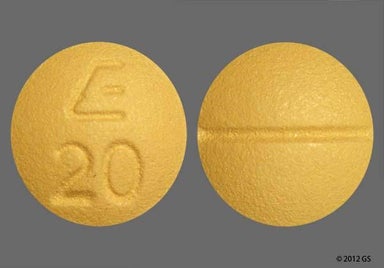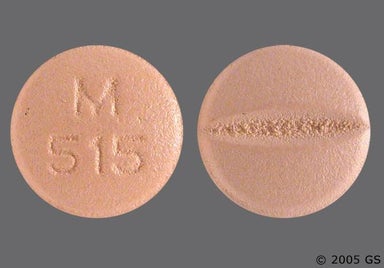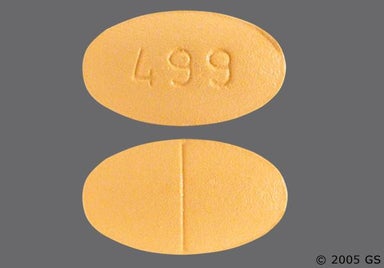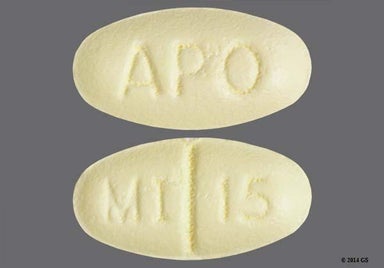
mirtazapine
Mirtazapine (Remeron) is an atypical antidepressant (or more specifically, tetracyclic antidepressant). It's used to treat major depressive disorder (MDD) in adults. Mirtazapine (Remeron) is available as an oral tablet and orally disintegrating tablet (ODT) that's taken once daily, typically at night. Some common side effects of this medication include sleepiness and dry mouth. Mirtazapine (Remeron) can also raise your appetite and put you at risk for weight gain.


What is Mirtazapine (Remeron)?
What is Mirtazapine (Remeron) used for?
- Major depressive disorder (MDD) in adults
How Mirtazapine (Remeron) works
Mirtazapine (Remeron) is a tetracyclic antidepressant. It works by raising the levels of serotonin and norepinephrine in your brain, which are important chemicals involved with regulating your mood.
Drug facts
More on Mirtazapine (Remeron) essentials


Side effects of Mirtazapine (Remeron)
The following side effects may get better over time as your body gets used to the medication. Let your healthcare provider know immediately if you continue to experience these symptoms or if they worsen over time.
Common Side Effects
- Sleepiness (54%)
- Dry mouth (25%)
- Feeling more hungry (17%)
- Constipation (13%)
- Weight gain (12%)
- Weakness (8%)
- Dizziness (7%)
Less Common Side Effects
- Strange dreams or thoughts
- Flu-like symptoms
- Confusion
- Muscle pain
- Shaky hands (tremor)
- Swelling in the hands or feet
- Urinating more often
Mirtazapine (Remeron) serious side effects
Contact your healthcare provider immediately if you experience any of the following.
- Suicidal thoughts or behaviors
- Serotonin syndrome: fast heart rate, dizziness, sweating, flushing, tremor (shakiness), muscle stiffness, muscle twitching or spasms, uncoordinated movement, distress, seizures, hallucinations, coma
- Abnormal heart rhythm (QT prolongation): chest pounding, short of breath, chest pain, feeling faint or lightheaded
- Seizures
- Serious allergic and skin reactions: hives, rash, blisters, swelling of the lips or tongue, difficulty breathing, skin reddening, blisters, rash
- Low blood sodium levels: nausea, fatigue, headache, confusion, disoriented, hallucinations (seeing things that aren't real), seizures, unconsciousness
More on Mirtazapine (Remeron) side effects

The following Mirtazapine (Remeron) side effects have also been reported
Along with its needed effects, a medicine may cause some unwanted effects. Although not all of these side effects may occur, if they do occur they may need medical attention.
Check with your doctor immediately if any of the following side effects occur:
Less common
Decreased or increased movement
mood or mental changes, including abnormal thinking, agitation, anxiety, confusion, and feelings of not caring
shortness of breath
skin rash
swelling
Rare
Change in menstrual cycle (periods)
convulsions (seizures)
decreased sexual ability
mood or mental changes, including anger, feelings of being outside the body, hallucinations (seeing, hearing, or feeling things that are not there), mood swings, and unusual excitement
mouth sores
sore throat, chills, or fever
Some side effects may occur that usually do not need medical attention. These side effects may go away during treatment as your body adjusts to the medicine. Also, your health care professional may be able to tell you about ways to prevent or reduce some of these side effects. Check with your health care professional if any of the following side effects continue or are bothersome or if you have any questions about them:
Other side effects not listed may also occur in some patients. If you notice any other effects, check with your healthcare professional.
Call your doctor for medical advice about side effects. You may report side effects to the FDA at 1-800-FDA-1088.

Get your GoodRx coupon

Pros and cons of Mirtazapine (Remeron)
Pros
- Taken by mouth once daily
- Available as a dissolvable tablet for those who can't swallow pills
- Less likely to cause sexual side effects compared SSRIs
- Available as a lower-cost generic
Cons
- Can take up to 2 months before you feel the the full benefits
- More likely than other antidepressants to cause weight gain
- Can cause sleepiness
- Risk of withdrawal symptoms if you suddenly stop taking it

Pharmacist tips for Mirtazapine (Remeron)

- If you're taking the mirtazapine (Remeron) dissolvable tablet (ODT), make sure your hands are dry before touching the medication. Peel off the foil backing, and remove the tablet from the blister card. Don't try to push the tablet through the foil; this can damage the medication. Place the tablet on the tongue to let it dissolve, and swallow with saliva.
- You can take mirtazapine (Remeron) with or without food. But some people experience nausea with mirtazapine (Remeron). Nausea typically happens when you first start the medication or when your prescriber raises your dose. If you have nausea, taking mirtazapine (Remeron) with food might help.
- It's best to take mirtazapine (Remeron) at night because it can make you sleepy and dizzy. Don't drive or do anything requiring concentration until you know how this medication affects you. Also, avoid alcohol because this can make sleepiness and dizziness worse.
- Take mirtazapine (Remeron) exactly as prescribed to you. Don't change your dose or suddenly stop taking mirtazapine (Remeron) without talking to your healthcare professional (HCP) first. Doing so can cause bothersome withdrawal symptoms like nausea, headache, and sleeping problems. Follow your prescriber's instructions to lower your dose slowly over a period of time to stop the medication completely.
- Mirtazapine (Remeron) can raise your blood cholesterol levels, raise your appetite, and cause weight gain. It's important that you work with your prescriber to come up with a plan for a healthy and balanced diet and maintain a regular exercise routine while taking mirtazapine (Remeron).
- Antidepressant medications, like mirtazapine (Remeron), might put you at higher risk for thoughts of self-harm, especially in people younger than 24 years old. Contact your healthcare team right away if you or your loved ones notice any new or worsening changes in your behavior or mood while taking the medication.
- Mirtazapine (Remeron) interacts with a lot of commonly used medications, such as warfarin (Coumadin), benzodiazepines, and other antidepressants. Make sure to tell your prescriber and pharmacist about all of the medications you're taking, including prescription, over-the-counter, vitamins, and supplements, before starting mirtazapine (Remeron).
- Let your obstetrician gynecologist (OB-GYN) know if you're pregnant or thinking of becoming pregnant. There isn't enough information to know whether mirtazapine (Remeron) is safe to take during pregnancy. Your healthcare team can talk with you about options for treating depression during pregnancy.
- Talk with your OB-GYN if you're considering breastfeeding. Research shows that mirtazapine (Remeron) can get into breastmilk, but it's unclear whether this amount will cause harm to breastfed babies. Your OB-GYN can recommend safer options to treat depression if you're nursing.

Common questions about Mirtazapine (Remeron)
You might notice an improvement in your mood after taking mirtazapine (Remeron) for 2 weeks. But you'll likely need to take this medication for about 1 to 2 months to experience the maximum benefit. Keep in mind that when you start mirtazapine (Remeron) for the first time, your psychiatrist will have you try a lower dose to minimize side effects. If needed, they'll raise your dose every 1 to 2 weeks, so it might take some time before you find a dose that works best for your symptoms. Contact your psychiatrist if you're not sure if mirtazapine (Remeron) is working, but don't suddenly stop taking the medication because doing so can lead to withdrawal symptoms like upset stomach, trouble sleeping, and anxiety.
No, mirtazapine (Remeron) isn't a selective serotonin reuptake inhibitor (SSRI); it's an atypical antidepressant known as a tetracyclic antidepressant. Mirtazapine (Remeron) works similarly well in treating depression compared to SSRIs. But some evidence suggests that people who take mirtazapine (Remeron) might notice their symptoms improve more quickly than people who take a SSRI. And in terms of side effects, mirtazapine (Remeron) is more likely to cause weight gain and sleepiness compared to SSRIs, but less likely to cause nausea, vomiting, or sexual problems. Talk with your psychiatrist if you need help deciding which antidepressant is most appropriate for you.
Mirtazapine (Remeron) is only FDA-approved to treat depression. But it can cause sleepiness as a side effect. In fact, mirtazapine (Remeron) is more likely to cause drowsiness compared to many other common antidepressants. HCPs might consider mirtazapine (Remeron) off-label to help with trouble sleeping (insomnia) if first-choice medications haven't worked well. The American Academy of Sleep Medicine (AASM) lists mirtazapine (Remeron) as an option for insomnia in people who have depression. Talk to a member of your care team if you have more questions about mirtazapine (Remeron) and its role with sleep.
Yes, mirtazapine (Remeron) is more likely to cause weight gain than many other antidepressants. To lower your risk for weight gain while taking mirtazapine (Remeron), talk to your care team about ways to plan balanced and nutritious meals with lean proteins, whole-grains, fruits, and vegetables. They can also help build a regular exercise routine that's appropriate for you. You can also ask your psychiatrist about antidepressants that are less likely to cause weight gain.
Mirtazapine (Remeron) can interact with some medications and foods. For example, you shouldn't take mirtazapine (Remeron) at the same time as or within 14 days of a monoamine oxidase inhibitor (MAOI). Taking these medications together can raise the risk of a serious and life-threatening side effect called serotonin syndrome. Another example is that you should avoid drinking alcohol while taking mirtazapine (Remeron). Doing so can not only worsen side effects of mirtazapine (Remeron) (e.g., dizziness, drowsiness), but also worsen symptoms of depression as well. Ask your healthcare team if you have questions on any specific interaction.
It takes about 4 to 8 days for most of mirtazapine (Remeron) to leave your body after a dose. This time frame is estimated based on the half-life of mirtazapine (Remeron). But this timeframe may differ from person to person based on other factors, such as their age or whether they have liver problems. Talk with your healthcare team if you have specific concerns about how long this medication might stay in your body.
No, mirtazapine (Remeron) isn't a controlled substance because it isn't known to have a risk of addiction or dependence.

How to save using GoodRx


Risks and warnings for Mirtazapine (Remeron)
Mirtazapine (Remeron) can cause some serious health issues. This risk may be even higher for certain groups. If this worries you, talk to your doctor or pharmacist about other options.
Worsening depression, suicidal thoughts, and unusual behavior
- Risk factors: Age under 24 years old | History of depression or other mental health conditions
 Taking antidepressant medications, including mirtazapine (Remeron), can sometimes raise the risk of thoughts of suicide or harming yourself. If you or anyone around you notice that you have suicidal thoughts or unusual behavior (e.g., anxiety, panic attacks, difficulty sleeping, feeling angry or irritated, restlessness) while taking mirtazapine (Remeron), get medical help right away.
Higher risk of infection (from low white blood cell count)
Although rare, a few people who took mirtazapine (Remeron) in clinical trials reported low white blood cell (WBC) counts and symptoms of infections. This happened within the first 2 months of treatment. Their WBC levels returned to normal after they stopped taking mirtazapine (Remeron). Let your prescriber know if you develop any signs of infection, such as fever, tiredness, chills, cough, or trouble breathing. They might need to check your WBC count and make changes to your mirtazapine (Remeron) treatment.
Serotonin syndrome
- Risk factors: Taking other medications that raise serotonin levels in your brain
Some people taking mirtazapine (Remeron) have developed a rare, but potentially life-threatening, condition called serotonin syndrome. This condition happens where there's too much serotonin in the brain. Your risk for serotonin syndrome is higher if you use mirtazapine (Remeron) with other medications that can raise your serotonin levels, such as certain antidepressants, mental health medications, pain medications, and migraine medications. You can't take mirtazapine (Remeron) at the same time or within 2 weeks of stopping a monoamine oxidase inhibitor (MAOI). Let your prescriber know about all the medications you take before starting mirtazapine (Remeron). Get medical help right away if you experience symptoms of serotonin syndrome, such as fast heart rate, sweating, muscle stiffness or spasms, fever, and confusion.
Withdrawal
- Risk factors: Stopping mirtazapine (Remeron) suddenly
Stopping mirtazapine (Remeron) suddenly can cause withdrawal symptoms such as nausea, anxiety, agitation, flu-like symptoms, trouble sleeping, and dizziness. If you want to or need to stop taking mirtazapine (Remeron), ask your healthcare professional (HCP) how to do so safely over time. Never try to stop mirtazapine (Remeron) on your own and without the supervision of your HCP.
Not for bipolar disorder
Depression can be a symptom for bipolar disorder. If you're at risk for bipolar disorder, taking antidepressants, like mirtazapine (Remeron), can trigger mania or hypomania. Before starting mirtazapine (Remeron), your HCP will check to see if you have or are at risk for bipolar disorder. Mirtazapine (Remeron) isn't used to treat bipolar depression. Talk to your HCP right away if you or your loved ones notice unusual changes in your behavior, such as racing thoughts, restlessness, getting easily distracted, or unusual talkativeness.
Glaucoma
- Risk factors: History of angle-closure glaucoma
Mirtazapine (Remeron) can lead to or worsen angle-closure glaucoma. You might need to see your optometrist regularly and get eye exams to check your eyes and make sure your vision isn't worsening. Contact your prescriber or optometrist if you notice changes in your vision after starting mirtazapine (Remeron).
Life-threatening abnormal heart rhythm (QT prolongation)
- Risk factors: Low blood potassium or magnesium levels | Older age | Kidney problems | History of heart problems, slow heart rate, or other abnormal heart rhythms (arrhythmias) | Personal or family history of long QT syndrome | Taking other medications that cause QT prolongation
Mirtazapine (Remeron) can affect your heart rhythm, which can be serious and life-threatening. One example includes lengthening the time period from when the heart pumps and then relaxes. This is known as QT prolongation. Your risk is higher if you have certain factors, including abnormal electrolyte levels, heart rhythm problems, or are taking other medications that cause heart rhythm problems, such as amiodarone (Pacerone) and ciprofloxacin (Cipro), among others. To lower your risk, your psychiatrist or primary care provider might periodically monitor your heart and perform electrocardiograms (EKGs) to make sure your heart rhythm is normal. If you feel your chest pounding, have shortness of breath, have chest pain, or feel faint or lightheaded while taking mirtazapine (Remeron), call 911 right away.
Severe allergic and skin reactions
Severe allergic reactions to mirtazapine (Remeron) are possible, including life-threatening reactions, like facial swelling and anaphylaxis. Let your HCP know if you have an allergy to antibiotics. Additionally, although rare, mirtazapine (Remeron) can also cause serious skin reactions, such as Drug Reaction with Eosinophilia and Systemic Symptoms (DRESS syndrome). If you notice hives, rash, red skin, swelling of the lips or tongue, difficulty breathing, or changes in your skin, such as rash, blisters, skin reddening, or skin peeling, stop taking mirtazapine (Remeron) and get medical attention right away.
Difficulty concentrating and extreme sleepiness
- Risk factors: Taking high doses of mirtazapine (Remeron) | Age 65 years or older | Drinking alcohol | Taking other medications that can cause sleepiness
Mirtazapine (Remeron) can cause extreme sleepiness and lower your ability to think, react, and focus. Make sure you know how this medication affects you before driving a car or doing activities that require your concentration. Tell your prescriber if you're taking other medications that make you sleepy (e.g., benzodiazepines, anxiety medications, muscle relaxants, sleep medications). Talk to your HCP right away if you feel too sleepy from taking mirtazapine (Remeron).
Seizures
- Risk factors: History of seizures | Health conditions that make it easier to get seizures
Mirtazapine (Remeron) can potentially cause seizures. Before starting this medication, let your healthcare professional know if you have a history of seizures or have a medical condition that puts you at risk for getting seizures.
Low blood sodium levels
- Risk factors: Older people | Taking diuretic medications
Mirtazapine (Remeron) can cause low sodium levels in your blood. Your risk is higher if you're an older adult, taking a water pill, or are not drinking enough water throughout the day. Make sure to stay hydrated while taking mirtazapine (Remeron). Your psychiatrist might closely monitor your blood sodium levels before and during treatment with mirtazapine (Remeron). Get medical help right away if you experience weakness, confusion, difficulty concentrating, headache, or memory problems because these could be signs of low blood sodium levels, which is a medical emergency.
Caution use in people with phenylketonuria (PKU) - orally disintegrating tablets only
The orally disintegrating tablets (ODTs) contain phenylalanine, a component of the artificial sweetener aspartame. If you have a genetic condition called phenylketonuria (PKU), taking the ODTs can be dangerous for you. Let your prescriber know if you have PKU so they can prescribe a different formulation of mirtazapine (Remeron) that might be safer for you.

Mirtazapine (Remeron) dosage


Typical dosage for Mirtazapine (Remeron)
Mirtazapine (Remeron) is available as oral tablets taken by mouth and orally dissolving tablets (ODTs) that are dissolved on the tongue and swallowed.
- Adults: The typical starting dose is 15 mg once daily, typically in the evening. Your psychiatrist might raise your dose every 1 to 2 weeks, depending on how well the medication is working to treat your depression symptoms. The maximum recommended dose is 45 mg once daily.
More on Mirtazapine (Remeron) dosage


Interactions between Mirtazapine (Remeron) and other drugs
More on Mirtazapine (Remeron) interactions

Although certain medicines should not be used together at all, in other cases two different medicines may be used together even if an interaction might occur. In these cases, your doctor may want to change the dose, or other precautions may be necessary. When you are taking this medicine, it is especially important that your healthcare professional know if you are taking any of the medicines listed below. The following interactions have been selected on the basis of their potential significance and are not necessarily all-inclusive.
Using this medicine with any of the following medicines is not recommended. Your doctor may decide not to treat you with this medication or change some of the other medicines you take.
- Bepridil
- Bromopride
- Cisapride
- Dronedarone
- Fluconazole
- Furazolidone
- Iproniazid
- Isocarboxazid
- Linezolid
- Mesoridazine
- Methylene Blue
- Moclobemide
- Nialamide
- Phenelzine
- Pimozide
- Piperaquine
- Posaconazole
- Procarbazine
- Rasagiline
- Safinamide
- Selegiline
- Sparfloxacin
- Terfenadine
- Thioridazine
- Tranylcypromine
- Ziprasidone
Using this medicine with any of the following medicines is usually not recommended, but may be required in some cases. If both medicines are prescribed together, your doctor may change the dose or how often you use one or both of the medicines.
- Alfentanil
- Alfuzosin
- Almotriptan
- Alprazolam
- Amineptine
- Amiodarone
- Amisulpride
- Amitriptyline
- Amitriptylinoxide
- Amoxapine
- Amphetamine
- Anagrelide
- Anileridine
- Apalutamide
- Apomorphine
- Aripiprazole
- Aripiprazole Lauroxil
- Arsenic Trioxide
- Asenapine
- Astemizole
- Atazanavir
- Azithromycin
- Bedaquiline
- Bentazepam
- Benzhydrocodone
- Benzphetamine
- Boceprevir
- Bromazepam
- Brompheniramine
- Buprenorphine
- Buserelin
- Buspirone
- Butorphanol
- Carbamazepine
- Ceritinib
- Chlordiazepoxide
- Chloroquine
- Chlorpheniramine
- Chlorpromazine
- Ciprofloxacin
- Citalopram
- Clarithromycin
- Clobazam
- Clofazimine
- Clomipramine
- Clonazepam
- Clonidine
- Clorazepate
- Cloxazolam
- Clozapine
- Cobicistat
- Cocaine
- Codeine
- Conivaptan
- Crizotinib
- Cyclobenzaprine
- Dabrafenib
- Dasatinib
- Degarelix
- Delamanid
- Delorazepam
- Desipramine
- Deslorelin
- Desvenlafaxine
- Deutetrabenazine
- Dextroamphetamine
- Dextromethorphan
- Diazepam
- Dibenzepin
- Difenoxin
- Dihydrocodeine
- Diphenoxylate
- Disopyramide
- Dofetilide
- Dolasetron
- Domperidone
- Donepezil
- Doxepin
- Droperidol
- Duloxetine
- Ebastine
- Efavirenz
- Eletriptan
- Encorafenib
- Entrectinib
- Enzalutamide
- Eribulin
- Erythromycin
- Escitalopram
- Estazolam
- Ethylmorphine
- Famotidine
- Felbamate
- Fenfluramine
- Fentanyl
- Fingolimod
- Flecainide
- Flunitrazepam
- Fluoxetine
- Flurazepam
- Fluvoxamine
- Formoterol
- Foscarnet
- Fosphenytoin
- Frovatriptan
- Galantamine
- Gatifloxacin
- Gemifloxacin
- Glasdegib
- Gonadorelin
- Goserelin
- Granisetron
- Halazepam
- Halofantrine
- Haloperidol
- Histrelin
- Hydrocodone
- Hydromorphone
- Hydroquinidine
- Hydroxychloroquine
- Hydroxytryptophan
- Hydroxyzine
- Ibutilide
- Idelalisib
- Iloperidone
- Imipramine
- Indinavir
- Inotuzumab Ozogamicin
- Itraconazole
- Ivabradine
- Ivosidenib
- Ketazolam
- Ketobemidone
- Ketoconazole
- Lapatinib
- Lasmiditan
- Lenvatinib
- Leuprolide
- Levofloxacin
- Levomilnacipran
- Levorphanol
- Lisdexamfetamine
- Lithium
- Lofepramine
- Lofexidine
- Lopinavir
- Loprazolam
- Lorazepam
- Lorcaserin
- Lormetazepam
- Lumacaftor
- Lumefantrine
- Macimorelin
- Medazepam
- Mefloquine
- Melitracen
- Meperidine
- Metaclazepam
- Metaxalone
- Methadone
- Methamphetamine
- Methotrimeprazine
- Metronidazole
- Midazolam
- Mifepristone
- Milnacipran
- Mitotane
- Mizolastine
- Moricizine
- Morphine
- Morphine Sulfate Liposome
- Moxifloxacin
- Nafarelin
- Nalbuphine
- Naratriptan
- Nefazodone
- Nelfinavir
- Nicomorphine
- Nilotinib
- Nitrazepam
- Nordazepam
- Norfloxacin
- Nortriptyline
- Octreotide
- Ofloxacin
- Olanzapine
- Ondansetron
- Opipramol
- Opium
- Opium Alkaloids
- Osilodrostat
- Osimertinib
- Oxaliplatin
- Oxazepam
- Oxycodone
- Oxymorphone
- Paliperidone
- Palonosetron
- Panobinostat
- Papaveretum
- Papaverine
- Paregoric
- Paroxetine
- Pasireotide
- Pazopanib
- Pentamidine
- Pentazocine
- Perphenazine
- Phenytoin
- Pimavanserin
- Pinazepam
- Pipamperone
- Piritramide
- Pitolisant
- Prazepam
- Probucol
- Procainamide
- Prochlorperazine
- Promethazine
- Propafenone
- Protriptyline
- Quazepam
- Quetiapine
- Quinidine
- Quinine
- Ranolazine
- Remifentanil
- Remimazolam
- Ribociclib
- Rifampin
- Risperidone
- Ritonavir
- Rizatriptan
- Saquinavir
- Selpercatinib
- Sertindole
- Sertraline
- Sevoflurane
- Sibutramine
- Siponimod
- Sodium Phosphate
- Sodium Phosphate, Dibasic
- Sodium Phosphate, Monobasic
- Solifenacin
- Sorafenib
- Sotalol
- St John's Wort
- Sufentanil
- Sulpiride
- Sultopride
- Sumatriptan
- Sunitinib
- Tacrolimus
- Tamoxifen
- Tapentadol
- Telaprevir
- Telavancin
- Telithromycin
- Temazepam
- Tetrazepam
- Tianeptine
- Tilidine
- Tolterodine
- Toremifene
- Tramadol
- Trazodone
- Triazolam
- Triclabendazole
- Trimipramine
- Triptorelin
- Tryptophan
- Vandetanib
- Vardenafil
- Vemurafenib
- Venlafaxine
- Vilanterol
- Vilazodone
- Vinflunine
- Voriconazole
- Vorinostat
- Vortioxetine
- Warfarin
- Zolmitriptan
- Zotepine
- Zuclopenthixol
Using this medicine with any of the following medicines may cause an increased risk of certain side effects, but using both drugs may be the best treatment for you. If both medicines are prescribed together, your doctor may change the dose or how often you use one or both of the medicines.

How much does Mirtazapine (Remeron) cost?

Mirtazapine (Remeron) contraindications
Contraindications are specific health conditions or situations in which a person should not take a medication due to safety concerns. If you have any of the following conditions or if any of the following apply to you, let your healthcare provider know because Mirtazapine (Remeron) will not be safe for you to take.
- Currently taking or have taken an MAOI, linezolid (Zyvox), or methylene blue (ProvayBlue) in the last 14 days

What are alternatives to Mirtazapine (Remeron)?

News about Mirtazapine (Remeron)








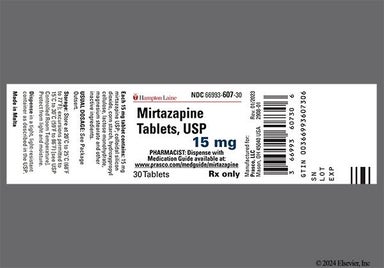
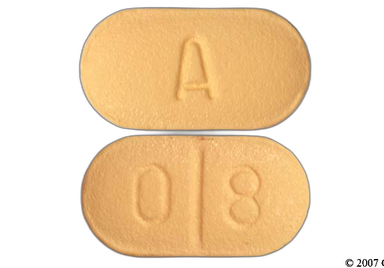
Mirtazapine (Remeron) images