



Heart Attack Medications: What You May Need After Myocardial Infarction
Your cardiologist may prescribe statins and other medications after a heart attack. Here’s a list of heart attack medications for myocardial infarction.
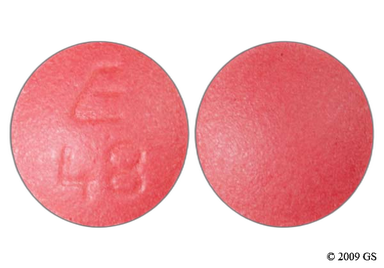
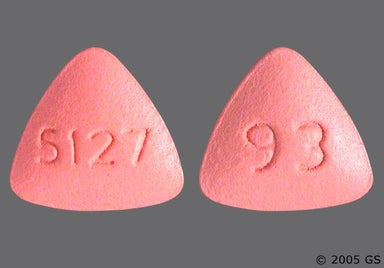
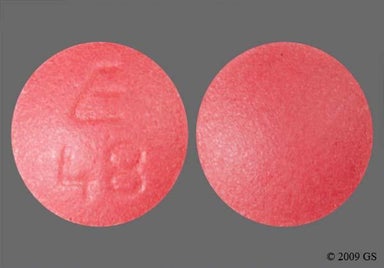
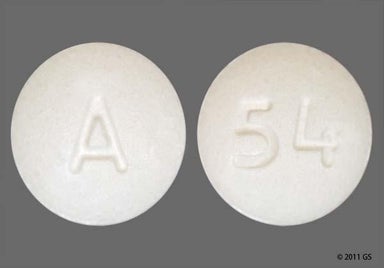
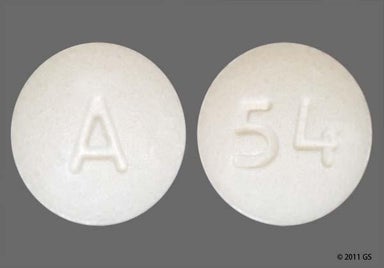
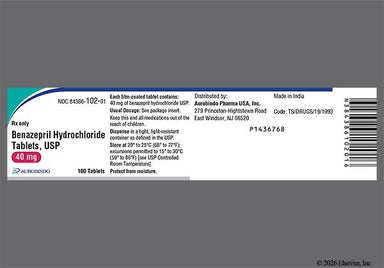
Benazepril, also known as the brand name Lotensin, is used to lower blood pressure in people 6 years and older. It's a type of blood pressure medication called an angiotensin-converting enzyme inhibitor, or ACE inhibitor. Benazepril (Lotensin) comes as tablets. You take your dosage by mouth either once or twice daily. Common side effects include headache, cough, and dizziness.

Benazepril (Lotensin) is an angiotensin-converting enzyme (ACE) inhibitor. It works by blocking your body from making angiotensin II, a hormone that tightens your blood vessels. This helps your blood vessels relax so your blood pressure goes down.
| Common Brands | Lotensin |
|---|---|
| Drug Class | ACE inhibitor |
| Controlled Substance Classification | Not a controlled medication |
| Generic Status | Lower-cost generic available |
| Availability | Prescription only |

The following side effects may get better over time as your body gets used to the medication. Let your healthcare provider know immediately if you continue to experience these symptoms or if they worsen over time.
Contact your healthcare provider immediately if you experience any of the following.
Along with its needed effects, a medicine may cause some unwanted effects. Although not all of these side effects may occur, if they do occur they may need medical attention.
Check with your doctor immediately if any of the following side effects occur:
Less common
Chills
cold sweats
confusion
dizziness, faintness, or lightheadedness when getting up suddenly from a lying or sitting position
unusual tiredness or weakness
Incidence not known
Arm, back, or jaw pain
blistering, peeling, or loosening of the skin
bloating or swelling of the face, arms, hands, lower legs, or feet
chest pain or discomfort
fast, irregular, pounding, or racing heartbeat or pulse
feeling of warmth
general feeling of tiredness or weakness
joint or muscle pain
large, hive-like swelling on the face, eyelids, lips, tongue, throat, hands, legs, feet, or sex organs
rapid breathing
rapid weight gain
red skin lesions, often with a purple center
red, irritated eyes
redness of the face, neck, arms, and occasionally, upper chest
skin rash
sores, ulcers, or white spots in the mouth or on the lips
sweating
tingling of the hands or feet
unusual weight gain or loss
Some side effects may occur that usually do not need medical attention. These side effects may go away during treatment as your body adjusts to the medicine. Also, your health care professional may be able to tell you about ways to prevent or reduce some of these side effects. Check with your health care professional if any of the following side effects continue or are bothersome or if you have any questions about them:
More common
Headache
Other side effects not listed may also occur in some patients. If you notice any other effects, check with your healthcare professional.
Call your doctor for medical advice about side effects. You may report side effects to the FDA at 1-800-FDA-1088.




Benazepril (Lotensin) can cause some serious health issues. This risk may be even higher for certain groups. If this worries you, talk to your doctor or pharmacist about other options.
Benazepril (Lotensin) can cause severe and sometimes life-threatening harm to an unborn baby if it's taken during pregnancy. This can include serious birth defects and complications. The risk is higher if you take this medication during the second or third trimester.
Because of this risk, avoid taking benazepril (Lotensin) while pregnant. If you become pregnant, stop taking this medication and let your prescriber know right away. They'll help you switch to a treatment that's safer for you and your baby.
Angioedema can happen at any time while you're taking benazepril (Lotensin). It causes swelling in different parts of the body, like the face, throat, and tongue. Swelling can also happen in the arms, legs, and gut. The risk is higher if you're Black.
Angioedema can be life-threatening, particularly if it causes your throat or tongue to swell. This is because it can make it hard to breathe. When swelling happens in the gut, you might have stomach pain with or without nausea or vomiting.
Stop taking benazepril (Lotensin) and get medical help right away if you have trouble breathing, swelling of the face or tongue, or stomach pain. These can be signs of angioedema. The medical team can help manage these symptoms.
Benazepril (Lotensin) can help protect the kidneys for some people. But in some cases, it can make kidney problems worse. The risk is higher for people who are dehydrated or who have certain health conditions, like a blockage of the kidney artery (renal artery stenosis) or severe heart failure.
Your prescriber might order lab tests every so often to make sure your kidneys are working well while you're taking benazepril (Lotensin). If the results show any problems, your prescriber will decide what to do next. Tell your care team if you notice you're urinating less than usual. This could be a sign that your kidneys aren't working as well and your care team can check out what's going on.
Sometimes, benazepril (Lotensin) can cause your blood pressure to drop too much. Low blood pressure can make you feel dizzy, tired, or lightheaded. This can happen especially when you first start the medication and when your dose gets raised.
Stay well hydrated while taking benazepril (Lotensin). This can help make sure your blood pressure doesn't drop too low. Lie down if you feel dizzy or feel like you're about to faint. Hold onto something when you get up and stand up slowly. Tell your care team if you feel dizzy, lightheaded, tired, or confused often while taking this medication.
Very rarely, benazepril (Lotensin) can cause your potassium levels to get too high. This can sometimes be dangerous. Your risk is higher if you have diabetes or kidney problems. The chance is also greater if you take other medications that also raise potassium levels, such as potassium supplements or some water pills (diuretics).
Let your prescriber know about your medical history and the medications you take before starting benazepril (Lotensin). They can check your risk of high potassium levels.
Your prescriber might check your potassium levels periodically during treatment. Call your care team if you feel nauseous, muscle weakness, numbness, tingling, or an irregular heartbeat while taking this medication. These can be signs of high potassium levels.
Although rare, ACE inhibitors like benazepril (Lotensin) have been linked to liver problem. It can start with yellowing of your skin or the whites of your eyes. But it can sometimes lead to more serious liver failure. Your prescriber might order blood tests to check your liver health from time to time during treatment.
While taking benazepril (Lotensin), let your care team know if you start to have stomach pain or yellow skin or eyes. These can be signs of liver problems.

 Tablet
| Dosage | Quantity | Price as low as | Price per unit |
|---|---|---|---|
| 5mg | 30 tablets | $11.57 | $0.39 |
| 10mg | 90 tablets | $21.12 | $0.23 |
| 20mg | 90 tablets | $20.14 | $0.22 |
| 40mg | 30 tablets | $9.00 | $0.30 |
Adults: The typical starting dose is 10 mg by mouth once daily. For people who take a water pill, the typical starting dose of benazepril (Lotensin) is 5 mg by mouth once daily. Your prescriber will adjust your dose based on how well the medication is working. The usual maintenance dose ranges from 20 mg to 40 mg, once daily or split into two even doses taken twice daily.
Children ages 6 years and older: The prescriber will determine the dose based on your child's body weight. The typical starting dose is 0.2 mg/kg taken by mouth once daily. If needed, your child's prescriber will raise their dose slowly over time. The maximum dose is 0.6 mg/kg (up to 40 mg) once daily.
Your dose might differ if you have kidney problems.

Although certain medicines should not be used together at all, in other cases two different medicines may be used together even if an interaction might occur. In these cases, your doctor may want to change the dose, or other precautions may be necessary. When you are taking this medicine, it is especially important that your healthcare professional know if you are taking any of the medicines listed below. The following interactions have been selected on the basis of their potential significance and are not necessarily all-inclusive.
Using this medicine with any of the following medicines is not recommended. Your doctor may decide not to treat you with this medication or change some of the other medicines you take.
Using this medicine with any of the following medicines is usually not recommended, but may be required in some cases. If both medicines are prescribed together, your doctor may change the dose or how often you use one or both of the medicines.
Using this medicine with any of the following medicines may cause an increased risk of certain side effects, but using both drugs may be the best treatment for you. If both medicines are prescribed together, your doctor may change the dose or how often you use one or both of the medicines.


Contraindications are specific health conditions or situations in which a person should not take a medication due to safety concerns. If you have any of the following conditions or if any of the following apply to you, let your healthcare provider know because Benazepril (Lotensin) will not be safe for you to take.












Prescription savings
Stop paying too much for your prescriptions. Compare prices, get pharmacy coupons, and save up to 80%. Find expert answers to your health questions so you can make the best decisions for yourself and your family.
Health conditions
Medications & treatment
Access & affordability
Medication discounts

To be safe, don't cut Benazepril tablets unless a healthcare professional says it's okay. The manufacturer doesn't say if you can cut the tablets or not. But most Benazepril tablets don't have a score line to help you cut them safely and evenly. If you have trouble swallowing the tablets, talk to your pharmacist. They can help safely make a liquid from the tablets so that you can drink the medication instead.
It takes about 2 days for Benazepril to fully leave your system. This is based on the medication's half-life, or the time it takes for half the medication to clear from your body. If you have severe kidney problems, the medication might stay in the body longer. This is because the kidneys help remove it from the body. If you have questions about how long Benazepril stays in your system, ask your prescriber.
No, Benazepril isn't a beta blocker. Instead, it's a different type of medication called an ACE inhibitor. Beta blockers and ACE inhibitors work in different ways to lower blood pressure.
It's not common, but some people have had hair loss while taking Benazepril. It's not clear if the medication is the cause for this side effect. If you notice more hair falling out than usual, tell your care team. They can help you figure out what might be causing it and recommend ways to manage your hair loss.
In studies, people didn't report changes in heart rate while taking Benazepril. If you notice your heart rate feels different or you feel tired, dizzy, or short of breath, speak to a healthcare professional. They can help figure out what's going on.
Avoid getting up too fast after sitting or lying down when you first start Benazepril and when you start a higher dose. This helps prevent you from getting dizzy while your body gets used to the medication. Also, avoid alcohol or limit how much you drink. Drinking regularly can raise your blood pressure. And, don't take other ACE inhibitors, angiotensin receptor blockers (ARBs), or Entresto (sacubitril / valsartan) with this medication. Otherwise, it can raise your risk of harm. Share your medication list with your care team to check for interactions. Also ask your prescriber before taking potassium supplements or using salt substitutes. Talk to your care team about what else you should avoid while taking Benazepril.
Yes. You can take Benazepril and amlodipine (Norvasc) together if you're prescribed both. They're both first-choice medications for blood pressure. They work in different ways, so your prescriber might have you take both if one isn't enough to manage your blood pressure. There's even a combination pill called Lotrel (amlodipine / benazepril) that has both medications. Ask your prescriber if taking both is right for you.
No. Benazepril and lisinopril (Zestril) are both ACE inhibitors. They work in the same way to lower blood pressure. But how often you take the medications could be different. You can take Benazepril once daily or you can split your dose in half and take it twice daily. But you usually take lisinopril (Zestril) once a day. Another difference is what other medical conditions they can treat. Both medications are approved to lower blood pressure. But lisinopril (Zestril) is also used to help treat heart failure and lower the risk of death after a heart attack. Talk to a healthcare professional to compare between the two.
