



What’s the Best Laxative or Stool Softener to Take for Constipation?
Learn about the best laxatives and stool softeners for constipation, plus other tips for treating constipation.
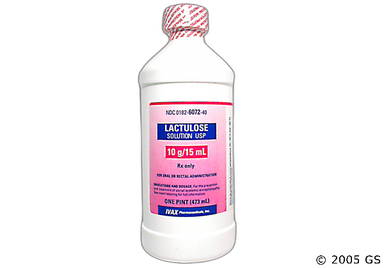
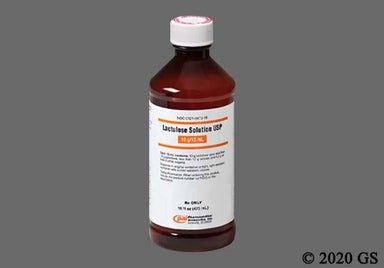
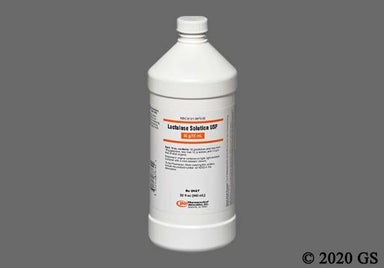
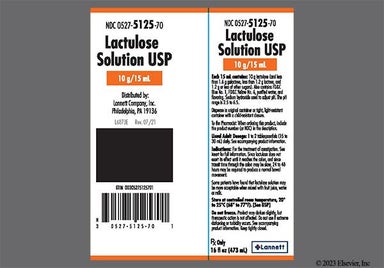
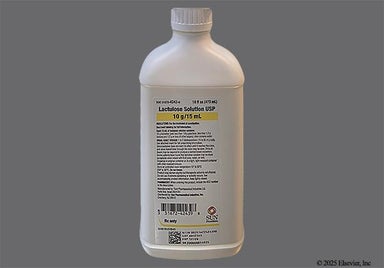
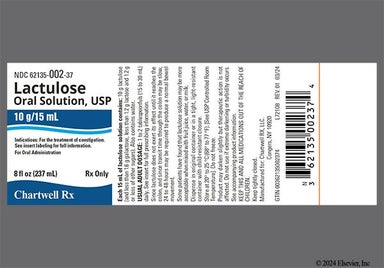
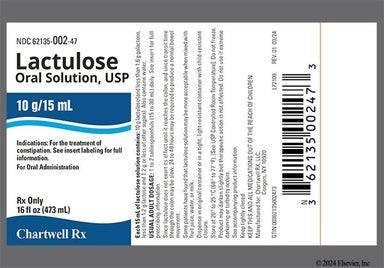
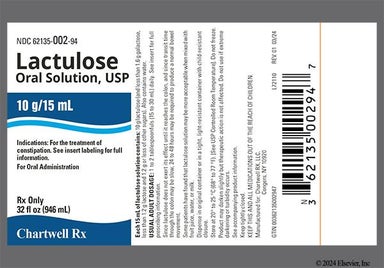
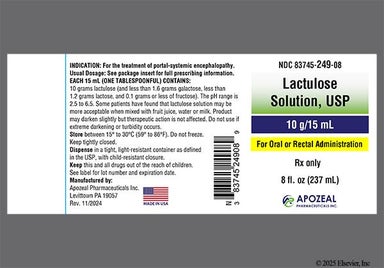
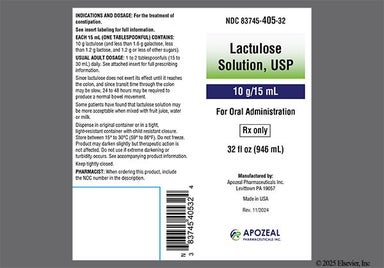
Lactulose (Constulose) is a liquid osmotic laxative. It's used to help relieve constipation in adults. This medication is taken by mouth, typically once daily. Once you start treatment, it can take up to two days before you have a bowel movement. Some common side effects of lactulose (Constulose) include stomach pain and passing gas. There's a separate version of lactulose used for symptoms of a liver problem called hepatic encephalopathy.

Lactulose (Constulose) is an osmotic laxative. It eases constipation by drawing more fluid into the gut. This helps soften the stool and makes it easier to pass.
| Common Brands | Constulose |
|---|---|
| Drug Class | Osmotic laxative |
| Controlled Substance Classification | Not a controlled medication |
| Generic Status | Lower-cost generic available |
| Availability | Prescription only |

The following side effects may get better over time as your body gets used to the medication. Let your healthcare provider know immediately if you continue to experience these symptoms or if they worsen over time.
Along with its needed effects, a medicine may cause some unwanted effects. Although not all of these side effects may occur, if they do occur they may need medical attention.
Check with your doctor as soon as possible if any of the following side effects occur:
For bulk-forming-containing
Difficulty in breathing
intestinal blockage
skin rash or itching
swallowing difficulty (feeling of lump in throat)
For hyperosmotic-containing
Confusion
dizziness or light-headedness
irregular heartbeat
muscle cramps
unusual tiredness or weakness
For stimulant-containing
Confusion
irregular heartbeat
muscle cramps
pink to red, red to violet, or red to brown coloration of alkaline urine (for cascara, danthron, and/or senna only)
skin rash
unusual tiredness or weakness
yellow to brown coloration of acid urine (for cascara, and/or senna only)
For stool softener (emollient)-containing
Skin rash
Some side effects may occur that usually do not need medical attention. These side effects may go away during treatment as your body adjusts to the medicine. Also, your health care professional may be able to tell you about ways to prevent or reduce some of these side effects. Check with your health care professional if any of the following side effects continue or are bothersome or if you have any questions about them:
For lubricant-containing
Skin irritation surrounding rectal area
For stool softener (emollient)-containing
Stomach and/or intestinal cramping
throat irritation (liquid forms only)
Other side effects not listed may also occur in some patients. If you notice any other effects, check with your healthcare professional.
Call your doctor for medical advice about side effects. You may report side effects to the FDA at 1-800-FDA-1088.




Lactulose (Constulose) can cause some serious health issues. This risk may be even higher for certain groups. If this worries you, talk to your doctor or pharmacist about other options.
Lactulose (Constulose) can make you dehydrated which can affect your body's mineral levels. Electrolytes (minerals), such as sodium, potassium, and calcium, have many important functions in the body. Your healthcare professional (HCP) might want to check these regularly while you're taking lactulose (Constulose), especially if you’re older in age or have been taking lactulose (Constulose) for a long period of time. Call your HCP right away if you feel extremely thirsty, tired, or confused because these are signs that lactulose (Constulose) might be making you dehydrated and affecting your electrolyte levels.
Be mindful that lactulose (Constulose) contains galactose and lactose, which are both forms of sugar. If you have high blood sugar, it's best to check your blood sugar levels regularly while taking lactulose (Constulose). Limited research show that lactulose (Constulose) doesn't seem to cause a spike in blood sugar, but you're still recommended to check your blood sugar levels just in case.
If you're planning to have a colonoscopy or a rectal exam, let your healthcare team know you're taking lactulose (Constulose). Your HCP might have you take different medications to clean out your gut before your exam.


Although certain medicines should not be used together at all, in other cases two different medicines may be used together even if an interaction might occur. In these cases, your doctor may want to change the dose, or other precautions may be necessary. When you are taking any of these medicines, it is especially important that your healthcare professional know if you are taking any of the medicines listed below. The following interactions have been selected on the basis of their potential significance and are not necessarily all-inclusive.
Using medicines in this class with any of the following medicines is not recommended. Your doctor may decide not to treat you with a medication in this class or change some of the other medicines you take.
Using medicines in this class with any of the following medicines is usually not recommended, but may be required in some cases. If both medicines are prescribed together, your doctor may change the dose or how often you use one or both of the medicines.


Contraindications are specific health conditions or situations in which a person should not take a medication due to safety concerns. If you have any of the following conditions or if any of the following apply to you, let your healthcare provider know because Lactulose (Constulose) will not be safe for you to take.





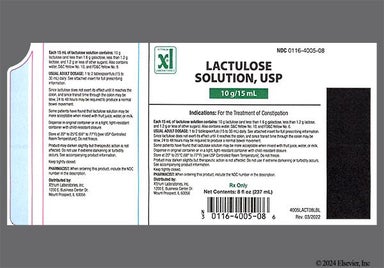
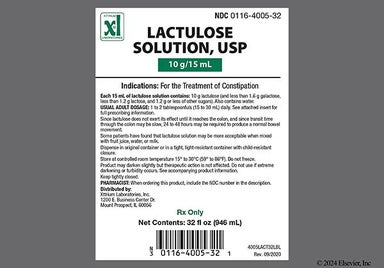
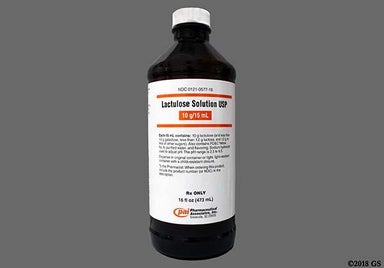

Prescription savings
Stop paying too much for your prescriptions. Compare prices, get pharmacy coupons, and save up to 80%. Find expert answers to your health questions so you can make the best decisions for yourself and your family.
Health conditions
Medications & treatment
Access & affordability
 Our monthly healthcare membership can help you save thousands on your prescription costs.
Resources

It can take Lactulose 1 to 2 days to work and make you have a bowel movement. This is because Lactulose doesn’t start to work until it reaches your gut. If you need constipation relief more quickly, ask your prescriber about faster options.
No, Lactulose is only available with a prescription from your healthcare professional (HCP). There are, however, many OTC treatment options for constipation available. Talk with your HCP or pharmacist about the best option for you.
Weight gain isn't a commonly-reported side effect of Lactulose. Some people reported feeling bloated and gassy, which might cause you to feel fuller. If you have concerns about your weight or are uncomfortable with side effects of this medication, speak with your prescriber.
Lactulose doesn't really get absorbed into your system after you take a dose. Lactulose passes through your gut and gets broken down by bacteria in the intestines. You can expect most of it to clear from your system after you have a bowel movement in 1 or 2 days.
Though rare, you might experience diarrhea after taking Lactulose. Typically, this happens when you take more than what's prescribed. For this reason, only take Lactulose as directed. Your prescriber will have you try a lower dose at first and only raise the dose if you haven't had relief. If you experience diarrhea after taking Lactulose, it's important to stay hydrated by drinking enough water or fluids. But get medical help right away if you continue to have diarrhea and experience symptoms of dehydration, such as dizziness and weakness.
You can store Lactulose in the fridge or at room temperature. Don't freeze this medication. If the solution happens to get too cold, it might become solid. If this happens, set it out at room temperature and it will become liquid again.
Lactulose and polyethylene glycol (Miralax) are both osmotic laxatives that treat constipation, but they're not the same. One main difference is that Lactulose is available by prescription only, while polyethylene glycol (Miralax) can be found over the counter. Another difference is people typically have a bowel movement within 2 days of taking Lactulose, but it might take up to 3 days to have a bowel movement after taking Lactulose. Lastly, polyethylene glycol (Miralax) is less likely to cause side effects than Lactulose, so healthcare professionals (HCPs) might recommend polyethylene glycol (Miralax) over Lactulose. Talk with your HCP if you've more questions about the differences of these medications.
