









5 Foods to Avoid When Taking Carvedilol (and Other Beta Blockers)
Beta blockers treat hypertension. When taking a beta blocker like carvedilol, it’s best to avoid foods that may counteract or interfere with the medication.
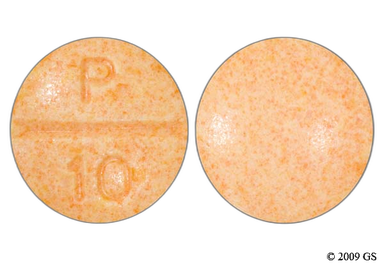
Propranolol is a non-selective beta blocker. It helps with a range of medical conditions, including high blood pressure, tremors, and migraine prevention. Sometimes, providers prescribe propranolol off-label to ease performance anxiety. You take this medication by mouth, typically 1 to 4 times daily, depending on if you're taking the immediate-release (IR) or extended-release (ER) medication. Keep in mind the IR and ER versions don't treat the same medical conditions. Some of the more common side effects of propranolol include dizziness, tiredness, or weakness.

Propranolol is a non-selective beta blocker. This type of medication slows down your heart rate and relaxes blood vessels to treat conditions such as high blood pressure and chest pain.
| Common Brands | Inderal LA, Inderal XL, Innopran XL |
|---|---|
| Drug Class | Beta blocker |
| Controlled Substance Classification | Not a controlled medication |
| Generic Status | Lower-cost generic available |
| Availability | Prescription only |

The following side effects may get better over time as your body gets used to the medication. Let your healthcare provider know immediately if you continue to experience these symptoms or if they worsen over time.
Contact your healthcare provider immediately if you experience any of the following.
Along with its needed effects, a medicine may cause some unwanted effects. Although not all of these side effects may occur, if they do occur they may need medical attention.
Check with your doctor immediately if any of the following side effects occur:
Incidence not known
Abdominal or stomach pain and tenderness
black, tarry stools
blistering, peeling, or loosening of the skin
blood in the urine
bloody nose
bloody stools
blurred or loss of vision
body aches or pain
burning, crawling, itching, numbness, prickling, "pins and needles", or tingling feelings
chest pain or discomfort
confusion about identity, place, and time
congestion
cracks in the skin
crying
decreased awareness or responsiveness
decreased urine output
depersonalization
difficulty with swallowing
dilated neck veins
disturbed color perception
dizziness, faintness, or lightheadedness when getting up suddenly from a lying or sitting position
double vision
dryness or soreness of the throat
dysphoria
euphoria
extreme fatigue
fast, pounding, slow, or irregular heartbeat
fever and chills
general feeling of discomfort, illness, or weakness
halos around lights
headaches
heavier menstrual periods
hoarseness
irregular breathing
lightheadedness, dizziness, or fainting
loss of heat from the body
mental depression
mimicry of speech or movements
muscle or joint pain
mutism
negativism
night blindness
noisy breathing
overbright appearance of lights
paleness or cold feeling in the fingertips and toes
paranoia
peculiar postures or movements, mannerisms, or grimacing
pinpoint red or purple spots on the skin
puffiness or swelling of the eyelids or around the eyes, face, lips, or tongue
quick to react or overreact emotionally
rapidly changing moods
rectal bleeding
red skin lesions, often with a purple center
red, irritated eyes
red, swollen skin
reddening of the skin, especially around the ears
seeing, hearing, or feeling things that are not there
severe sleepiness
short-term memory loss
skin irritation or rash, including rash that looks like psoriasis
sores, ulcers, or white spots in the mouth or on the lips
sweating
swelling of the eyes, face, fingers, feet, or lower legs
swollen glands
tender, swollen glands in the neck
tightness in the chest
tingling or pain in fingers or toes when exposed to cold
tunnel vision
unusual bleeding or bruising
unusual tiredness or weakness
voice changes
vomiting
Some side effects may occur that usually do not need medical attention. These side effects may go away during treatment as your body adjusts to the medicine. Also, your health care professional may be able to tell you about ways to prevent or reduce some of these side effects. Check with your health care professional if any of the following side effects continue or are bothersome or if you have any questions about them:
More common
in children
hyperventilation
irritability
restlessness
shaking
sleepiness or unusual drowsiness
trouble sleeping
unusual dreams
Less common
in children
Decreased appetite
Other side effects not listed may also occur in some patients. If you notice any other effects, check with your healthcare professional.
Call your doctor for medical advice about side effects. You may report side effects to the FDA at 1-800-FDA-1088.




Propranolol can cause some serious health issues. This risk may be even higher for certain groups. If this worries you, talk to your doctor or pharmacist about other options.
Don’t stop taking propranolol suddenly as this might raise your risk of chest pain or heart attack. Some common symptoms of a heart attack include chest pain and tightness, pain that spreads to arms and neck, shortness of breath, lightheadedness, and fatigue. If you need to stop taking propranolol for any reason, let your healthcare provider know. They can work with you to lower your dose safely over time (which typically occurs over a few weeks).
People with heart failure shouldn't take propranolol if their heart failure symptoms aren’t well-managed. That’s because this medication can make your condition worse. But you might be able to take propranolol if your healthcare provider thinks your symptoms are under controlled. Keep in mind that, though rare, sometimes taking a beta-blocker, like propranolol over time might lead to heart failure even in people without this condition. Let your healthcare provider know right away if you experience symptoms of heart failure, such as fluid build-up in different areas of the body including the ankles, legs, and lungs, and difficulty breathing.
Taking propranolol can make it difficult for you to identify symptoms of low blood sugar, such as fast heart beat or tremors. If you’re taking medications, like glipizide or insulin, to lower your blood sugar, you might not be able to rely on all the typical symptoms of low blood sugar (e.g., irritability, sight tremors, confusion, and fast heartbeat) to warn you of a dangerous drop in your sugar levels. Sweating might be the only symptom not affected by taking propranolol. Speak with your healthcare provider about when and how to monitor your blood sugar if you start propranolol.
If you have hyperthyroidism (overactive thyroid), talk to your healthcare provider before stopping propranolol. Because propranolol lowers your heart rate, it may be harder to notice heart-related symptoms that are caused by hyperthyroidism. In some people, stopping this medication suddenly may lead to a condition called a "thyroid storm,” which may include symptoms such as a high temperature, rapid heartbeat, and fainting.
Propranolol can cause the vessels in your lung to tighten. This can make breathing difficult, especially in people with breathing problems, like asthma or chronic obstructive pulmonary disease (COPD). Propranolol might also cause certain medications taken to ease these conditions to not work as well. Let your doctor know if you have any breathing problems before starting propranolol.
In some rare cases, propranolol can cause skin rashes that are serious or even life-threatening. If you notice a severe skin rash appear suddenly while taking this medication, call your healthcare provider right away.
Both beta-blockers and medications used for anesthesia can lower your heart rate. So, if you’re planning to undergo a major surgery that requires anesthesia, tell your surgeon that you’re on propranolol so that they can monitor your heart closely.

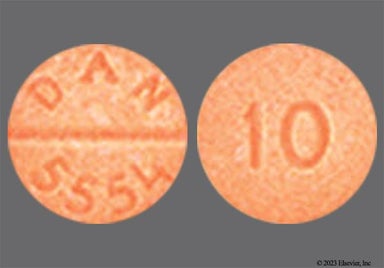
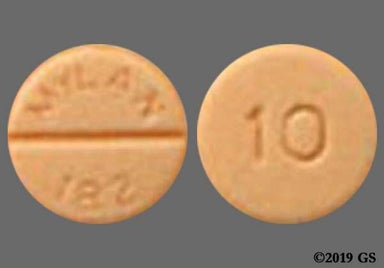
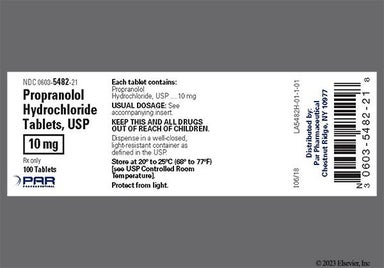
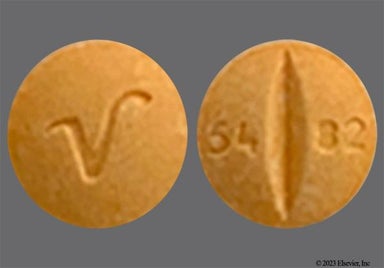
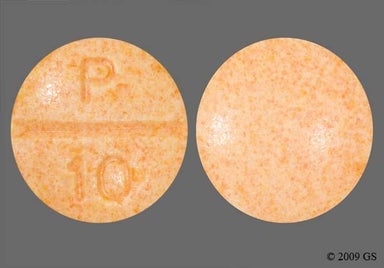
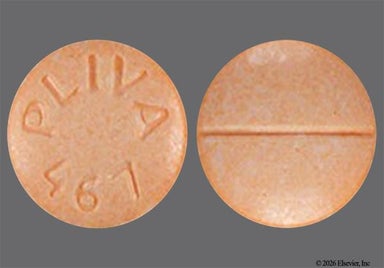
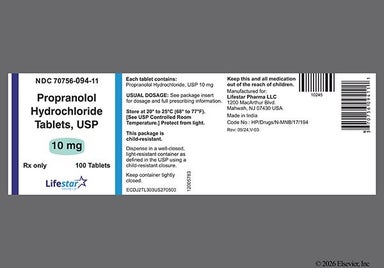
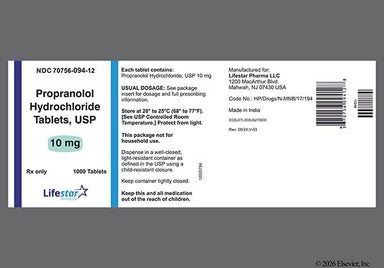
Generic propranolol tablets, propranolol oral solution:
Propranolol (Inderal LA) extended-release capsules Propranolol extended-release is also available as Inderal XL and Innopran XL that are approved to treat high blood pressure only.

Although certain medicines should not be used together at all, in other cases two different medicines may be used together even if an interaction might occur. In these cases, your doctor may want to change the dose, or other precautions may be necessary. When you are taking this medicine, it is especially important that your healthcare professional know if you are taking any of the medicines listed below. The following interactions have been selected on the basis of their potential significance and are not necessarily all-inclusive.
Using this medicine with any of the following medicines is not recommended. Your doctor may decide not to treat you with this medication or change some of the other medicines you take.
Using this medicine with any of the following medicines is usually not recommended, but may be required in some cases. If both medicines are prescribed together, your doctor may change the dose or how often you use one or both of the medicines.
Using this medicine with any of the following medicines may cause an increased risk of certain side effects, but using both drugs may be the best treatment for you. If both medicines are prescribed together, your doctor may change the dose or how often you use one or both of the medicines.


Contraindications are specific health conditions or situations in which a person should not take a medication due to safety concerns. If you have any of the following conditions or if any of the following apply to you, let your healthcare provider know because Propranolol will not be safe for you to take.











Prescription savings
Stop paying too much for your prescriptions. Compare prices, get pharmacy coupons, and save up to 80%.Resources
About GoodRx
 Find expert answers to your health questions so you can make the best decisions for yourself and your family.
Health conditions
Medications & treatment
Access & affordability
Well-being
Medication discounts

How long the effects of Propranolol last depends on whether you're taking the immediate-release (IR) version or the extended-release (ER) version, your dose, and what condition you're taking it to treat. For example, if you're taking Propranolol IR you'll typically need to take it 2 to 4 times a day. But if you're taking Propranolol ER, you'll typically take it just once daily.
Propranolol is sometimes prescribed off-label to help with performance-related anxiety (e.g., anxiety before public speaking). Propranolol won't necessarily help you feel less nervous, but it might ease some of the physical symptoms of anxiety, such as shakiness, fast heartbeat, and sweaty hands. Talk with your provider if you've more questions about Propranolol and anxiety.
If your provider prescribes Propranolol to you off-label for anxiety, they'll let you know how and when you should take it. Typically, you might start to feel its effects within a few hours after a dose.
Some people might experience weight gain from taking Propranolol. People who experience this side effect typically gain 5 pounds or less. To lower your risk of weight gain while taking Propranolol, try to eat a healthy diet and keep up with a regular exercise routine. Please contact your provider if you notice sudden weight gain within a short period of time. This could be a sign of heart failure, a rare but potentially serious side effect of Propranolol.
Yes, sleepiness is one of the more common side effects of Propranolol. This is because Propranolol lowers your blood pressure and slows your heart rate, which can make you feel more tired or light-headed. To lower your risk of sleepiness, try to exercise regularly and get plenty of rest. The sleepiness should get better over time, as your body adjusts to the medication. If you continue to feel very tired or sleepy after taking Propranolol for several weeks, let your provider know.
Some side effects of Propranolol, such as tiredness or dizziness, tend to go away as your body gets used to the medication. If appropriate, your provider can help you ease these side effects by lowering your Propranolol dose or suggesting lifestyle changes. But there are other side effects of Propranolol that might stay with you as long as you're taking this medication. For example, based on how Propranolol works in the body, taking Propranolol can make it difficult for you to identify symptoms of low blood sugar levels (e.g., fast heartbeat, tremors). You might not experience physical symptoms of this side effect, but the risk is always there. If you've blood sugar problems, your provider might recommend that you check your blood sugar levels more often when you're taking Propranolol.
Yes, Propranolol lowers blood pressure. But it might not be a first-choice medication for lowering blood pressure depending on your age, race, and what other medical conditions you have. If you've questions about Propranolol and blood pressure, talk with your provider.
Drinking alcohol can worsen certain side effects of Propranolol, like dizziness. If possible, you're recommended to avoid drinking alcohol while taking Propranolol. But if it’s difficult for you to avoid alcohol completely, speak with your healthcare provider about limiting how much to drink. They can recommend an amount that might be safer for you.
