



What Is the Best Psoriasis Treatment for You?
Whether your psoriasis is moderate or severe, there are many treatment options. Browse over-the-counter medications, biologics, and other psoriasis treatments.
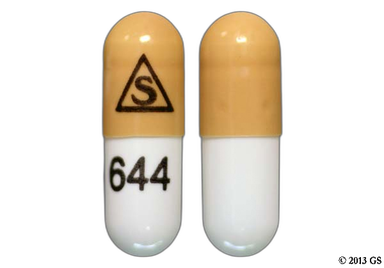
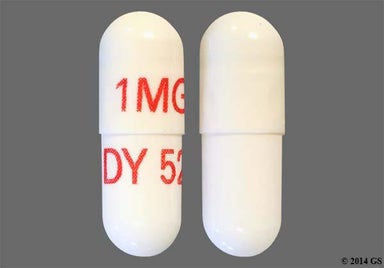
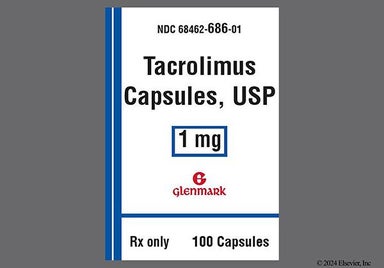
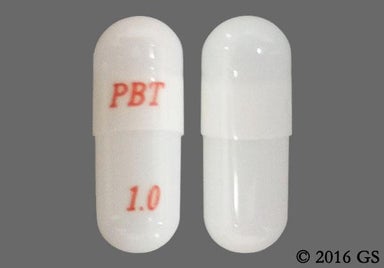
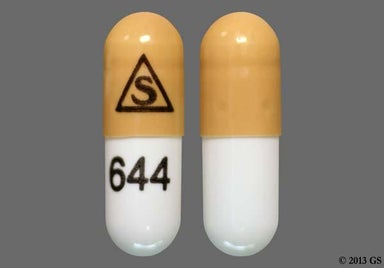
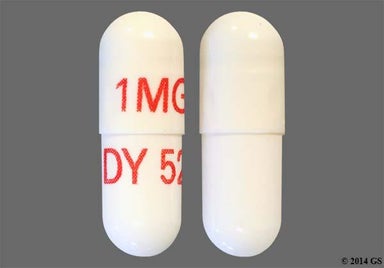
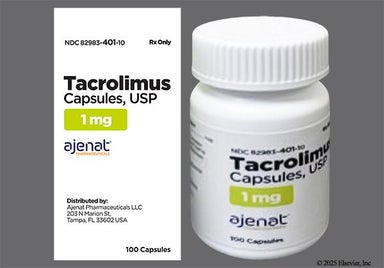
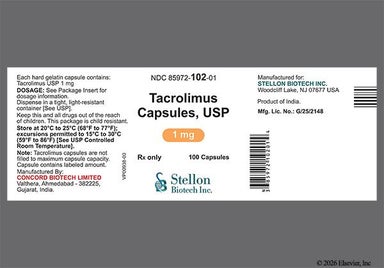
Tacrolimus (Prograf) is a medication used to prevent organ rejection after an organ transplant. The immediate-release (IR) capsules are available as a lower-cost generic medication, whereas the IR granules (Prograf) and extended-release (ER) capsules (Astagraf XL) are only available as brand-name medications. Tacrolimus (Prograf) is taken by mouth, typically twice daily. Your provider will check your tacrolimus level through blood work and adjust your dose if needed. Common side effects of tacrolimus (Prograf) include tremors, headache, diarrhea, and nausea.

Prevention of organ transplant rejection, including:
Tacrolimus (Prograf) is a calcineurin inhibitor. It works as an immunosuppressant, which lowers the activity of your immune system. You need a weakened immune system after receiving an organ transplant so your body doesn't reject the new organ.
| Common Brands | Prograf, Astagraf XL |
|---|---|
| Drug Class | Immunosuppressant |
| Controlled Substance Classification | Not a controlled medication |
| Generic Status | Lower-cost generic available |
| Availability | Prescription only |

The following side effects may get better over time as your body gets used to the medication. Let your healthcare provider know immediately if you continue to experience these symptoms or if they worsen over time.
Please note: These side effects were reported by adults taking tacrolimus (Prograf) and Imuran (azathioprine) for kidney transplant.
Contact your healthcare provider immediately if you experience any of the following.
Along with its needed effects, a medicine may cause some unwanted effects. Although not all of these side effects may occur, if they do occur they may need medical attention.
Check with your doctor immediately if any of the following side effects occur:
Incidence not known
Agitation
black, tarry stools
bloody urine
burning or stinging sensation of the face
change in size, shape, or color of an existing mole
coma
confusion
convulsions
decreased frequency or amount of urine
general feeling of illness
growth or bump on skin
hostility
increase in bone pain
increased blood pressure
increased thirst
irritability
lethargy
looks very ill
loss of appetite
loss of bladder control
lower back or side pain
mole that leaks fluid or bleeds
muscle spasm or jerking of all extremities
muscle twitching
new mole
rapid weight gain
red rash with watery, yellow-colored, or pus filled blisters
redness of the face
seizures
small, red skin lesion, growth, or bump usually on the face, ears, neck, hands, or arms
sore that will not heal
spider-like blood vessels on the face
stupor
sudden loss of consciousness
swelling of the face, ankles, lower legs, hands, or fingers
swollen glands
thick, yellow to honey-colored crusts
unusual tiredness or weakness
vomiting
yellow skin and eyes
Some side effects may occur that usually do not need medical attention. These side effects may go away during treatment as your body adjusts to the medicine. Also, your health care professional may be able to tell you about ways to prevent or reduce some of these side effects. Check with your health care professional if any of the following side effects continue or are bothersome or if you have any questions about them:
More common
general aches and pains
headache
itching skin—in children
loss of appetite
skin burning
skin flushing in areas of ointment application when drinking alcohol
weakness
Less common
Acid or sour stomach
back pain
belching
burning, itching, or pain in hairy areas
chills
cyst
flushing
increased sensitivity to sunlight
increased skin sensitivity
indigestion
itching eyes
joint pain
muscle aches or pain
pain in the eye
pain or tenderness around the eyes and cheekbones
pus at root of the hair
rash
redness in the eye
severe skin rash or hives
skin blisters—in children
skin tingling
stomach discomfort, upset, or pain
swelling of the eye, eyelid, or inner lining of the eyelid
swollen glands
tightness of the chest
troubled breathing or wheezing
watery eyes
Other side effects not listed may also occur in some patients. If you notice any other effects, check with your healthcare professional.
Call your doctor for medical advice about side effects. You may report side effects to the FDA at 1-800-FDA-1088.



Generic IR tacrolimus and Prograf
Astagraf XL

Tacrolimus (Prograf) can cause some serious health issues. This risk may be even higher for certain groups. If this worries you, talk to your doctor or pharmacist about other options.
 People taking immunosuppressants, including tacrolimus (Prograf), are at higher risk of certain blood or skin cancers. The risk is higher if you take immunosuppressants for a longer period of time. If you had a history of skin cancer or have been told that you're at higher risk of skin cancer, make sure to limit or avoid sun exposure during treatment with tacrolimus (Prograf). Wear protective clothing or sunscreen when outside, even on overcast days. Examine your skin regularly for unusual-looking markings or spots.
 In some rare cases, people who had a transplant can develop post-transplant lymphoproliferative disorder (PTLD), which is a condition that causes your white blood cells to multiply too quickly. This can lead to lymphoma (lymph node cancer). The risk is higher for people who had a history of mono. Let your provider know immediately if you have symptoms of skin or lymph node cancers, such as abnormal skin growth, swollen lymph nodes, belly pain, fever, or persistent fatigue.
Immunosuppressants, such as tacrolimus (Prograf), can lower your ability to fight infections. Serious infections, including kidney infections, mono, liver infections, or brain infections, have been reported by people taking this medication. Your provider will monitor you for signs and symptoms of infection before and during treatment to make sure tacrolimus (Prograf) is safe for you. Let your provider know if you have developed an infection while taking this medication. Watch out for symptoms of fever, chills, sweat, belly pain, nausea, vomiting, dark urine, or general weakness.
One study found that females who took Astagraf XL after a liver transplant were at higher risk of sudden death than those taking tacrolimus (Prograf) IR. Keep in mind that Astagraf XL is only FDA-approved for kidney transplant and shouldn't be used for other indications unless directed by your provider.
Taking tacrolimus (Prograf) after a kidney, liver, or heart transplant can sometimes raise your blood sugar levels. If your blood sugar isn't well-controlled, this can lead to diabetes. Let your provider know if you have symptoms like confusion, feeling sleepy, unusual thirst or hunger, passing urine more often, flushing, fast breathing, or breath that smells like fruit. Your provider might ask you to check your blood sugar regularly to make sure this medication is safe for you.
People taking tacrolimus (Prograf) can sometimes experience sudden or ongoing kidney problems. These problems can raise your potassium levels or uric acid levels, which can lead to serious heart palpitations, gout or kidney stone. You’ll need to get lab work done regularly while you take tacrolimus (Prograf) so your provider can make sure this medication is safe for you. If you or your child experiences belly pain, chest pain, or are urinating less often, talk with your provider right away. You might need to stop or lower the dose of tacrolimus (Prograf) for a short period of time to prevent kidney problems.
Tacrolimus (Prograf) can cause different nerve problems, including tremors and headache. It can also make it harder for you to concentrate or remember things. In some serious cases, taking tacrolimus (Prograf) can lead to delirium, seizure, and coma. While you're taking this medication, let your provider know if you notice any changes in mood, problems with speech, or trouble with movement. Make sure to get blood work done regularly so your provider can make sure this medication is safe for you.
Tacrolimus (Prograf) can raise your blood pressure by causing your body to hold onto more salt and water. This can lead to new or worsen existing blood pressure problems. You're recommended to check your blood pressure regularly while using tacrolimus (Prograf). In some cases, your provider might ask you to take medications to lower your blood pressure. Note that certain blood pressure medications, such as lisinopril (Zestril) and diltiazem (Cardizem), can raise your potassium levels or cause more sides effects with tacrolimus (Prograf). For that reason, always let your provider know what medications you're taking during treatment with tacrolimus (Prograf).
Tacrolimus (Prograf) can affect your heart rhythm, which can be serious and life-threatening. One example includes lengthening the time period from when the heart pumps and then relaxes. This is known as QT prolongation. Your risk for QT prolongation is higher if you're taking other medications, such as amiodarone (Pacerone), that cause similar problems. As a result, your provider will monitor your heart rhythm with an electrocardiogram (EKG) and your blood work during treatment with tacrolimus (Prograf). If you feel your chest pounding, have breathing problems, have chest pain, or feel faint or lightheaded while taking tacrolimus (Prograf), call 911 right away.
Additionally, tacrolimus (Prograf) can also cause your heart muscle to thicken, which can make it harder for your heart to pump blood. If you've symptoms of chest pain, trouble breathing, tiredness, or lightheadedness, let your provider know right away.
In some rare cases, people who take tacrolimus (Prograf) can develop serious blood problems, which can lower red blood cell (RBC) count and platelet count. This can put you at higher risk for bleeds or anemia. Let your provider know right away if you experience symptoms of abnormal bruising, extreme tiredness, chest palpitations, and dizziness.
In addition, people who take tacrolimus (Prograf) can develop small blood clots that can prevent blood flow to your organs, including your brain, kidneys, and heart. This can raise your risk of having a heart attack or stroke. If you have heart problems, talk to your healthcare provider before starting this medication. Call 911 or get immediate medical help if you experience chest pain, trouble breathing, weakness on one side of your body, or trouble speaking or walking.
Taking tacrolimus (Prograf) during pregnancy might raise the risk for birth defects as well as low birth weight. Because of this potential risk, this medication shouldn't be taken during pregnancy. If you're able to have a child, your provider will discuss with you about birth control options during your treatment. If you become pregnant while taking tacrolimus (Prograf), you’re encouraged to enroll in the Transplantation Pregnancy Registry. This registry collects information about your and your baby’s health during treatment with transplant medications. Learn more about this registry by calling 1-877-955-6877.
In addition, males taking tacrolimus (Prograf) can experience lower sperm counts. Make sure to discuss family planning with your transplant provider to find the best anti-rejection options for you.
Immunosuppressants, like tacrolimus (Prograf), can affect the immune system, which makes vaccines (e.g., pneumococcal vaccines) not work as well. In particular, tacrolimus (Prograf) can raise the risk of infections after receiving live vaccines. While taking this medication, avoid getting any live vaccines, such as MMR (measles, mumps, and rubella vaccine). Before your transplant, talk with a provider or pharmacist about your vaccine history to make sure all vaccines are up to date.
Some medications can interfere with how your body gets rid of tacrolimus (Prograf). This can affect the amount of tacrolimus (Prograf) in your body, how well it works, and the risk of side effects.
Taking medications like ketoconazole and itraconazole (Sporanox) can raise the amount of tacrolimus (Prograf) in your body. Your dose of tacrolimus (Prograf) might need to be lowered to prevent side effects, such as tremors, confusion, headache, and abnormal heart rhythm. Typically your provider will monitor you within 1 to 3 days of starting the medication with tacrolimus (Prograf).
Taking certain medications, like rifampin (Rifadin) or carbamazepine (Tegretol), can lower the amount of tacrolimus (Prograf) in your body and put you at risk for organ rejection. Your provider might raise your dose of tacrolimus (Prograf) during treatment with those medications.
Tacrolimus (Prograf) also shouldn't be taken with sirolimus (Rapamune), especially in people with liver or heart transplant. Doing so can raise your risk of blood clots, kidney damage, and sudden death.
Let your provider or pharmacist know what other medications you’re taking before and while taking tacrolimus (Prograf).


Although certain medicines should not be used together at all, in other cases two different medicines may be used together even if an interaction might occur. In these cases, your doctor may want to change the dose, or other precautions may be necessary. When you are taking this medicine, it is especially important that your healthcare professional know if you are taking any of the medicines listed below. The following interactions have been selected on the basis of their potential significance and are not necessarily all-inclusive.
Using this medicine with any of the following medicines is not recommended. Your doctor may decide not to treat you with this medication or change some of the other medicines you take.
Using this medicine with any of the following medicines is usually not recommended, but may be required in some cases. If both medicines are prescribed together, your doctor may change the dose or how often you use one or both of the medicines.
Using this medicine with any of the following medicines may cause an increased risk of certain side effects, but using both drugs may be the best treatment for you. If both medicines are prescribed together, your doctor may change the dose or how often you use one or both of the medicines.


Contraindications are specific health conditions or situations in which a person should not take a medication due to safety concerns. If you have any of the following conditions or if any of the following apply to you, let your healthcare provider know because Tacrolimus (Prograf) will not be safe for you to take.













Prescription savings
Stop paying too much for your prescriptions. Compare prices, get pharmacy coupons, and save up to 80%. Find expert answers to your health questions so you can make the best decisions for yourself and your family.
Health conditions
Medications & treatment
Access & affordability
Medication discounts

No, Prograf isn't a steroid; it's a calcineurin inhibitor. Your provider might prescribe Prograf along with oral steroids to calm your immune response down after an organ transplant. This helps to lower your risk of organ rejection after the transplant.
If your tacrolimus level is too high, you're at higher risk of side effects, such as nerve problems (e.g., tremors, headache), nausea, and headaches. During treatment, your provider will determine your dose of Prograf based on its level in your body. They'll order blood work regularly to make sure your Prograf level is within a safe range. Some food and medications, such as grapefruit juice and azole antifungals, can interact with Prograf and raise its level. If you're taking one of these medications, your provider will need to lower your dose of Prograf. Before starting any new medications, let your provider know so they can help you check for interactions. Talk with your provider if you have questions about Prograf levels.
One reason your Prograf level might be low is if you're taking it with certain medications that can interact. To prevent this, your provider might raise your dose of Prograf if you're taking these medications together as part of your transplant therapy. Another reason why your Prograf level might be low is food interactions. Food affects how well your body absorbs tacrolimus. You need to take certain tacrolimus formulations on an empty stomach (e.g., Astagraf XL). But you can take other formulations with or without food, as long as you're consistent (e.g., Prograf). Be sure to take tacrolimus as directed by your provider. Get your routine blood tests done on time so that your provider can adjust your dose if needed.
While Prograf can stay in your body for several days (based on its half-life) after a dose, it's very important to take your Prograf regularly everyday because it has a narrow safety window. This means that missing one dose of Prograf can cause its level to drop and raise your risk for organ rejection. If you've missed a dose of Prograf, let your care team know right away.
Stopping Prograf will raise your risk for serious problems, including sudden organ rejection, long-term organ damage, or transplant failure. If you have a hard time remembering to take your medications or you have multiple medications to keep track of, consider working your medication regimen into your daily routine or combine medications to take at the same time. Review your medication schedule with your provider or pharmacist to get the most out of your medications.
Some people have reported hair loss after taking Prograf, but hair loss isn't a common side effect. Talk to your provider if you experience hair loss after starting this medication. Your provider can help you figure out what might be causing the hair loss and recommend appropriate treatment.
