

Nausea Medications During Pregnancy: Which Are Safe to Take?
When morning sickness strikes, expecting parents need fast-acting options to stop the nausea and vomiting. Explore safe nausea medications for pregnancy here.

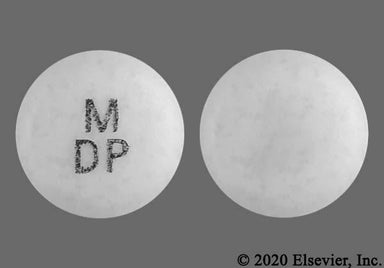
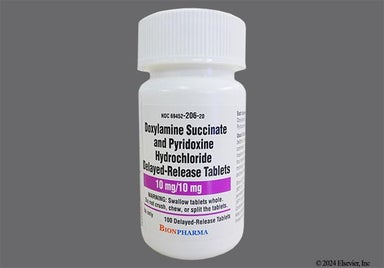
Diclegis (doxylamine / pyridoxine) helps treat morning sickness, or nausea and vomiting that people experience during pregnancy. It's typically taken when changing your diet or avoiding nausea triggers isn't enough. This medication contains an antihistamine called doxylamine and a dietary supplement called pyridoxine (also known as vitamin B6). The dosage starts at 2 tablets taken by mouth at bedtime, but it can be adjusted if you need more relief. A common side effect is sleepiness. This medication has a brand-name and generic version.

Diclegis (doxylamine / pyridoxine) is a combination of two medications that are thought to work together to relieve symptoms of morning sickness.
| Common Brands | Diclegis |
|---|---|
| Drug Class | Antihistamine / Dietary supplement |
| Controlled Substance Classification | Not a controlled medication |
| Generic Status | Lower-cost generic available |
| Availability | Prescription only |

The following side effects may get better over time as your body gets used to the medication. Let your healthcare provider know immediately if you continue to experience these symptoms or if they worsen over time.
Contact your healthcare provider immediately if you experience any of the following.
Along with its needed effects, a medicine may cause some unwanted effects. Although not all of these side effects may occur, if they do occur they may need medical attention.
Check with your doctor immediately if any of the following side effects occur:
Incidence not known
Blurred or loss of vision
burning feeling while urinating
chest discomfort
decrease in the frequency of urination
decrease in urine volume
difficult or labored breathing
difficult or painful urination
disturbed color perception
double vision
fast, irregular, pounding, or racing heartbeat or pulse
halos around lights
headache, severe and throbbing
hoarseness
irritation
joint pain, stiffness, or swelling
night blindness
overbright appearance of lights
redness of the skin
stomach distension or pain
swelling of the eyelids, face, lips, hands, or feet
tightness in the chest
troubled breathing or swallowing
tunnel vision
Some side effects may occur that usually do not need medical attention. These side effects may go away during treatment as your body adjusts to the medicine. Also, your health care professional may be able to tell you about ways to prevent or reduce some of these side effects. Check with your health care professional if any of the following side effects continue or are bothersome or if you have any questions about them:
More common
Unusual drowsiness
Incidence not known
burning, crawling, itching, numbness, prickling, "pins and needles", or tingling feelings
confusion about identity, place, and time
dizziness or lightheadedness
feeling of constant movement of self or surroundings
general feeling of discomfort or illness
headache
increased sweating
irritability
nightmares
sensation of spinning
trouble sleeping
unusual tiredness or weakness
Other side effects not listed may also occur in some patients. If you notice any other effects, check with your healthcare professional.
Call your doctor for medical advice about side effects. You may report side effects to the FDA at 1-800-FDA-1088.




Diclegis (doxylamine / pyridoxine) can cause some serious health issues. This risk may be even higher for certain groups. If this worries you, talk to your doctor or pharmacist about other options.
Diclegis (doxylamine / pyridoxine) can make you sleepy. To prevent accidental injuries, avoid driving, operating heavy machinery, or doing anything that you need concentration for while you're taking this medication until you speak with your prescriber. Discuss with them about how Diclegis (doxylamine / pyridoxine) affects your ability to think clearly and react quickly.
Diclegis (doxylamine / pyridoxine) isn't recommended if you're currently taking other medications that can make you sleepy, such as sleep or anxiety medications, or if you drink alcohol. Mixing Diclegis (doxylamine / pyridoxine) with these medications or with alcohol can lead to severe sleepiness, which can lead to falls or accidents.
Because of how Diclegis (doxylamine / pyridoxine) works and its possible side effects, this medication can worsen symptoms of some other medical conditions. These conditions can include high pressure in the eye, narrow-angle glaucoma, stomach ulcers, gut blockage, and problems with urination. Let your care team know about your full medical history before you start taking Diclegis (doxylamine / pyridoxine) so they can discuss risks and benefits.
Contact your primary care provider or care team if you notice any symptoms of your other medical conditions get worse while you're taking Diclegis (doxylamine / pyridoxine).

 Tablet
| Dosage | Quantity | Price as low as | Price per unit |
|---|---|---|---|
| 10mg/10mg | 60 tablets | $55.93 | $0.93 |

Although certain medicines should not be used together at all, in other cases two different medicines may be used together even if an interaction might occur. In these cases, your doctor may want to change the dose, or other precautions may be necessary. When you are taking this medicine, it is especially important that your healthcare professional know if you are taking any of the medicines listed below. The following interactions have been selected on the basis of their potential significance and are not necessarily all-inclusive.
Using this medicine with any of the following medicines is not recommended. Your doctor may decide not to treat you with this medication or change some of the other medicines you take.
Using this medicine with any of the following medicines is usually not recommended, but may be required in some cases. If both medicines are prescribed together, your doctor may change the dose or how often you use one or both of the medicines.


Contraindications are specific health conditions or situations in which a person should not take a medication due to safety concerns. If you have any of the following conditions or if any of the following apply to you, let your healthcare provider know because Diclegis (doxylamine / pyridoxine) will not be safe for you to take.





Prescription savings
Stop paying too much for your prescriptions. Compare prices, get pharmacy coupons, and save up to 80%.Resources
About GoodRx
 Find expert answers to your health questions so you can make the best decisions for yourself and your family.
Health conditions
Medications & treatment
Access & affordability
Well-being
Medication discounts

Diclegis isn't FDA approved for relieving nausea and vomiting in people who aren't pregnant. It's only approved for morning sickness, or nausea and vomiting that people experience when they're pregnant. Speak with a healthcare professional if you feel nauseous or are vomiting and you're not pregnant. They can recommend other medications for you. They can also recommend tips, like sticking to a bland diet for a short while to make sure you're eating without upsetting your stomach.
Yes. In fact, the American College of Obstetricians and Gynecologists (ACOG) recommends pyridoxine (also known as vitamin B6) by itself as a first-choice option for morning sickness. If you need more relief, they recommend adding on doxylamine or switching to Diclegis. If you take the two separately, a common dose is 10 mg to 25 mg of pyridoxine, with or without 12.5 mg of doxylamine, three to four times a day. You can find pyridoxine and doxylamine over the counter as single ingredients. Keep in mind that doxylamine comes as 25 mg tablets only, so you'll need to cut them in half with a pill splitter for your doses. Ask a healthcare professional about whether this option is right for you instead of Diclegis.
Not quite, but they're very similar. The brand-name medications Diclegis and Bonjesta contain the same active ingredients, doxylamine and pyridoxine (also known as vitamin B6). Diclegis tablets contain 10 mg of doxylamine and 10 mg of pyridoxine. But Bonjesta tablets contain double the amount of the ingredients (20 mg of doxylamine and 20 mg of pyridoxine). In general, you need to take less tablets with Bonjesta than with Diclegis (for example, 1 Bonjesta tablet at bedtime versus 2 Diclegis tablets at bedtime). There's also a generic version of Diclegis but not for Bonjesta. Compare the two medications and discuss with your prescriber about which option is right for you.
Each tablet of Diclegis contains 10 mg of vitamin B6 (also known as pyridoxine). There's also 10 mg of doxylamine in each tablet. Vitamin B6 and doxylamine work together to relieve morning sickness during pregnancy.
Yes. In fact, the most common side effect of Diclegis is sleepiness. It's possible for the medication to also make you feel tired. Avoid driving or doing anything that you need to concentrate for until you talk with your prescriber after you start taking Diclegis. It can be dangerous to do these things when you're sleepy and have trouble thinking clearly or reacting quickly.
No, Diclegis isn't available over the counter (OTC). You'll need to get it from a pharmacy with a prescription written by a healthcare professional.
It typically takes several hours (4 to 6 hours) for each dose of Diclegis to work to lessen nausea and vomiting during pregnancy. You first start taking the medication at bedtime so that it starts working early in the morning the next day. If you need to take the medication at additional times of the day, those extra doses would help provide relief throughout the day. In a clinical study, it took up to 2 weeks for people between 7 and 14 weeks of pregnancy who took Diclegis to notice significant improvement in their morning sickness. Ask your prescriber if you have questions about how long it's taking for Diclegis to work for you.
