



A GoodRx Guide to Narrow Therapeutic Index Drugs
With narrow therapeutic index drugs, even small changes in dosage can be dangerous. Learn more about how to protect your safety if you’re taking one of these medications.
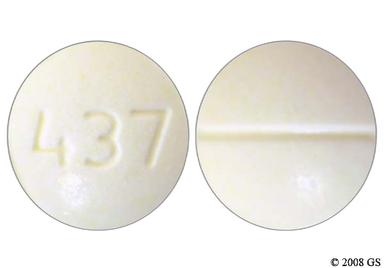
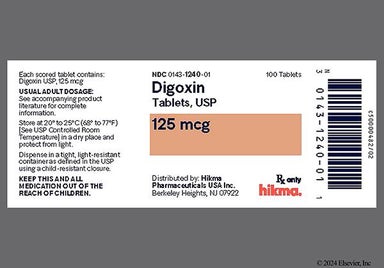
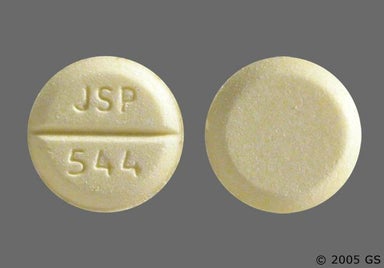
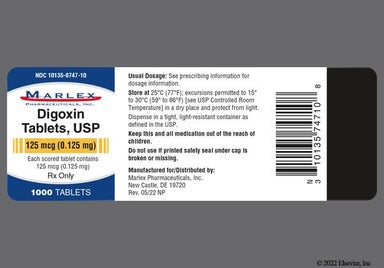
Digoxin (Lanoxin) is an antiarrhythmic medication used to treat heart failure and atrial fibrillation (AFib) in adults and children. It's taken by mouth typically once or twice daily, but the specific dosage will depend on several things like your age, weight, and blood digoxin levels. Side effects include changes in vision, stomach upset, and dizziness. There's also a risk of digoxin toxicity, which means having too much of the medication in your body. This can lead to severe side effects such as vision changes and changes to the heart rhythm.

Digoxin (Lanoxin) is a cardiac glycoside. It works by blocking a protein in your heart, which in turn causes your heart to pump more strongly with each beat. This helps people with heart failure get more blood and oxygen to the rest of their body.
Digoxin (Lanoxin) also slows down the electrical activity in the heart, which helps people with atrial fibrillation have better control on their heart rate.
| Common Brands | Lanoxin |
|---|---|
| Drug Class | Antiarrhythmic |
| Controlled Substance Classification | Not a controlled medication |
| Generic Status | Lower-cost generic available |
| Availability | Prescription only |

The following side effects may get better over time as your body gets used to the medication. Let your healthcare provider know immediately if you continue to experience these symptoms or if they worsen over time.
Contact your healthcare provider immediately if you experience any of the following.
Side effects that you should report to your care team as soon as possible:
Side effects that usually do not require medical attention (report these to your care team if they continue or are bothersome):




Digoxin (Lanoxin) can cause some serious health issues. This risk may be even higher for certain groups. If this worries you, talk to your doctor or pharmacist about other options.
Digoxin (Lanoxin) can cause abnormal heart rhythms (e.g., ventricular fibrillation, abnormally slow heart rate, and heart block), especially in people with a history of heart rate or heart rhythm problems. Some of these rhythms can be life-threatening. Make sure your provider knows your full medical history before you start on digoxin (Lanoxin). Also, if you're undergoing electrical treatment for atrial fibrillation, let your provider know because you might need to stop taking digoxin (Lanoxin) 1 or 2 days beforehand. If you experience chest pain, chest discomfort, palpitations, shortness of breath, fatigue, weakness, sweating, seek medical attention right away.
Digoxin toxicity can happen if you have too much digoxin (Lanoxin) in your body. Your provider will check your kidney function and digoxin (Lanoxin) blood levels regularly during treatment to make sure that you continue taking the right dose. If you experience nausea, vomiting, loss of appetite, changes in vision, confusion, palpitations, or abnormally slow heart rate, seek medical attention right away.
People with certain types of heart conditions should avoid digoxin (Lanoxin) due to the potential for worsening symptoms. Make sure to tell your provider about all of your health problems before starting digoxin (Lanoxin). They'll help you determine if the medication is right for you.
Digoxin (Lanoxin) won't work well if you have low calcium levels. If your calcium levels are low, your provider might suggest treatment to raise your calcium levels to a healthy level in order to get the full effect of digoxin (Lanoxin).
People with underactive thyroid usually need less digoxin (Lanoxin). On the other hand, atrial fibrillation due to overactive thyroid or metabolism won't respond well to digoxin (Lanoxin). In these cases, it's more important to fix the underlying problem that's causing the fast heart rhythm.

The dose will depend on many factors such as your body weight, kidney health, age, other medications you're taking, and the form of digoxin (Lanoxin) you're using (liquid or tablets).
Your provider will adjust your dose based on blood levels of digoxin (Lanoxin) and if you're having side effects.
Digoxin (Lanoxin) is also available as an injection that's used for people in the hospital.


Contraindications are specific health conditions or situations in which a person should not take a medication due to safety concerns. If you have any of the following conditions or if any of the following apply to you, let your healthcare provider know because Digoxin (Lanoxin) will not be safe for you to take.










Prescription savings
Stop paying too much for your prescriptions. Compare prices, get pharmacy coupons, and save up to 80%.Resources
About GoodRx
 Find expert answers to your health questions so you can make the best decisions for yourself and your family.
Health conditions
Medications & treatment
Access & affordability
Well-being
Medication discounts

Digoxin can be a dangerous medication because it has a narrow therapeutic index. This means small changes in the dose or level in the blood can cause serious and potentially life-threatening side effects. This is called digoxin toxicity and symptoms include severe irregular heart rhythms and high potassium levels. To make sure the medication is safe for you, make sure you properly follow up with your provider, getting necessary blood tests done, and taking Digoxin exactly as prescribed.
Digoxin toxicity happens when your blood Digoxin level is too high. While this can happen to anyone taking Digoxin, people at higher risk include older age, lower body weight, kidney problems, low potassium or magnesium blood levels, and taking medications that interact with digoxin. Signs and symptoms include low blood pressure, a slow heart rate, confusion, nausea, vomiting, and changes in vision. If you notice any of these, it's important to seek medical help right away for treatment.
Yes, Digoxin can slow heart rate by slowing the electrical activity in the heart. This is how Digoxin works to treat atrial fibrillation (AFib).
No, Digoxin doesn't typically affect blood pressure. So it can be a good choice for people who normally have lower blood pressure. Talk to your provider if you have more questions.
Yes, Digoxin can be taken at any time of the day, including at night. The most important thing is to be consistent and take the medication at the same time every day.
No, Digoxin isn't a beta blocker. Both Digoxin and beta blockers both lower heart rate, but they do so in different ways. It's common for people with heart failure or atrial fibrillation to take both Digoxin and a beta blocker together.
Digoxin at normal doses and healthy blood levels don't typically affect your potassium levels. But digoxin toxicity can cause low blood potassium levels (hypokalemia). To lower your risk, make sure to take Digoxin exactly as prescribed at the same time every day and regularly follow up with your provider for proper monitoring.
No, Digoxin isn't a blood thinner and doesn't raise the risk of bleeding.
