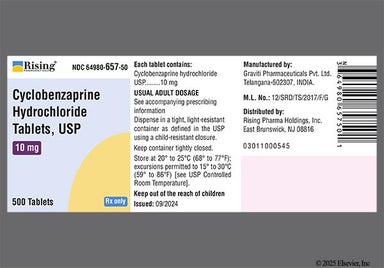
cyclobenzaprine
Cyclobenzaprine is a muscle relaxant used in addition to rest and physical therapy to treat muscle pain and discomfort. It's available as an immediate-release (IR) tablet and an extended-release (ER) capsule. Unlike other muscle relaxants, it's not considered a controlled substance. Cyclobenzaprine can make you sleepy as a side effect so it's best to avoid alcohol to prevent serious harm from combining the two together.


What is Cyclobenzaprine?
What is Cyclobenzaprine used for?
- Muscle discomfort caused by acute (not long-term) conditions
How Cyclobenzaprine works
Cyclobenzaprine is a muscle relaxant. It works in the brain to help relieve muscle spasms, pain, and tenderness.
Drug facts
More on Cyclobenzaprine essentials


Side effects of Cyclobenzaprine
The following side effects may get better over time as your body gets used to the medication. Let your healthcare provider know immediately if you continue to experience these symptoms or if they worsen over time.
Common Side Effects
Less Common Side Effects
- Diarrhea
- Blurry vision
- Irritability
- Confusion
- Nervousness
- Weakness
Cyclobenzaprine serious side effects
Contact your healthcare provider immediately if you experience any of the following.
- Severe allergic reaction: hives, trouble breathing, swelling of the face, lips, tongue, or throat
- Serotonin syndrome: fast heart rate, dizziness, sweating, fever, shakiness, muscle stiffness, muscle twitching, confusion, hallucinations, coma
- Seizures
- Abnormal heart rhythm
More on Cyclobenzaprine side effects

The following Cyclobenzaprine side effects have also been reported
Along with its needed effects, a medicine may cause some unwanted effects. Although not all of these side effects may occur, if they do occur they may need medical attention.
Check with your doctor immediately if any of the following side effects occur:
Rare
Clumsiness or unsteadiness
confusion
fainting
mental depression
problems in urinating
ringing or buzzing in the ears
skin rash, hives, or itching occurring without other symptoms of an allergic reaction listed above
unusual thoughts or dreams
yellow eyes or skin
Get emergency help immediately if any of the following symptoms of overdose occur:
Symptoms of overdose
Convulsions (seizures)
drowsiness (severe)
dry, hot, flushed skin
fast or irregular heartbeat
hallucinations (seeing, hearing, or feeling things that are not there)
increase or decrease in body temperature
troubled breathing
unexplained muscle stiffness
unusual nervousness or restlessness (severe)
vomiting (occurring together with other symptoms of overdose)
Some side effects may occur that usually do not need medical attention. These side effects may go away during treatment as your body adjusts to the medicine. Also, your health care professional may be able to tell you about ways to prevent or reduce some of these side effects. Check with your health care professional if any of the following side effects continue or are bothersome or if you have any questions about them:
More common
Blurred vision
dizziness, drowsiness, or lightheadedness
dryness of the mouth
Less common or rare
Bloated feeling or gas, indigestion, nausea or vomiting, or stomach cramps or pain
excitement or nervousness
general feeling of discomfort or illness
headache
muscle twitching
numbness, tingling, pain, or weakness in hands or feet
pounding heartbeat
problems in speaking
trembling
trouble sleeping
unpleasant taste or other taste changes
unusual muscle weakness
unusual tiredness
Other side effects not listed may also occur in some patients. If you notice any other effects, check with your healthcare professional.
Call your doctor for medical advice about side effects. You may report side effects to the FDA at 1-800-FDA-1088.

Get your GoodRx coupon

Pros and cons of Cyclobenzaprine
Pros
- Works well to relieve muscle spasms
- Available as an IR tablet and ER capsule
- Available as a lower-cost generic
- Can use if you have kidney problems
Cons
- Can make you feel dizzy and sleepy
- Only meant for short-term use (up to 2 to 3 weeks)
- Doesn't work for muscle spasms caused by brain or spinal injuries
- Might not be a good option if you're 65 years or older or have liver problems because of higher risk of side effects

Pharmacist tips for Cyclobenzaprine

- Take cyclobenzaprine with or without food, but food might help your body absorb the medication better.
- For the ER capsules: Make sure to take your dose at the same time each day so the levels of cyclobenzaprine in your body stay consistent. Swallow the capsule whole. If you have trouble swallowing, you can open the capsule and sprinkle the contents inside the capsule onto a tablespoon of applesauce. Then, swallow it right away without chewing.
- You should only use cyclobenzaprine for short periods of time (up to 2 to 3 weeks). There isn't enough information to know if longer use has benefits. If you have chronic (long-term) muscle spasms, there might be a better alternative for you.
- A common side effect of cyclobenzaprine is dry mouth. Chewing sugar-free gum or sucking on ice can help with this. There are also special mouthwashes and lozenges available at your local pharmacy that can help.
- Cyclobenzaprine can affect your ability to focus and concentrate. Avoid driving or performing any activity that requires a lot of attention until you know how this medication affects you.
- Side effects like dizziness and sleepiness are common. Don't drink alcohol while taking cyclobenzaprine, as it can make these side effects worse.
- Let your provider know if you use other medications that cause dizziness or drowsiness, such as opioids, benzodiazepines, or sleep aids. Cyclobenzaprine can cause life-threatening drowsiness or trouble breathing when combined with these other medications.
- Tell your healthcare provider about all the medications you're taking, including over-the-counter products. Cyclobenzaprine can interact with certain medications, including many antidepressants, and lead to a rare but life-threatening condition called serotonin syndrome.

How to save using GoodRx




Common questions about Cyclobenzaprine

Risks and warnings for Cyclobenzaprine
Cyclobenzaprine can cause some serious health issues. This risk may be even higher for certain groups. If this worries you, talk to your doctor or pharmacist about other options.
Serotonin syndrome
- Risk factors: Taking other medications that can affect the serotonin levels in your brain
Serotonin syndrome is a rare, but potentially life-threatening condition where there's too much serotonin in the brain. Serotonin is one of the chemicals in your brain responsible for your mood. There have been reports of serotonin syndrome in people taking cyclobenzaprine with other medications that can raise serotonin levels, like certain antidepressants, migraine medications, and pain medications. Tell your pharmacist about all medications and over-the-counter products you take before starting cyclobenzaprine so they can check for any interactions. Symptoms of too much serotonin include a fast heart rate, sweating, muscle stiffness or spasms, fever, and confusion. Tell your healthcare provider or seek medical help right away if you have any of these symptoms.
Effect on driving and concentration
- Risk factors: Drinking alcohol | Taking other medications that cause drowsiness | Over 65 years old
Taking cyclobenzaprine can make you feel sleepy and affect your concentration and focus. This is more likely to happen if you're over 65 years old or take other medications that cause drowsiness. Don't drink alcohol while taking this medication since it can make these side effects worse. Avoid activities that require you to be alert, like driving or operating machinery, until you know how cyclobenzaprine affects you.
Dry mouth, dry eyes, and trouble urinating
- Risk factors: History of glaucoma or high eye pressure | History of trouble urinating | Taking other anticholinergic medications
Because of how cyclobenzaprine works in the body, it can cause certain bodily fluids, such as tears and saliva, to dry up. For most people, this just causes mild side effects. But for people with glaucoma, high eye pressure, or conditions that make it difficult to urinate, cyclobenzaprine can worsen your symptoms. If you take other medications that cause dry mouth or dry eyes (e.g., anticholinergics), you're more likely to experience these side effects. Make sure your provider knows all of your medical conditions and all the medications you take before you start cyclobenzaprine. Let your provider know if these side effects become bothersome.
Caution use in people with liver problems
- Risk factors: History of liver problems
People who have liver problems should be careful using cyclobenzaprine, and those with severe liver problems aren't recommended to use this medication. Cyclobenzaprine is processed in the body by the liver. If your liver isn't working properly, the medication can stay in your body longer, build up, and raise your risk of side effects like drowsiness and dizziness. Tell your provider if you have a history of liver problems before starting cyclobenzaprine so they can make sure the medication is safe for you.

Cyclobenzaprine dosage
 Tablet
| Dosage | Quantity | Price as low as | Price per unit |
|---|---|---|---|
| 5mg | 30 tablets | $9.45 | $0.32 |
| 10mg | 30 tablets | $8.47 | $0.28 |
| 7.5mg | 30 tablets | $21.81 | $0.73 |
Typical dosage for Cyclobenzaprine
- Immediate-release tablets (Fexmid brand and generics): The typical dose for adults and children ages 15 years and older is 5 mg by mouth 3 times a day. Your provider might raise the dose to up to 10 mg three times a day based on how well the medication is working for you.
- Extended-release capsules (Amrix brand and generics): The typical dose for adults is 15 mg by mouth once a day. Your provider might raise the dose to 30 mg once a day based on how well the medication is working for you.
More on Cyclobenzaprine dosage


Cyclobenzaprine reviews
GoodRx has partnered with to provide reviews on the different aspects of Cyclobenzaprine.
Effectiveness
Learn more about the effectiveness of Cyclobenzaprine based on real life experiences.
Overall Rating
Based on 556 people taking this medication
2.9
Effectiveness by condition:
fibromyalgia488 reviews
3.1
myofascial pain syndrome34 reviews
3.1
sciatic neuralgia17 reviews
3.0
cervical spondylosis11 reviews
2.6
restless legs syndrome6 reviews
2.7
Severity of side effects
Based on 1296 people taking this medication
0%
50%
100%
Top side effects
Drowsiness
12%
Sleepiness
6%
Dry mouth
5%
Hangover effect
3%
Fatigue
3%
Reasons people stopped taking Cyclobenzaprine
Based on 1193 people who have taken this medication
Did not seem to work
34%
Doctor's advice
20%
Other
18%
Side effects too severe
14%
Course of treatment ended
9%
Change in health plan coverage
3%
Expense
3%
Personal research
3%
How long people take Cyclobenzaprine
Based on 2829 people who have taken this medication
0%
50%
100%

Interactions between Cyclobenzaprine and other drugs
More on Cyclobenzaprine interactions

Although certain medicines should not be used together at all, in other cases two different medicines may be used together even if an interaction might occur. In these cases, your doctor may want to change the dose, or other precautions may be necessary. When you are taking this medicine, it is especially important that your healthcare professional know if you are taking any of the medicines listed below. The following interactions have been selected on the basis of their potential significance and are not necessarily all-inclusive.
Using this medicine with any of the following medicines is not recommended. Your doctor may decide not to treat you with this medication or change some of the other medicines you take.
- Bepridil
- Cisapride
- Dronedarone
- Furazolidone
- Iproniazid
- Isocarboxazid
- Levomethadyl
- Linezolid
- Mesoridazine
- Methylene Blue
- Moclobemide
- Pargyline
- Phenelzine
- Pimozide
- Piperaquine
- Procarbazine
- Rasagiline
- Safinamide
- Saquinavir
- Selegiline
- Sparfloxacin
- Terfenadine
- Thioridazine
- Tranylcypromine
- Ziprasidone
Using this medicine with any of the following medicines is usually not recommended, but may be required in some cases. If both medicines are prescribed together, your doctor may change the dose or how often you use one or both of the medicines.
- Alfentanil
- Almotriptan
- Alprazolam
- Amineptine
- Amiodarone
- Amisulpride
- Amitriptyline
- Amitriptylinoxide
- Amoxapine
- Amphetamine
- Anagrelide
- Apomorphine
- Aripiprazole
- Aripiprazole Lauroxil
- Arsenic Trioxide
- Artemether
- Asenapine
- Balofloxacin
- Bedaquiline
- Benzhydrocodone
- Benzphetamine
- Besifloxacin
- Bromazepam
- Buprenorphine
- Buserelin
- Butriptyline
- Calcium Oxybate
- Cannabidiol
- Ceritinib
- Cetirizine
- Chloroquine
- Ciprofloxacin
- Citalopram
- Clarithromycin
- Clobazam
- Clofazimine
- Clomipramine
- Clozapine
- Codeine
- Crizotinib
- Dabrafenib
- Dasatinib
- Degarelix
- Delamanid
- Desipramine
- Deslorelin
- Desvenlafaxine
- Deutetrabenazine
- Dextroamphetamine
- Dibenzepin
- Dihydrocodeine
- Disopyramide
- Dofetilide
- Dolasetron
- Domperidone
- Donepezil
- Dothiepin
- Doxepin
- Doxylamine
- Droperidol
- Duloxetine
- Efavirenz
- Encorafenib
- Enoxacin
- Entrectinib
- Erythromycin
- Escitalopram
- Esketamine
- Fenfluramine
- Fentanyl
- Fingolimod
- Flecainide
- Flibanserin
- Fluconazole
- Flumequine
- Fluoxetine
- Fluvoxamine
- Formoterol
- Foscarnet
- Fostemsavir
- Gabapentin
- Gabapentin Enacarbil
- Gatifloxacin
- Gemifloxacin
- Glasdegib
- Glucagon
- Glycopyrrolate
- Glycopyrronium Tosylate
- Gonadorelin
- Goserelin
- Granisetron
- Halofantrine
- Histrelin
- Hydrocodone
- Hydromorphone
- Hydroxychloroquine
- Hydroxytryptophan
- Hydroxyzine
- Ibutilide
- Iloperidone
- Imipramine
- Inotuzumab Ozogamicin
- Iprindole
- Ivabradine
- Ivosidenib
- Ketamine
- Ketoconazole
- Lapatinib
- Lasmiditan
- Lefamulin
- Lemborexant
- Lenvatinib
- Levocetirizine
- Levofloxacin
- Levomilnacipran
- Levorphanol
- Lisdexamfetamine
- Lithium
- Lofepramine
- Lofexidine
- Lomefloxacin
- Lorcaserin
- Loxapine
- Lumefantrine
- Macimorelin
- Magnesium Oxybate
- Melitracen
- Meperidine
- Metaxalone
- Methacholine
- Methadone
- Methamphetamine
- Metoclopramide
- Metronidazole
- Midazolam
- Milnacipran
- Mirtazapine
- Morphine
- Morphine Sulfate Liposome
- Moxifloxacin
- Nadifloxacin
- Nafarelin
- Nefazodone
- Nilotinib
- Norfloxacin
- Nortriptyline
- Ofloxacin
- Ondansetron
- Opipramol
- Osilodrostat
- Osimertinib
- Oxaliplatin
- Oxycodone
- Oxymorphone
- Ozanimod
- Paliperidone
- Palonosetron
- Panobinostat
- Paroxetine
- Pasireotide
- Pazopanib
- Pazufloxacin
- Pefloxacin
- Periciazine
- Pimavanserin
- Pitolisant
- Pixantrone
- Ponesimod
- Posaconazole
- Potassium Oxybate
- Pregabalin
- Propizepine
- Protriptyline
- Prulifloxacin
- Quetiapine
- Quinidine
- Ranolazine
- Remifentanil
- Remimazolam
- Revefenacin
- Ribociclib
- Rufloxacin
- Scopolamine
- Secretin Human
- Selpercatinib
- Sertraline
- Sevoflurane
- Sibutramine
- Siponimod
- Sodium Oxybate
- Sodium Phosphate
- Solifenacin
- Sotalol
- Sufentanil
- Sulpiride
- Sunitinib
- Tacrolimus
- Tapentadol
- Telithromycin
- Tetrabenazine
- Tianeptine
- Tiotropium
- Tramadol
- Trazodone
- Triclabendazole
- Trimipramine
- Triptorelin
- Vandetanib
- Vemurafenib
- Venlafaxine
- Verapamil
- Vilazodone
- Vinflunine
- Voclosporin
- Voriconazole
- Vortioxetine
- Zolpidem
- Zuclopenthixol

How much does Cyclobenzaprine cost?
$8.47

Cyclobenzaprine contraindications
Contraindications are specific health conditions or situations in which a person should not take a medication due to safety concerns. If you have any of the following conditions or if any of the following apply to you, let your healthcare provider know because Cyclobenzaprine will not be safe for you to take.
- Take a monoamine oxidase inhibitor (MAOI) within 14 days of cyclobenzaprine
- Recently had a heart attack
- Certain heart problems, such as abnormal heart rhythm, heart block, or heart failure
- Hyperthyroidism (high thyroid levels)

What are alternatives to Cyclobenzaprine?

News about Cyclobenzaprine







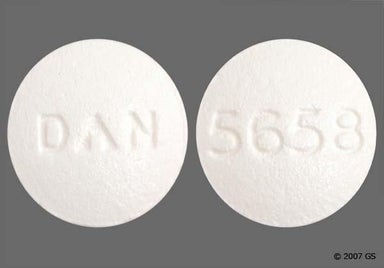
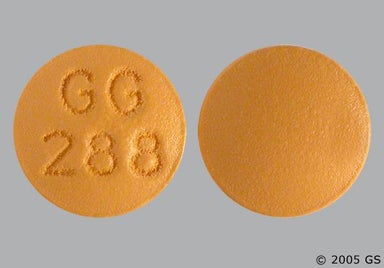
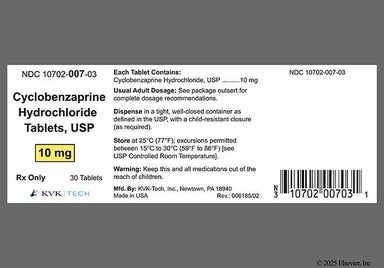
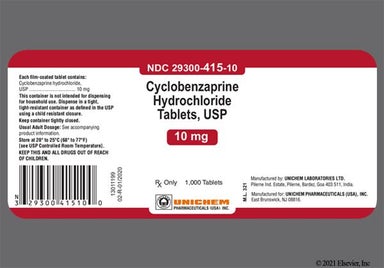
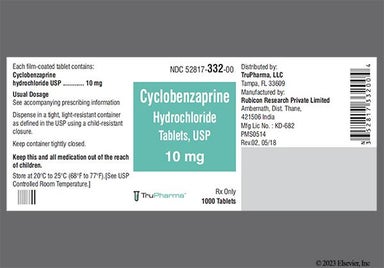
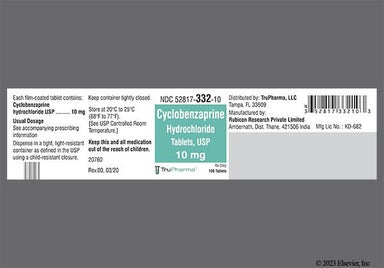
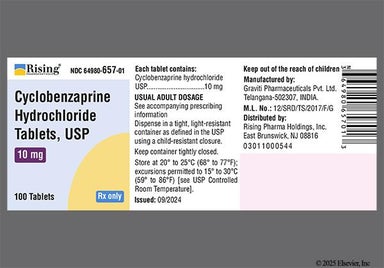
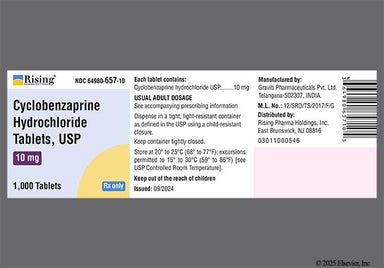
Cyclobenzaprine images