

Budesonide, Rinvoq, and More: 8 Oral Crohn’s Disease Medications
Crohn's disease is a chronic inflammatory bowel disease. Treatment typically focuses on managing symptoms and may include these Crohn’s disease medications.
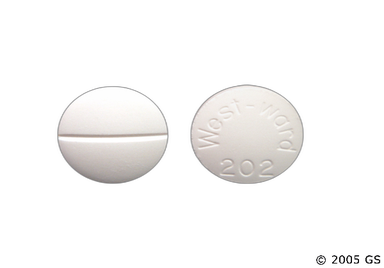
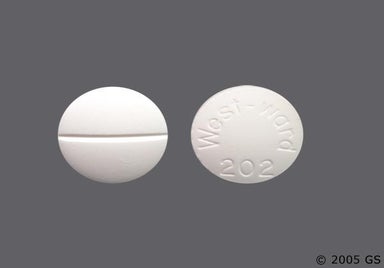
Cortisone is a short-acting steroid medication used to treat different conditions that involve an overactive immune system. It's taken by mouth, but your dose can differ depending on condition you taking cortisone for. Short-term side effects of cortisone include changes in appetite, mood swings, and trouble sleeping. If you take this medication for a long time, you might experience weight gain or weakening of your bones.

Cortisone is used for many different medical conditions, including:
Cortisone is a corticosteroid. It's a lab-made medication that's similar to cortisol, a natural stress hormone your body makes. Cortisone works by calming down your body's immune response, which can help get rid of certain medical problems that are caused by a sensitive immune system. In addition, cortisone lowers the amount of inflammatory chemicals that cause pain, redness, itching, and swelling.
| Common Brands | Cortone |
|---|---|
| Drug Class | Corticosteroid |
| Controlled Substance Classification | Not a controlled medication |
| Generic Status | Lower-cost generic available |
| Availability | Prescription only |

The following side effects may get better over time as your body gets used to the medication. Let your healthcare provider know immediately if you continue to experience these symptoms or if they worsen over time.
Contact your healthcare provider immediately if you experience any of the following.
Corticosteroids may lower your resistance to infections. Also, any infection you get may be harder to treat. Always check with your doctor as soon as possible if you notice any signs of a possible infection, such as sore throat, fever, sneezing, or coughing.
Along with its needed effects, a medicine may cause some unwanted effects. Although not all of these side effects may occur, if they do occur they may need medical attention.
Check with your doctor as soon as possible if any of the following side effects occur:
Rare
Blindness (sudden, when injected in the head or neck area)
burning, numbness, pain, or tingling at or near place of injection
confusion
excitement
false sense of well-being
hallucinations (seeing, hearing, or feeling things that are not there)
mental depression
mistaken feelings of self-importance or being mistreated
mood swings (sudden and wide)
redness, swelling, or other sign of allergy or infection at place of injection
restlessness
skin rash or hives
Additional side effects may occur if you take this medicine for a long time. Check with your doctor if any of the following side effects occur:
Abdominal or stomach pain or burning (continuing)
bloody or black, tarry stools
changes in vision
filling or rounding out of the face
headache
irregular heartbeat
menstrual problems
muscle cramps or pain
muscle weakness
pain in arms, back, hips, legs, ribs, or shoulders
pitting, scarring, or depression of skin at place of injection
reddish purple lines on arms, face, groin, legs, or trunk
redness of eyes
sensitivity of eyes to light
stunting of growth (in children)
swelling of feet or lower legs
tearing of eyes
thin, shiny skin
trouble in sleeping
unusual bruising
unusual increase in hair growth
unusual tiredness or weakness
vomiting
weight gain (rapid)
wounds that will not heal
Some side effects may occur that usually do not need medical attention. These side effects may go away during treatment as your body adjusts to the medicine. Also, your health care professional may be able to tell you about ways to prevent or reduce some of these side effects. Check with your health care professional if any of the following side effects continue or are bothersome or if you have any questions about them:
More common
Increased appetite
indigestion
loss of appetite (for triamcinolone only)
nervousness or restlessness
Less common or rare
Darkening or lightening of skin color
dizziness or lightheadedness
flushing of face or cheeks
hiccups
increased joint pain (after injection into a joint)
increased sweating
nosebleeds (after injection into the nose)
sensation of spinning
After you stop using this medicine, your body may need time to adjust. The length of time this takes depends on the amount of medicine you were using and how long you used it. If you have taken large doses of this medicine for a long time, your body may need one year to adjust. During this time, check with your doctor immediately if any of the following side effects occur:
Abdominal, stomach, or back pain
dizziness
fainting
loss of appetite (continuing)
muscle or joint pain
reappearance of disease symptoms
shortness of breath
unexplained headaches (frequent or continuing)
unusual tiredness or weakness
vomiting
weight loss (rapid)
Other side effects not listed may also occur in some patients. If you notice any other effects, check with your healthcare professional.
Call your doctor for medical advice about side effects. You may report side effects to the FDA at 1-800-FDA-1088.




Cortisone can cause some serious health issues. This risk may be even higher for certain groups. If this worries you, talk to your doctor or pharmacist about other options.
Using cortisone long term can raise your risk of getting an infection or hide signs of an infection. These infections include serious fungal, viral (e.g., chicken pox, measles), or bacterial (e.g, tuberculosis or TB) infections. Avoid close contact with anyone who had a history of these serious infections during treatment with cortisone. If you have had TB or parasitic (worm) infections in the past, let your provider know so they can closely monitor you for symptoms and make sure these infections don't come back. In addition, talk to your provider first before getting any vaccination. Live vaccines might not be safe for you since they can sometimes raise your risk of an infection during treatment with high doses of cortisone.
Cortisone can cause changes in your mood or behavior. Tell your provider right away if you feel depressed, have mood swings, trouble sleeping, anxiety, or hallucinations (hearing or seeing things that aren't there) while taking this medication.
In some rare cases, using cortisone for a long time can cause a medical condition called adrenal suppression. This is when your adrenal glands stop making your own natural hormones as your body gets used to cortisone. If you suddenly stop taking cortisone, you can experience symptoms of withdrawal including fever, joint or muscle pain, and low energy. To prevent adrenal suppression from happening, your provider will prescribe the lowest possible dose of cortisone that works well for you for the shortest amount of time. If you need to use cortisone for a long period of time, your provider might order blood work to test how well your adrenal gland works. Let your provider know if you have symptoms of withdrawal. Don't suddenly stop using cortisone without talking to your provider first.
Cortisone can cause changes in your fluids and electrolytes (e.g., sodium, potassium, and calcium). This can result in high blood pressure, swelling, and kidney problems. In addition, some studies suggest that cortisone can damage the heart if used after a recent heart attack. If you have a history of heart failure, heart attack, high blood pressure, or kidney problems, let your provider know before using this medication.
Taking cortisone raises the risk of stomach damage, leading to certain problems, like stomach irritation, and more seriously, ulcers and bleeding. Your risk is higher if you have a history of stomach problems or if you're taking other medications that can damage your stomach, such as nonsteroidal anti-inflammatory drugs (NSAIDs). You should avoid drinking alcohol while taking this medication because it can worsen stomach irritation. Get medical attention right away if you have stomach pain that doesn't go away or you get bloody or dark stools. These can be signs of a serious stomach problem.
Using cortisone for a long period of time can lead to greater risk of cataracts, glaucoma, and certain eye infections. Tell your provider if you currently have an eye infection or have had a viral eye infection (herpes keratitis) in the past. If you experience blurry vision, eye pain, or any vision changes during treatment with this medication, let your provider know right away. You might need to get regular eye exams during long-term treatment with cortisone.
Long-term use of cortisone can lower calcium absorption and weaken your bone. Over time, this will cause or worsen osteoporosis in adults or slow down growth in children. If you've had bone fractures before or have osteoporosis (weak bones), talk to your provider about your risk before using this medication.
Using cortisone for a long period of time can sometimes raise your blood sugar levels. If blood sugar is not controlled, this can lead to diabetes. Let your provider know if you have symptoms like confusion, feeling sleepy, unusual thirst or hunger, passing urine more often, flushing, fast breathing, or breath that smells like fruit. If you have diabetes, your provider may ask you to check your blood sugar regularly to make sure this medication is safe for you.

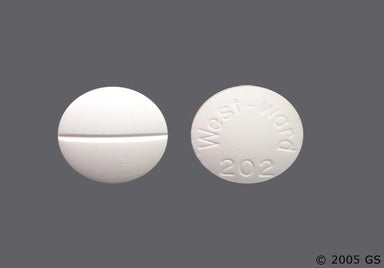
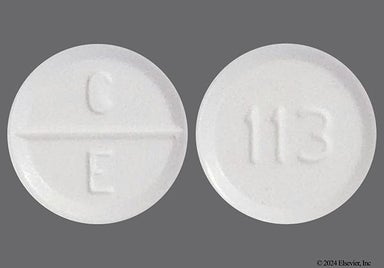
 Tablet
| Dosage | Quantity | Price as low as | Price per unit |
|---|---|---|---|
| 25mg | 30 tablets | $39.45 | $1.32 |

Although certain medicines should not be used together at all, in other cases two different medicines may be used together even if an interaction might occur. In these cases, your doctor may want to change the dose, or other precautions may be necessary. When you are taking any of these medicines, it is especially important that your healthcare professional know if you are taking any of the medicines listed below. The following interactions have been selected on the basis of their potential significance and are not necessarily all-inclusive.
Using medicines in this class with any of the following medicines is not recommended. Your doctor may decide not to treat you with a medication in this class or change some of the other medicines you take.
Using medicines in this class with any of the following medicines is usually not recommended, but may be required in some cases. If both medicines are prescribed together, your doctor may change the dose or how often you use one or both of the medicines.


Contraindications are specific health conditions or situations in which a person should not take a medication due to safety concerns. If you have any of the following conditions or if any of the following apply to you, let your healthcare provider know because Cortisone will not be safe for you to take.

Cortisone is used for many different medical conditions, including:
This medication is used for many different conditions. Generally, it's used for autoimmune problems, conditions related to swelling, or cancer. Some examples include:


Prescription savings
Stop paying too much for your prescriptions. Compare prices, get pharmacy coupons, and save up to 80%. Find expert answers to your health questions so you can make the best decisions for yourself and your family.
Health conditions
Medications & treatment
Access & affordability
Medication discounts


Yes, Cortisone is a short-acting steroid medication used to treat different medical conditions with an overactive immune system, such as psoriasis or osteoarthritis. It works by lowering certain chemicals in your body that normally cause inflammation, itching, redness, swelling, or pain. Like other steroid medications, Cortisone can cause a lot of side effects, such as belly pain or swelling, especially at higher doses and longer time of use. Follow your provider's directions to take this medication safely. Depending on what you're taking Cortisone for, your provider will help you decide how to best use this medication.
It's not clear how long it takes Cortisone to work if taken by mouth, but your body starts absorbing the medication once you take it. Prednisone, a similar medication to Cortisone, has been shown to start working a few hours after the first dose. But you might not notice an improvement to your condition until after you've been taking it for a few days. Keep in mind that depending on what you're taking Cortisone for, you might not notice benefits right away. Talk to your provider about what to expect while taking this medication.
A common side effect of corticosteroids, such as Cortisone, is weight gain. This is because Cortisone is similar to cortisol, a hormone in your body. Higher levels of cortisol can lead to bigger appetite, fat buildup, and changes in sugar or fat break down. High levels of cortisol can also cause your body to hold onto more water, which leads to weight gain. Keep in mind that weight gain is linked to long-term use of corticosteroids. People who take Cortisone for a short period of time aren't as likely to experience weight gain. Talk to your provider if you're concerned about weight gain while taking Cortisone.
It's not clear how long you've to wait to drink alcohol after taking Cortisone since alcohol doesn't have a direct interaction with this medication. But it's best to avoid or limit drinking alcohol while you're taking a steroid because alcohol raises your risk of steroid-related side effects, such as stomach pain, weight gain, and heartburn. Speak with your provider about alcohol and Cortisone.
It's not recommended for mothers to breastfeed their babies while taking Cortisone. This is because corticosteroids, like Cortisone, have been found in human milk and have caused side effects in breastfed babies, such as stunted growth, weight gain, and headache. Speak to your provider so you can discuss the benefits and risks of taking this medication while breastfeeding.
