Key takeaways:
Psoriatic arthritis is an autoimmune condition. It causes pain and inflammation in a person’s skin, joints, tendons, and spine.
The price of psoriatic arthritis treatment ranges from inexpensive pills to costly injections and infusions.
You can save on psoriatic arthritis treatment by having health insurance, enrolling in a patient assistance program, or using GoodRx.
Psoriatic arthritis (PsA) is an autoimmune condition. It causes pain and inflammation in a person’s skin, joints, tendons, and spine. Simply, it’s an inflammatory type of arthritis. More than 3 million adults in the U.S. have PsA, according to estimates. When children have PsA, it’s called juvenile psoriatic arthritis. Over time, this chronic condition can cause joint damage. About 30% of people who have psoriasis will develop psoriatic arthritis. It’s also possible to have PsA without psoriasis.
There is no cure for PsA, but treatment can help improve a person’s quality of life. Options include oral medications, injections, infusions, and alternative therapies. Costs range from affordable prescription pills to pricey injections and infusions. Depending on your therapy, the out-of-pocket cost for psoriatic arthritis treatment can vary widely.
Maintaining a healthy life with PsA will likely include exercise, a nutritious diet, limited stress, and adequate rest. The costs of treatment may go beyond medication to include gym membership, massage therapy, or acupuncture.
What are the out-of-pocket costs for psoriatic arthritis treatment?
Out-of-pocket costs vary widely for PsA treatment. Financial assistance programs can help make treatments more affordable whether you have insurance or not. If you have health coverage, your out-of-pocket cost depends on how your health insurance covers your treatment.
Psoriatic arthritis oral medications
Let’s explore costs for several PsA treatment options. We’ll start with common prescription oral medications:
Methotrexate is used off-label to treat PsA. It’s an inexpensive prescription medication available as a tablet or an injection. This generic drug is covered by most insurance plans. The typical methotrexate dosage for psoriatic arthritis is 15 mg by mouth once a week. You’ll also take daily or once-weekly folic acid alongside your methotrexate. Methotrexate comes only in 2.5 mg tablets, so you’ll likely take several tablets at once to reach the appropriate dosage. (In this scenario, you’d take 6 pills once per week and 24 pills every 4 weeks.) Without insurance, 24 tablets of methotrexate 2.5 mg cost an average of $36.05. Using a GoodRx coupon, which also includes special offers, can drop the price to as little as $17.04.
Sulfasalazine is used off-label to treat PsA. This generic version of Azulfidine comes in immediate-release and delayed-release tablets. It’s a good option for people who are pregnant or trying to conceive. A typical dosage of sulfasalazine for PsA is 500 mg taken twice daily. Without insurance, 60 tablets of sulfasalazine 500 mg cost an average of $19.48. Using a GoodRx coupon can drop the price to as little as $13.27, and there is a special GoodRx welcome offer for about $2 if you fill your prescription at certain pharmacies.
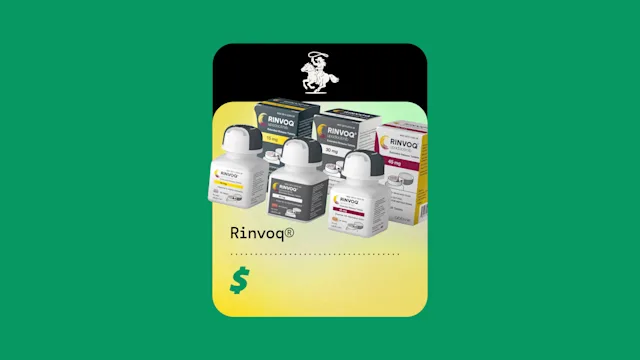
Xeljanz (tofacitinib) is a brand-name, immediate-release tablet. It’s also available as an extended-release tablet (Xeljanz XR). At typical doses, this medication can cost more than $6,000 a month without insurance. With commercial insurance, you may benefit from a manufacturer copay card. This could drop your out-of-pocket costs to $0. The Pfizer for All initiative includes a Patient Assistance Program to help you afford Xeljanz. The standard Xeljanz adult maintenance dosage for PsA (with or without food) is 5 mg of Xeljanz by mouth twice daily or 11 mg of Xeljanz XR once a day. Without insurance, 60 tablets of Xeljanz 5 mg cost an average of $6468.43. Using a GoodRx coupon can drop the price to as little as $4671.85. Without insurance, 30 tablets of Xeljanz XR 11 mg cost an average of $8790.63. Using a GoodRx coupon can drop the price to as little as $4703.70.
There are several specialty medications for PsA that are more costly. We’ll discuss those next.
Subcutaneous (under-the-skin) injections for psoriatic arthritis
Biologics made up 49% of the global psoriatic arthritis treatment market in 2024, according to one report, and 57% of the global market in 2024, based on another analysis. One estimate shows that the average cost, without insurance, for biologic medications for conditions like PsA is $10,000 to $30,000 per year. Some biologics are self-injected under the skin; others are infused at a medical clinic.
Below are examples of subcutaneous biologics used for treating PsA:
Enbrel (etanercept) can be self-injected once a week. Without insurance or discounts, Enbrel can cost about $1,800 a week. Enbrel’s manufacturer offers a copay card for commercially insured consumers. Using it can drop your out-of-pocket costs to as little as $0 per dose. (If you have Medicare, Medicaid, or any other government insurance, you cannot use the copay card program.) There are also several patient assistance programs that can help eligible applicants with Enbrel costs.
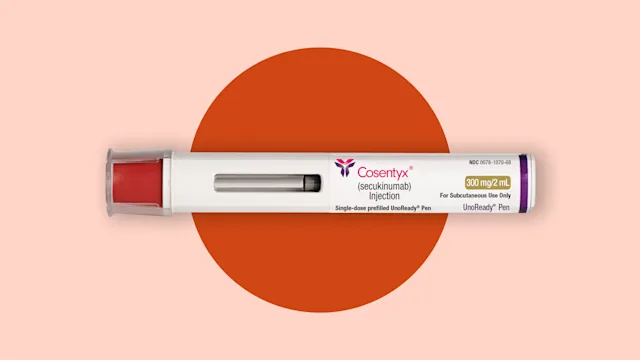
Cosentyx (secukinumab) is an injectable biologic medication approved to treat PsA in adults and children. It’s administered on a prescribed schedule. Without insurance, a carton containing two Sensoready 150 mg/mL pens costs around $12,500 at some pharmacies. One UnoReady 300 mg / 2 mL pen averages more than $11,000. Consumers with commercial insurance may qualify for a copay card. This can drop your out-of-pocket costs to as little as $0 a month. You could also qualify for 2 years of free self-injected medication if your insurance coverage isn’t initially approved.
Humira (adalimumab) is an injection administered every other week. Without insurance or discounts, Humira can cost more than $8,000 for two pens (a month’s supply). Humira has many biosimilars that can cost less and, often, much less. Examples of Humira biosimilars include Abrilada, Amjevita, Cyltezo, Hadlima, Hyrimoz, and Simlandi.
Tremfya (guselkumab), another biologic, is a subcutaneous injection that’s self-administered for PsA. Without insurance or discounts, the list price for Tremfya was almost $14,000 per dose as of September 2024. There is no biosimilar available for Tremfya. Johnson & Johnson, the manufacturer of Tremfya, offers several support solutions. These include a copay card and a patient assistance program. You may also qualify for help through other patient assistance programs.
Infusions for psoriatic arthritis
Some medications for psoriatic arthritis have versions that must be infused through a vein, so these treatments are usually given at a medical office or an infusion center. These therapies typically cost several thousand dollars each time. This cost can be offset by insurance, manufacturer coupons, and patient assistance programs.
Here are some PsA treatments available via infusion:
Orencia (abatacept) is a T-cell inhibitor that can be received as an IV infusion in a healthcare setting. There are also self-administered doses. The manufacturer list price for an Orencia infusion is $4,650 plus any costs for administration. A carton of four self-administered autoinjectors can cost more than $7,000. If you have commercial insurance, you may be eligible for a manufacturer’s assistance program and pay as little as $5 per infusion up to $15,000 in copays per year. There are no approved biosimilars for Orencia.
Simponi Aria (golimumab) is a TNF blocker available as an IV infusion given in a healthcare setting. The retail price for this medication is more than $10,000 for four vials. With commercial insurance, you can pay around $5 per infusion with the manufacturer’s J&J withMe Saving Program. The manufacturer also offers a patient assistance program that could cover out-of-pocket costs for those who qualify. There are no approved biosimilars for Simponi Aria.
Remicade (infliximab) is a TNF blocker available as an IV infusion given in a healthcare setting. It’s a biologic that’s available as both a branded and an unbranded product (infliximab). With commercial insurance, you can pay as little as $5 per infusion using a manufacturer’s savings card. Remicade’s maker also offers a patient assistance program, which could cover your out-of-pocket costs. Remicade has several biosimilars, which are different from Remicade’s branded and unbranded versions. These could offer further savings.
Alternative, over-the-counter, and additional treatments for PsA
Costs for managing PsA can go beyond prescription pills, injections, or infusions. You may also use over-the-counter medications, such as ibuprofen or naproxen, for pain and inflammation. You may also benefit from physical therapy. You might find relief using complementary or alternative treatment, such as acupuncture or massage. This might be covered by your insurance, but you will likely pay some or all costs out of pocket.
Because PsA is a chronic condition, you may need surgery or assistive devices, which are usually considered durable medical equipment (DME). Having a PsA flare, or a temporary worsening of symptoms, may cause you to take time off work — which can result in lost income. Having an illness that causes pain may mean that you need mental health therapy. Complications from PsA also can lead to other conditions and extra costs.
Now, let’s talk about the cost of alternative treatment.
Some people may use acupuncture or massage therapy to treat psoriatic arthritis. The cost of acupuncture treatment can range from $75 to $200 per session, according to the Arthritis Foundation.
Beyond medication and physical treatment for PsA, you might need surgery at some point. Keep the possibility of surgery — with all of its potential costs — in mind as you are managing this condition. You might want to consult our advice on anticipating up-front costs to help you plan for the future.
Does insurance cover psoriatic arthritis treatment?
Yes. These types of insurance may cover some or all of your psoriatic arthritis treatment.
Original Medicare
Original Medicare covers many aspects of PsA care. This includes appointments with specialists via Part B medical insurance. Depending on how medications are dispensed and where treatment is administered, biologics and other prescription drugs may be covered by Part B or a Part D prescription plan. If you receive hospital care, that’s covered under Part A.
Medicare will cover physical therapy, occupational therapy, and in some cases home healthcare services.
Medicare Advantage
Medicare Advantage plans provide coverage that equals or exceeds original Medicare. These private alternatives to original Medicare often include additional benefits that may help you manage your condition, such as a gym membership and transportation to healthcare appointments.
Medicaid
Medicaid is jointly funded by the federal government alongside states and U.S. territories. All programs provide prescription drug coverage. Federal law requires Medicaid programs to provide certain benefits, including physician services and transportation to medical care. Programs have the option to include benefits such as physical therapy.
Medigap with original Medicare
Medigap is private, supplemental insurance that can help pay for out-of-pocket costs not covered by original Medicare.
Private insurance
Many private insurance plans cover psoriatic arthritis care. Check your specific benefits for details about the services and treatments included.
Social Security Disability Insurance (SSDI)
Social Security Disability Insurance (SSDI) provides coverage for people who document a psoriatic arthritis case that affects their ability to work.
Critical illness insurance
Critical illness insurance is supplemental coverage that can provide payouts for certain serious or life-threatening emergency conditions. Typically, PsA is not covered by many critical illness insurance policies, though some plans providing broader benefits may cover psoriatic arthritis.
Can you pay for psoriatic arthritis treatment with tax-advantaged healthcare accounts?
Yes. You can use a flexible spending account (FSA) to cover out-of-pocket medical expenses for your psoriatic arthritis, tax-free. This includes deductibles, copays, and prescription medications.
Other qualified expenses that may contribute to your PsA treatment include acupuncture. Massage therapy can be a qualified expense with a letter of medical necessity from a healthcare professional.
Like funds from an FSA, you can use a health savings account (HSA) or a health reimbursement arrangement (HRA) to cover your medication and other PsA treatment. These types of accounts have multiple tax benefits when used to pay for healthcare. Be sure to review your account’s contribution limits, rollover limits, and eligible expenses.
How to save on psoriatic arthritis treatment costs
You may be able to save on prescriptions with manufacturer discounts and patient assistance programs. Check our tips for accessing free and low-cost healthcare for more options for savings on your PsA costs.
The bottom line
Psoriatic arthritis is a chronic, autoimmune condition that usually requires treatment. Think ahead about the costs to manage PsA. In addition to prescription medications, you may need surgery, assistive devices, over-the-counter pain medications, and alternative care to manage your condition. In addition to having insurance, there are many ways to save on PsA treatment, including manufacturer discounts, patient assistance programs, and a GoodRx coupon. You may also be able to find free or low-cost care in your community.

Why trust our experts?




References
Arthritis Foundation. (n.d.). Acupuncture for arthritis.
Biologic Meds. (2024). The real cost of biologic drugs. Allergy & Asthma Network.
Brunello, F., et al. (2022). New insights on juvenile psoriatic arthritis. Frontiers in Pediatrics.
Cosentyx. (n.d.). Paying for Cosentyx. Novartis.
Cosentyx. (2025). Sign up for Novartis patient support. Novartis.
Enbrel. (n.d.). Already have a prescription? Enroll in the Enbrel co-pay program. Amgen.
Grand View Research. (n.d.). Psoriatic arthritis treatment market (2025 - 2030).
J&J withMe. (n.d.). Remicade: Starting a new medicine can feel overwhelming. That’s where we come in.
J&J withMe. (n.d.). Simponi aria: Starting a new medicine can feel overwhelming. That’s where we come in.
J&J withMe. (2024). Savings program.
J&J withMe. (2025). Quick reference guide.
Lutton, L. (2024). Johnson and Johnson submits FDA request for pediatric Tremfya approval. Managed Healthcare Executive.
Medicaid.gov. (n.d.). Assurance of transportation. Centers for Medicare & Medicaid Services.
Medicaid.gov. (n.d.). Mandatory & optional medicaid benefits. Centers for Medicare & Medicaid Services.
Medicaid.gov. (n.d.). Prescription drugs. Centers for Medicare & Medicaid Services.
Medicaid.gov. (n.d.). Program history and prior initiatives. Centers for Medicare & Medicaid Services.
Medicare.gov. (2024). Medicare coverage of therapy services. Centers for Medicare & Medicaid Services.
National Psoriasis Foundation. (n.d.). Current biologics on the market.
National Psoriasis Foundation. (n.d.). Financial assistance.
National Psoriasis Foundation. (n.d.). Paying for treatment.
National Psoriasis Foundation. (2022). Psoriasis statistics.
Orencia. (n.d.). Pricing information. Bristol-Myers Squibb.
Pfizer RxPathways. (n.d.). For patients.
PfizerforAll. (n.d.). Save on your Pfizer medications and get support.
Remicade. (n.d.). Cost support & more. Johnson & Johnson.
Todd, C. (2025). Globally, money spent on treating PsA may double in 10 years. HealthCentral.
Tremfya withMe. (2025). Paying for Tremfya. Johnson & Johnson.
Tremfya withMe. (2025). Tremfya withMe savings program. Johnson & Johnson.
Xeljanz. (n.d.). Savings & support. Pfizer.
Zundell, M. P., et al. (2024). Prevalence and impact of unacceptable symptom state among patients with psoriatic arthritis: Results from the National Psoriasis Foundation’s 2019 annual survey. JID Innovations.