Key takeaways:
Cold and rainy weather can cause joint pain in people with arthritis.
This might be caused by changes in air temperature, humidity, and pressure.
To decrease joint pain due to weather changes, keep warm, stay moving, and maintain a healthy weight.
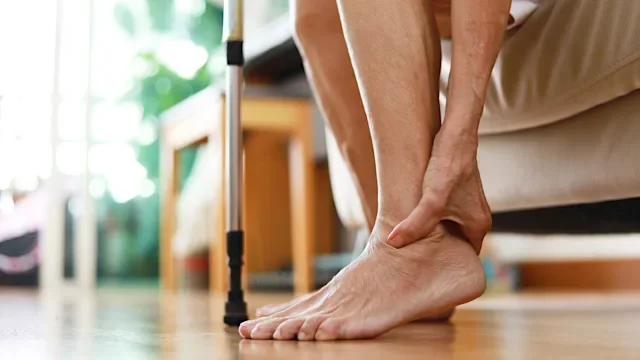
Do you ever feel like you can predict the weather based on how your joints feel? If so, you aren’t alone. Arthritis — a general term for joint inflammation — is common. It affects 1 out of 4 people in the U.S. And many people with arthritis report changes in their symptoms when the weather changes.
While we haven’t quite figured out how to control the weather, we can explain how weather might affect arthritis and suggest tips to cope. Let’s dig in.
Why does arthritis flare up in cold or rainy weather?
Studies have looked at the effects of certain weather changes on arthritis symptoms, including:
Temperature
Barometric pressure
Humidity
Precipitation
Search and compare options
They have mixed results, so scientists aren’t exactly sure how the weather triggers arthritis flares. But they have some good ideas. Weather changes may affect arthritis symptoms due to:
Expansion of structures in joints (like tendons and ligaments): Space inside the joints (between bones) is limited. So when structures get bigger with weather changes, joints can feel tighter and achier.
Thickening of joint fluid: Joint fluid lubricates the joint and absorbs shock as you walk, run, or jump. When temperatures drop, joint fluid thickens, sort of like Jell-O in the fridge. Thicker joint fluid might make for stiffer joints.
Pain sensitivity: Pressure changes might influence nerve sensitivity. And cold weather may affect levels of proteins in the body involved in pain sensation.
Reduced physical activity: It’s also possible that people tend to be less active when the weather changes. The resulting joint stiffness from cold weather could worsen joint pain.
Which types of arthritis are affected by cold or rainy weather?
Changes in weather can affect any type of arthritis. But people may feel differently with different weather. For example:
Osteoarthritis (wear-and-tear arthritis) and inflammatory arthritis (like rheumatoid arthritis) can feel worse on cold, rainy, or humid days.
People with psoriatic arthritis might feel worse with an increase in humidity.
Warm and dry weather might actually increase the risk of gout flares.
So you can see more research is needed to better understand these correlations. If you have arthritis, it could help to keep track of your symptoms and compare against weather changes to find patterns. In any case, there are steps you can take to support your joints in any weather.
Tips for reducing joint pain in the winter
Bad weather doesn’t always have to be a pain if you have arthritis. There’s a lot you can do to reduce joint pain when it gets cold or rainy. Here are some tips to get you through. These tips are the same for all kinds of arthritis.
Exercise
Staying active is one of the best things you can do for your joints, no matter the season. Some people worry that exercise might make arthritis worse, but that’s simply not the case.
The American College of Rheumatology and the Arthritis Foundation strongly recommend exercise for people with osteoarthritis and inflammatory arthritis. That’s because studies show it decreases pain and can even slow progression of arthritis. In fact, walking might even prevent the need for knee replacement surgery in people with osteoarthritis. Experts also recommend exercise for low back pain caused by arthritis of the spine.
So, what kind of exercise are we talking about? At this time, there isn’t enough evidence to recommend one kind of exercise over another. The best kind of exercise is the kind that you’ll do consistently. Ideas include:
Water aerobics or water walking (your body is lighter in water, so this might be more comfortable on your joints)
Biking
Yoga or chair yoga
Stretches and low-impact exercises specific to the site of your arthritis (for example, try these for knee pain or back pain)
Remember to watch out for ice and tripping hazards if you’re exercising outside. Shopping malls and community centers are often safe options for indoor walking.
Maintain a healthy weight
Depending on your body, losing weight or maintaining a healthy weight can take stress off the joints, regardless of the weather. If you’re carrying extra weight, losing just a few pounds can make a big difference.
In fact, research shows that losing just 1 lb removes 4 lbs of pressure from the knees in people who have osteoarthritis. Weight loss may also benefit people with inflammatory arthritis.
Stay warm
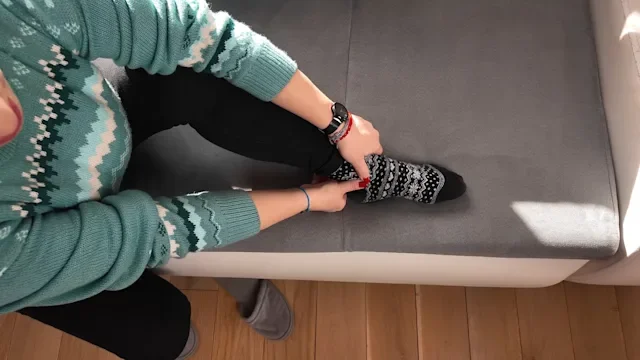
If cold weather makes your joint pain worse, it makes sense to try to stay warm. This might mean moving to a warmer climate, staying inside, and/or dressing warmly when you go out. Layers often work well to trap heat, and you can use hand or foot warmers in gloves and shoes for extra warmth.
If you have trouble getting dressed due to your arthritis, consider looking for devices that can help. These are available for purchase online, and they’re generally inexpensive. But if cost is an issue, your local Arthritis Foundation may be able to help. Consider checking out local charities or nonprofit organizations if you need help getting warmer clothing.
Warm baths and showers
Keeping your joints warm with a hot shower or bath might help you feel better and less stiff. But use caution getting in and out if you’re at risk of falling. If you don’t enjoy or feel safe taking baths, consider using a heating pad or water bottle on stiff joints for 20 minutes at a time.
Consult a healthcare professional
If you’re still struggling with arthritis pain in cold weather, reach out to your rheumatologist or primary care provider. Sometimes an arthritis flare-up could mean something else is going on, and it’s best to address it sooner versus later. Or your healthcare team might suggest a change to your treatment plan for a short period of time.
Should you push through arthritis pain?
No. You might be experiencing an arthritis flare-up if your joints are more swollen, painful, warmer, or stiffer than usual. In that case, take it easy until you feel better. Avoid complete bed rest because staying still for long periods of time can make things worse. But don’t push through your pain.
When you start to feel a little better, get moving again. Start slowly by walking for only 1 to 2 minutes at a time. Then work back up to your baseline exercise routine.
Keep in mind that your joints may ache a bit when starting a new exercise routine because it takes time to get used to new kinds of movement. A little pain is normal, but a lot of pain is not.
Ease into your new workout routine. For example, start with a daily 5-minute walk. The next week, increase it to 6 minutes. And try 7 minutes the week after that. Small steps can go a long way.
Frequently asked questions
The most important thing is to limit exposure to cold in winter months. If you can, limit any activities outside of the house to warmer hours of the day. Prepare your home and car (if applicable) with necessary items. Be sure you have nonperishable foods and backup power sources in the event of a power outage.
It depends on the time of exposure and other conditions. But generally speaking, health risks greatly increase at -16.6°F (-27°C) or below. Hypothermia — a medical emergency — happens when the body’s temperature falls below 95°F (35°C). The normal body temperature is 98.6°F (37°C). This could happen suddenly, like if someone falls through ice into freezing water. It could also happen more gradually, like if someone is exposed to temps of about 60°F (15.5°C) for several hours.
The most important thing is to limit exposure to cold in winter months. If you can, limit any activities outside of the house to warmer hours of the day. Prepare your home and car (if applicable) with necessary items. Be sure you have nonperishable foods and backup power sources in the event of a power outage.
It depends on the time of exposure and other conditions. But generally speaking, health risks greatly increase at -16.6°F (-27°C) or below. Hypothermia — a medical emergency — happens when the body’s temperature falls below 95°F (35°C). The normal body temperature is 98.6°F (37°C). This could happen suddenly, like if someone falls through ice into freezing water. It could also happen more gradually, like if someone is exposed to temps of about 60°F (15.5°C) for several hours.
The bottom line
Weather changes like cold or rainy weather can worsen joint pain in some people. The good news is there are ways to cope — being prepared, keeping warm, and staying active. Be sure to contact your healthcare team if self-care measures aren’t helping — they may be able to suggest additional treatments.

Why trust our experts?




References
American College of Rheumatology. (n.d.). Osteoarthritis guideline.
Andersen, C. H. (2018). 21 of the best-selling assistive devices you can buy on Amazon. Living with Arthritis.
Ferriera, M. L., et al. (2024). Come rain or shine: Is weather a risk factor for musculoskeletal pain? A systematic review with meta-analysis of case-crossover studies. Seminars in Arthritis and Rheumatism.
Government of Canada. (2021). Extreme cold.
Kreps, D. J., et al. (2018). Association of weight loss with improved disease activity in patients with rheumatoid arthritis: A retrospective analysis using electronic medical record data. Internal Journal of Clinical Rheumatology.
Lo, G. H., et al. (2022). Association between walking for exercise and symptomatic and structural progression in individuals with knee osteoarthritis: Data from the Osteoarthritis Initiative Cohort. Arthritis & Rheumatology.
Master, H., et al. (2021). Daily walking and the risk of knee replacement over 5 Years among adults with advanced knee osteoarthritis in the United States. Archives of Physical Medicine and Rehabilitation.
Messier, S. P., et al. (2005). Weight loss reduces knee-joint loads in overweight and obese older adults with knee osteoarthritis. Arthritis and Rheumatism.
National Weather Service. (n.d.). Prepare for cold water. National Oceanic and Atmospheric Administration.
Park, J., et al. (2018). Various types of arthritis in the United States: Prevalence and age-related trends from 1999 to 2014. American Journal of Public Health.
Qaseem, A., et al. (2017). Noninvasive treatments for acute, subacute, and chronic low back pain: A clinical practice guideline from the American College of Physicians. Annals of Internal Medicine.
Singh, J. A., et al. (2019). 2018 American College of Rheumatology/National Psoriasis Foundation guideline for the treatment of psoriatic arthritis. Arthritis & Rheumatology.
Timmermans, E. J., et al. (2014). Self-perceived weather sensitivity and joint pain in older people with osteoarthritis in six European countries: Results from the European Project on OSteoArthritis (EPOSA). BMC Musculoskeletal Disorders.
Timmermans, E. J., et al. (2015). The influence of weather conditions on joint pain in older people with osteoarthritis: Results from the European Project on OSteoArthritis. The Journal of Rheumatology.
Wang, L., et al. (2023). Associations between weather conditions and osteoarthritis pain: a systematic review and meta-analysis. Annals of Medicine.