





What Are the Best Treatments for Toenail Fungus (Onychomycosis), and How Does It Look?
There are a variety of treatments for toenail fungus, from prescription pills to OTC creams. Experts discuss which toenail fungus treatments are most effective.
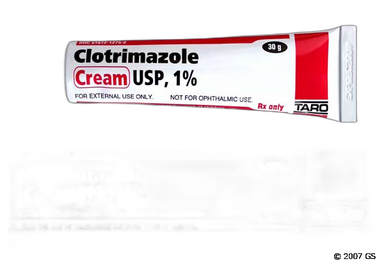
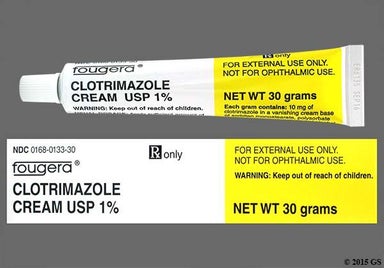
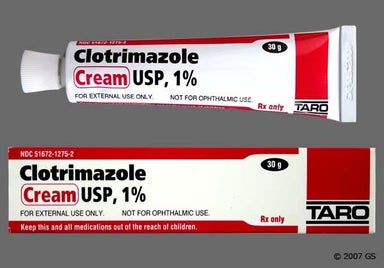
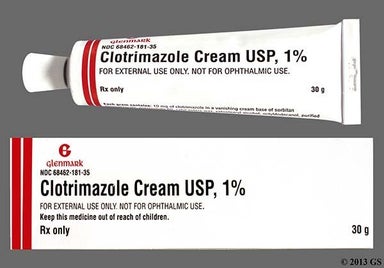
Clotrimazole (Lotrimin) is an antifungal medication used to treat certain skin fungal infections. A healthcare professional might also prescribe it for diaper rash. It's available over the counter (OTC) and by prescription as a cream or topical solution that you apply to your skin. You usually use it two times a day for a few weeks, depending on the infection. The most common side effect is skin irritation.

Clotrimazole (Lotrimin) is an antifungal medication. It works by stopping the fungus from making a protective layer it needs to survive. This stops the fungus from growing.
| Common Brands | Lotrimin |
|---|---|
| Drug Class | Antifungal |
| Controlled Substance Classification | Not a controlled medication |
| Generic Status | Lower-cost generic available |
| Availability | Prescription or over-the-counter |

The following side effects may get better over time as your body gets used to the medication. Let your healthcare provider know immediately if you continue to experience these symptoms or if they worsen over time.
Along with its needed effects, a medicine may cause some unwanted effects. Although not all of these side effects may occur, if they do occur they may need medical attention.
Check with your doctor as soon as possible if any of the following side effects occur:
Skin rash, hives, blistering, burning, itching, peeling, redness, stinging, swelling, or other sign of skin irritation not present before use of this medicine
Other side effects not listed may also occur in some patients. If you notice any other effects, check with your healthcare professional.
Call your doctor for medical advice about side effects. You may report side effects to the FDA at 1-800-FDA-1088.



OTC:
Prescription:

Clotrimazole (Lotrimin) can cause some serious health issues. This risk may be even higher for certain groups. If this worries you, talk to your doctor or pharmacist about other options.
Clotrimazole (Lotrimin) should only be used on your skin. Don’t use it in your eyes, nose, mouth, ears, or inside the vagina. If you think your child could have swallowed this medication, call Poison Control at 1-800-222-1222 right away.

OTC:
Prescription:

Although certain medicines should not be used together at all, in other cases two different medicines may be used together even if an interaction might occur. In these cases, your doctor may want to change the dose, or other precautions may be necessary. When you are taking this medicine, it is especially important that your healthcare professional know if you are taking any of the medicines listed below. The following interactions have been selected on the basis of their potential significance and are not necessarily all-inclusive.
Using this medicine with any of the following medicines is usually not recommended, but may be required in some cases. If both medicines are prescribed together, your doctor may change the dose or how often you use one or both of the medicines.
Using this medicine with any of the following medicines may cause an increased risk of certain side effects, but using both drugs may be the best treatment for you. If both medicines are prescribed together, your doctor may change the dose or how often you use one or both of the medicines.












Prescription savings
Stop paying too much for your prescriptions. Compare prices, get pharmacy coupons, and save up to 80%. Find expert answers to your health questions so you can make the best decisions for yourself and your family.
Health conditions
Medications & treatment
Access & affordability
 Our monthly healthcare membership can help you save thousands on your prescription costs.
Resources

Burning isn't a sign that Clotrimazole is working, but it can be a side effect. Mild irritation can happen when the medication touches irritated skin, but strong burning, stinging, or redness could mean your skin is too sensitive or you’re having a reaction. If the discomfort is severe or doesn’t go away, stop using it and contact your primary care provider to find a better option.
Clotrimazole often starts to work within the first week, but the full treatment time depends on the type of infection. You usually need to use the OTC version for at least 4 weeks for athlete’s foot or ringworm, and about 2 weeks for jock itch. Prescription versions are often used for at least 4 weeks. Even if your symptoms improve, keep using it for the full time so the infection is fully treated. If your symptoms don’t get better or get worse, contact your primary care provider.
While some forms of clotrimazole can treat vaginal yeast infections, Clotrimazole isn't designed for that use. If you have a vaginal yeast infection, consider using clotrimazole vaginal cream, which is made to be inserted into the vaginal with a special applicator. Talk with a healthcare professional to make sure you’re using the right product for your condition.
Your baby's pediatrician might recommend Clotrimazole for diaper rash if they think it's safe and appropriate. Most standard diaper rashes are caused by irritation from wetness and are best treated with barrier creams like zinc oxide. Only use Clotrimazole for your baby if their pediatrician tells you to.
Clotrimazole generally isn't the best choice for treating toenail fungus because they don't work as well in the nail. It works better for the skin around the nail (like athlete's foot) than the nail itself. For toenail fungus, you might need stronger treatments like prescription nail solutions or pills, so talk to a healthcare professional about the best option for you.
No, Clotrimazole isn't a topical steroid. It's a topical antifungal used to treat fungal skin infections. Depending on how severe your infection is, you might also use a topical steroid along with Clotrimazole, but talk to a healthcare professional first. Topical steroids can sometimes worsen the infection.
Yes, Clotrimazole is available in both over the counter (OTC) and prescription versions. Ask your pharmacist if you have questions about choosing the right option for your condition.
Yes. Check the expiration date on your Clotrimazole product and don't use it after this date. Using medications after their expiration date can mean they won't work as well or they could cause side effects.
