


You and Your Hormones. (2021). Follicle stimulating hormone.
You and Your Hormones. (2021). Luteinising hormone.
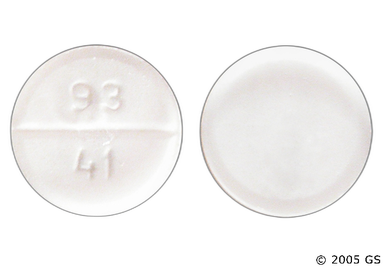
Clomiphene (Clomid) is a selective estrogen receptor modulator (SERM) used to treat fertility problems in people who want to become pregnant. It works by helping your body release an egg, ovulation. You'll take the medication by mouth once a day for 5 days during a specific part of your menstrual cycle. Common side effects include hot flashes, bloating, and stomach pain.

Clomiphene (Clomid) is a selective estrogen receptor modulator (SERM). It tricks your body into thinking your estrogen levels are low. This causes your body to release more follicle-stimulating hormone (FSH) and luteinizing hormone (LH). These hormones help your ovaries grow and release an egg (ovulation), which can increase your chances of becoming pregnant.
| Common Brands | Clomid, MiloPhene |
|---|---|
| Drug Class | Selective estrogen receptor modulator |
| Controlled Substance Classification | Not a controlled medication |
| Generic Status | Lower-cost generic available |
| Availability | Prescription only |

The following side effects may get better over time as your body gets used to the medication. Let your healthcare provider know immediately if you continue to experience these symptoms or if they worsen over time.
Contact your healthcare provider immediately if you experience any of the following.
Along with its needed effects, a medicine may cause some unwanted effects. Although not all of these side effects may occur, if they do occur they may need medical attention.
Check with your doctor immediately if any of the following side effects occur:
Check with your doctor as soon as possible if any of the following side effects occur:
Less common or rare
Blurred vision
decreased or double vision or other vision problems
seeing flashes of light
sensitivity of eyes to light
yellow eyes or skin
Some side effects may occur that usually do not need medical attention. These side effects may go away during treatment as your body adjusts to the medicine. Also, your health care professional may be able to tell you about ways to prevent or reduce some of these side effects. Check with your health care professional if any of the following side effects continue or are bothersome or if you have any questions about them:
More common
Less common or rare
Breast discomfort
dizziness or lightheadedness
headache
heavy menstrual periods or bleeding between periods
mental depression
nausea or vomiting
nervousness
restlessness
tiredness
trouble in sleeping
Other side effects not listed may also occur in some patients. If you notice any other effects, check with your healthcare professional.
Call your doctor for medical advice about side effects. You may report side effects to the FDA at 1-800-FDA-1088.




Clomiphene (Clomid) can cause some serious health issues. This risk may be even higher for certain groups. If this worries you, talk to your doctor or pharmacist about other options.
Clomiphene (Clomid) can sometimes cause blurred vision or other vision changes during treatment or shortly after you stop taking it. These changes usually go away, but in rare cases they can last longer or become permanent, especially if you take higher doses or use the medication for longer than recommended. If you notice any vision changes, stop taking clomiphene (Clomid) and contact your care team right away. Don't drive or operate machinery until your vision returns to normal.
Clomiphene (Clomid) can sometimes overstimulate your ovaries and cause a rare but serious condition called ovarian hyperstimulation syndrome (OHSS). To lower your risk, your fertility specialist will prescribe the lowest dose that works for you.
Early symptoms of OHSS include stomach or pelvic pain, vomiting, diarrhea, bloating, and rapid weight gain. Symptoms often don't appear until a few days after you finish a treatment cycle. Most cases are mild and go away within a few days to weeks. But in rare cases, OHSS can become serious and cause problems such as trouble breathing or an ovary that twists or bursts. Contact your care team right away if you develop symptoms of OHSS.
Clomiphene (Clomid) can raise your chance of becoming pregnant with twins, triplets, or more babies because it could cause your body to release more than one egg. Multiple pregnancies have a higher risk of complications for both you and your babies. In rare cases, pregnancy can occur outside the uterus (ectopic pregnancy). Contact your care team right away if you have severe pelvic pain, heavy bleeding, or dizziness during early pregnancy.
Don't take clomiphene (Clomid) if you're already pregnant because it won't help once pregnancy has occurred. Although research results are mixed, there is some evidence that it could harm an unborn baby. Before each treatment cycle, your fertility specialist will make sure you're not pregnant. If you think you might be pregnant while taking this medication, stop taking it and contact your care team right away.

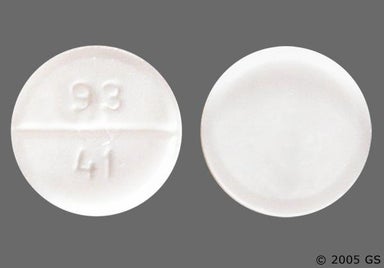
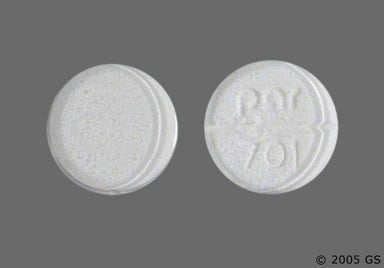
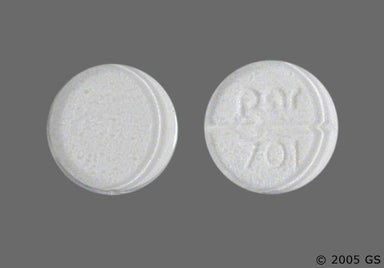
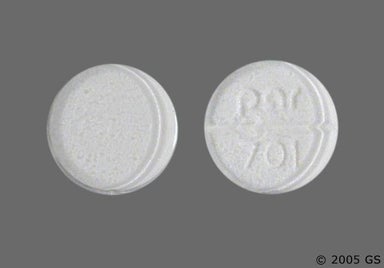
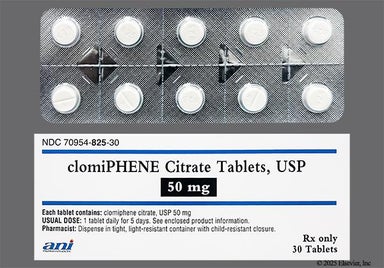
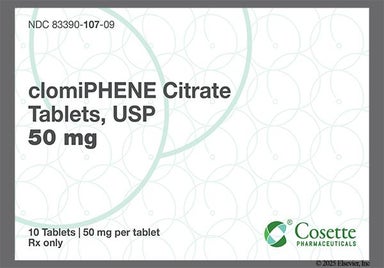
 Tablet
| Dosage | Quantity | Price as low as | Price per unit |
|---|---|---|---|
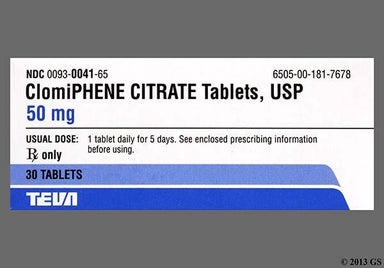
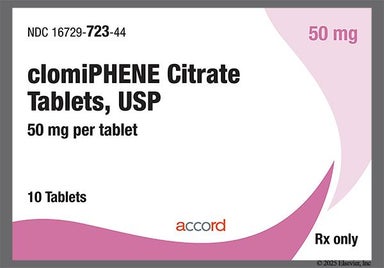
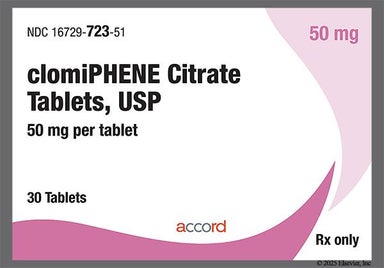
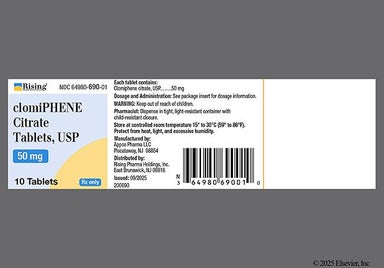
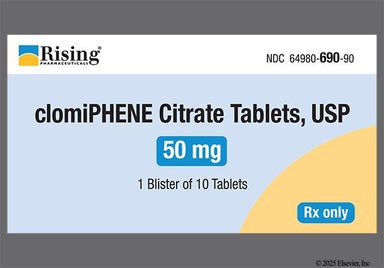
| 50mg | 30 tablets | $40.58 | $1.35 |
The typical starting dose is 50 mg by mouth once a day for 5 days. If you don't ovulate after this treatment cycle, your fertility specialist might raise your dose to 100 mg once a day for 5 days during your next menstrual cycle.

Although certain medicines should not be used together at all, in other cases two different medicines may be used together even if an interaction might occur. In these cases, your doctor may want to change the dose, or other precautions may be necessary. Tell your healthcare professional if you are taking any other prescription or nonprescription (over-the-counter [OTC]) medicine.


Contraindications are specific health conditions or situations in which a person should not take a medication due to safety concerns. If you have any of the following conditions or if any of the following apply to you, let your healthcare provider know because Clomiphene (Clomid) will not be safe for you to take.














Prescription savings
Stop paying too much for your prescriptions. Compare prices, get pharmacy coupons, and save up to 80%. Find expert answers to your health questions so you can make the best decisions for yourself and your family.
Health conditions
Medications & treatment
Access & affordability
Medication discounts


Clomiphene is only FDA approved to treat female infertility. But some healthcare professionals prescribe it off-label for men. Some studies suggest that it might help improve sperm quality, while others suggest it might help raise testosterone levels in some men. Speak with a specialist to see if this medication might be right for you.
It takes about 5 to 10 days after finishing your course of Clomiphene for your body to ovulate. If you're getting regular periods, you'll typically start this medication on day 5 of your menstrual cycle and be most likely to ovulate around cycle days 14 to 19. Keep in mind that the exact timing can vary from person to person.
Weight gain isn't a common side effect of Clomiphene. But if you notice sudden weight gain, such as more than 10 pounds in 3 to 5 days, contact your care team right away. This can be an early sign of ovarian hyperstimulation (OHSS), a rare but potentially serious side effect of Clomiphene.
Clomiphene and letrozole are both commonly used to help people become pregnant, but letrozole is technically not FDA approved for infertility. Letrozole lowers estrogen levels, while Clomiphene tricks your body into thinking estrogen levels are low. Even though they work differently, both medications help your ovaries develop and release an egg (ovulate). Talk with your fertility specialist about how they compare.
No, Clomiphene is only available with a prescription from a healthcare professional.
Clomiphene is taken early in your menstrual cycle to help your body grow and release an egg. Taking it after you've already ovulated can affect your hormone levels and might not help you become pregnant. If you became pregnant during that cycle, taking Clomiphene afterward could also pose a risk to the pregnancy. If you think you've missed your usual dosing window, contact your prescriber before taking the medication.
After you take your last dose of Clomiphene, it stays in your body for about 25 to 35 days. This estimate is based on the its half-life, or the amount of time it takes for half of the medication to leave your body.
Fatigue isn't a common side effect of Clomiphene. In clinical studies, less than 1% of people reported feeling tired while taking this medication. If you're feeling unusually tired, talk with your fertility specialist. They can help determine whether it's related to treatment.
