


Bacterial Vaginosis Medication: Know Your BV Treatment Options
If you have abnormal vaginal discharge, the most likely cause is an infection called bacterial vaginosis, or BV. Learn about all your treatment options for BV.
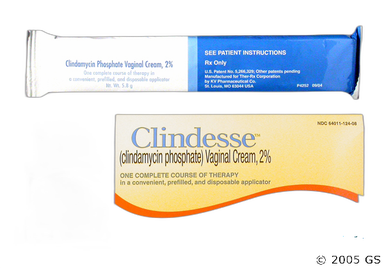
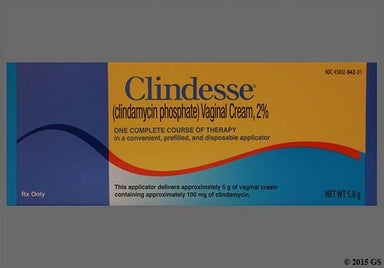
Clindamycin vaginal cream is an antibiotic used to treat bacterial vaginosis (BV). It’s available under two brand names, Clindesse and Cleocin, and applied inside the vagina using an applicator. Clindesse is a single-dose treatment used one time, while Cleocin and its generic versions are typically used once a day at bedtime for 3 or 7 days. Common side effects include vaginal irritation and yeast infections.

Clindamycin vaginal cream is a lincosamide antibiotic. It works by stopping bacteria from making the proteins they need to grow. This helps reduce harmful bacteria in the vagina and restores a more normal balance.
| Common Brands | Clindesse, Cleocin |
|---|---|
| Drug Class | Lincosamide antibiotic |
| Controlled Substance Classification | Not a controlled medication |
| Generic Status | No lower-cost generic available |
| Availability | Prescription only |

The following side effects may get better over time as your body gets used to the medication. Let your healthcare provider know immediately if you continue to experience these symptoms or if they worsen over time.
Clindesse:
Cleocin and its generics:
Clindesse:
Cleocin and its generics:
Contact your healthcare provider immediately if you experience any of the following.
Along with its needed effects, a medicine may cause some unwanted effects. Although not all of these side effects may occur, if they do occur they may need medical attention.
Check with your doctor as soon as possible if any of the following side effects occur:
More common
Itching of the vagina or genital area
pain during sexual intercourse
thick, white vaginal discharge with no odor or with mild odor
Rare
Burning, itching, rash, redness, swelling or other signs of skin problems not present before use of this medicine
After you stop using this medicine, it may still produce some side effects that need attention. During this period of time, check with your doctor immediately if you notice the following side effects:
Itching of the vagina or genital area
pain during sexual intercourse
thick, white vaginal discharge with no odor or with mild odor
Other side effects not listed may also occur in some patients. If you notice any other effects, check with your healthcare professional.
Call your doctor for medical advice about side effects. You may report side effects to the FDA at 1-800-FDA-1088.



How to use Cleocin vaginal cream and its generics
How to use Clindesse vaginal cream

Clindamycin vaginal cream can cause some serious health issues. This risk may be even higher for certain groups. If this worries you, talk to your doctor or pharmacist about other options.
Like all antibiotics, clindamycin vaginal cream can cause diarrhea because it can reduce the helpful bacteria in your gut. In rare cases, this diarrhea is caused by bacteria called Clostridioides difficile (C. diff), which is usually kept under control by your normal gut bacteria. C. diff can spread easily and can lead to diarrhea and serious dehydration, and it can happen even up to 2 months after you stop the medication.
Contact your care team if you have watery diarrhea, stomach cramps, fever, or feel very tired. If you have a C. diff infection, you might need fluids, nutrition support, or specific treatment. In severe cases, surgery may also be needed.
Clindamycin vaginal cream can weaken condoms and vaginal diaphragms, making them more likely to break. This can raise your risk of pregnancy and sexually transmitted infections (STIs). Ask your prescriber or pharmacist what other protection options you can use during this time.
It’s best to avoid vaginal sex until your infection is fully treated. Sex can irritate your vagina and make your symptoms worse. Don’t use latex or rubber products for birth control for 5 days after Clindesse and 3 days after Cleocin (or its generics).

 Applicator
| Dosage | Quantity | Price as low as | Price per unit |
|---|---|---|---|
| 5.8g of 2% | 1 applicator | $109.25 | $109.25 |

Although certain medicines should not be used together at all, in other cases two different medicines may be used together even if an interaction might occur. In these cases, your doctor may want to change the dose, or other precautions may be necessary. When you are taking this medicine, it is especially important that your healthcare professional know if you are taking any of the medicines listed below. The following interactions have been selected on the basis of their potential significance and are not necessarily all-inclusive.
Using this medicine with any of the following medicines is usually not recommended, but may be required in some cases. If both medicines are prescribed together, your doctor may change the dose or how often you use one or both of the medicines.
Using this medicine with any of the following medicines may cause an increased risk of certain side effects, but using both drugs may be the best treatment for you. If both medicines are prescribed together, your doctor may change the dose or how often you use one or both of the medicines.


Contraindications are specific health conditions or situations in which a person should not take a medication due to safety concerns. If you have any of the following conditions or if any of the following apply to you, let your healthcare provider know because Clindamycin vaginal cream will not be safe for you to take.




Prescription savings
Stop paying too much for your prescriptions. Compare prices, get pharmacy coupons, and save up to 80%.Resources
About GoodRx
 Find expert answers to your health questions so you can make the best decisions for yourself and your family.
Health conditions
Medications & treatment
Access & affordability
Well-being
Medication discounts

Even though Clindesse is a one-time treatment, it's designed to work over several days. The cream stays in the vagina and slowly releases the antibiotic over time. It starts working right away, but it could take a few days or even a couple of weeks for your symptoms to fully improve. Tell your prescriber if your symptoms get worse or don’t start to improve after a few days.
To use Clindesse, you insert it into your vagina using the applicator that comes with the medication. First, fill the applicator with the cream (or use a prefilled one), then lie on your back with your knees bent or stand in a comfortable position. Gently insert the applicator into your vagina as far as it will comfortably go, then push the plunger to release the cream. Remove the applicator and throw it away. Talk to your prescriber or pharmacist if you have questions on how to use the medication correctly.
How long it takes Clindesse to leave your system can vary from person to person. In studies, a different form of Clindesse took about 8 to 10 hours to leave the body. But Clindesse works differently because the cream slowly releases the medication in your vagina over time, so its effects last longer. Talk to your prescriber if you have questions about how long it stays in your system.
You can generally take doxycycline while using Cleocin vaginal cream. Both medications are antibiotics and they work in different parts of your body. Still, it’s a good idea to let your prescriber know all the medications you’re taking to make sure this combination is safe for you.
Cleocin vaginal cream is unlikely to cause side effects in babies when it's used while nursing. But some of the medication can still get into your breast milk. Tell your prescriber if you're breastfeeding so they can help you choose the safest treatment option for you and your baby.
Cleocin vaginal cream is generally considered safe to use during pregnancy, especially in the second and third trimesters. Many healthcare professionals prefer the vaginal cream over the oral pill because less of the medication enters your bloodstream, which limits your baby’s exposure. Treating bacterial vaginosis is important during pregnancy since leaving it untreated can lead to problems like early labor or low birth weight. Always check with your OB-GYN before starting any new medication to make sure it's safe.
Both Clindesse and Cleocin are vaginal creams that contain clindamycin and treat bacterial vaginosis, but they differ in how you use them. Clindesse releases the medication slowly, so you only need one application, and it's also less likely to leak out right away. On the other hand, Cleocin needs to be used once daily for several days to work. Talk to your prescriber if you have questions about comparing the two.
Studies of Clindesse showed the BV infection was cured in around 64% of women who took one dose of the medication after 21 days. This was similar to the number of women with a cured infection who took 7 doses of clindamycin 2% vaginal cream.
