




Does Fioricet Work for Migraine Headaches?
Fioricet is a prescription med for migraines containing acetaminophen, caffeine, and butalbital, with limited effectiveness and potential side effects.
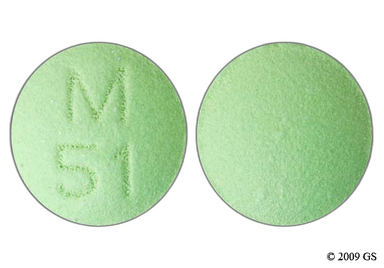
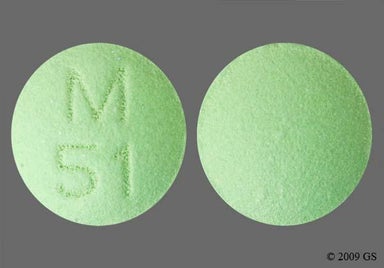
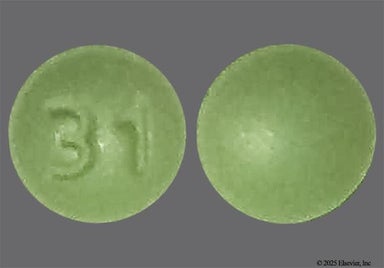
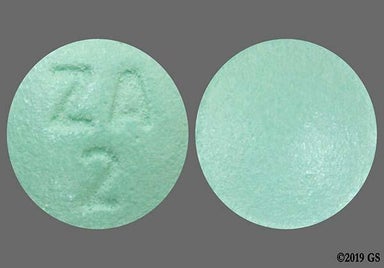
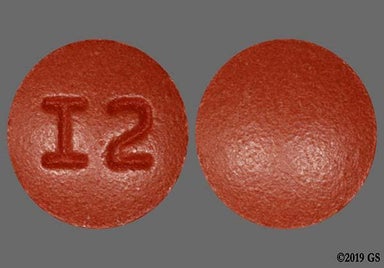
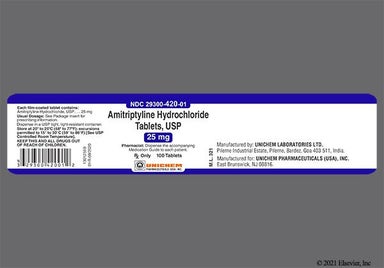
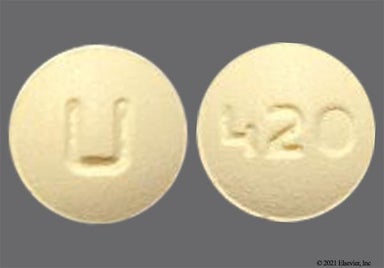
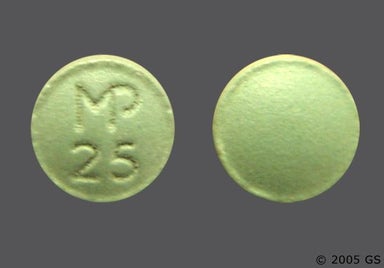
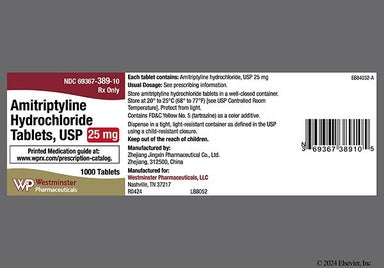
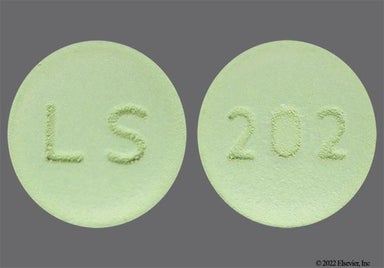
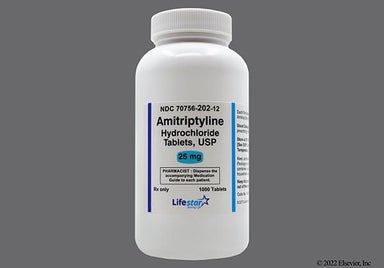
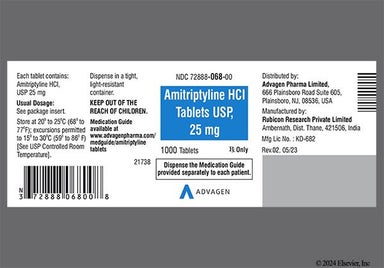
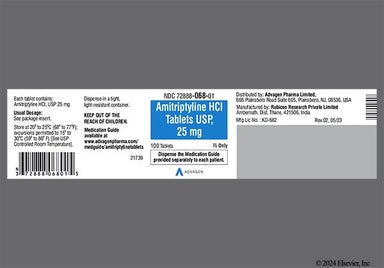
Amitriptyline is also known by the old brand name Elavil. It's a tricyclic antidepressant (TCA) that's approved to treat depression. But it's not used as often today for depression because it can cause a lot of side effects, like sleepiness and weight gain. It also has many drug interactions. Even so, amitriptyline is often used off label for other reasons, like nerve pain from diabetes and to help prevent migraines. Amitriptyline comes as a generic tablet that you take by mouth. The brand name Elavil is no longer available.

Amitriptyline is a tricyclic antidepressant (TCA). It's not clear how the medication works. But it's thought to treat depression by raising levels of serotonin and norepinephrine in the brain. This can help improve your mood.
| Common Brands | Elavil |
|---|---|
| Drug Class | Tricyclic antidepressant |
| Controlled Substance Classification | Not a controlled medication |
| Generic Status | Lower-cost generic available |
| Availability | Prescription only |

The following side effects may get better over time as your body gets used to the medication. Let your healthcare provider know immediately if you continue to experience these symptoms or if they worsen over time.
Contact your healthcare provider immediately if you experience any of the following.
Along with its needed effects, a medicine may cause some unwanted effects. Although not all of these side effects may occur, if they do occur they may need medical attention.
Check with your doctor immediately if any of the following side effects occur:
Incidence not known
Abdominal or stomach pain
agitation
black, tarry stools
bleeding gums
blood in urine or stools
blurred vision
burning, crawling, itching, numbness, prickling, "pins and needles", or tingling feelings
change in consciousness
changes in patterns and rhythms of speech
chest pain or discomfort
chills
cold sweats
coma
confusion
confusion about identity, place, and time
continuing ringing, buzzing, or other unexplained noise in ears
convulsions
cool, pale skin
cough or hoarseness
dark urine
decrease in frequency of urination
decrease in urine volume
decreased urine output
difficulty in breathing
difficulty in passing urine (dribbling)
difficulty in speaking
disturbance of accommodation
disturbed concentration
dizziness, faintness, or lightheadedness when getting up from a lying or sitting position suddenly
double vision
excitement
fainting
false beliefs that cannot be changed by facts
fast, slow, or irregular heartbeat
fear or nervousness
fever with or without chills
flushed, dry skin
fruit-like breath odor
general feeling of tiredness or weakness
headache
hearing loss
high fever
high or low blood pressure
hostility
inability to move arms, legs, or facial muscles
inability to speak
increased hunger
increased need to urinate
increased ocular pressure
increased sweating
increased thirst
increased urination
irritability
lack of coordination
lethargy
light-colored stools
lip smacking or puckering
loss of appetite
loss of balance control
loss of bladder control
loss of consciousness
lower back or side pain
mental depression or anxiety
muscle spasm or jerking of all extremities
muscle tightness
muscle trembling, jerking, or stiffness
muscle twitching
nightmares or unusually vivid dreams
overactive reflexes
painful or difficult urination
passing urine more often
pinpoint red spots on skin
poor coordination
pounding in the ears
puffing of cheeks
rapid or worm-like movements of tongue
rapid weight gain
restlessness
seeing, hearing, or feeling things that are not there
seizures
severe muscle stiffness
shakiness and unsteady walk
shivering
shortness of breath
shuffling walk
slow speech
slurred speech
sores, ulcers, or white spots on lips or in mouth
stiffness of limbs
stupor
sudden loss of consciousness
sweating
swelling of face, ankles, or hands
swelling or puffiness of face
swollen glands
talking or acting with excitement you cannot control
trouble in speaking
trouble sleeping
troubled breathing
twisting movements of body pain or discomfort in arms, jaw, back, or neck
unable to sleep
uncontrolled chewing movements
uncontrolled movements, especially of arms, face, neck, back, and legs
unexplained weight loss
unpleasant breath odor
unsteadiness, trembling, or other problems with muscle control or coordination
unusual bleeding or bruising
unusual tiredness or weakness
unusually pale skin
upper right abdominal pain
vomiting of blood
weakness in arms, hands, legs, or feet
weight gain or loss
yellow eyes and skin
Get emergency help immediately if any of the following symptoms of overdose occur:
Symptoms of Overdose
Clumsiness
drowsiness
low body temperature
muscle aches
muscle weakness
sleepiness
tiredness
weak or feeble pulse
Some side effects may occur that usually do not need medical attention. These side effects may go away during treatment as your body adjusts to the medicine. Also, your health care professional may be able to tell you about ways to prevent or reduce some of these side effects. Check with your health care professional if any of the following side effects continue or are bothersome or if you have any questions about them:
Incidence not known
Bigger, dilated, or enlarged pupils (black part of eye)
black tongue
breast enlargement in females
decreased interest in sexual intercourse
hair loss, thinning of hair
hives or welts
inability to have or keep an erection
increased in sexual ability, desire, drive, or performance
increased interest in sexual intercourse
increased sensitivity of eyes to light
loss in sexual ability, desire, drive, or performance
loss of sense of taste
redness or other discoloration of skin
severe sunburn
skin rash
swelling of testicles
swelling of the breasts or breast soreness in males
swelling of the parotid glands
swelling or inflammation of the mouth
unexpected or excess milk flow from breasts
Other side effects not listed may also occur in some patients. If you notice any other effects, check with your healthcare professional.
Call your doctor for medical advice about side effects. You may report side effects to the FDA at 1-800-FDA-1088.




Amitriptyline can cause some serious health issues. This risk may be even higher for certain groups. If this worries you, talk to your doctor or pharmacist about other options.
 Some people taking amitriptyline for depression might feel worse. This medication can also raise the risk of suidical thoughts or behavior. The risk is highest for people age 24 and younger.
Watch for signs like worsening depression, anxiety, panic attacks, trouble sleeping, or feeling angry or irritated. This is most important during the first few months of treatment or after a dose change. If you or someone close to you notices unusual mood or behavior changes, talk to your care team. Call 911 right away if you have thoughts of hurting yourself.
Amitriptyline can sometimes cause a serious and sometimes life-threatening problem called serotonin syndrome. This happens when you have too much serotonin in your brain. Amitriptyline can raise serotonin levels.
The risk is higher if you take amitriptyline with other medications that also raise serotonin levels. These include other antidepressants, cough medications with dextromethorphan, and triptans for migraines. Tell your care team about all the medications you take so they can check your risk.
Watch for a high fever, fast heart rate, heavy sweating, stiff muscles, confusion, or restlessness. These can be signs of serotonin syndrome. Stop taking amitriptyline and get medical help right away if you notice these symptoms.
Depression can sometimes be the first sign of bipolar disorder. Taking an antidepressant like amitriptyline by itself can cause a manic episode in people with bipolar disorder. A manic episode can look like lots of energy, talking rapidly, racing thoughts, and less need for sleep.
Before starting amitriptyline for depression, tell your prescriber if you or anyone in your family has bipolar disorder. They'll check your risk and make sure you get the right care. Amitriptyline isn't approved to treat bipolar depression. Get medical help right away if you or someone close to you thinks you're having a manic episode.
Before starting amitriptyline, talk to your prescriber if you have any heart problems or have had a stroke before. They can help decide if this medication is safe for you. Amitriptyline, especially at higher doses, might affect heart rhythm (arrhythmia). Some people taking tricyclic antidepressants like amitriptyline have had a heart attack or stroke.
Let your prescriber know if your heart feels like it's beating oddly while taking amitriptyline. Get medical help right away if you have chest pain, pain in your left arm, cold sweats, or trouble breathing. These can be signs of a heart attack. Also get emergency help if you have signs of a stroke. This can look like a sudden headache, weakness on one side of the body, a droopy face, confusion, or trouble speaking.
Amitriptyline can sometimes lower the sodium levels in the body. Low sodium can cause headaches, trouble concentrating, memory problems, confusion, weakness, or balance problems. If you notice any of these symptoms, call your prescriber right away.
Amitriptyline might raise your risk of seizures, especially at higher doses. This is one of the reasons why you start at a low dose and why your prescriber will slowly raise the dose over time. If you've had a seizure before, talk to your prescriber to make sure amitriptyline is safe for you. If you have a seizure while taking amitriptyline, get medical help right away.
Antidepressants like amitriptyline can sometimes cause a sudden eye problem called an angle-closure attack. This is more likely in people with narrow-angle eyes who haven't had laser eye surgery. Tell your prescriber if you've had angle-closure glaucoma before.
Call your eye specialist right away if you have signs of an angle-closure attack. This can include sudden blurry vision, severe eye pain, or see halos around lights. This is a serious eye problem that needs urgent medical care.

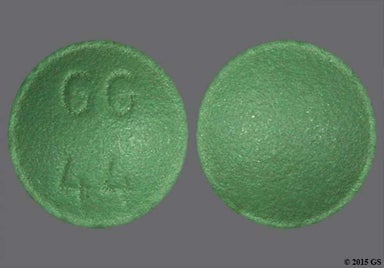
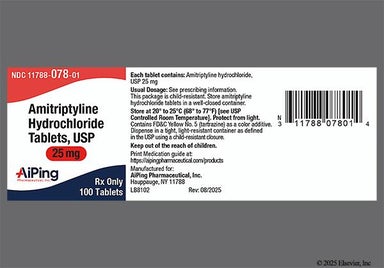
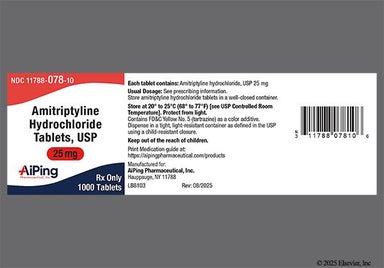
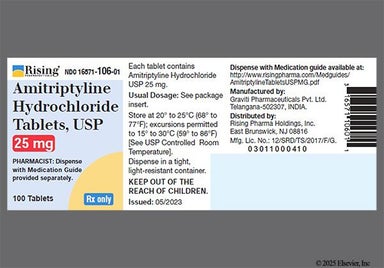
 Tablet
| Dosage | Quantity | Price as low as | Price per unit |
|---|---|---|---|
| 10mg | 30 tablets | $4.00 | $0.13 |
| 25mg | 30 tablets | $4.00 | $0.13 |
| 50mg | 90 tablets | $10.00 | $0.11 |
| 75mg | 30 tablets | $4.00 | $0.13 |
| 100mg | 90 tablets | $30.15 | $0.34 |
| 150mg | 30 tablets | $19.67 | $0.66 |
You typically start at a low dose of amitriptyline. Then, your prescriber will adjust your dose depending on how well it's working for you and if you have side effects.
For depression:

Although certain medicines should not be used together at all, in other cases two different medicines may be used together even if an interaction might occur. In these cases, your doctor may want to change the dose, or other precautions may be necessary. When you are taking this medicine, it is especially important that your healthcare professional know if you are taking any of the medicines listed below. The following interactions have been selected on the basis of their potential significance and are not necessarily all-inclusive.
Using this medicine with any of the following medicines is not recommended. Your doctor may decide not to treat you with this medication or change some of the other medicines you take.
Using this medicine with any of the following medicines is usually not recommended, but may be required in some cases. If both medicines are prescribed together, your doctor may change the dose or how often you use one or both of the medicines.
Using this medicine with any of the following medicines may cause an increased risk of certain side effects, but using both drugs may be the best treatment for you. If both medicines are prescribed together, your doctor may change the dose or how often you use one or both of the medicines.


Contraindications are specific health conditions or situations in which a person should not take a medication due to safety concerns. If you have any of the following conditions or if any of the following apply to you, let your healthcare provider know because Amitriptyline will not be safe for you to take.











Prescription savings
Stop paying too much for your prescriptions. Compare prices, get pharmacy coupons, and save up to 80%. Find expert answers to your health questions so you can make the best decisions for yourself and your family.
Health conditions
Medications & treatment
Access & affordability
 Our monthly healthcare membership can help you save thousands on your prescription costs.
Resources

Yes, weight gain can be a common side effect of Amitriptyline. Studies show that people can gain up to 16 pounds while taking this medication. Note that how much weight you might gain can depend on your dose and how long you've taken the medication. To help manage your weight, try to make healthful food choices and exercise regularly. If you're concerned about weight gain or notice too much weight gain, talk to your care team. They can give you more tips on how to manage your weight and provide guidance on the next steps to take.
Yes. You can have withdrawal symptoms if you stop taking Amitriptyline suddenly. Symptoms can include tiredness, dizziness, weakness, and anxiety. You might also have an upset stomach, muscle aches, stiff muscles, or trouble sleeping. In general, these symptoms happen because there's a sudden drop in serotonin in the brain after you stop the medication. It's not because of your psychological need for it. Make sure to take Amitriptyline exactly as prescribed. If you want to stop taking it, talk to your prescriber first. If it's the right choice for you, they'll lower your dose slowly so you can stop safely.
No. Amitriptyline isn't an SSRI, or a selective serotonin reuptake inhibitor. Instead, it's a tricyclic antidepressant (TCA). Both SSRIs and TCAs are types of antidepressants that can help with depression. But they work in slightly different ways and have slightly different side effects.
No, Amitriptyline isn't a controlled substance. It isn't known to have a risk of addiction. It also doesn't have a risk of misuse or dependence.
You should avoid alcohol while taking Amitriptyline. Alcohol can make side effects like dizziness and sleepiness worse. It can also sometimes lead to a blackout. What's more, alcohol can worsen feelings of depression. Talk to your prescriber about how much alcohol you usually drink. They can make sure you can take Amitriptyline safely. If it's hard for you to stop drinking, talk to your prescriber for help to quit alcohol.
Amitriptyline isn't FDA approved to help with sleep. But treatment guidelines for insomnia say that it might help people who have both trouble sleeping and depression. This is an off-label use of the medication. Don't take Amitriptyline for sleep unless it's prescribed for you for that reason. If you have trouble sleeping, talk to your primary care provider or a sleep specialist. They can help find the best treatment for you.
Sometimes. Amitriptyline is mainly used to treat depression, not anxiety. Most people take SSRIs or SNRIs first for some types of anxiety. But if those don't work well, prescribers can consider TCAs like Amitriptyline as a second-choice option. This is called an off-label use because Amitriptyline isn't FDA approved for anxiety. Don't take Amitriptyline for anxiety unless it's prescribed for you for this reason. If you have anxiety, talk to your primary care provider or a mental health specialist about treatment options.
Amitriptyline and nortriptyline (Pamelor) are very similar medications. They're both tricyclic antidepressants (TCAs) used to treat depression. In fact, after you take amitriptyline, your body turns it into nortriptyline. The main difference is their side effects. Amitriptyline might be more likely to cause sleepiness, low blood pressure, dry mouth, and trouble urinating. Another difference is that Amitriptyline only comes as tablets. But nortriptyline (Pamelor) comes as pills and a liquid. Talk to a healthcare professional to help you compare.
