


What Are the Best Prescription Weight-Loss Pills?
There are several weight-loss medications on the market, but which one is the best fit for you? Compare popular weight-loss pills and see common FAQs.
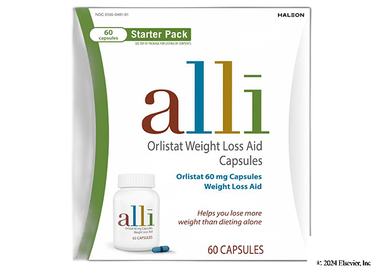
Orlistat is a medication that works alongside diet and exercise to increase weight loss in people who are overweight or obese. It needs to be taken three times a day and is available with a prescription in a higher dose (Xenical) or over the counter in a lower dose (Alli).

Xenical (orlistat):
Orlistat is a lipase inhibitor. It inhibits (blocks) proteins called lipases in your stomach and pancreas that normally help to digest fats in your diet. By blocking lipase, orlistat helps your body absorb less fat.
| Common Brands | Xenical, Alli |
|---|---|
| Drug Class | Lipase inhibitor |
| Controlled Substance Classification | Not a controlled medication |
| Generic Status | No lower-cost generic available |
| Availability | Prescription or over-the-counter |

The following side effects may get better over time as your body gets used to the medication. Let your healthcare provider know immediately if you continue to experience these symptoms or if they worsen over time.
Xenical (orlistat):
Xenical (orlistat):
Contact your healthcare provider immediately if you experience any of the following.
Along with its needed effects, a medicine may cause some unwanted effects. Although not all of these side effects may occur, if they do occur they may need medical attention.
Check with your doctor immediately if any of the following side effects occur:
More common
Bladder pain
body aches
chills
difficulty with breathing
ear congestion
general feeling of discomfort or illness
headache
loss of appetite
loss of voice
lower back or side pain
muscle aches and pains
shivering
sweating
trouble sleeping
unusual tiredness or weakness
vomiting
Rare
Bloody or cloudy urine
change in hearing
contagious diarrhea
dark urine
difficult or painful urination
fast heartbeat
frequent urge to urinate
general tiredness and weakness
hoarseness
irritation
joint pain, stiffness, or swelling
large, hive-like swelling on the face, eyelids, lips, tongue, throat, hands, legs, feet, or sex organs
light-colored stools
noisy breathing
pain in the ears
rash
redness of the skin
shortness of breath
skin blisters
swelling of the eyelids, face, lips, hands, or feet
troubled swallowing
upper right abdominal or stomach pain
yellow eyes and skin
Incidence not known
blurred vision
cold sweats
coma
confusion
cool, pale skin
dizziness
dry skin and hair
feeling cold
hoarseness or husky voice
increased hunger
indigestion
loss of appetite
muscle cramps and stiffness
nervousness
nightmares
pains in the stomach, side, or abdomen, possibly radiating to the back
seizures
Some side effects may occur that usually do not need medical attention. These side effects may go away during treatment as your body adjusts to the medicine. Also, your health care professional may be able to tell you about ways to prevent or reduce some of these side effects. Check with your health care professional if any of the following side effects continue or are bothersome or if you have any questions about them:
Other side effects not listed may also occur in some patients. If you notice any other effects, check with your healthcare professional.
Call your doctor for medical advice about side effects. You may report side effects to the FDA at 1-800-FDA-1088.




Orlistat can cause some serious health issues. This risk may be even higher for certain groups. If this worries you, talk to your doctor or pharmacist about other options.
Orlistat can affect the way other medications work. Similarly, other medications can affect the way orlistat works. Examples of these medications include cyclosporine, levothyroxine, warfarin, amiodarone, anti-seizure medications, and HIV medications. Tell your provider and pharmacist about all the medications and supplements you're taking before starting orlistat. They can help you make sure you're taking all of your medications at the correct times to get the most out of each medication.
Orlistat can sometimes cause serious liver injury. Your provider will likely check your liver before starting you on orlistat. If you have a history of liver problems, your provider may check your liver tests more often. While taking this medication, if you experience abdominal pain, dark-colored urine, pale-colored stools, or yellowing of the skin or eyes, loss of appetite, or itching, get medical help right away.
Although rare, orlistat can raise the amount of oxalate in your urine. If there's too much oxalate in the urine, it can bind to calcium and cause kidney stones. Your provider will make sure to check your kidney function before starting you on orlistat and throughout treatment to make sure you don't develop kidney injury or kidney stones. Tell your provider right away if you develop pain on the sides of your lower back, blood in your urine, nausea or vomiting, or urine that smells bad or looks cloudy.
Losing weight can sometimes raise the risk of gallstones. In the clinical studies for orlistat, about 3% of people who took the medication to prevent diabetes developed gallstones compared to 2% of people who took the placebo.
Your provider will want to rule out all causes of obesity before starting you on treatment with orlistat. If you have hypothyroidism, for example, your provider can prescribe you a thyroid medication rather than a weight loss drug like orlistat.

 Capsule
| Dosage | Quantity | Price as low as | Price per unit |
|---|---|---|---|
| 60mg | 90 capsules | $52.98 | $0.59 |

Although certain medicines should not be used together at all, in other cases two different medicines may be used together even if an interaction might occur. In these cases, your doctor may want to change the dose, or other precautions may be necessary. When you are taking this medicine, it is especially important that your healthcare professional know if you are taking any of the medicines listed below. The following interactions have been selected on the basis of their potential significance and are not necessarily all-inclusive.
Using this medicine with any of the following medicines is usually not recommended, but may be required in some cases. If both medicines are prescribed together, your doctor may change the dose or how often you use one or both of the medicines.
Using this medicine with any of the following medicines may cause an increased risk of certain side effects, but using both drugs may be the best treatment for you. If both medicines are prescribed together, your doctor may change the dose or how often you use one or both of the medicines.


Contraindications are specific health conditions or situations in which a person should not take a medication due to safety concerns. If you have any of the following conditions or if any of the following apply to you, let your healthcare provider know because Orlistat will not be safe for you to take.
Xenical (orlistat):










Prescription savings
Stop paying too much for your prescriptions. Compare prices, get pharmacy coupons, and save up to 80%. Find expert answers to your health questions so you can make the best decisions for yourself and your family.
Health conditions
Medications & treatment
Access & affordability
 Our monthly healthcare membership can help you save thousands on your prescription costs.
Resources

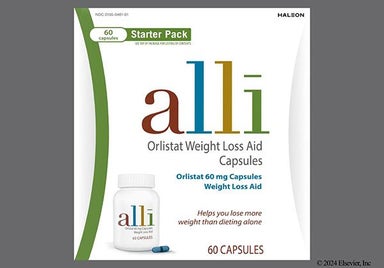
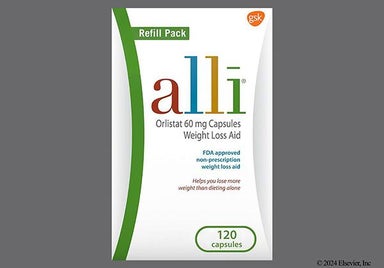
Xenical and Alli contain the same active ingredient: orlistat. They all work in the same way to block lipases from digesting fat. Xenical is the prescription version of orlistat and Alli, on the other hand, is the over-the-counter form of orlistat that's half the dose (60 mg) of Xenical (120 mg). Since Alli is half the dose, it only blocks about 25% of the fat you eat (unlike Xenical which blocks about 30%).
Ideally, you want to take Alli at the same time as your fat-containing meal. If it's been less than an hour after your fat-containing meal, you can still take Alli.
Skip your Alli dose if you miss a meal or if you eat a meal that doesn't contain fat.
While it's known that taking a weight loss medication like Alli can be dangerous during pregnancy, less is known about its effects postpartum and while breastfeeding. It's not known if the medication gets into the breast milk, so talk to your provider before you breastfeed and take Alli.
Although the words "overweight" and "obese" are similar, they're based on different BMI numbers. Someone with a BMI of 25-29.9 is considered overweight, while someone with a BMI 30 or over is considered obese. Xenical is approved for people who are obese (BMI 30 or over), however, your provider may prescribe this medication to you if you have a BMI greater than 27 and have other conditions such as high blood pressure, diabetes, or high cholesterol. Alli can be used for overweight adults.
