


Allergy Medicine: Comparing the Best OTC Allergy Medications
No matter what’s causing your allergy symptoms, the right medication can provide relief. Review the best allergy medicines available, from nasal sprays to pills.
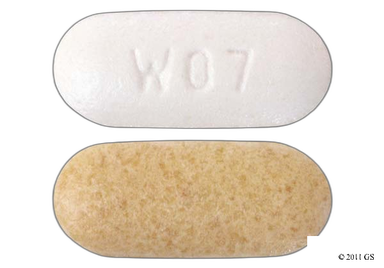
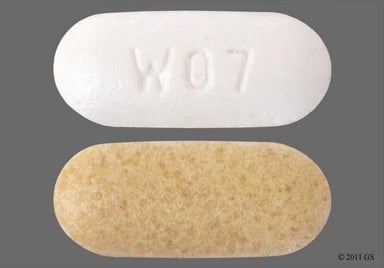
Allegra-D is a combination of two medications: pseudoephedrine (a decongestant) and fexofenadine (an antihistamine). It's taken by people ages 12 years and older to relieve allergy symptoms, like sinus congestion and runny nose. Allegra-D (fexofenadine / pseudoephedrine) is taken by mouth, either every 12 hours or every 24 hours, depending on the formulation (Allegra-D 12-hour or Allegra-D 24-hour. Some common side effects include headache and trouble sleeping. This medication is available as both brand name and generics.

Short-term relief of allergy symptoms in adults and children ages 12 years and older:
Allegra-D (fexofenadine / pseudoephedrine) is a combination of two medications that work together to relieve allergy symptoms.
| Common Brands | Allegra-D |
|---|---|
| Drug Class | Antihistamine / Decongestant |
| Controlled Substance Classification | Controlled in some states. See FAQs below. |
| Generic Status | Lower-cost generic available |
| Availability | Over-the-counter |

The following side effects may get better over time as your body gets used to the medication. Let your healthcare provider know immediately if you continue to experience these symptoms or if they worsen over time.
Contact your healthcare provider immediately if you experience any of the following.
Along with its needed effects, a medicine may cause some unwanted effects. Although not all of these side effects may occur, if they do occur they may need medical attention.
Check with your doctor as soon as possible if any of the following side effects occur:
More common
Trouble in sleeping
Incidence not known
Difficult or labored breathing
difficulty swallowing
dizziness
fast heartbeat
feeling of warmth
hives or welts
itching skin
itching, puffiness or swelling of the eyelids or around the eyes, face, lips or tongue
large, hive-like swelling on face, eyelids, lips, tongue, throat, hands, legs, feet, sex organs
reddening of the skin, especially around ears
redness of the face, neck, arms and occasionally, upper chest
shortness of breath
skin rash
tightness in chest
swelling of eyes, face, or inside of nose
unusual tiredness or weakness
Some side effects may occur that usually do not need medical attention. These side effects may go away during treatment as your body adjusts to the medicine. Also, your health care professional may be able to tell you about ways to prevent or reduce some of these side effects. Check with your health care professional if any of the following side effects continue or are bothersome or if you have any questions about them:
Incidence not known
Terrifying dreams causing sleep disturbances
Other side effects not listed may also occur in some patients. If you notice any other effects, check with your healthcare professional.
Call your doctor for medical advice about side effects. You may report side effects to the FDA at 1-800-FDA-1088.




Allegra-D (fexofenadine / pseudoephedrine) can cause some serious health issues. This risk may be even higher for certain groups. If this worries you, talk to your doctor or pharmacist about other options.
Pseudoephedrine in Allegra-D can raise your heart rate and blood pressure, even at recommended doses. If you have a history of heart problems or high blood pressure, ask your cardiologist if Allegra-D (fexofenadine / pseudoephedrine) is safe for you before taking this medication. If you get severe headaches, nosebleeds, difficulty breathing, irregular heartbeat, or chest pain while taking Allegra-D (fexofenadine / pseudoephedrine), stop taking it and get medical attention right away. These can be signs of seriously high blood pressure.
Talk with your primary care provider or pharmacist first before you start Allegra-D (fexofenadine / pseudoephedrine) if you have other medical conditions. They can make sure this medication is safe and appropriate for you to take.
People who are 65 years of age or older might feel side effects from Allegra-D (fexofenadine / pseudoephedrine) more intensely. In addition, this medication might worsen certain medical conditions, like high blood pressure, thyroid problems, diabetes, glaucoma, and breathing problems.
Allegra-D contains an antihistamine (fexofenadine) and a decongestant (pseudoephedrine). Antihistamines and decongestants are commonly found in other over-the-counter and prescription medications.
Taking too many antihistamines or too many decongestants can be dangerous and lead to serious side effects, including high blood pressure, seizures, and hallucinations (seeing or hearing things that aren't real).
Ask your primary care provider or pharmacist if you're not sure whether you're taking a medication that has the same or similar ingredients as Allegra-D. Tell your primary care provider or pharmacist about the medications you take or plan to take to make sure they're safe for you. Get medical help or contact a Poison Control Center at 1-800-222-1222 right away if you think you or a loved one accidentally took too much medication.

 Tablet
| Dosage | Quantity | Price as low as | Price per unit |
|---|---|---|---|
| 12 hour | 60 tablets | $21.90 | $0.37 |
| 24 hour | 30 tablets | $15.52 | $0.52 |
Allegra-D (fexofenadine / pseudoephedrine) 24-hour tablet: Each tablet contains 180 mg of fexofenadine and 240 mg of pseudoephedrine.
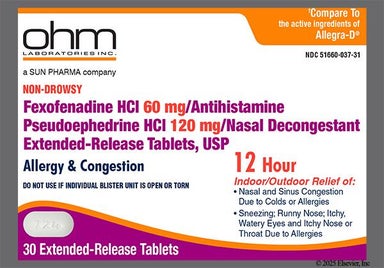
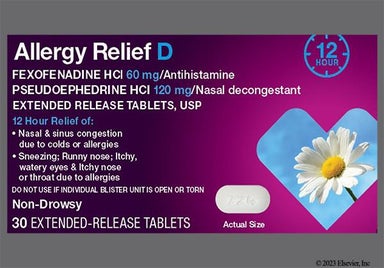
Allegra-D (fexofenadine / pseudoephedrine) 12-hour tablet: Each tablet contains 60 mg of fexofenadine and 120 mg of pseudoephedrine.
Your dose might be different if you have kidney problems.

Although certain medicines should not be used together at all, in other cases two different medicines may be used together even if an interaction might occur. In these cases, your doctor may want to change the dose, or other precautions may be necessary. When you are taking this medicine, it is especially important that your healthcare professional know if you are taking any of the medicines listed below. The following interactions have been selected on the basis of their potential significance and are not necessarily all-inclusive.
Using this medicine with any of the following medicines is not recommended. Your doctor may decide not to treat you with this medication or change some of the other medicines you take.
Using this medicine with any of the following medicines is usually not recommended, but may be required in some cases. If both medicines are prescribed together, your doctor may change the dose or how often you use one or both of the medicines.
Using this medicine with any of the following medicines may cause an increased risk of certain side effects, but using both drugs may be the best treatment for you. If both medicines are prescribed together, your doctor may change the dose or how often you use one or both of the medicines.


Contraindications are specific health conditions or situations in which a person should not take a medication due to safety concerns. If you have any of the following conditions or if any of the following apply to you, let your healthcare provider know because Allegra-D (fexofenadine / pseudoephedrine) will not be safe for you to take.

Short-term relief of allergy symptoms in adults and children ages 12 years and older:
Short-term relief of allergy symptoms in adults and children ages 12 years and older:









Prescription savings
Stop paying too much for your prescriptions. Compare prices, get pharmacy coupons, and save up to 80%. Find expert answers to your health questions so you can make the best decisions for yourself and your family.
Health conditions
Medications & treatment
Access & affordability
 Our monthly healthcare membership can help you save thousands on your prescription costs.
Resources

Yes, pseudoephedrine in Allegra-D is a decongestant that's used to treat nasal and sinus congestion.
Both Allegra-D and Allegra contain the antihistamine fexofenadine to help treat symptoms like runny nose, itchy or watery eyes, and sneezing. But Allegra-D also contains the decongestant pseudoephedrine, which is why the letter "D" is in the brand name, Allegra-D. If you're experiencing nasal or sinus congestion and pressure in addition to other typical allergy symptoms, Allegra-D is a better choice than Allegra.
Allegra-D starts to treat allergy symptoms within an hour after taking a dose. The effects of the medication last for 12 hours (for the 12-hour tablet) or 24 hours (for the 24-hour tablet).
Ask your healthcare team how long you can take Allegra-D. The manufacturer doesn't set a time limit on how long you can take this medication. But they recommend that you contact your primary care provider if your allergy symptoms haven't improved after taking this medication for a week, or if you develop a fever because these might be signs that you need more medical attention. In addition, because the pseudoephedrine in Allegra-D can affect your blood pressure and heart rate, your healthcare team might recommend a different option for you if you need to take an allergy medication long-term.
Yes, the pseudoephedrine in Allegra-D might cause you to feel anxious. This side effect is temporary and should go away after the medication wears off. Let your primary care provider know if Allegra-D is making you feel too anxious to go about your day or if this side effect doesn't get better with time. They might ask you to take a lower dose or recommend that you take a different medication.
Yes, pseudoephedrine in Allegra-D can raise your blood pressure. If you already have high blood pressure, check with your primary care provider to see if you can take Allegra-D. They might recommend a different medication for you if they don't think this medication is a safe option.
If you're pregnant or thinking of getting pregnant, don't take Allegra-D until you've talked with your obstetrician-gynecologist (OB-GYN) first. Allegra-D contains pseudoephedrine and research is mixed on whether it's safe to take during pregnancy. Your OB-GYN might recommend that you avoid using Allegra-D at least during the first 3 months of pregnancy because of the potential risk of harm to babies. If you experience allergy symptoms during pregnancy, talk with your healthcare team about safer options.
Yes, Allegra-D is an over-the-counter medication that you can find at local pharmacies. But you can only purchase it at the pharmacy counter (or behind the counter) with a valid photo identification and signature. There are strict regulations around this medication because it contains pseudoephedrine, which can potentially be misused. Some states consider Allegra-D a controlled substance. Ask your pharmacist if you have questions about how to purchase Allegra-D in the pharmacy.
