



Is Your Medication Causing Dry Mouth?
Dry mouth isn’t just an annoyance, it can lead to serious dental issues if left untreated. Read on to see which medications are most likely to cause dry mouth.
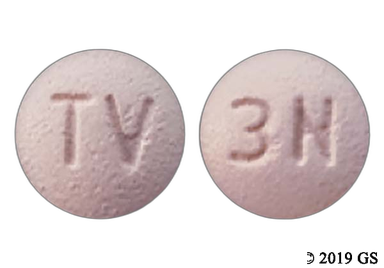
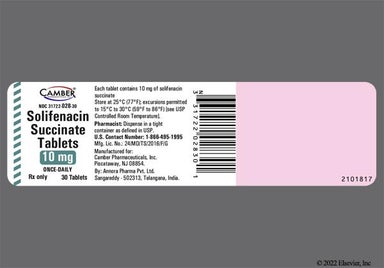
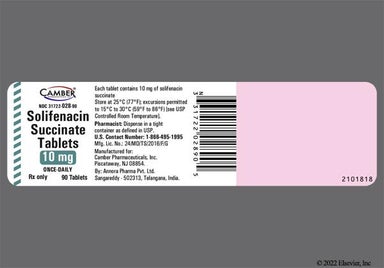
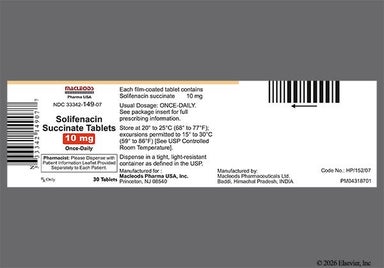
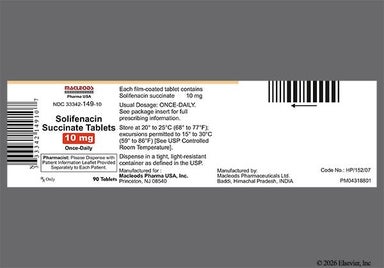
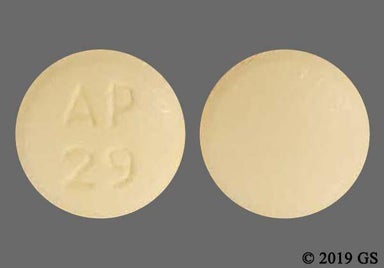
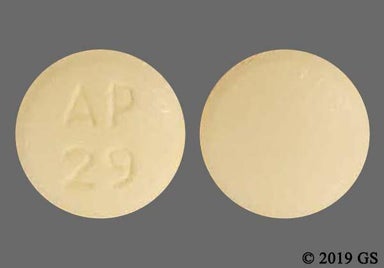
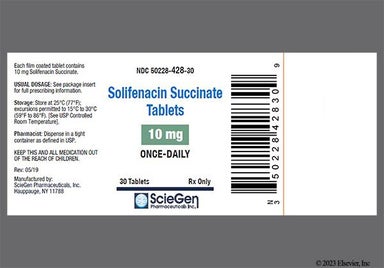
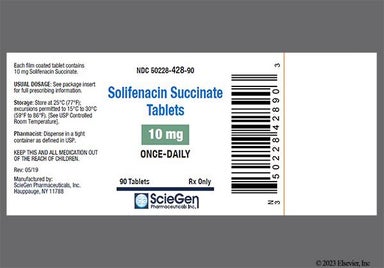
Solifenacin succinate, also known by the brand name Vesicare, is an anticholinergic medication. It's used to treat overactive bladder (OAB) in adults. This medication comes as tablets that are taken by mouth once a day. The most common side effects are dry mouth and constipation.

Solifenacin (Vesicare) is an antimuscarinic medication. It's also commonly called an anticholinergic.
Solifenacin (Vesicare) blocks a chemical called acetylcholine from attaching to certain receptors in the bladder. This helps relax your bladder muscles. It helps you urinate less often and have better control of your bladder.
| Common Brands | Vesicare |
|---|---|
| Drug Class | Anticholinergic |
| Controlled Substance Classification | Not a controlled medication |
| Generic Status | Lower-cost generic available |
| Availability | Prescription only |

The following side effects may get better over time as your body gets used to the medication. Let your healthcare provider know immediately if you continue to experience these symptoms or if they worsen over time.
Contact your healthcare provider immediately if you experience any of the following.
Along with its needed effects, a medicine may cause some unwanted effects. Although not all of these side effects may occur, if they do occur they may need medical attention.
Check with your doctor immediately if any of the following side effects occur:
Less common
Bladder pain
bloody or cloudy urine
blurred vision
chills
decrease in the frequency of urination
decrease in urine volume
difficult, burning, or painful urination
dizziness
frequent urge to urinate
headache
lower back or side pain
nervousness
pounding in the ears
slow or fast heartbeat
swelling of the lower legs
unusual tiredness or weakness
Incidence not known
Bloating or swelling of the face, arms, hands, lower legs, or feet
body aches or pain
chest pain or discomfort
confusion
decreased or increased sweating
discouragement
fainting
feeling sad or empty
general feeling of discomfort or illness
hives or welts, itching, skin rash
hoarseness
irregular heartbeat recurrent
irritability
joint pain
lack of appetite
large, hive-like swelling on the face, eyelids, lips, tongue, throat, hands, legs, feet, or sex organs
loss of interest or pleasure
muscle aches and pains
redness of the skin
runny or stuffy nose
seeing, hearing, or feeling things that are not there
shivering
tender, swollen glands in the neck
tingling of the hands or feet
trouble concentrating
trouble with sleeping
trouble with swallowing
unusual weight gain or loss
voice changes
Some side effects may occur that usually do not need medical attention. These side effects may go away during treatment as your body adjusts to the medicine. Also, your health care professional may be able to tell you about ways to prevent or reduce some of these side effects. Check with your health care professional if any of the following side effects continue or are bothersome or if you have any questions about them:
More common
Other side effects not listed may also occur in some patients. If you notice any other effects, check with your healthcare professional.
Call your doctor for medical advice about side effects. You may report side effects to the FDA at 1-800-FDA-1088.




Solifenacin (Vesicare) can cause some serious health issues. This risk may be even higher for certain groups. If this worries you, talk to your doctor or pharmacist about other options.
Some people taking solifenacin (Vesicare) have had serious allergic reactions. This can include severe swelling called angioedema. This can happen in the face, lips, tongue, or throat. Swelling of the tongue or throat area can be life-threatening, since it can make it hard to breathe. Another allergic reaction is anaphylaxis, which can cause swelling, trouble breathing, or hives.
Go to the emergency room right away if you have sudden trouble breathing or swelling in your face or throat.
Solifenacin (Vesicare) can cause sleepiness, dizziness, headache, or confusion. Rarely, it can also cause hallucinations, such as seeing or hearing things that aren't real. Watch for these side effects when you start taking the medication or after your dose goes up.
Let your care team know if they bother you or make daily activities hard to do. Don't drive or do anything that needs your full attention until you know how solifenacin (Vesicare) makes you feel. Keep in mind that other medications that cause sleepiness can make these side effects worse.
Solifenacin (Vesicare) can make it harder to empty your bladder. This can cause urinary retention and, in serious cases, kidney problems. Tell your prescriber before taking this medication if you already have trouble urinating.
Let your prescriber know if you can't urinate or have a lot of trouble urinating. You might need to stop taking solifenacin (Vesicare).
Before you start solifenacin (Vesicare), let your prescriber know if you have glaucoma. Solifenacin (Vesicare) can worsen narrow-angle glaucoma. Because of this, your prescriber can talk to you about the risks and benefits of this medication.
If you have glaucoma, tell your eye specialist that you're taking solifenacin (Vesicare). They can follow up with you more closely.
Solifenacin (Vesicare) can slow down movement in your stomach and intestines. Because of this, it might not be safe if you have a condition that already slows digestion. You shouldn't take solifenacin (Vesicare) if you have a blockage in your stomach or intestines.
Tell your prescriber if you have digestive problems, such as gastroparesis (slow stomach emptying). They can check if solifenacin (Vesicare) is right for you.
Taking much more solifenacin (Vesicare) than recommended has caused QT prolongation. This is when the heart takes longer to reset between beats, which can lead to irregular heart rhythm. There might also be some risk with the 10 mg dose.
Before starting solifenacin (Vesicare), tell your prescriber about your conditions and medications. Solifenacin (Vesicare) isn't recommended for people at high risk of QT prolongation. This includes people who already have QT prolongation or take other medications that can cause it. Your prescriber can check if solifenacin (Vesicare) is safe for you.
Get medical help right away if you have a fast or irregular heartbeat, severe dizziness, or fainting. These can be signs of a serious heart rhythm problem.


Although certain medicines should not be used together at all, in other cases two different medicines may be used together even if an interaction might occur. In these cases, your doctor may want to change the dose, or other precautions may be necessary. When you are taking this medicine, it is especially important that your healthcare professional know if you are taking any of the medicines listed below. The following interactions have been selected on the basis of their potential significance and are not necessarily all-inclusive.
Using this medicine with any of the following medicines is not recommended. Your doctor may decide not to treat you with this medication or change some of the other medicines you take.
Using this medicine with any of the following medicines is usually not recommended, but may be required in some cases. If both medicines are prescribed together, your doctor may change the dose or how often you use one or both of the medicines.


Contraindications are specific health conditions or situations in which a person should not take a medication due to safety concerns. If you have any of the following conditions or if any of the following apply to you, let your healthcare provider know because Solifenacin (Vesicare) will not be safe for you to take.






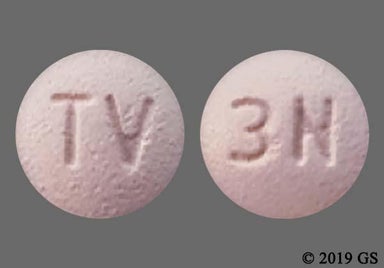
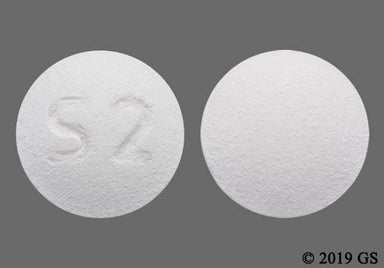
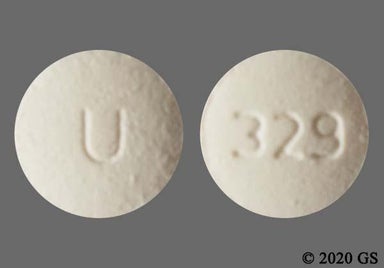
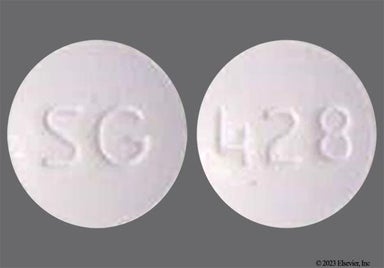
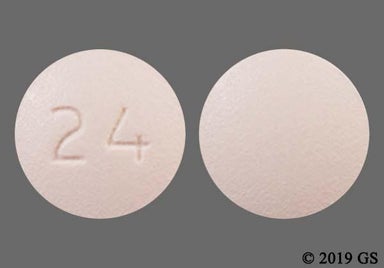
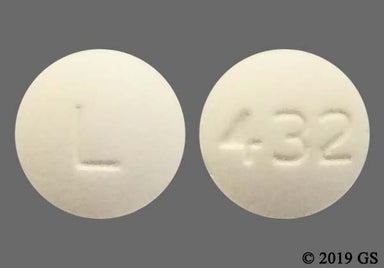
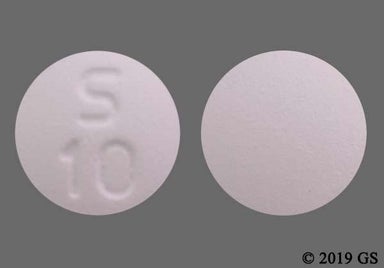
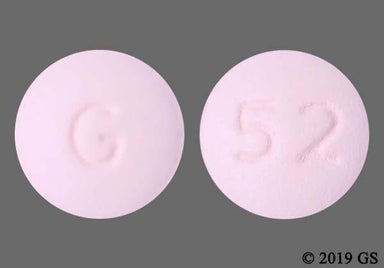
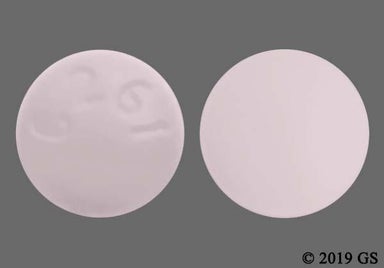
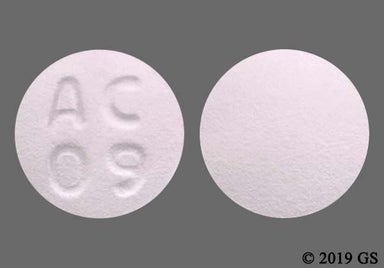
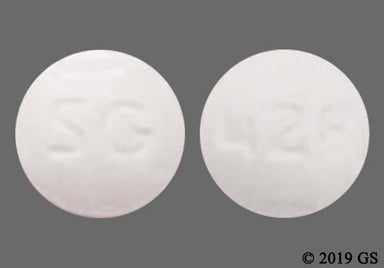
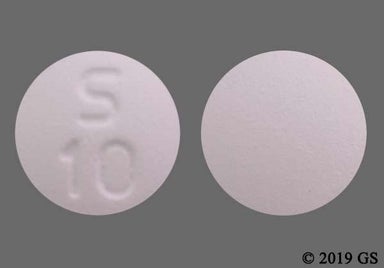
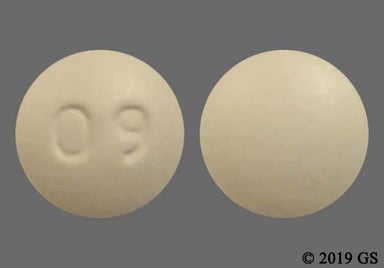
Prescription savings
Stop paying too much for your prescriptions. Compare prices, get pharmacy coupons, and save up to 80%. Find expert answers to your health questions so you can make the best decisions for yourself and your family.
Health conditions
Medications & treatment
Access & affordability
Medication discounts

Studies show that Solifenacin can start helping overactive bladder symptoms within a month. It can take a few months for you to get the full benefits from the medication. Talk to your prescriber if you're not sure it's working or if your symptoms aren't getting better.
It can take about 1 to 2 weeks for most of Solifenacin to leave your body after long-term use. This is based on its half-life, or how long it takes your body to remove half of the medication. It might take longer if you have kidney or liver problems. Ask your prescriber if you have questions about how long Solifenacin can stay in your system.
You can take Solifenacin at any time of day that's most convenient for you. What's most important is that you take it at about the same time every day. This can help you remember to take the medication each day.
Solifenacin isn't known to directly cause dementia. But some studies have linked anticholinergic medications like Solifenacin to a higher risk of dementia. These studies included older adults, people taking higher doses, and people who already have memory problems. Talk to your prescriber if you're worried about how Solifenacin might affect your memory.
No, weight gain isn't a typical side effect of anticholinergic medications like Solifenacin. Let your primary care provider know if you notice unusual or unexpected weight gain. They can try to help you figure out what's causing this weight gain.
It's best to avoid alcohol while taking Solifenacin. Alcohol can make side effects like dizziness, sleepiness, and stomach upset worse. It can also make you urinate more, which can worsen overactive bladder symptoms. Talk to your prescriber if you have questions about drinking alcohol during treatment.
Yes, you can take Gemtesa (vibegron) and Solifenacin together if your prescriber recommends it. They work in different ways to treat overactive bladder. So, taking both might help control symptoms. Check with your prescriber before taking them together to make sure the combination is right for you.
Vesicare and Vesicare LS are medications that both contain solifenacin. But they're different forms used for different conditions. Vesicare is a tablet used for overactive bladder (OAB) in adults. It's available as a brand-name and generic medication. Vesicare LS was a liquid used for neurogenic detrusor overactivity (NDO) in children. But it has been discontinued.
