



How Much is Trijardy XR Without Insurance?
The out-of-pocket cost of Trijardy XR depends on the dose, pharmacy, and other factors. Read on to learn more about how much Trijardy XR is without insurance.
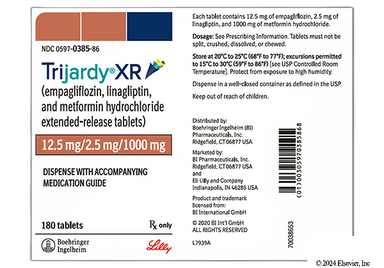
Trijardy XR is a combination medication for adults with Type 2 diabetes. It has three different medications in a single tablet. These are empagliflozin (an SGLT2 inhibitor), linagliptin (a DPP-4 inhibitor), and metformin (a biguanide). Trijardy XR is used with a balanced diet and exercise to help lower blood sugar. It can also help lower the risk of death from heart problems in people with diabetes and heart disease. You take your Trijardy XR dose once a day with breakfast. Side effects can include urinary tract infection, upper respiratory tract infection, and diarrhea.

Trijardy XR is a combination of three diabetes medications.
Empagliflozin is a sodium glucose cotransporter 2 (SGLT2) inhibitor. It blocks the SGLT2 protein in the kidneys. This causes extra sugar to pass into your urine instead of being absorbed back into your body. That helps lower your blood sugar levels.
Linagliptin is a dipeptidyl peptidase-4 (DPP-4) inhibitor. It blocks the DPP-4 protein. This helps your body make more insulin when it's needed. It also lowers the amount of glucagon, a hormone that raises blood sugar. These actions help control your blood sugar.
Metformin is a biguanide that works in a few ways to lower your blood sugar. It lowers the amount of sugar your liver makes. It also lowers the amount of sugar that's absorbed through your gut from food you eat. And, it helps your body respond better to insulin (your cells can take up sugar from the blood and use it as energy better).
| Common Brands | Trijardy XR |
|---|---|
| Drug Class | SGLT2 inhibitor / DPP-4 inhibitor / Biguanide |
| Controlled Substance Classification | Not a controlled medication |
| Generic Status | No lower-cost generic available |
| Availability | Prescription only |

The following side effects may get better over time as your body gets used to the medication. Let your healthcare provider know immediately if you continue to experience these symptoms or if they worsen over time.
Contact your healthcare provider immediately if you experience any of the following.
Side effects that you should report to your care team as soon as possible:
Side effects that usually do not require medical attention (report these to your care team if they continue or are bothersome):




Trijardy XR can cause some serious health issues. This risk may be even higher for certain groups. If this worries you, talk to your doctor or pharmacist about other options.
 Trijardy XR contains metformin. In rare cases, metformin can cause lactic acidosis. This happens when too much lactic acid builds up in your blood and can be life-threatening. If severe, it can lead to serious problems, like very low body temperature, low blood pressure, or a fast heart rate.
Watch for early signs of lactic acidosis. These include feeling unwell, feeling tired or weak, muscle pain, fast breathing, sleepiness, or confusion. Get emergency medical help if you suddenly have these symptoms.
Some people taking Trijardy XR have had ketoacidosis. It's a serious condition when your body makes too many acids called ketones. This can make your blood too acidic, which can be very dangerous. Your risk might be higher if you get sick, eat much less than usual, or recently had surgery.
Watch for signs of ketoacidosis while taking Trijardy XR. Symptoms can include thirst, shortness of breath, dry mouth, and urinating more often. Other signs are fruity breath, stomach pain, nausea, vomiting, or feeling very tired. If this happens, check your ketone levels if possible and get medical help right away.
Trijardy XR contains linagliptin. It's rare, but some people who took linagliptin have developed inflammation in their pancreas. This is called pancreatitis. It's not clear if having pancreatitis in the past can raise your risk that it can happen again during treatment. To be safe, tell your prescriber if you've had pancreatitis before.
Stop taking Trijardy XR and get medical help right away if you have severe stomach pain that doesn't go away, especially if it spreads to your back. You might also have nausea or vomiting. These can be signs of pancreatitis.
Empagliflozin, which is in Trijardy XR, can cause your body to lose too much fluid. This can lead to dehydration or very low blood pressure in some people. Low fluid levels can also lower blood flow to the kidneys and might cause kidney injury.
You might be at risk if you're 65 years or older or if you already have kidney problems. The risk can also be higher if you take certain water pills, like furosemide (Lasix).
If you're at risk, your prescriber will check your kidneys with blood tests before you start Trijardy XR. They might also check during treatment to make sure the medication is still safe for you.
Tell your care team if you feel dizzy, lightheaded, or confused while taking Trijardy XR. These can be signs of dehydration or low blood pressure. Also let them know if you're urinating less than usual or have darker urine. These could also be signs of dehydration or a kidney problem.
Trijardy XR can raise your risk of genital infections, like yeast infections. It can also raise your risk of urinary tract infections (UTIs). Some can end up affecting the kidneys. In rare cases, these infections can become very serious and might need hospital treatment. Your risk of genital infections and UTIs can be higher if you have these infections often.
Get urgent care right away if you have a fever, it burns when you urinate, you need to urinate often, or you see blood in your urine. These can be signs of a UTI. Also get medical care if you notice an odor from your genitals or have pain, redness, swelling, or itching around your genitals. These can be signs of a genital yeast infection. It's important to get it checked out so you can get treated for any infections quickly.
Taking Trijardy XR with insulin or sulfonylureas, like glipizide, can put you at risk of low blood sugar. Very low blood sugar can be dangerous and even life-threatening.
Be sure you can recognize symptoms of low blood sugar. This can include feeling shaky, anxious, confused, sleepy, weak, or very hungry. You might also have a fast heartbeat, be sweaty, or have chills.
If you have these symptoms, check your blood sugar and treat any low blood sugar right away. Talk to your prescriber or pharmacist about your risk for low blood sugar.
Trijardy XR has empagliflozin in it. During studies, some people who took empagliflozin needed foot or leg amputations. The risk was higher for those with blood circulation problems or diabetes. In studies, the most common reasons for amputations were peripheral artery disease and diabetic foot ulcers.
Tell a healthcare professional right away if you have any new pain, tenderness, sores, ulcers, or infections on your legs or feet. Your care team can talk to you about ways to manage these problems or treat them before they get worse. If you have diabetes, make sure to have regular foot exams with your diabetes care team.
Trijardy XR contains metformin, which can sometimes lower your vitamin B12 levels. Low vitamin B12 levels might lead to anemia.
Your prescriber might check your vitamin B12 levels and blood cell counts while you're taking Trijardy XR. If your vitamin B12 is low, they might recommend a vitamin B12 supplement or switch you to a different medication. This usually helps your vitamin B12 return to normal.
In rare cases, Trijardy XR can cause serious allergic reactions. This can include severe swelling and anaphylaxis. These reactions often happen within the first 3 months of treatment. Watch for a rash; trouble breathing; or swelling of your face, lips, tongue, or throat. If a serious allergic reaction happens, get medical help right away.
Tell your prescriber if you've ever had an allergic reaction to another DPP-4 inhibitor (also called a "gliptin"), such as Januvia (sitagliptin). Trijardy XR contains a similar medication, so you might have a similar reaction.
Trijardy XR contains linagliptin. In rare cases, some people taking linagliptin have developed a skin problem called bullous pemphigoid. It can cause itchy, skin, blistering rash, or sores. These usually go away once you stop taking the medication and get treatment. Other times, linagliptin has caused severe skin reactions that might peel.
If you notice a rash with blisters, itchy skin, or peeling skin, get medical help right away. You might need to stop taking Trijardy XR , see a dermatologist, and get medical care.
Some people who took linagliptin, which is in Trijardy XR, have developed severe joint pain. This can happen anytime from a day to many years after starting the medication. For most people, the pain got better after they stopped the medication. Let your prescriber know if you feel any unusual or severe discomfort in your joints while taking Trijardy XR.
Trijardy XR contains linagliptin. It's not known if linagliptin has a risk of heart failure. But some similar medications have been linked to heart failure in people with Type 2 diabetes and heart disease.
Before starting Trijardy XR, let your prescriber know if you have a history of heart failure or kidney problems. They can help weigh the risk of heart failure and benefits of the medication.
Tell your care team right away if you have any signs of heart failure. This can include trouble breathing, unusual tiredness, swelling in your legs or feet, or sudden weight gain. Depending on your symptoms, your prescriber might tell you to stop Glyxambi Trijardy XR and get medical care.


Contraindications are specific health conditions or situations in which a person should not take a medication due to safety concerns. If you have any of the following conditions or if any of the following apply to you, let your healthcare provider know because Trijardy XR will not be safe for you to take.


Prescription savings
Stop paying too much for your prescriptions. Compare prices, get pharmacy coupons, and save up to 80%. Find expert answers to your health questions so you can make the best decisions for yourself and your family.
Health conditions
Medications & treatment
Access & affordability
Medication discounts

No. As of August 2026, there's no generic for Trijardy XR.
Some people might notice a small amount of weight loss while taking Trijardy XR. But it isn't a weight-loss medication. Trijardy XR contains empagliflozin and metformin, which can both contribute to weight loss. Not everyone loses weight, and the amount of weight loss can vary from person to person. Talk to your prescriber if you have questions about how Trijardy XR might affect your weight.
Take Trijardy XR by mouth every morning with a meal. This medication can sometimes make you urinate more. So, taking it in the morning can help avoid waking at night to use the bathroom.
It's best to avoid alcohol while taking Trijardy XR. In people with diabetes, alcohol can cause your blood sugar to drop. Also, drinking too much alcohol can put you at risk for serious problems, including lactic acidosis and dehydration. Talk to your prescriber about whether it's safe for you to drink alcohol, if any, while taking Trijardy XR.
Trijardy XR can start lowering your blood sugar within the first week. But it can take up to 2 to 3 months to see the full benefits. Your prescriber will check your A1C after a few months of treatment to see how well it's working for you. Your A1C measures your average blood sugar over 3 months. To get the best results, take Trijardy XR every morning as directed, even if you don't notice a difference right away. Ask your prescriber or care team if you have questions about how well Trijardy XR is working.
No, Trijardy XR isn't recommended during pregnancy. It contains empagliflozin, which can harm a developing baby's kidneys during the second and third trimesters. If you're pregnant or planning to become pregnant, tell your prescriber right away. They can help you switch to a safer treatment to manage your blood sugar.
No, Trijardy XR isn't recommended while you're breastfeeding. This medication might pass into breast milk and has a potential risk of harm to a baby. Because of this, it's safest to avoid Trijardy XR while nursing. If you're currently breastfeeding or planning to start, check in with your prescriber. They can suggest safer treatment options or refer you to resources about other ways to feed your baby.
