

Is It Safe to Use Retinoids Like Accutane for Acne?
Can retinoids be used safely for acne? Learn about retinoids, their benefits for acne, possible side effects, and tips for using them safely.
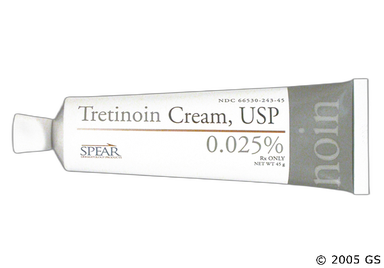
Tretinoin oral capsules, also known as all-trans retinoic acid (ATRA), is used to treat a rare, but aggressive type of blood cancer, called acute promyelocytic leukemia (APL). It's generally used to start the process of remission (induction of remission) and work towards the goal of being cancer-free. Tretinoin (ATRA) is taken by mouth twice daily. Some of the more common side effects of tretinoin (ATRA) include severe headaches, dizziness, and a risk of blood clots. Brand name Vesanoid is no longer available and tretinoin (ATRA) is now only generic.

In APL, there are too many immature blood cells in your body. This leads to lower amounts of healthy blood cells and platelets in your body, which can cause weakness and a risk of developing infections.
Tretinoin (ATRA) is a retinoid, which is a chemical formed from vitamin A. While the exact way it works to treat APL isn’t known, it's thought that tretinoin (ATRA) helps immature blood cells grow and mature normally. This then leads to higher levels of healthy red blood cells, white blood cells, and platelets in your body.
| Common Brands | Vesanoid |
|---|---|
| Drug Class | Retinoid |
| Controlled Substance Classification | Not a controlled medication |
| Generic Status | Lower-cost generic available |
| Availability | Prescription only |

The following side effects may get better over time as your body gets used to the medication. Let your healthcare provider know immediately if you continue to experience these symptoms or if they worsen over time.
Contact your healthcare provider immediately if you experience any of the following.
Along with its needed effects, a medicine may cause some unwanted effects. Although not all of these side effects may occur, if they do occur they may need medical attention.
Check with your doctor immediately if any of the following side effects occur:
More common
Burning, stinging, peeling, redness, or unusual dryness of the skin (severe)
Less common
Dryness, pain, redness, irritation, or peeling at the application site
Some side effects may occur that usually do not need medical attention. These side effects may go away during treatment as your body adjusts to the medicine. Also, your health care professional may be able to tell you about ways to prevent or reduce some of these side effects. Check with your health care professional if any of the following side effects continue or are bothersome or if you have any questions about them:
More common
Burning, itching, stinging, scaling, or redness of the skin
chapping or slight peeling of the skin (mild)
darkening of the skin
lightening of normal skin color
lightening of treated areas of dark skin
redness of skin (mild)
unusual dryness of skin (mild)
unusually warm skin (mild)
Other side effects not listed may also occur in some patients. If you notice any other effects, check with your healthcare professional.
Call your doctor for medical advice about side effects. You may report side effects to the FDA at 1-800-FDA-1088.




Tretinoin (ATRA) can cause some serious health issues. This risk may be even higher for certain groups. If this worries you, talk to your doctor or pharmacist about other options.
 Tretinoin (ATRA) can cause a serious side effect called differentiation syndrome. This side effect can happen during the first month of treatment, sometimes as early as after the first dose. It's important to treat this side effect as soon as possible, since it can be life-threatening and lead to liver, kidney, and multiple organ failure. If you have differentiation syndrome, you’ll likely need to go to the hospital for treatment with intravenous steroid and for monitoring. Your provider will likely pause your treatment of tretinoin (ATRA) until you’ve recovered. Call for emergency medical help right away if you experience symptoms such as unexplained fever, trouble breathing, weight gain, swelling, and low blood pressure.
Don’t take tretinoin (ATRA) if you’re pregnant or thinking of becoming pregnant. Taking tretinoin (ATRA) during pregnancy can lead to birth defects and miscarriage. If you’re able to become pregnant, your provider will ask you to do a pregnancy test before you start treatment. In addition, you need to use 2 forms of effective birth control during tretinoin (ATRA) treatment and for 1 month after your last dose. If you’re male and have a partner who’s able to become pregnant, you need to use birth control (e.g., condoms) during tretinoin (ATRA) treatment and for 1 week after your last dose.
Taking tretinoin (ATRA) can put you at risk for serious, life-threatening risk of blood clots in the veins or arteries. This can happen within the first month of starting tretinoin (ATRA). Before starting treatment, tell your provider if you take any medications that can raise your chances of developing blood clots, such as tranexamic acid (Cyklokapron or Lysteda), aminocaproic acid (Amicar), or aprotinin. During treatment with tretinoin (ATRA), look out for symptoms of blood clots, such as leg pain or cramping, leg swelling or redness, trouble breathing, chest pain, cough, and weakness or numbness on one side of the body. If you experience any of these symptoms, get medical help as soon as possible.
People who take tretinoin (ATRA) sometimes experience high white blood cell (WBC) count. You might not experience any physical symptoms when this happens. But high WBC counts can be a sign of a more serious health condition and can lead to dangerous complications. Your provider will likely order blood tests regularly to check your blood cell counts.
Retinoids, such as tretinoin (ATRA), have been linked to the development of high pressure in the brain (pseudotumor cerebri). The chances are higher in children using this medication. There's also a higher risk if you take other medications that can raise pressure in your brain, such as tetracycline antibiotics. Let your healthcare provider know if you have symptoms of high pressure in the brain, such as a severe headache, dizziness, and vision changes or vision loss. They’ll examine you and depending on your symptoms, might lower your dose of tretinoin (ATRA), stop your treatment temporarily, or change you to a different medication.
Tretinoin (ATRA) can lead to high cholesterol and high triglycerides (type of fat) levels in your body. Though more research is needed to learn about the complications that can result from this side effect, some people have reported blood clots and heart attacks. Because of this risk, your provider will check your cholesterol levels regularly while you’re receiving treatment. If you're worried about your cholesterol or triglyceride levels, discuss how to manage these conditions with your healthcare provider. Usually, your cholesterol levels will go back to what it was before tretinoin (ATRA) after you stop treatment. If you have signs of a heart attack, such as chest pain or discomfort, chest tightness, or trouble breathing, call for emergency medical help right away.
Tretinoin (ATRA) can raise your liver enzyme levels, which suggest liver irritation. Most of the time, the liver enzyme levels return to normal on its own or after the end of tretinoin (ATRA) treatment. To prevent serious problems, your provider will check your liver health regularly through blood draws. If your lab values are much higher than than the normal range, you might need to temporarily stop taking tretinoin (ATRA). Let your provider know if you experience symptoms of liver problems, such as nausea, vomiting, stomach pain, weakness, and yellowing of the whites of the eyes or the skin.

 Capsule
| Dosage | Quantity | Price as low as | Price per unit |
|---|---|---|---|
| 10mg | 30 capsules | $250.96 | $8.37 |
Your provider will calculate your dose based on your body surface area (BSA) in units of m2, takes into account your height and weight.

Although certain medicines should not be used together at all, in other cases two different medicines may be used together even if an interaction might occur. In these cases, your doctor may want to change the dose, or other precautions may be necessary. Tell your healthcare professional if you are taking any other prescription or nonprescription (over-the-counter [OTC]) medicine.









Prescription savings
Stop paying too much for your prescriptions. Compare prices, get pharmacy coupons, and save up to 80%. Find expert answers to your health questions so you can make the best decisions for yourself and your family.
Health conditions
Medications & treatment
Access & affordability
 Our monthly healthcare membership can help you save thousands on your prescription costs.
Resources

Yes, Tretinoin is a retinol because it's a form of vitamin A. Unlike topical tretinoin, which is prescribed to treat acne, Tretinoin treats a specific type of blood cancer called promyelocytic leukemia (APL). As with all retinols, Tretinoin can cause side effects related to too much vitamin A, including dry skin, headaches, and bone pain.
If Tretinoin works for you, you’ll typically see results within the first 3 months of treatment. For people with APL, Tretinoin is only prescribed at the beginning of treatment to start remission. Your provider will ask you to take Tretinoin until you’ve reached complete remission (all signs of cancer cells gone) and for a month after that. Or, if Tretinoin doesn’t seem to work well for you, your provider will ask you to stop treatment after 3 months. About 80% of people who receive treatment with Tretinoin will experience short-term remission, after which their provider will prescribe other medications to keep the cancer from coming back. Ask your healthcare provider if you need long-term treatment and what options are available for you.
Is it safe to use Tretinoin during pregnancy?
Is it safe to use Tretinoin while breastfeeding?
What's differentiation syndrome and why might Tretinoin cause it?
