


3 Biologics for Lupus and Promising New Treatments on the Horizon
Biologic medications such as belimumab and rituximab show promise in treating lupus by targeting specific immune-system pathways.
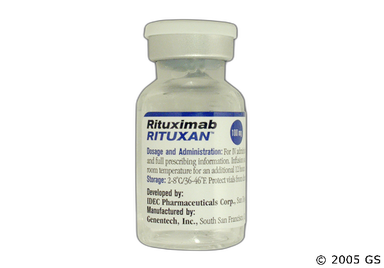
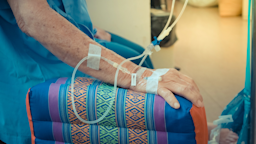
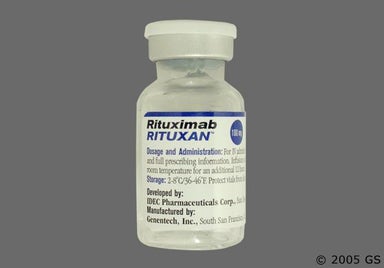
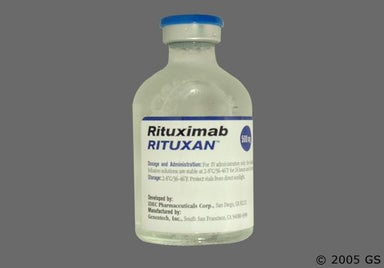
Rituxan (rituximab) is a monoclonal antibody. It treats certain types of blood cancers (e.g., non-Hodgkin lymphoma) and autoimmune conditions (e.g., rheumatoid arthritis) by targeting specific immune cells. Rituxan (rituximab) is given as an infusion through the vein (IV), typically at an infusion center. Your oncologist will give you premedications before each dose to lower the risk of serious infusion-related reactions. Other possible side effects of this medication include rash and weakness. Rituxan (rituximab) is available as many different brands (or biosimilars), but they don't all treat the same conditions.

Autoimmune conditions
Rituxan (rituximab) is a monoclonal antibody. It targets specific immune cells called B cells that can be involved in a range of different health conditions. For example, B cells sometimes turn into cancer cells. Other times, they become overly active and cause autoimmune conditions.
Rituxan (rituximab) works by attaching a specific protein on the B cells called CD20. When it does so, it signals to the body to attack and kill that cell. As a result, these abnormal or overly active B cells can't grow, spread, or work as well.
| Common Brands | Rituxan |
|---|---|
| Drug Class | Anti-CD20 monoclonal antibody |
| Controlled Substance Classification | Not a controlled medication |
| Generic Status | No lower-cost generic available |
| Availability | Prescription only |

The following side effects may get better over time as your body gets used to the medication. Let your healthcare provider know immediately if you continue to experience these symptoms or if they worsen over time.
Please note: Side effects listed were reported by people who took Rituxan (rituximab) alone for NHL in clinical studies.
Contact your healthcare provider immediately if you experience any of the following.
Along with its needed effects, a medicine may cause some unwanted effects. Although not all of these side effects may occur, if they do occur they may need medical attention.
Check with your doctor or nurse immediately if any of the following side effects occur:
More common
Black, tarry stools
bleeding gums
bloating or swelling of the face, arms, hands, lower legs, or feet
blood in the urine or stools
blurred vision
body aches or pain
burning or stinging of the skin
chills
confusion
difficulty with breathing
dizziness, faintness, or lightheadedness when getting up suddenly from a lying or sitting position
drowsiness
ear congestion
flushed, dry skin
fruit-like breath odor
headache
increased hunger
increased thirst
increased urination
large, hive-like swelling on the face, eyelids, lips, tongue, throat, hands, legs, feet, or genitals
lower back or side pain
nervousness
noisy breathing
pain or tenderness around the eyes and cheekbones
painful cold sores or blisters on the lips, nose, eyes, or genitals
painful or difficult urination
pale skin
pinpoint red spots on the skin
pounding in the ears
seizures
slow or fast heartbeat
sores, ulcers, or white spots in the mouth or on the lips
stomach pain
stuffy or runny nose
sweating
swelling of the tongue or throat
swollen glands
tightness of the chest
tingling of the hands or feet
troubled breathing with exertion
unusual bleeding or bruising
unusual tiredness or weakness
unusual weight gain or loss
vomiting
Less common
Blistering, peeling, or loosening of the skin
blisters on the trunk, scalp, or other areas
burning, crawling, itching, numbness, prickling, “pins and needles”, or tingling feeling
decreased frequency and amount of urine
difficulty with moving
discouragement
feeling sad or empty
irregular heartbeat
irritability
joint or muscle pain
loss of appetite
loss of interest or pleasure
lump or growth on the skin
muscle cramp, pain, or stiffness
numbness or tingling in the hands, feet, or lips
painful blisters on the trunk of the body
pain or redness at the injection site
pain, swelling, or redness in the joints
pounding or irregular heartbeat or pulse
red skin lesions, often with a purple center
red, itchy lining of the eye
redness of the face, neck, arms, and occasionally, upper chest
stabbing pain
trouble concentrating
trouble sleeping
Incidence not known
Blue-yellow color blindness
blurred vision or other change in vision
burning or stinging of the skin
decreased vision
dilated neck veins
extreme tiredness or weakness
eye pain, tearing
feeling of discomfort, illness, or weakness
irregular breathing
nosebleed
painful cold sores or blisters on the lips, nose, eyes, or genitals
sensitivity of the eye to light
severe abdominal or stomach pain
severe vomiting, sometimes with blood
sores, welts, or blisters
stomach cramps
swelling, stiffness, redness, or warmth around many joints
swollen lymph glands
vision loss
Some side effects may occur that usually do not need medical attention. These side effects may go away during treatment as your body adjusts to the medicine. Also, your health care professional may be able to tell you about ways to prevent or reduce some of these side effects. Check with your health care professional if any of the following side effects continue or are bothersome or if you have any questions about them:
Less common
Agitation or anxiety
bone pain
burning, dry, or itching eyes
change in taste
discharge, excessive tearing
excessive muscle tone
feeling of constant movement of self or surroundings
increase in body movements
lightheadedness
muscle tension
redness, pain, or swelling of the eye, eyelid, or inner lining of the eyelid
sensation of spinning
sleepiness
swelling of the stomach
Other side effects not listed may also occur in some patients. If you notice any other effects, check with your healthcare professional.
Call your doctor for medical advice about side effects. You may report side effects to the FDA at 1-800-FDA-1088.




Rituxan (rituximab) can cause some serious health issues. This risk may be even higher for certain groups. If this worries you, talk to your doctor or pharmacist about other options.
 People taking Rituxan (rituximab) might experience infusion-related reactions. These reactions are most common within the first two hours of the first infusion. Symptoms include rash and red skin, swelling, trouble breathing, chest pain, irregular heartbeat, and low blood pressure. Sometimes, these reactions can be very serious and cause throat swelling, anaphylaxis, or heart attacks. This can be life threatening.
You’ll take several medications before each treatment, such as acetaminophen (Tylenol) and diphenhydramine (Benadryl) to help prevent a reaction. Your nurse will watch you closely during your first treatment, but you should tell them right away if you experience any symptoms during your treatment. If you have a severe reaction to Rituxan (rituximab), you might not be able to continue taking the medication.
Some people taking Rituxan (rituximab) have experienced serious and sometimes life-threatening skin problems, such as Stevens-Johnson syndrome (SJS), paraneoplastic pemphigus, toxic epidermal necrolysis (TEN), and others. Tell your provider right away if you develop painful blisters, skin wounds, peeling skin, or fever as these are signs of a serious skin reaction that need immediate medical attention.
Some people who had hepatitis B in the past experienced a new infection (hepatitis B reactivation) after starting Rituxan (rituximab). Your provider will test you for hepatitis B virus before you start taking Rituxan (rituximab). If you test positive, you might need treatment for hepatitis B before you start taking Rituxan (rituximab). If you develop a hepatitis B infection during treatment, you’ll need to stop taking Rituxan (rituximab) while your provider treats it. Let your provider know right away if you experience symptoms of an active hepatitis B infection, such as fever, tiredness, or yellowing of the skin.
Rarely, people taking Rituxan (rituximab) have developed a serious brain condition called progressive multifocal leukoencephalopathy (PML). PML is caused by a virus called JC virus and can lead to brain damage. Let your provider know if you’ve PML symptoms while taking Rituxan (rituximab), such as weakness, clumsiness, difficulty speaking, and difficulty walking.
Some people taking Rituxan (rituximab) to treat cancer developed a complication called tumor lysis syndrome (TLS) that can cause damage in multiple areas of the body. TLS happens when cancer cells are destroyed and release what’s inside them, such as potassium and uric acid, into your blood. TLS is most common during the first treatment cycle, and symptoms can appear within 24 hours of the Rituxan (rituximab) infusion. Your provider will closely monitor you with lab tests, and might give you extra fluids or a medication such as allopurinol (Zyloprim) to prevent TLS. Let your provider know if you experience symptoms of TLS, such as nausea, tiredness, and no appetite.
People who take Rituxan (rituximab) can develop serious infections, including viral, bacterial, and fungal infections. If you do get sick, you might need to pause taking Rituxan (rituximab) and start taking other medications to treat the infection. If you develop a serious infection you might have to stop taking Rituxan (rituximab) altogether. Contact your provider if you develop signs and symptoms of an infection such as fever, chills, muscle aches, or severe tiredness or weakness.
Serious heart problems have happened during Rituxan (rituximab) infusions, including heart rhythm changes such as ventricular fibrillation, and heart attacks. If your heart rhythm changes during your treatment, your provider might recommend closer monitoring with a test called an electrocardiogram (EKG) during your infusions. If you develop serious heart problems during treatment, your provider might stop your Rituxan (rituximab) infusion.
Risk factors: Tumor lysis syndrome | Taking cisplatin Some people taking Rituxan (rituximab) experienced kidney problems. This was more common in people who developed tumor lysis syndrome or who were taking Rituxan (rituximab) together with a chemotherapy medication called cisplatin. Your provider will monitor your kidney health with a blood test while you’re taking Rituxan (rituximab). Let your provider know if you have trouble making urine, notice swelling in your hands and feet; these might be symptoms of kidney problems.
Some people have reported stomach pain, intestinal blockage, and tears in the lining of the gut after starting Rituxan (rituximab) with chemotherapy for NHL. For some people, these side effects appeared 2 months after the start of treatment. Contact your provider right away if you have sudden and severe stomach pain, fever, chills, and nausea or vomiting that won’t go away.
Make sure you’re up-to-date with your vaccines before starting Rituxan (rituximab). We don’t know if it’s safe to take live virus vaccines while taking Rituxan (rituximab). You should avoid live vaccines during treatment. And you need to receive any non-live vaccines at least 4 weeks before Rituxan (rituximab) treatment. Talk to your provider before getting any vaccine while you’re taking Rituxan (rituximab), even if it’s an inactivated vaccine.
Based on data from human pregnancies, Rituxan (rituximab) can cause harm to an unborn baby. If you’re a female who is able to have babies, you should use effective birth control while taking Rituxan (rituximab) and for 12 months after the last dose. Contact your provider right away if you become pregnant while taking Rituxan (rituximab).
Risk factors: People taking Rituxan (rituximab) for autoimmune conditions We don’t know if it’s safe to take other biologic medications or disease-modifying antirheumatic drugs (DMARDs) together with Rituxan (rituximab). Because taking these medications together might raise your risk for infection, your provider will closely monitor you if they recommend a combination treatment.

Blood cancers
Your provider will determine your dose of Rituxan (rituximab) based on your body surface area (BSA) in m². This medication is typically given by a healthcare provider in a hospital or infusion clinic setting. Your provider might also give you other anticancer medications along with Rituxan (rituximab).
Non-Hodgkin’s lymphoma
Chronic Lymphocytic Leukemia (CLL)
Autoimmune conditions
Your provider might also give you other medications along with Rituxan (rituximab) to treat your condition.
RA
GPA and MPA
PV

Although certain medicines should not be used together at all, in other cases two different medicines may be used together even if an interaction might occur. In these cases, your doctor may want to change the dose, or other precautions may be necessary. When you are receiving this medicine, it is especially important that your healthcare professional know if you are taking any of the medicines listed below. The following interactions have been selected on the basis of their potential significance and are not necessarily all-inclusive.
Using this medicine with any of the following medicines is not recommended. Your doctor may decide not to treat you with this medication or change some of the other medicines you take.
Using this medicine with any of the following medicines is usually not recommended, but may be required in some cases. If both medicines are prescribed together, your doctor may change the dose or how often you use one or both of the medicines.
Using this medicine with any of the following medicines may cause an increased risk of certain side effects, but using both drugs may be the best treatment for you. If both medicines are prescribed together, your doctor may change the dose or how often you use one or both of the medicines.








Prescription savings
Stop paying too much for your prescriptions. Compare prices, get pharmacy coupons, and save up to 80%. Find expert answers to your health questions so you can make the best decisions for yourself and your family.
Health conditions
Medications & treatment
Access & affordability
Medication discounts

Rituxan works more like an immunotherapy than a chemotherapy. Chemotherapy works by attacking all cells that grow very quickly, while immunotherapy works by using your own immune system to target cancer cells. But there are actually many types of immunotherapy for cancer and they affect your immune system differently. For example, some medications activate all of your immune cells to fight cancer. But other medications, like Rituxan, only target specific immune cells. So while Rituxan is sometimes referred to as immunotherapy in the broad sense of the term, it's more often considered a targeted therapy.
There aren’t any specific foods or drinks you need to avoid after receiving Rituxan. But it’s a good idea to stay home and rest the day after your infusion, especially after the first few doses when you’re still learning how your body might react to the medication. It’s possible for you to experience an infusion-related reaction up to 24 hours after your treatment. Tell your provider right away if you experience symptoms, such as trouble breathing or rash, so you can get immediate medical attention.
Most people who took Rituxan during clinical studies didn’t report hair loss as a side effect. But you might experience hair loss depending on what condition you have and what other medications you’re taking along with Rituxan. For example, if you’re taking Rituxan and chemotherapy medications to treat cancer, you might have hair loss from the chemotherapy medications. Typically, hair loss is temporary and hair usually grows back after treatment ends. Talk with your provider if you’ve more questions about Rituxan and hair loss.
You might be at higher risk for infections (immunocompromised) for as long as a year after the last Rituxan dose. But there have been reports of serious infections up to 2 years after the last dose. Your provider might prescribe antibiotics or antivirals to help protect you from infections during and after Rituxan treatment, depending on what condition you have and what other medications you’re taking. To lower your risk of infections, wash your hands often and avoid or limit your interactions with people who are sick. It’s a good idea to check your temperature regularly, and contact your provider right away if you have a fever.
How long the side effects Rituxan last can differ depending on what side effects you’re experiencing. For example, fever, rash, muscle pain from infusion-related reactions can appear quickly, often times within 2 hours of an Rituxan infusion. But these side effects are short-lived because your care team can help you manage them quickly with other medications. Other side effects of Rituxan, such as having a weaker immune system (from low white blood cell counts), can last months after your last dose. Talk to your provider if you have questions on any particular Rituxan side effect.
Riabni, Ruxience, and Truxima are biosimilars to Rituxan. A biosimilar is a biologic medication that’s highly similar to the original biologic that was first approved by the FDA. Biosimilars are as safe and work similarly as well as the original biologic medication. But keep in mind that Riabni, Ruxience, and Truxima aren’t approved to treat all the same conditions as Rituxan. For example, Rituxan is approved to treat pemphigus vulgaris (PV), while its biosimilars aren’t. Talk to your provider if you have questions about Rituxan and its biosimilars.
