







7 Ways to Get Rid of Motion Sickness
Motion sickness is a syndrome that occurs in response to real or perceived motion. Learn what causes motion sickness, along with the treatment options.
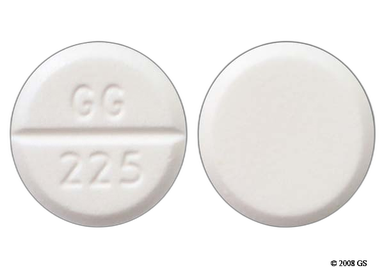
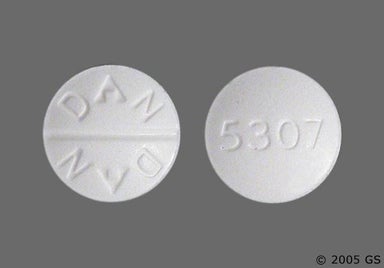
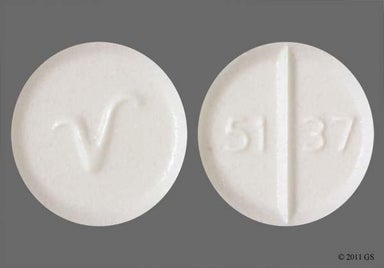
Promethazine is a prescription medication with many uses, such as treatment or prevention of nausea, motion sickness, and allergy symptoms. Promethazine works by blocking several chemicals, including histamine, dopamine, and acetylcholine. It comes as tablets, an oral solution, rectal suppositories, and an injection. The dose of promethazine and how often you take it depends on your age and what medical condition you're taking it to treat. But it shouldn't be given to children younger than 2 years of age since it can cause serious breathing problems. Common side effects include sleepiness and dizziness.

Promethazine is an antihistamine and an anticholinergic medication. It also blocks a chemical called dopamine.
When promethazine blocks histamine, it relieve symptoms of allergy, such as rash, watery eyes, and runny nose. It can also cause you to feel drowsy and calm before a surgery.
When promethazine blocks acetylcholine and dopamine, it helps to relieve symptoms of nausea, vomiting, and motion sickness.
| Common Brands | Phenergan |
|---|---|
| Drug Class | Antihistamine |
| Controlled Substance Classification | Not a controlled medication |
| Generic Status | Lower-cost generic available |
| Availability | Prescription only |

The following side effects may get better over time as your body gets used to the medication. Let your healthcare provider know immediately if you continue to experience these symptoms or if they worsen over time.
The following side effects are those additionally reported with promethazine injection at the injection site:
Contact your healthcare provider immediately if you experience any of the following.
Along with its needed effects, a medicine may cause some unwanted effects. Although not all of these side effects may occur, if they do occur they may need medical attention.
Stop taking this medicine and get emergency help immediately if any of the following effects occur:
Rare
Symptoms of neuroleptic malignant syndrome; two or more occur together; most of these effects do not require emergency medical attention if they occur alone
Convulsions (seizures)
difficult or unusually fast breathing
fast heartbeat or irregular pulse
high fever
high or low (irregular) blood pressure
increased sweating
loss of bladder control
severe muscle stiffness
unusually pale skin
unusual tiredness or weakness
Check with your doctor immediately if any of the following side effects occur:
Incidence not known
Abdominal or stomach pain
black, tarry stools
bleeding gums
blood in urine or stools
bloody nose
blurred vision
chest pain or discomfort
chills
clay-colored stools
confusion as to time, place, or person
cough or hoarseness
dark urine
decreased awareness or responsiveness
difficulty or troubled breathing
double vision
fast, pounding, or irregular heartbeat or pulse
fever with or without chills
fixed position of eye
headache
heavier menstrual periods
high fever
holding false beliefs that cannot be changed by fact
hyperexcitability
increased or decreased blood pressure
increased sweating
irregular, fast or slow, or shallow breathing
large, hive-like swelling on face, eyelids, lips, tongue, throat, hands, legs, feet, or sex organs
lightheadedness, dizziness, or fainting
loss of appetite
loss of bladder control
lower back or side pain
mimicry of speech or movements
mutism
nasal stuffiness
negativism
nightmares
noisy breathing
not breathing
painful or difficult urination
pale or blue lips, fingernails, or skin
peculiar postures or movements, mannerisms or grimacing
pinpoint red spots on skin
seeing double
seeing, hearing, or feeling things that are not there
seizures
severe muscle stiffness
severe sleepiness
shortness of breath
skin rash
slow or irregular heartbeat
sores, ulcers, or white spots on lips or in mouth
sticking out of tongue
swollen glands
tightness in chest
uncontrolled twisting movements of neck
unpleasant breath odor
unusual bleeding or bruising
unusual excitement, nervousness, or restlessness
unusual tiredness or weakness
vomiting of blood
yellow eyes or skin
Symptoms of overdose
Discouragement
dizziness, faintness, or lightheadedness when getting up from a lying or sitting position suddenly
excessive muscle tone
feeling of warmth
feeling sad or empty
irritability
lack of appetite
loss of interest or pleasure
muscle tension or tightness
overactive reflexes
pupils of eyes large and not moving or responding to light
redness of the face, neck, arms and occasionally, upper chest
shakiness and unsteady walk
sudden death
trouble concentrating
trouble sleeping
unconsciousness
unsteadiness, trembling, or other problems with muscle control or coordination
unusual paleness
Some side effects may occur that usually do not need medical attention. These side effects may go away during treatment as your body adjusts to the medicine. Also, your health care professional may be able to tell you about ways to prevent or reduce some of these side effects. Check with your health care professional if any of the following side effects continue or are bothersome or if you have any questions about them:
Incidence not known
blistering, crusting, irritation, itching, or reddening of skin
continuing ringing or buzzing or other unexplained noise in ears
cracked, dry, scaly skin
dizziness
drowsiness
excitation
false or unusual sense of well-being
hearing loss
hives or welts
increased sensitivity of skin to sunlight
lack of coordination
loss of strength or energy
muscle pain or weakness
redness or other discoloration of skin
relaxed and calm
sunburn
swelling
unable to sleep
vomiting
Other side effects not listed may also occur in some patients. If you notice any other effects, check with your healthcare professional.
Call your doctor for medical advice about side effects. You may report side effects to the FDA at 1-800-FDA-1088.




Promethazine can cause some serious health issues. This risk may be even higher for certain groups. If this worries you, talk to your doctor or pharmacist about other options.
 In rare cases, promethazine can significantly slow down breathing, which can be life-threatening. The risk is higher for children under 2 years old, people with a history of breathing problems, or if you're taking other medications that can cause breathing problems. For this reason, promethazine isn't recommended for children if they're under the age of 2. If you regularly take medications that can slow your breathing, discuss alternatives with your healthcare team as there might be safer options to treat your condition. If you notice you or your child has slow and shallow breathing, get medical attention right away.
Promethazine injection can irritate your skin, causing burning, pain, rash, and swelling. In rare cases, promethazine can cause serious tissue injury, such as gangrene (dead tissue caused by not enough blood flow). Your risk of skin injury is higher if promethazine is injected into an artery or under the skin. This is why your healthcare professional typically will inject this medication into the muscle. If you recently received promethazine as an injection, watch your skin for any unusual change in color or darkening. If you experience skin burning, pain, redness, swelling, or a blackening of the skin, seek medical help right away.
Promethazine can make you feel very sleepy and affect your ability to think. The risk is higher if you drink alcohol or if you take medications that make you drowsy, such as opioids, sleep medications, or certain antidepressants. Don't drive a car or operate machinery right after using this medication. If you experience symptoms such as slurred speech, lightheadedness, confusion, dizziness, or excessive drowsiness, get medical attention right away.
Before taking promethazine, be sure to discuss all of your medical conditions with your primary care provider. Promethazine can make certain problems worse.
Promethazine can cause people with a history of seizures to have more frequent episodes. Promethazine can also raise the risk of seizures in people who take medications that lower seizure threshold, such as tramadol (Ultram). If you have one of the risk factors, talk to your prescriber before using promethazine. Get medical attention right away if you have symptoms such as uncontrolled body movements, repeated eye blinking, tingling in your body, blurry vision, or feeling confused.
In some rare cases, promethazine can lower your levels of white blood cells (WBCs). This is more likely to happen if you are going through chemotherapy or other anticancer treatments. WBCs are responsible for fighting infections in your body. Low levels of WBC can cause you to get sick more easily. Let a member of your healthcare team know if you have symptoms of an infection, such as fever, chills, or cough, and they'll let you know if you need more medical attention.
Promethazine can cause a rare, but serious, medical condition called neuroleptic malignant syndrome (NMS). This condition happens when dopamine (a chemical in your body) is not transported correctly in the brain. Certain medications, such as antipsychotics, can raise your risk of NMS. If you take medications for your mental health, please talk with your prescriber before taking promethazine. Please get medical attention right away if you notice signs and symptoms such as high fever, fast heartbeat, rapid breathing, stiff muscle, excessive sweating, or confusion. Don't use promethazine if you have a history of NMS.
Promethazine can cause involuntary muscle movements, including sticking out your tongue and twisting your neck. This risk is higher if you're taking MAOIs or if the medication is given to children who are sick and dehydrated (low fluids in the body). Notify your or your child's pediatrician right away if any of these symptoms develop while using promethazine.

 Ampule
| Dosage | Quantity | Price as low as | Price per unit |
|---|---|---|---|
| 1ml of 50mg/ml | 1 ampule | $6.66 | $6.66 |
| 1ml of 25mg/ml | 10 ampules | $15.63 | $1.56 |
 Ml of syrup
| Dosage | Quantity | Price as low as | Price per unit |
|---|---|---|---|
| 6.25mg/5ml | 473 ml | $22.00 | $0.05 |
 Suppository
| Dosage | Quantity | Price as low as | Price per unit |
|---|---|---|---|
| 12.5mg | 12 suppositories | $35.23 | $2.94 |
| 25mg | 12 suppositories | $35.23 | $2.94 |
| 50mg | 12 suppositories | $100.80 | $8.40 |
 Syringe
| Dosage | Quantity | Price as low as | Price per unit |
|---|---|---|---|
| 1ml of 25mg/ml | 5 syringes | $8.40 | $1.68 |
Allergy symptoms
Motion sickness
Nausea and vomiting
"Light" sleep before or during a procedure
Pain relief before and after surgery
Promethazine injection is typically injected into the muscles or through the veins by a healthcare professional (HCP). Your HCP will determine the dose of promethazine based on your weight, the condition being treated, your response to the treatment, and your other health conditions.

Although certain medicines should not be used together at all, in other cases two different medicines may be used together even if an interaction might occur. In these cases, your doctor may want to change the dose, or other precautions may be necessary. When you are taking this medicine, it is especially important that your healthcare professional know if you are taking any of the medicines listed below. The following interactions have been selected on the basis of their potential significance and are not necessarily all-inclusive.
Using this medicine with any of the following medicines is not recommended. Your doctor may decide not to treat you with this medication or change some of the other medicines you take.
Using this medicine with any of the following medicines is usually not recommended, but may be required in some cases. If both medicines are prescribed together, your doctor may change the dose or how often you use one or both of the medicines.
Using this medicine with any of the following medicines may cause an increased risk of certain side effects, but using both drugs may be the best treatment for you. If both medicines are prescribed together, your doctor may change the dose or how often you use one or both of the medicines.


Contraindications are specific health conditions or situations in which a person should not take a medication due to safety concerns. If you have any of the following conditions or if any of the following apply to you, let your healthcare provider know because Promethazine will not be safe for you to take.



















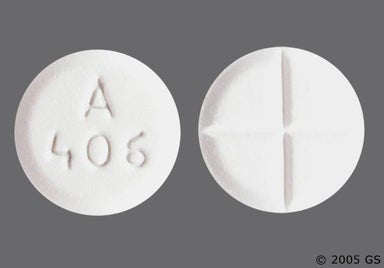

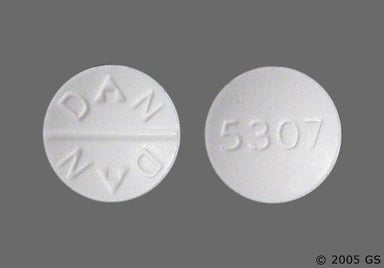

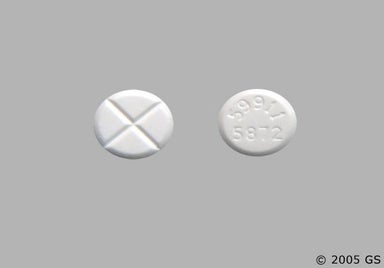





Prescription savings
Stop paying too much for your prescriptions. Compare prices, get pharmacy coupons, and save up to 80%. Find expert answers to your health questions so you can make the best decisions for yourself and your family.
Health conditions
Medications & treatment
Access & affordability
Medication discounts


Yes, Promethazine can make you sleepy, dizzy, and slow your thinking and movement. It's best to avoid driving or doing tasks that require you to be alert while using this medication. Don't drink alcohol with Promethazine since the combination can really slow down your brain activities, which can lead to extreme sleepiness, slow breathing, coma, or possible death.
No. Promethazine isn't a controlled substance because it doesn't have a risk of addiction or dependence.
Promethazine has been prescribed off-label (not FDA-approved) for relieving nausea and vomiting in pregnancy. Please note that the American College of Obstetricians and Gynecologists only suggests Promethazine if Diclegis (doxylamine / pyridoxine) or first-choice options aren't working well. Always discuss with your obstetrician-gynecologist (OB-GYN) to see what treatment is the best option for you.
Yes. Before taking Promethazine, check to make sure it isn't expired. The expiration date should be written on your bottle. If you're unsure, contact your pharmacy. Medications that have expired might not work as well to treat your condition.
You can expect Promethazine to start working within 20 minutes after taking a dose. If you feel that Promethazine isn't working well for you, speak to your prescriber.
By itself, Promethazine isn't typically used to treat cough. But it's available in combination with other medications that are sometimes prescribed for cough. Your primary care provider can help you find a treatment for your cough that's safe for you.
