




How Can You Ease Constipation From Tramadol and Other Opioid Pain Medications?
Tramadol can cause constipation, especially with long-term use. While opioid constipation may not respond to laxatives, you can learn other tips for relief.

Tramadol is an opioid pain medication used when non-opioid medications aren't working well enough to control pain. Compared to other opioids, tramadol might have a lower risk of misuse and dependency. But tramadol is a controlled substance and has a lot of potentially serious risks, so it must be used with caution.

Tramadol is an opioid receptor agonist. It treats pain in two ways. It attaches to certain mu-opioid receptors in your brain. This changes the way you recognize pain. Tramadol might also help with pain by raising the levels of chemicals in your brain called serotonin and norepinephrine.
| Common Brands | Ultram, ConZip, Qdolo |
|---|---|
| Drug Class | Opioid |
| Controlled Substance Classification | Schedule IV |
| Generic Status | Lower-cost generic available |
| Availability | Prescription only |

Tramadol can cause some serious health issues. This risk may be even higher for certain groups. If this worries you, talk to your doctor or pharmacist about other options.
 Tramadol is a controlled medication that has a risk for addiction and misuse. Take the medication exactly as prescribed. Don't change the dose or how often you take it without talking to your provider first. Misusing tramadol (i.e., taking it differently than prescribed, breaking the extended-release forms) might cause it to work less well. It can also raise the risk for serious and sometimes life-threatening side effects, such as dangerously slow breathing, inability to stay awake, and overdose. Your healthcare provider will prescribe the lowest amount of tramadol that's necessary for the shortest period of time possible.
 Because of the risk of misuse, addiction, and overdose, the FDA requires tramadol to be under a restricted program called the Risk Evaluation and Mitigation Strategy (REMS) program. Under this program, your healthcare provider is required to provide you with a Medication Guide and go over the proper use, serious risks, and safe storage and disposal of this medication. This helps keep you and your loved ones safe.
Tramadol can cause dangerously slow breathing, which can be life-threatening. This can happen to anyone. But having certain genes or medical conditions (e.g., COPD, asthma, head injury, high pressure in the brain) might raise your risk. You also might be at higher risk if you take certain medications like benzodiazepines, other opioids, and sleep medications. If you experience breathing problems, call 911.
Additionally, children younger than 12 years old as well as children younger than 18 years who received surgery to remove tonsils or adenoids must avoid taking tramadol. There are reports of children experiencing serious breathing problems after taking tramadol. If your child is prescribed tramadol, make sure they take the lowest effective dose for the shortest amount of time possible.
Take tramadol exactly as prescribed. Taking too much tramadol or taking it more often than prescribed can lead to an overdose. Symptoms of an overdose include not responding to sound or touch, extremely slowed breathing, extreme sleepiness, slow heartbeat, and cold or clammy skin. Be sure you and your loved ones know how to recognize an overdose. Your provider will likely prescribe naloxone (Narcan, Zimhi), an opioid antagonist that can treat an opioid overdose. Make sure you carry naloxone with you at all times in case you experience an overdose. Call 911 right away if this happens. Store your medication out of reach from children, pets, or visitors to prevent accidental exposure or overdose.
Long-term use of tramadol during pregnancy can cause your unborn baby to become dependent on the medication. This is because the medication can pass through the placenta to your unborn baby. Once your baby is born, they can experience withdrawal symptoms, such as high-pitched crying, poor feeding and sucking behavior, trembling, abnormal sleep patterns, and seizures. This condition is called neonatal opioid withdrawal syndrome and can be life-threatening if not recognized and treated in time. Let your healthcare provider know if you've used tramadol during pregnancy or if you notice these symptoms in your baby.
Tramadol can interact with a lot of common medications. Some medications (e.g., erythromycin, ketoconazole, ritonavir (Norvir)) can raise tramadol levels in your body. This can raise your risk for tramadol side effects and even potentially life-threatening slowed breathing.
Other medications, such as rifampin (Rifadin) and carbamazepine (Tegretol), can lower the levels of tramadol in your body. This can cause tramadol to not work as well to manage your pain and might cause withdrawal symptoms.
If you're already taking stable doses of tramadol together with one of these other medications, don't stop taking them suddenly. Doing so can also lead to unsafe tramadol levels. Let your provider or pharmacist know what other medications you're taking before starting tramadol to make sure your medications are safe for you to take.
Tramadol can cause extreme sleepiness and lower your ability to think, react, and focus. Drinking alcohol or taking other medications that cause sleepiness can make these side effects worse. Make sure you know how this medication affects you before driving or doing activities that require your concentration. Talk to your healthcare provider right away if you feel too sleepy from taking tramadol.
Serotonin syndrome is a rare, but potentially life-threatening condition where there's too much serotonin in the brain. Serotonin is one of the chemicals in your brain responsible for your mood. Your risk for this condition goes up if you use tramadol with other medications that affect serotonin levels, such as certain antidepressants, MAOIs (e.g., phenelzine (Nardil)), linezolid (Zyvox), and certain migraine medications. Make sure your provider knows about all the medications you take or plan to take (including over-the-counter medications and supplements). They can check that your medications are safe for you. Symptoms of serotonin syndrome include fast heart rate, muscle stiffness or spasms, high fever, and confusion. Get medical help right away if you have any of these symptoms.
Tramadol can raise your risk of seizures. Your risk might be higher if you take other medications that raise seizure risk or if you take higher doses of tramadol than recommended. If you've had a seizure before, discuss with your provider to see if tramadol is right for you.
Tramadol can cause extremely low blood pressure. A drop in blood pressure can happen when you stand from a sitting or lying down position. This can lead to dizziness and fainting. To avoid falling, get up slowly if you've been sitting or lying down. If dizziness or lightheadedness doesn't go away, talk to your healthcare provider.
Some people taking opioids like tramadol have had low adrenal hormone levels. This might be more likely to happen after taking opioids for longer than 1 month. Symptoms include tiredness, weakness, not feeling hungry, nausea, vomiting, and dizziness. Let your provider know if you experience these symptoms. If your adrenal hormone levels drop too low, you might need to stop tramadol and be treated with corticosteroids.
If taken regularly for a long time, tramadol can cause your body to rely on the medication to function (dependence). You might experience withdrawal if you stop taking the medication suddenly. Withdrawal symptoms include runny nose, yawning, sweating, chills, return of pain, restlessness, anxiety, and irritability. Don't lower your dose or stop taking the medication suddenly without talking to your healthcare provider first. Your provider will slowly lower your dose to prevent withdrawal symptoms. If you have concerns about taking tramadol because of this risk, talk to your healthcare provider about alternative pain medications.
There have been some reports of low sodium levels in the blood in people taking tramadol. This was mostly reported in females older than 65 years of age and within the first week of starting the medication. Get medical help right away if you experience weakness, confusion, difficulty concentrating, headache, or memory problems. These could be signs of low blood sodium levels, which is a medical emergency.

The following side effects may get better over time as your body gets used to the medication. Let your healthcare provider know immediately if you continue to experience these symptoms or if they worsen over time.
Contact your healthcare provider immediately if you experience any of the following.
Along with its needed effects, a medicine may cause some unwanted effects. Although not all of these side effects may occur, if they do occur they may need medical attention.
Check with your doctor immediately if any of the following side effects occur:
Less common
Abnormal or decreased touch sensation
blisters under the skin
blood in the urine
blood pressure increased
blurred vision
change in walking and balance
chest pain or discomfort
chills
dark urine
difficult urination
dizziness or lightheadedness when getting up from a lying or sitting position
fainting
fast heartbeat
frequent urge to urinate
gaseous stomach pain
indigestion
irregular heartbeat
loss of memory
numbness and tingling of the face, fingers, or toes
pain in the arms, legs, or lower back, especially pain in the calves or heels upon exertion
pain or discomfort in the arms, jaw, back, or neck
pains in the stomach, side, or abdomen, possibly radiating to the back
pale, bluish-colored or cold hands or feet
recurrent fever
seeing, hearing, or feeling things that are not there
seizures
severe cramping
severe nausea
severe redness, swelling, and itching of the skin
stomach fullness
sweating
swelling of the hands, ankles, feet, or lower legs
trembling and shaking of the hands or feet
trouble performing routine tasks
weak or absent pulses in the legs
yellow eyes or skin
Incidence not known
Agitation
confusion
darkening of the skin
difficulty swallowing
dizziness
loss of appetite
mental depression
overactive reflexes
poor coordination
puffiness or swelling of the eyelids or around the eyes, face, lips, or tongue
restlessness
shivering
talking or acting with excitement you cannot control
tightness in the chest
twitching
unusual tiredness or weakness
vomiting
Get emergency help immediately if any of the following symptoms of overdose occur:
Symptoms of overdose
Change in consciousness
decreased awareness or responsiveness
difficulty with breathing
lack of muscle tone
lightheadedness
loss of consciousness
pinpointed pupils of the eyes
severe sleepiness
slow or irregular heartbeat
unusual tiredness
Some side effects may occur that usually do not need medical attention. These side effects may go away during treatment as your body adjusts to the medicine. Also, your health care professional may be able to tell you about ways to prevent or reduce some of these side effects. Check with your health care professional if any of the following side effects continue or are bothersome or if you have any questions about them:
More common
discouragement
drowsiness
feeling of warmth
feeling sad or empty
feeling unusually cold
general feeling of discomfort or illness
headache
irritability
itching or skin rash
joint pain
loss of interest or pleasure
loss of strength or weakness
muscle aches and pains
redness of the face, neck, arms, and occasionally, upper chest
sleepiness or unusual drowsiness
stomach pain
tiredness
trouble concentrating
unusual feeling of excitement
weakness
Less common
Abnormal dreams
appetite decreased
back pain
bladder pain
blistering, crusting, irritation, itching, or reddening of the skin
bloody or cloudy urine
body aches or pain
change in hearing
clamminess
cough producing mucus
cracked, dry, or scaly skin
decreased interest in sexual intercourse
difficult, burning, or painful urination
difficulty with moving
disturbance in attention
ear congestion
ear drainage
falls
false or unusual sense of well-being
feeling hot
feeling jittery
general feeling of bodily discomfort
goosebumps
headache, severe and throbbing
hoarseness
inability to have or keep an erection
itching, pain, redness, swelling, tenderness, or warmth on the skin
joint sprain, stiffness, or swelling
loss in sexual ability, desire, drive, or performance
loss of voice
lower back or side pain
muscle aching or cramping
muscle injury
muscle pain, stiffness, spasms, or twitching
neck pain
night sweats
pain in the limbs
pain or tenderness around the eyes and cheekbones
pain, swelling, or redness in the joints
trouble in holding or releasing urine
trouble sleeping
weight changes
Other side effects not listed may also occur in some patients. If you notice any other effects, check with your healthcare professional.
Call your doctor for medical advice about side effects. You may report side effects to the FDA at 1-800-FDA-1088.





Although certain medicines should not be used together at all, in other cases two different medicines may be used together even if an interaction might occur. In these cases, your doctor may want to change the dose, or other precautions may be necessary. When you are taking this medicine, it is especially important that your healthcare professional know if you are taking any of the medicines listed below. The following interactions have been selected on the basis of their potential significance and are not necessarily all-inclusive.
Using this medicine with any of the following medicines is not recommended. Your doctor may decide not to treat you with this medication or change some of the other medicines you take.
Using this medicine with any of the following medicines is usually not recommended, but may be required in some cases. If both medicines are prescribed together, your doctor may change the dose or how often you use one or both of the medicines.
Using this medicine with any of the following medicines may cause an increased risk of certain side effects, but using both drugs may be the best treatment for you. If both medicines are prescribed together, your doctor may change the dose or how often you use one or both of the medicines.


Contraindications are specific health conditions or situations in which a person should not take a medication due to safety concerns. If you have any of the following conditions or if any of the following apply to you, let your healthcare provider know because Tramadol will not be safe for you to take.











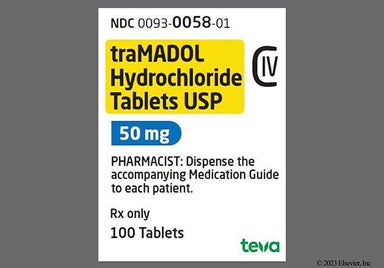









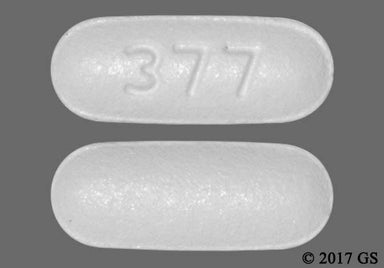
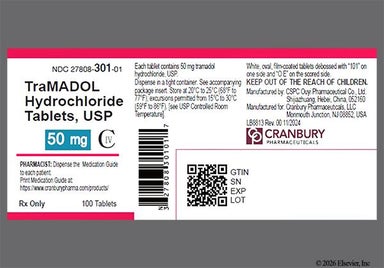
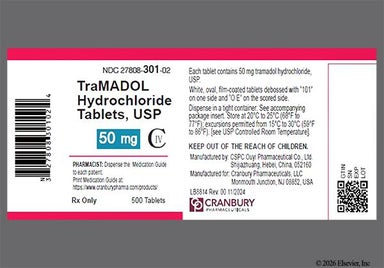













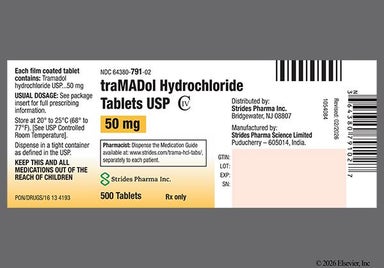
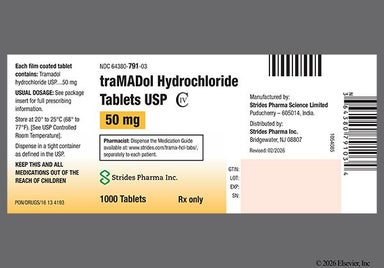
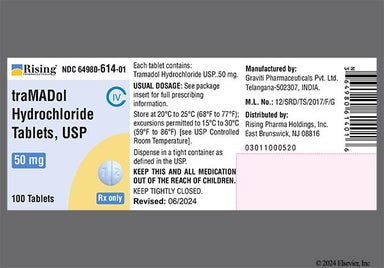
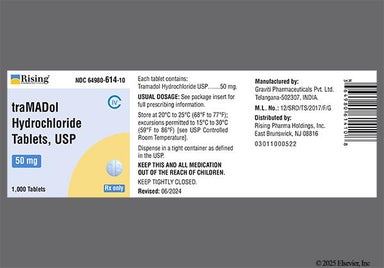






Prescription savings
Stop paying too much for your prescriptions. Compare prices, get pharmacy coupons, and save up to 80%. Find expert answers to your health questions so you can make the best decisions for yourself and your family.
Health conditions
Medications & treatment
Access & affordability
Medication discounts

Yes, it's generally acceptable and safe to take non-opioid pain medications with Tramadol. These medications include acetaminophen (Tylenol), ibuprofen (Advil, Motrin), or naproxen (Aleve). In fact, it's usually recommended to take non-opioid pain medications with opioids for additional pain relief. This is a way to lower the amount of opioids you need to take to manage pain. But it's important to note that these non-opioid pain medications also have several risks (e.g., liver or kidney problems, heart risks) that shouldn't be ignored. Before using other pain medications with Tramadol, speak with your healthcare provider to make sure it's safe for you to do so.
Tramadol is considered a weaker opioid compared to other opioids. But Tramadol can still work well because it has an additional way that it helps manage pain. While most opioids mainly act on the opioid receptor to change the response to pain, Tramadol can also raise the levels of serotonin and norepinephrine in your brain. This is thought to help with pain. Tramadol might also have a lower risk of misuse compared to the other opioids.
Since Tramadol has a risk for misuse and dependency, it's only available through a Risk Evaluation and Mitigation Strategy (REMS) program called the Opioid Analgesic REMS program. The FDA announced the launch of this restrictive program in 2018 for all opioids that aren't used in a hospital setting. The purpose of this REMS program is to make sure Tramadol is distributed and used in a safe manner. Your provider must register with the REMS program and receive training on proper Tramadol use in order to prescribe the medication. They are required to inform you about how to take Tramadol safely and responsibly.
The extended-release (ER) forms of Tramadol slowly release the medication into the body throughout the day. This can help manage your pain as you continue your day. This means you only need to take it once per day. On the other hand, the immediate-release (IR) forms of tramadol release medication into your body quickly (about 1 to 2 hours). Typically, the effects don't last as long as the ER form, so the IR form is usually taken more often throughout the day as needed for pain relief. Discuss with your provider about which formulation of Tramadol fits your needs.
Opioids like Tramadol are generally not recommended during pregnancy unless the benefits of the medication are clearly greater than the risks. Taking opioids during pregnancy can cause developmental and growth problems in your baby. Additionally, your baby can become dependent on opioids and develop neonatal abstinence syndrome after being born. This is when your baby has opioid withdrawal symptoms like high-pitched crying, poor feeding and sucking behavior, irritability, abnormal sleep patterns, or seizure. This condition requires urgent treatment. If you're pregnant or thinking of becoming pregnant while taking Tramadol, contact your provider right away to discuss the risks and benefits of using the medication during pregnancy.
No, it's not recommended to take Tramadol if you're breastfeeding. This medication can pass into breast milk and potentially raise the risk of very serious and sometimes life-threatening side effects in your baby. This can include extreme sleepiness and slowed breathing. In fact, the FDA announced that nursing mothers should avoid Tramadol. Tell your provider if you want to breastfeed while taking Tramadol. To make sure your breastfed baby is safe, your provider can recommend other pain medications for you or suggest other ways to feed your baby (e.g., use formula or previously stored breast milk).
