


Alopecia Treatments: FDA-Approved Medications and Clinical Trials Underway
Alopecia causes distressing hair loss, but treatment can help you regrow hair. Check out all treatments for alopecia areata, plus clinical trials for new drugs.
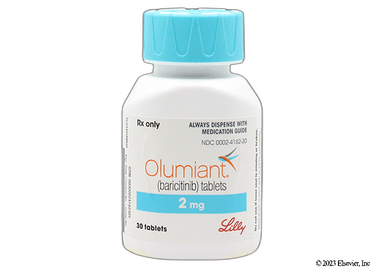
Olumiant (baricitinib) is a Janus kinase (JAK) inhibitor. It's used to treat rheumatoid arthritis (RA) and severe hair loss (alopecia areata) in adults. It can also be prescribed for adults hospitalized with COVID-19 who need breathing support. Olumiant (baricitinib) is taken by mouth once daily. The most common side effect of this medication is a higher risk of infections.

Olumiant (baricitinib) is a Janus kinase (JAK) inhibitor. JAK kinases are proteins in the body that play an important role in immune signaling. When JAK kinases are active, your body experiences more inflammation. Olumiant (baricitinib) dampens down the immune system by blocking JAK kinases.
| Common Brands | Olumiant |
|---|---|
| Drug Class | JAK inhibitor |
| Controlled Substance Classification | Not a controlled medication |
| Generic Status | No lower-cost generic available |
| Availability | Prescription only |

The following side effects may get better over time as your body gets used to the medication. Let your healthcare provider know immediately if you continue to experience these symptoms or if they worsen over time.
Rheumatoid arthritis:
COVID-19:
Alopecia areata:
Rheumatoid arthritis:
COVID-19:
Alopecia areata:
Contact your healthcare provider immediately if you experience any of the following.
Side effects that you should report to your care team as soon as possible:
Side effects that usually do not require medical attention (report these to your care team if they continue or are bothersome):




Olumiant (baricitinib) can cause some serious health issues. This risk may be even higher for certain groups. If this worries you, talk to your doctor or pharmacist about other options.
 Olumiant (baricitinib) can affect your body's ability to fight off infections. This can raise your risk of serious bacterial (e.g., tuberculosis (TB)), viral (e.g., herpes, hepatitis), or fungal infections. Your provider will routinely monitor you for infections before and during treatment with Olumiant (baricitinib). If you notice any signs of infection during treatment like fever, chills, body aches, pain when urinating, or cough, let your provider know right away.
Though this hasn't been seen with Olumiant (baricitinib), use of JAK inhibitors for rheumatoid arthritis has been linked to higher risk of death for some people, such as older adults with at least one heart-related risk factor. Talk to your provider about the risks and benefits of using Olumiant (baricitinib) before you start treatment.
Some people who took JAK inhibitors reported they developed cancer during treatment. These cancers included lymphoma and skin cancer. Some cancers have been reported by people taking Olumiant (baricitinib) during clinical studies. Because of this, your provider will monitor you for your risk of cancer during treatment. Additionally, make sure you schedule yearly screenings for skin cancer and let your provider know if you notice changes to your skin. Wear protective clothing and use sunscreen if you're out in the sun, and avoid UV light (e.g., tanning beds) to lower your risk of skin cancer.
Olumiant (baricitinib) can raise your risk for blood clots in different parts of your body. In a study of people taking another JAK inhibitor for RA who had at least one heart-related risk factor, more heart attacks and strokes happened in people who took the JAK inhibitor compared to another medication. Get medical help right away if you experience any of the following symptoms of a blood clots
Legs (deep vein thrombosis): leg cramp, swelling, pain, muscle tightness Lungs (pulmonary embolism): cough, chest pain, trouble breathing, racing heart Heart (arterial thrombosis): chest pain, short of breath, pain in the jaw, neck, or back, feeling weak or light-headed Brain (stroke): sudden weakness in your body, trouble speaking, confusion, dizziness Eyes: vision changes, pain.
Olumiant (baricitinib) can rarely cause serious allergic reactions. If you experience symptoms of an allergic reaction such as swelling in your face or throat, trouble breathing, or rash, get medical help right away.
During clinical studies, some people taking Olumiant (baricitinib) reported a tear in their gut. If you notice stomach pain or blood in your stool, get medical attention right away.
Olumiant (baricitinib) can lower the number of red blood cells (RBCs) and white blood cells (WBCs) in your body. This can raise your risk for anemia and infections. Your provider might order blood draws to check your blood cell counts. Let your provider know if you experience possible symptoms of low blood cell counts, such as: Anemia (low RBC count): feeling tired, headache, pale skin, fast heart rate, trouble breathing; Infections (low WBC count): fever, chills, tiredness, cough, body aches, runny nose.
Additionally, Olumiant (baricitinib) can raise your liver enzymes and cholesterol levels. High liver enzymes can sometimes mean your liver has been damaged. Your provider will order cholesterol tests and liver tests regularly while you're taking Olumiant (baricitinib). Let your provider know if you have high cholesterol, or are taking medications for high cholesterol, before starting Olumiant (baricitinib).

 Tablet
| Dosage | Quantity | Price as low as | Price per unit |
|---|---|---|---|
| 1mg | 30 tablets | $2,742.63 | $91.42 |
| 4mg | 30 tablets | $5,399.35 | $179.98 |
Your provider will adjust your dose based on if you're taking a medication that interacts with Olumiant (baricitinib), your blood cell counts, and if you have kidney or liver problems.











Prescription savings
Stop paying too much for your prescriptions. Compare prices, get pharmacy coupons, and save up to 80%. Find expert answers to your health questions so you can make the best decisions for yourself and your family.
Health conditions
Medications & treatment
Access & affordability
Medication discounts


Studies show that some people with alopecia areata might start to notice more hair growth after taking Olumiant for 2 to 3 months. But most people will need to take this medication for a longer period of time to see more significant hair growth. In fact, a one-year research study showed that people who take Olumiant continued to see benefits for until the end of the study. Keep in mind that everyone's experience with the medication can be different. Contact your provider if you're concerned with how well Olumiant is working for you.
There isn't a specific amount of time you need to take Olumiant for alopecia areata (hair loss). Your provider will likely have you continue taking the medication as long as it's working well for you and you're not having side effects. Studies show that long-term treatment is needed for alopecia areata because hair growth can be slow. Research showed that people continued to see improvements in hair growth even after taking Olumiant regularly for a year.
You might experience weight gain from taking Olumiant, but this isn't a common side effect. In clinical studies, only 1% to 2% of people taking Olumiant for alopecia areata reported weight gain as a side effect. Speak with your provider if you experience unusual or unexpected weight gain while you're taking Olumiant. They can help you figure whether the weight gain is caused by this medication or something else.
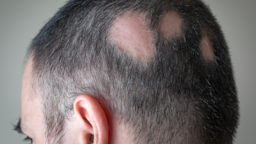
Olumiant is only FDA-approved to treat baldness caused by alopecia areata, not male pattern baldness. Alopecia areata is an autoimmune condition where your body's own immune system attacks your hair follicles, resulting in hair loss. Olumiant can treat alopecia areata by blocking the immune system from attacking hair follicles. Male pattern baldness isn't an autoimmune condition, but rather, affected by age and genetics. If you have male pattern baldness, talk with your provider about possible treatment options that are appropriate for your condition.
No, Olumiant isn't a steroid, it's a JAK inhibitor. While both steroids and JAK inhibitors lower inflammation in your body, they work differently from each other.
No, Olumiant isn't considered a biologic. Biologics are medications made from living sources, like cells. Olumiant is a synthetic (man-made) medication that belongs to the JAK inhibitor class of medications.
