


Is Gabapentin a Controlled Substance? In Some States, Yes
Gabapentin is a controlled substance in states like Michigan and Kentucky, while others have mandated reporting rules. Learn about its risk for abuse here.
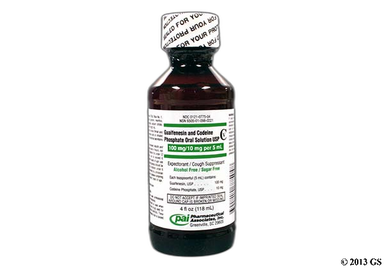
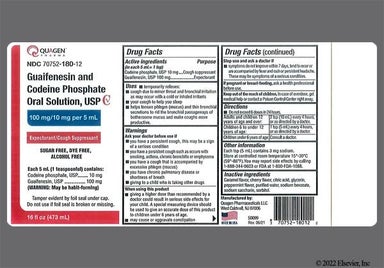
Codeine/guaifenesin is a cough syrup that contains an expectorant and an opioid. It's used to help loosen mucus and calm coughs in adults and older children. Codeine/guaifenesin is taken by mouth, typically every 4 hours as needed. But it's meant for short-term use only because it contains codeine, which is a controlled substance and can be habit-forming. Some side effects of codeine/guaifenesin include sleepiness and nausea. Brand name Cheratussin AC has been discontinued.

Codeine/guaifenesin is a combination of two medications:
| Common Brands | Guaifenesin AC, Guaiatussin AC, Virtussin AC |
|---|---|
| Drug Class | Opioid / Expectorant |
| Controlled Substance Classification | Schedule V |
| Generic Status | Lower-cost generic available |
| Availability | Prescription only |

Codeine/guaifenesin can cause some serious health issues. This risk may be even higher for certain groups. If this worries you, talk to your doctor or pharmacist about other options.
Codeine/guaifenesin is a controlled substance because it contains codeine, which has a risk for addiction and misuse. Take the medication exactly as prescribed. Taking more than the prescribed amount of codeine/guaifenesin raises the risk for serious and possibly life-threatening side effects, such as dangerously slow breathing, inability to stay awake, and opioid overdose. Your healthcare provider will prescribe the lowest amount of codeine/guaifenesin that's necessary to manage your pain for the shortest period of time possible. If you've been taking medication for 7 days and don't feel any better, contact your provider to discuss alternatives.
Codeine/guaifenesin is for short-term treatment of cough only. Taking it longer than recommended can raise the risk for dependence and addiction, as well as the risk for side effects, like breathing problems. Codeine/guaifenesin isn't meant to ease cough from chronic (long-term) conditions such as asthma, emphysema, and chronic bronchitis. It's also not meant to help with cough from smoking. If you have any of these conditions, speak to your provider because they'll likely make other recommendations.
Also, you should stop taking Codeine/guaifenesin and talk to your provider if your cough lasts longer than 7 days, if it stops and returns, or if you develop other symptoms such as a fever, rash, or headache that doesn't go away. These can be signs of a more serious condition that needs more medical attention.
The FDA issued a warning against children ages 12 years and under taking codeine medications for cough. This is because codeine medications can raise the risk of serious side effects, including life-threatening breathing problems, especially in children. If your child needs a cough medication, speak to your child's provider or your pharmacist to learn about safer alternatives.
Taking codeine/guaifenesin with benzodiazepines, opioids, sleeping medications, or alcohol can cause you to be extremely sleepy or have trouble breathing. This can be life-threatening and even lead to death. Don't drink alcohol while taking codeine/guaifenesin. If you regularly take other medications that cause drowsiness or affect breathing, discuss alternatives with your provider. There are safer options for treating a cough.

The following side effects may get better over time as your body gets used to the medication. Let your healthcare provider know immediately if you continue to experience these symptoms or if they worsen over time.
Contact your healthcare provider immediately if you experience any of the following.
Along with its needed effects, a medicine may cause some unwanted effects. Although not all of these side effects may occur, if they do occur they may need medical attention.
Although serious side effects occur rarely when this medicine is taken as recommended, they may be more likely to occur if: too much medicine is taken, it is taken in large doses, or it is taken for a long period of time.
Get emergency help immediately if any of the following symptoms of overdose occur:
For narcotic antitussive (codeine, dihydrocodeine, hydrocodone, or hydromorphone)-containing
Cold, clammy skin
confusion (severe)
convulsions (seizures)
drowsiness or dizziness (severe)
nervousness or restlessness (severe)
pinpoint pupils of eyes
slow heartbeat
slow or troubled breathing
If you are a nursing mother and you notice any of the following symptoms of overdose in your baby, get emergency help immediately:
Difficulty breathing
difficulty nursing
increased sleepiness (more than usual)
limpness
For acetaminophen-containing
increased sweating
loss of appetite
nausea or vomiting
stomach cramps or pain
swelling or tenderness in the upper abdomen or stomach area
For salicylate-containing
Any loss of hearing
bloody urine
confusion
convulsions (seizures)
dizziness or lightheadedness
drowsiness (severe)
excitement or nervousness (severe)
fast or deep breathing
hallucinations (seeing, hearing, or feeling things that are not there)
increased sweating
nausea or vomiting (severe or continuing)
shortness of breath or troubled breathing (for salicylamide only)
stomach pain (severe or continuing)
uncontrollable flapping movements of the hands, especially in elderly patients
unusual thirst
vision problems
For decongestant-containing
Fast, pounding, or irregular heartbeat
headache (continuing and severe)
nausea or vomiting (severe)
nervousness or restlessness (severe)
shortness of breath or troubled breathing (severe or continuing)
Check with your doctor as soon as possible if any of the following side effects occur:
For antihistamine- or anticholinergic-containing
Clumsiness or unsteadiness
convulsions (seizures
drowsiness (severe)
dryness of mouth, nose, or throat (severe)
flushing or redness of face
hallucinations (seeing, hearing, or feeling things that are not there)
restlessness (severe)
shortness of breath or troubled breathing
slow or fast heartbeat
For iodine-containing
Headache (continuing)
increased watering of mouth
loss of appetite
metallic taste
skin rash, hives, or redness
swelling of face, lips, or eyelids
For acetaminophen-containing
Unexplained sore throat and fever
unusual tiredness or weakness
yellow eyes or skin
Some side effects may occur that usually do not need medical attention. These side effects may go away during treatment as your body adjusts to the medicine. Also, your health care professional may be able to tell you about ways to prevent or reduce some of these side effects. Check with your health care professional if any of the following side effects continue or are bothersome or if you have any questions about them:
decreased sweating
difficult or painful urination
dizziness or lightheadedness
drowsiness
dryness of mouth, nose, or throat
false sense of well-being
increased sensitivity of skin to sun
nausea or vomiting
nightmares
stomach pain
thickening of mucus
trouble in sleeping
unusual excitement, nervousness, restlessness, or irritability
unusual tiredness or weakness
Not all of the side effects listed above have been reported for each of these medicines, but they have been reported for at least one of them. There are some similarities among these combination medicines, so many of the above side effects may occur with any of these medicines.
Other side effects not listed may also occur in some patients. If you notice any other effects, check with your healthcare professional.
Call your doctor for medical advice about side effects. You may report side effects to the FDA at 1-800-FDA-1088.




 Ml of oral solution
| Dosage | Quantity | Price as low as | Price per unit |
|---|---|---|---|
| 100mg/10mg/5ml | 118 ml | $9.81 | $0.08 |

Although certain medicines should not be used together at all, in other cases two different medicines may be used together even if an interaction might occur. In these cases, your doctor may want to change the dose, or other precautions may be necessary. When you are taking any of these medicines, it is especially important that your healthcare professional know if you are taking any of the medicines listed below. The following interactions have been selected on the basis of their potential significance and are not necessarily all-inclusive.
Using medicines in this class with any of the following medicines is not recommended. Your doctor may decide not to treat you with a medication in this class or change some of the other medicines you take.
Using medicines in this class with any of the following medicines is usually not recommended, but may be required in some cases. If both medicines are prescribed together, your doctor may change the dose or how often you use one or both of the medicines.


Contraindications are specific health conditions or situations in which a person should not take a medication due to safety concerns. If you have any of the following conditions or if any of the following apply to you, let your healthcare provider know because Codeine/guaifenesin will not be safe for you to take.






Prescription savings
Stop paying too much for your prescriptions. Compare prices, get pharmacy coupons, and save up to 80%. Find expert answers to your health questions so you can make the best decisions for yourself and your family.
Health conditions
Medications & treatment
Access & affordability
Medication discounts

If you have a fever or body pain along with your cough symptoms, you can take ibuprofen (Advil) along with Guaifenesin/Codeine as long as your provider says it's safe. Ibuprofen is a nonsteroidal anti-inflammatory drug (NSAID), and this class of medications might not be safe for those with kidney problems, stomach issues, or heart conditions.
Your provider might recommend acetaminophen (Tylenol) for you if you've a fever or body pain along with your cough symptoms. Look at the packaging of your acetaminophen (Tylenol) product for instructions on dosing. Keep in mind that the maximum daily dose of acetaminophen (Tylenol) is lower for people who have liver problems. Also, double check to make sure your acetaminophen (Tylenol) product doesn't already contain guaifenesin, which is commonly found in over-the-counter cold and flu medications.
Yes. Guaifenesin/Codeine is a schedule V controlled substance, which means it has the potential for addiction and misuse. This is the same for all cough medicines with codeine.
Yes, you need a prescription for Guaifenesin/Codeine in most states. Guaifenesin/Codeine is considered a controlled substance by the U.S. Drug Enforcement Administration (DEA), but laws regarding controlled substances can differ from state to state. A prescription is required to purchase this medication in almost every state, but some states (e.g., Florida) allows adults 18 years and older to buy Guaifenesin/Codeine at the pharmacy counter without a prescription, though a photo ID is needed. Check with your pharmacist if you're not sure about the laws in your state.
Yes, drowsiness is one of the more common side effects of opioid-containing medications, including Guaifenesin/Codeine. Avoid driving or doing any activity the needs a lot of focus and attention while taking this medication until you know how it makes you feel. If Guaifenesin/Codeine is making it difficult for you to get through the day, your provider might only recommend it for nighttime cough. Ask them about non-drowsy cough medication options that are more appropriate for daytime.
No, Guaifenesin/Codeine is meant for short-term cough relief only. Taking Guaifenesin/Codeine long-term can raise the risk of it becoming habit-forming. If you don't feel any better after using this medication for 7 days, contact your provider. You might need more medical attention for your cough.
Let your provider know if you're pregnant or thinking of becoming pregnant. Guaifenesin/Codeine isn't typically recommended during pregnancy because this medication can pass from mother to child and raise the risk for opioid dependence in an unborn baby. Speak with your provider about safer medication options or home remedies for treating a cough while you're pregnant.
