






11 Causes of Loss of Smell and Taste Besides COVID
Loss of smell or taste is a nuisance. While it may happen after COVID-19, there are other causes too. Here’s what can cause loss of taste and smell.
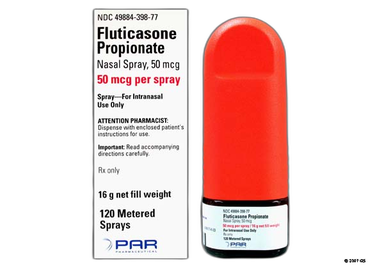
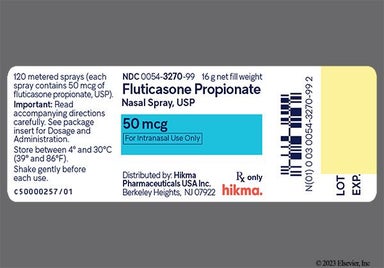
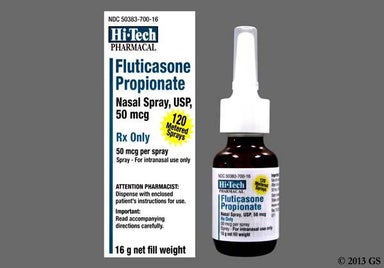
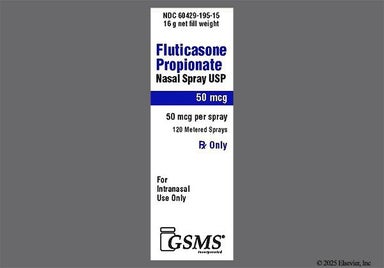
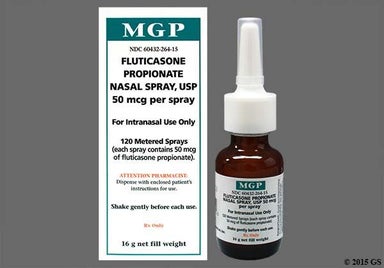
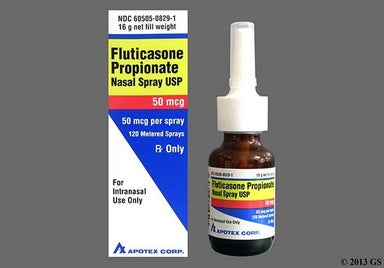
Fluticasone nasal spray is a steroid nasal spray used to relieve allergy symptoms, such as stuffy or runny nose, sneezing, and itchy or watery eyes. It's available by prescription and over the counter (OTC). OTC brands include Flonase Allergy Relief and Flonase Sensimist Allergy Relief. Depending on the product, it can be used in adults and children as young as 2 years old. It's typically sprayed into each nostril once or twice a day. Side effects include headaches and nosebleeds.

Symptoms from allergies, such as:
Fluticasone nasal spray is a corticosteroid. The exact way it treats nasal allergy symptoms isn't fully understood, but it helps lower inflammation by reducing the activity of cells and chemicals involved in allergic reactions. This helps reduce swelling and irritation in your nose and relieve allergy symptoms.
| Common Brands | Flonase Allergy Relief, Flonase Sensimist Allergy Relief |
|---|---|
| Drug Class | Corticosteroid |
| Controlled Substance Classification | Not a controlled medication |
| Generic Status | Lower-cost generic available |
| Availability | Prescription or over-the-counter |

The following side effects may get better over time as your body gets used to the medication. Let your healthcare provider know immediately if you continue to experience these symptoms or if they worsen over time.
Contact your healthcare provider immediately if you experience any of the following.
Along with its needed effects, a medicine may cause some unwanted effects. Although not all of these side effects may occur, if they do occur they may need medical attention.
Check with your doctor as soon as possible if any of the following side effects occur:
Rare
White patches inside nose or throat
Symptoms of overdose
Blindness
blurred vision
bone fractures
excess facial hair growth in females
fullness of face, neck, and trunk
impotence in males
increased thirst or urination
lack of menstrual periods
muscle wasting
weakness
Some side effects may occur that usually do not need medical attention. These side effects may go away during treatment as your body adjusts to the medicine. Also, your health care professional may be able to tell you about ways to prevent or reduce some of these side effects. Check with your health care professional if any of the following side effects continue or are bothersome or if you have any questions about them:
Less common
Other side effects not listed may also occur in some patients. If you notice any other effects, check with your healthcare professional.
Call your doctor for medical advice about side effects. You may report side effects to the FDA at 1-800-FDA-1088.



How to use fluticasone nasal spray

Fluticasone nasal spray can cause some serious health issues. This risk may be even higher for certain groups. If this worries you, talk to your doctor or pharmacist about other options.
Fluticasone nasal spray can cause problems inside your nose, including nosebleeds, sores, and fungal infections. Rarely, it can cause a hole in the wall between your nostrils (nasal septum). Corticosteroids can also slow healing inside your nose.
Tell your care team if you have frequent nosebleeds, sores, ongoing irritation, white patches, or a whistling sound when you breathe through your nose. Avoid fluticasone nasal spray if you've recently had nasal surgery, an injury, or sores in your nose until the area has healed.
Long-term use of fluticasone nasal spray can raise your risk of eye problems, including glaucoma, increased pressure in your eyes, and cataracts. Tell your care team if you notice blurry vision, eye pain, or other changes in your eyesight. They might recommend an eye exam, especially if you use the medication for a long time.
Serious allergic reactions to fluticasone nasal spray are very rare, but they can happen. Stop using the medication and get medical help right away if you develop a rash, hives, swelling of your face or tongue, tightness in your throat, or trouble breathing.
Fluticasone nasal spray can weaken your immune system and make it harder for your body to fight infections. Certain infections, such as chickenpox and measles, can become more serious. Avoid close contact with people who have these infections, and contact your care team right away if you're exposed.
Tell your care team about any current or past infections before using fluticasone nasal spray. This includes tuberculosis (TB), fungal, bacterial, viral, or parasitic infections, and herpes infections of the eye.
Fluticasone nasal spray can rarely affect your body's ability to make its own steroid hormones, especially if you use more than the recommended dose. This can lead to adrenal insufficiency, a condition where your body doesn't make enough steroid hormones.
Your risk can also be higher if you're switching from a steroid taken by mouth or injection to fluticasone nasal spray. Tell your care team if you develop unusual tiredness, weakness, dizziness, nausea, or muscle or joint pain, especially during illness, surgery, or other physical stress.
Fluticasone nasal spray might slow growth in children who are still growing. Your child's care team will likely check their height regularly during treatment and use the lowest dose that controls their allergy symptoms.

 Nasal spray
| Dosage | Quantity | Price as low as | Price per unit |
|---|---|---|---|
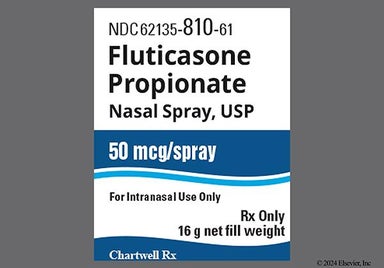
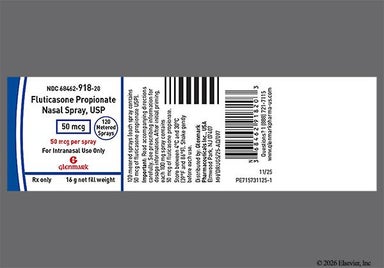
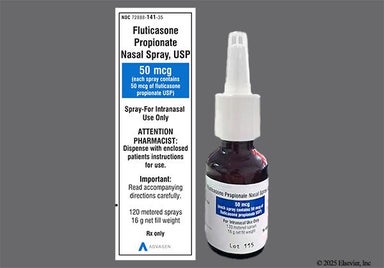
| 16g of 50mcg | 1 nasal spray | $14.67 | $14.67 |
Fluticasone nasal spray comes in different forms, including prescription and OTC products. The dosing and age ranges vary by product, so follow the directions on your specific product or prescription label.
Prescription fluticasone propionate nasal spray:
Each spray contains 50 mcg of fluticasone propionate.
OTC fluticasone propionate nasal spray:
Each spray contains 50 mcg of fluticasone propionate.
OTC Flonase Sensimist Allergy Relief (fluticasone furoate):
Each spray contains 27.5 mcg of fluticasone furoate.

GoodRx has partnered with to provide reviews on the different aspects of Fluticasone nasal spray.
Learn more about the effectiveness of Fluticasone nasal spray based on real life experiences.
Based on 100 people taking this medication
3
2.7
4.0
3.2
2.3
2.8
Severity of side effects
Based on 260 people taking this medication
0%
50%
100%
Nosebleeds (epistaxis)
6%
Dry nose
4%
Sore throat
2%
Dry nasal passages
2%
Runny nose (rhinorrhea)
2%
Reasons people stopped taking Fluticasone nasal spray
Based on 140 people who have taken this medication
Did not seem to work
23%
Other
19%
Doctor's advice
18%
Course of treatment ended
17%
Side effects too severe
15%
Change in health plan coverage
5%
Expense
5%
Personal research
3%
How long people take Fluticasone nasal spray
Based on 525 people who have taken this medication
0%
50%
100%

Although certain medicines should not be used together at all, in other cases two different medicines may be used together even if an interaction might occur. In these cases, your doctor may want to change the dose, or other precautions may be necessary. When you are taking this medicine, it is especially important that your healthcare professional know if you are taking any of the medicines listed below. The following interactions have been selected on the basis of their potential significance and are not necessarily all-inclusive.
Using this medicine with any of the following medicines is usually not recommended, but may be required in some cases. If both medicines are prescribed together, your doctor may change the dose or how often you use one or both of the medicines.













Prescription savings
Stop paying too much for your prescriptions. Compare prices, get pharmacy coupons, and save up to 80%. Find expert answers to your health questions so you can make the best decisions for yourself and your family.
Health conditions
Medications & treatment
Access & affordability
Medication discounts


How often you can use Flonase depends on the specific product. Most OTC products are used once a day. Prescription fluticasone propionate nasal spray can be used once or twice a day. Follow the directions on your product label or your prescriber's instructions, and don't use more than the recommended amount.
No. Flonase isn't an antihistamine. It's a corticosteroid nasal spray that helps lower inflammation and swelling in your nose to relieve allergy symptoms. Antihistamines work differently by blocking histamine, a chemical your body releases during an allergic reaction.
Yes, Flonase can help relieve nasal congestion, along with other allergy symptoms such as sneezing, runny nose, and itchy or watery eyes. It works directly in your nose to lower inflammation and swelling, which helps you breathe more easily.
No. Flonase doesn't raise blood pressure if used as directed. Unlike some allergy decongestants, fluticasone is a corticosteroid that works mainly inside your nose to lower inflammation. If you have high blood pressure and aren't sure which allergy medications are safe for you, talk to a healthcare professional.
If you're pregnant or planning to become pregnant, talk to a healthcare professional before using Flonase. There isn't enough research to say it's completely risk-free, but it's generally considered safe in pregnancy since only a small amount of medication is absorbed in your body. Your healthcare professional can help you weigh the benefits and possible risks for you and your baby.
Both medications are nasal sprays used to treat allergies, but they contain different forms of fluticasone. Flonase Allergy Relief contains fluticasone propionate, while Flonase Sensimist contains fluticasone furoate. Flonase Sensimist also provides a gentle, scent-free mist that's designed not to drip. Flonase Allergy Relief is approved for people ages 4 years and older, while Flonase Sensimist can be used in children as young as 2 years old. Check the product label or talk to your care team about which option is right for you.
Nasacort) and Flonase are both OTC nasal sprays used to relieve allergy symptoms, such as congestion, sneezing, and a runny nose. But they contain different corticosteroids. Nasacort contains triamcinolone, while Flonase contains fluticasone. They work similarly to lower inflammation in your nose, but you might prefer one over the other. Ask your healthcare professional if you have questions about how they compare.
Afrin and Flonase are both nasal sprays that can help clear up a stuffy nose, but they work differently. Afrin contains oxymetazoline, a decongestant that shrinks blood vessels in your nose for fast, temporary relief. It shouldn't be used for more than 3 days in a row because it can cause rebound congestion. Flonase contains a steroid that targets the underlying inflammation causing your allergies, and it's meant for daily use. Talk to your healthcare professional if you have questions about how they compare.
