



10 Medication Side Effects That Can Affect Your Mouth
Some medications cause mouth-related side effects, like dry mouth and burning mouth syndrome. Here are 10 common issues and medications that may cause them.
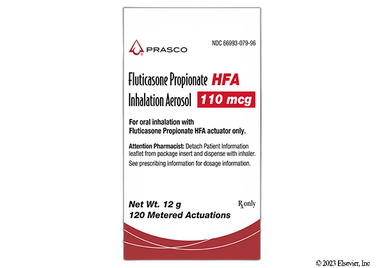
Flovent (fluticasone) is an inhaled corticosteroid medication used in people 4 years and older with asthma. It helps keep lung inflammation low and the airways open. This inhaler is used twice per day. When used every day, Flovent (fluticasone) can lower the number and severity of asthma attacks. It's not a rescue inhaler, so it won't help an asthma attack that has already started.

Flovent (fluticasone) is a corticosteroid. It works like cortisol, which is a natural hormone your body makes. When you breathe in Flovent (fluticasone), it works directly in your lungs to lower inflammation and open up your airways. This helps control asthma and prevents asthma attacks.
| Common Brands | Flovent Diskus, Flovent HFA |
|---|---|
| Drug Class | Inhaled corticosteroid (ICS) |
| Controlled Substance Classification | Not a controlled medication |
| Generic Status | Lower-cost generic available |
| Availability | Prescription only |

The following side effects may get better over time as your body gets used to the medication. Let your healthcare provider know immediately if you continue to experience these symptoms or if they worsen over time.
In general, common side effects for Flovent HFA and Flovent Diskus are very similar:
Contact your healthcare provider immediately if you experience any of the following.
Side effects that you should report to your care team as soon as possible:
Side effects that usually do not require medical attention (report to your care team if they continue or are bothersome):



More tips for the Flovent Diskus inhaler:
More tips for the Flovent HFA inhaler:

Flovent (fluticasone) can cause some serious health issues. This risk may be even higher for certain groups. If this worries you, talk to your doctor or pharmacist about other options.
Flovent (fluticasone) is a steroid medication. When inhaled through the mouth, it can cause a fungal infection in your mouth and throat called thrush. To lower your risk for thrush, make sure to rinse your mouth with water and spit after each inhalation of Flovent (fluticasone). If you notice symptoms of thrush, such as white patches in your mouth, cotton-like feeling in your mouth, pain while eating or swallowing, or loss of taste, contact your provider. You might need to take an antifungal for treatment.
Inhaled medications, including Flovent (fluticasone), can sometimes cause a muscle spasm in your lungs (bronchospasm). This can lead to difficulty breathing, wheezing, cough, and chest discomfort. If you become short of breath after using Flovent (fluticasone), use your rescue inhaler and get medical attention right away.
Severe allergic reactions to Flovent (fluticasone) are possible, including life-threatening reactions like facial swelling, shock, and anaphylaxis (closing of the throat). Get medical attention right away if you notice hives, rash, red skin, swelling of the lips or tongue, or difficulty breathing after using Flovent (fluticasone).
Using Flovent (fluticasone) for long periods of time or using too much of it can cause more medication to be absorbed into the body. This can affect your body in different ways since the medication acts similar to cortisol (a natural stress hormone made by your body). You might experience symptoms of too much cortisol (called Cushing's disease), such as weight gain around your gut, puffiness of your face, and muscle weakness in the arms and legs. On the other hand, Flovent (fluticasone) can also cause your body to make less natural cortisol. Symptoms of low cortisol include long-lasting fatigue, loss of appetite, nausea, and vomiting. If either problem is severe enough, you might need additional medical treatment. Use Flovent (fluticasone) only as directed. Don't use more than the maximum number of inhalations each day. Use the lowest dose possible for the shortest amount of time.
It's possible for children to experience a delay in growth during treatment with Flovent (fluticasone). Growth rate typically goes back to normal within a few years after stopping the medication. But there isn't enough information available to know what the long-term effects of Flovent (fluticasone) are on children's growth. Children should use the lowest dose for the shortest amount of time needed. If you're concerned about how Flovent (fluticasone) might affect your child's growth, discuss with your child's provider to see if this medication is right for them.
People taking Flovent (fluticasone) for a long time have reported having higher pressure in the eyes, glaucoma, and cataracts. Talk to your eye provider before using Flovent (fluticasone) if you have glaucoma or cataracts. Also speak with them if you notice any changes to your vision while using the medication.


Contraindications are specific health conditions or situations in which a person should not take a medication due to safety concerns. If you have any of the following conditions or if any of the following apply to you, let your healthcare provider know because Flovent (fluticasone) will not be safe for you to take.











Prescription savings
Stop paying too much for your prescriptions. Compare prices, get pharmacy coupons, and save up to 80%.Resources
About GoodRx
 Find expert answers to your health questions so you can make the best decisions for yourself and your family.
Health conditions
Medications & treatment
Access & affordability
Well-being
Medication discounts

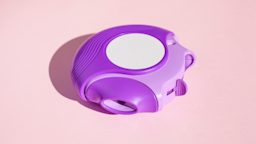
Both the Flovent HFA and Diskus inhaler contain the same active ingredient, fluticasone propionate. They work just as well as each other to treat asthma. The main difference is the actual inhaler that delivers the medication and how you should use each device. The HFA inhaler works by using a propellant to push the aerosolized medication out of the inhaler and into your lungs. As you push down on the canister for a dose, you'll need to take a slow, long, deep breath to allow the medication to reach your lungs. In contrast, the medication in the Diskus inhaler is a dry powder. The medication reaches your lungs using the force of your inhalation. That's why you need to breathe in quickly and deeply when you're using the Diskus inhaler.
No, Flovent should never be used as needed nor as a rescue inhaler to treat an asthma attack. Flovent is a long-acting corticosteroid medication that works over time to lower inflammation in your lungs, which keeps your airways open. Short-acting inhalers like albuterol (ProAir, Ventolin) are rescue inhalers that open your airways quickly. Always make sure to have your albuterol or other rescue inhaler with you at all times, even if you're taking Flovent.
There isn't a set amount of time you'll need to use Flovent to manage your asthma. Some people need the inhaler for their whole life, while others only need it for just a short amount of time. Flovent is a long-acting medication that's meant to be taken every day on a scheduled basis. Its purpose is to keep lung inflammation low and your airways open so you don't have asthma attacks. This should help lower your need to use your rescue inhaler (e.g., albuterol (ProAir, Ventolin)). After a certain time of using Flovent with no asthma attacks, your provider might slowly lower your dose and see how well your asthma is managed. The goal is to reach the lowest effective dose of the medication possible. It's important you take Flovent exactly as prescribed; don't stop using it until you talk to your provider. This will make sure the medication works as best as possible for you.
Unlike short-acting rescue inhalers, you can't directly feel the effects of long-acting inhaled medications like Flovent. You'll know if it's working for you or not based on how often you have asthma attacks and need your rescue inhaler. It can take about 1 to 2 weeks to get the most benefit from Flovent. If you're having asthma attacks after using Flovent every day for a while, this could mean that your dose is too low and you'll likely need a dose adjustment. It could also mean that you need to use another long-acting inhaled medication on top of Flovent. But if you haven't had an asthma attack for some time while consistently using Flovent, your provider will discuss with you whether it's possible to lower your dose or stop the medication altogether.
If you're pregnant or thinking of becoming pregnant, discuss the risks and benefits of using Flovent with your provider. There isn't much information about the safety of Flovent during pregnancy. But experts do know that poorly controlled asthma carries many risks for you and your unborn baby. Current guidelines for treating asthma recommend using inhaled corticosteroids like Flovent to help manage asthma during pregnancy.
