





10 Medication Side Effects That Can Affect Your Mouth
Some medications cause mouth-related side effects, like dry mouth and burning mouth syndrome. Here are 10 common issues and medications that may cause them.
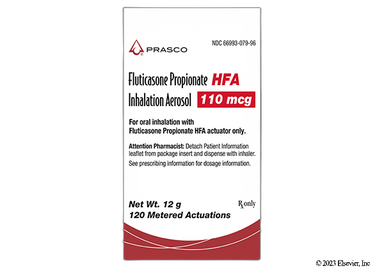
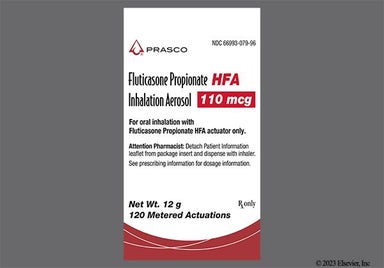
Fluticasone propionate inhaler, the generic name for Flovent, is an inhaled corticosteroid medication used everyday to help control asthma in adults and children ages 4 years and older. It comes as HFA and Diskus inhalers that are typically used twice a day. It's not a rescue inhaler and won't treat an asthma attack that's already started. Common side effects include throat irritation and upper respiratory tract infections.

Fluticasone is an inhaled corticosteroid. It works directly in your lungs to lower inflammation and swelling in your airways. This helps keep your airways open, control asthma symptoms, and prevent asthma attacks.
| Common Brands | Flovent |
|---|---|
| Drug Class | Inhaled corticosteroid (ICS) |
| Controlled Substance Classification | Not a controlled medication |
| Generic Status | Lower-cost generic available |
| Availability | Prescription only |

The following side effects may get better over time as your body gets used to the medication. Let your healthcare provider know immediately if you continue to experience these symptoms or if they worsen over time.
HFA (adults and children 12 years and older):
Diskus:
HFA (adults and children 12 years and older):
Diskus:
Contact your healthcare provider immediately if you experience any of the following.
Side effects that you should report to your care team as soon as possible:
Side effects that usually do not require medical attention (report these to your care team if they continue or are bothersome):


How to use fluticasone propionate HFA inhaler:
How to use fluticasone propionate Diskus inhaler:

Fluticasone can cause some serious health issues. This risk may be even higher for certain groups. If this worries you, talk to your doctor or pharmacist about other options.
Fluticasone can cause a fungal infection called thrush in your mouth or throat. To lower your risk, rinse your mouth with water and spit it out after every dose.
Tell your care team if you develop white patches, redness, or soreness in your mouth or throat. You might need an antifungal medication, and sometimes you might need to pause fluticasone until the infection improves.
Fluticasone is a maintenance inhaler that works over time to control asthma. It doesn't open your airways quickly and shouldn't be used as a rescue inhaler during an asthma attack.
Use your rescue inhaler, such as albuterol, as directed for sudden breathing problems. Contact your care team right away if your rescue inhaler isn't helping, since you might need additional treatment.
Fluticasone can weaken your immune system and make it harder for your body to fight infections. Certain infections, such as chickenpox and measles, can become more serious. Avoid close contact with people who have these infections, and contact your care team right away if you're exposed.
Tell your care team about any current or past infections before starting fluticasone, including tuberculosis (TB), fungal, bacterial, viral, or parasitic infections, or herpes infections of the eye. Contact them if you develop signs of an infection, such as fever, chills, or body aches.
Fluticasone can rarely affect your body's ability to make its own steroid hormones. At recommended doses, this is less likely to happen. But using high doses or more than prescribed can lead to adrenal insufficiency, a condition where your body doesn't make enough steroid hormones.
Tell your care team if you develop unusual tiredness, weakness, dizziness, nausea, or vomiting, especially during illness, surgery, or other physical stress.
Both the HFA and Diskus forms of fluticasone can rarely cause a serious or life-threatening allergic reaction, including anaphylaxis. Get emergency medical help right away if you develop hives, a rash, swelling of your face or throat, trouble breathing, or severe dizziness.
The Diskus inhaler contains lactose, which can contain small amounts of milk proteins. Don't use the Diskus form if you have a severe milk protein allergy.
Long-term use of fluticasone might lower your bone mineral density, which can weaken your bones. It's not clear how much this affects your risk of broken bones. Your care team might check your bone health if you're at higher risk.
Fluticasone might slow growth in children who are still growing. Your child's care team will likely check their height regularly during treatment and use the lowest dose that keeps their asthma under control.
Long-term use of fluticasone can raise your risk of eye problems, including glaucoma, glaucoma and cataracts. Tell your care team if you notice blurry vision, eye pain, or other changes in your eyesight. If you use fluticasone for a long time, your care team might recommend regular eye exams.
Fluticasone can sometimes cause paradoxical bronchospasm, which means your airways tighten instead of relax. This is rare but can be life threatening. If you notice more wheezing, shortness of breath, or coughing after using fluticasone, stop using it and use a rescue inhaler (like albuterol) right away. Contact your prescriber since you might need to switch to a different treatment.


Contraindications are specific health conditions or situations in which a person should not take a medication due to safety concerns. If you have any of the following conditions or if any of the following apply to you, let your healthcare provider know because Fluticasone will not be safe for you to take.











Prescription savings
Stop paying too much for your prescriptions. Compare prices, get pharmacy coupons, and save up to 80%. Find expert answers to your health questions so you can make the best decisions for yourself and your family.
Health conditions
Medications & treatment
Access & affordability
Medication discounts


Yes. The brand-name Flovent HFA and Flovent Diskus were discontinued in the U.S. in January 2024. But generic fluticasone inhalers are still available.
No, fluticasone inhalers are only available by prescription from a healthcare professional. There currently aren't any inhaled corticosteroid inhalers available over the counter.
No. Fluticasone inhaler shouldn't be used as needed or as a rescue inhaler during an asthma attack. It's a daily controller medication that works over time to lower inflammation and swelling in your airways. Rescue inhalers, such as albuterol, work quickly to open your airways during sudden breathing problems. Make sure you have your rescue inhaler available with you at all times.
The fluticasone Diskus inhaler contains lactose, a type of sugar found in milk and dairy products. Lactose is commonly used as an inactive ingredient in dry powder inhalers. If you have a severe dairy or milk protein allergy, or a sensitivity to lactose, let your prescriber know.
Yes, hoarseness or changes in your voice are possible side effects of inhaled corticosteroids like fluticasone. Rinsing your mouth with water and spitting it out after each dose can help lower your risk. Talk to your prescriber if your hoarseness doesn't go away or becomes bothersome.
Yes. Fluticasone inhaler is meant to control asthma and reduce coughing over time, but it can sometimes cause or worsen a cough after you inhale a dose. Rarely, it can suddenly tighten your airways, which can cause coughing, wheezing, or trouble breathing. Talk to your prescriber if your cough gets worse or doesn't go away. Use your rescue inhaler and get medical help right away if you suddenly have trouble breathing after a dose.
Fluticasone HFA can start improving your breathing within about 1 day, but it can take 1 to 2 weeks to get the full benefit. Unlike a rescue inhaler, you might not feel it working right away. One way to tell if it's working is if you're having fewer asthma symptoms and attacks and need your rescue inhaler less often. If your asthma isn't improving after using this inhaler regularly, talk to your prescriber. They might adjust your dose or add another maintenance medication.
Yes. You can use a spacer or valved holding chamber with fluticasone HFA. A spacer attaches to the inhaler and can make it easier to breathe the medication into your lungs, especially if you have trouble timing your breath with the puff. Spacers are used with HFA metered-dose inhalers like fluticasone HFA, but not with dry powder inhalers such as fluticasone Diskus.
