fludrocortisone
Fludrocortisone acetate is a corticosteroid. It's used to treat conditions where the body doesn't make enough of certain hormones, such as Addison's disease, in adults. Fludrocortisone is taken by mouth, typically once daily. Some side effects of this medication include high blood pressure and swelling from fluids. If you need to stop fludrocortisone, your provider will help lower your dose slowly over time to help avoid withdrawal symptoms. It's available as a lower-cost generic tablet.


What is Fludrocortisone?
What is Fludrocortisone used for?
- Addison's disease (adrenal insufficiency)
- Congenital adrenal hyperplasia (a genetic condition that affects hormone production)
How Fludrocortisone works
Fludrocortisone is a corticosteroid. These are man-made steroids that are like cortisol, a natural hormone your body makes. It's used to maintain the sodium, potassium, and water balance in your body.
Drug facts
| Common Brands | Florinef |
|---|---|
| Drug Class | Corticosteroid |
| Controlled Substance Classification | Not a controlled medication |
| Generic Status | Lower-cost generic available |
| Availability | Prescription only |

Side effects of Fludrocortisone
The following side effects may get better over time as your body gets used to the medication. Let your healthcare provider know immediately if you continue to experience these symptoms or if they worsen over time.
Common Side Effects
- Swelling from fluid buildup in the body
- High blood pressure
Less Common Side Effects
- Muscle or bone weakness
- Stomach pain
- Slower wound healing
- Thin, fragile skin
- Headaches
- Insomnia (trouble sleeping)
- Changes in your mood
- Headache
- Weight gain
Fludrocortisone serious side effects
Contact your healthcare provider immediately if you experience any of the following.
- Severe allergic reaction: trouble breathing or swallowing, swelling (on your face, lips, mouth, or throat), peeling skin, rash, hives
More on Fludrocortisone side effects

The following Fludrocortisone side effects have also been reported
Along with its needed effects, a medicine may cause some unwanted effects. Although not all of these side effects may occur, if they do occur they may need medical attention.
Check with your doctor immediately if any of the following side effects occur:
Less common or rare
Abdominal pain
agitation or combativeness
back or rib pain
blindness
bloody or black, sticky stools
blurred vision
burning in stomach
changes in skin color
chest pain or tightness
chills
confusion
convulsions
coughing up blood
darkened urine
decrease in height
decreased range of motion
decreased urine output
decreased vision
difficulty swallowing
expressed fear of impending death
eyeballs bulge out of eye sockets
fainting or lightheadedness when getting up from a lying or sitting position
fast or slow heartbeat
flushed dry skin
fractures in arms or legs without any injury
fractures in the neck or back
fruit-like breath odor
hallucinations
headache
increased fat deposits on face, neck, and trunk
increased hunger
increased thirst
increased urination
indigestion
irregular breathing or shortness of breath
irregular heartbeat
joint pain
lack or slowing of normal growth in children
walking with a limp
loss of appetite
loss of consciousness
muscle cramps or pain
nausea or vomiting
nervousness
pain, tenderness, or swelling of foot or leg
pains in stomach or side, possibly radiating to the back
patients taking oral medicines or insulin for diabetes may need to increase the amount they take
pounding in the ears
problems with wound healing
redness and itching of skin
redness of eyes
redness of face
severe or continuing dizziness
severe weakness of arms and legs
skin rash
sweating
swelling of face, fingers, feet, or lower legs
swelling of nasal passages, face, or eyelids
swollen neck veins
tearing of eyes
unexplained weight loss
unusual tiredness or weakness
vision changes
yellow eyes or skin
Some side effects may occur that usually do not need medical attention. These side effects may go away during treatment as your body adjusts to the medicine. Also, your health care professional may be able to tell you about ways to prevent or reduce some of these side effects. Check with your health care professional if any of the following side effects continue or are bothersome or if you have any questions about them:
Less common or rare
bruising, large, flat, blue or purplish patches in the skin
change in color of skin or nails
increased sweating
loss of muscle mass
menstrual changes
muscle weakness
reddish purple lines on arms, face, legs, trunk, or groin
sleeplessness, trouble sleeping, unable to sleep
small, red, or purple spots on skin
swelling of abdominal or stomach area, full or bloated feeling or pressure in the stomach
thin, fragile skin
unusual increase in hair growth
Other side effects not listed may also occur in some patients. If you notice any other effects, check with your healthcare professional.
Call your doctor for medical advice about side effects. You may report side effects to the FDA at 1-800-FDA-1088.

Get your GoodRx coupon

Pros and cons of Fludrocortisone
Pros
- A first-choice treatment option for primary adrenal insufficiency
- Available in a lower-cost generic form
- Usually only taken once per day
Cons
- Need to taper dose before stopping completely
- Can cause weight gain
- Not FDA-approved for use in children

Pharmacist tips for Fludrocortisone

- Take fludrocortisone with food to help avoid stomach upset.
- Fludrocortisone can raise your blood sugar and blood pressure. If you have high blood pressure or diabetes, it's important that you check your blood pressure and blood sugar regularly while taking this medication. If you notice unexpected changes in your numbers, let your provider know. They might need to make changes to your blood sugar or blood pressure medications.
- Ask your provider before getting any vaccines. Since fludrocortisone can weaken your immune system, certain vaccines such as live vaccines might not work as well. Live vaccines include Varivax (varicella or chickenpox), YF-Vax (yellow fever), or the measles, mumps and rubella (MMR) vaccine.
- Call your provider right away if you have a fever, chills, flu-like symptoms, cough, pain with passing urine, or a wound that won't heal. These could be signs of an infection.
- There isn't enough information to know if fludrocortisone is safe to take during pregnancy or while breastfeeding. If you're pregnant, thinking of becoming pregnant, or breastfeeding, talk to your provider about the risks and benefits of this medication.
- If you miss a dose of fludrocortisone, take it as soon as possible. If it's close to the time when you normally would take your next dose, skip the missed dose and continue with your usual dosing schedule. Don't double up on the medication because this can cause more side effects.
- If you need to stop taking fludrocortisone, contact your provider first. You might need to lower your dose slowly before completely stopping to prevent withdrawal symptoms. If this is the case, take it exactly as your provider prescribed and don't suddenly stop taking fludrocortisone.

Risks and warnings for Fludrocortisone
Fludrocortisone can cause some serious health issues. This risk may be even higher for certain groups. If this worries you, talk to your doctor or pharmacist about other options.
Higher blood pressure and swelling
- Risk factors: Recent heart attack | History of heart failure, high blood pressure, or kidney problems
Taking fludrocortisone can cause your body to hold on to more fluids and salt. As a result, you might have side effects such as high blood pressure, weight gain, and swelling. This can worsen certain medical conditions, such as heart failure, electrolyte imbalance, and kidney problems. While you're taking fludrocortisone, your provider might recommend that you limit the amount of salt in your diet. They might also order blood work to check your electrolyte levels from time to time to make sure they're within a safe range. To be safe, check your body weight and measure your blood pressure regularly at home. Let your provider know if you notice any unexpected changes in body weight or blood pressure.
Weakening of bones
- Risk factors: Taking high doses of fludrocortisone or for a long period of time | Infants and young children | Age 60 or older | Women after menopause | Alcohol use | Smoking
Taking fludrocortisone for a long time can weaken the bones. This can raise the risk of having bone fractures. This medication can also slow the growth in infants as well as children. This is more likely to happen if the medication is used for a long period of time. Discuss any concerns you have with your provider.
Poor adrenal gland function
- Risk factors: Taking high doses of corticosteroids| Taking fludrocortisone for a long period of time | Young children | Stress such as trauma, injury, or infection
Taking fludrocortisone for a long time can cause your adrenal glands to stop making its own natural hormones. If this happens, it can be dangerous for you to suddenly stop taking fludrocortisone since your body now depends on the medication. If you want to stop taking fludrocortisone, talk to your provider first. They can help lower your dose slowly over time to avoid steroid withdrawal symptoms, such as tiredness, body aches, and dizziness.
Greater risk of infections
- Risk factors: Taking other medications that weaken the immune system | Taking fludrocortisone for a long time | Not vaccinated against illnesses | Coming into contact with people who are ill | History of bacterial or viral conditions | Receiving live vaccines
Taking fludrocortisone for a long time can raise your risk of getting an infection and can hide some signs of infection. Be careful not to be in contact with anyone who has chickenpox or measles. If you had tuberculosis (TB) in the past, your provider will need to monitor you while you are taking fludrocortisone. In addition, you might need to take medication for TB to prevent or treat it. Also, talk to your provider first before getting vaccines because they might not work as well. Live vaccines might raise your chances of getting an infection.
Eye problems
- Risk factors: History of cataracts and/or glaucoma | History of herpes simplex in the eye
Long-term use of fludrocortisone leads to a greater risk of cataracts, glaucoma, and certain eye infections. Don't take fludrocortisone if you have herpes simplex of the eye. Let your provider know if you experience blurry vision, eye pain, or any vision changes. If you're on this medication for a long time, talk to your provider about how often you should get an eye exam.
Mood and behavior changes
- Risk factors: History of psychiatric conditions
Like most corticosteroid medications, fludrocortisone can cause changes in your mood or behavior. Tell your provider right away if you feel depressed, develop anxiety, or have mood swings, trouble sleeping, or hallucinations (hearing or seeing things that aren't there) while taking this medication. If you need to make any changes or slowly lower your dose, talk to your provider or pharmacist first.
Stomach problems
- Risk factors: History of stomach bleeding | History of stomach ulcers | History of ulcerative colitis | Taking fludrocortisone with other medicines that can also cause stomach problems | Alcohol use
Taking fludrocortisone raises the risk of damaging your stomach. You should avoid drinking alcohol while taking this medication because it can worsen stomach irritation. Tell your provider right away if you have stomach pain that doesn't go away or you notice bloody or dark stools. You might need to take an additional medication to protect your stomach if your provider told you to take fludrocortisone for a long period of time.

Fludrocortisone dosage
 Tablet
| Dosage | Quantity | Price as low as | Price per unit |
|---|---|---|---|
| 0.1mg | 90 tablets | $22.76 | $0.25 |
Typical dosage for Fludrocortisone
The typical dose ranges from 0.1 mg to 0.2 mg by mouth once daily.
Your healthcare provider might adjust your dose based on your individual condition, side effects, and response to the medication.

Interactions between Fludrocortisone and other drugs
Although certain medicines should not be used together at all, in other cases two different medicines may be used together even if an interaction might occur. In these cases, your doctor may want to change the dose, or other precautions may be necessary. When you are taking this medicine, it is especially important that your healthcare professional know if you are taking any of the medicines listed below. The following interactions have been selected on the basis of their potential significance and are not necessarily all-inclusive.
Using this medicine with any of the following medicines is not recommended. Your doctor may decide not to treat you with this medication or change some of the other medicines you take.
- Desmopressin
- Rotavirus Vaccine, Live
Using this medicine with any of the following medicines is usually not recommended, but may be required in some cases. If both medicines are prescribed together, your doctor may change the dose or how often you use one or both of the medicines.
- Balofloxacin
- Besifloxacin
- Bupropion
- Ciprofloxacin
- Enoxacin
- Fleroxacin
- Flumequine
- Gatifloxacin
- Gemifloxacin
- Levofloxacin
- Lomefloxacin
- Macimorelin
- Moxifloxacin
- Nadifloxacin
- Norfloxacin
- Ofloxacin
- Pazufloxacin
- Pefloxacin
- Prulifloxacin
- Rufloxacin
- Sargramostim
- Sparfloxacin
- Tosufloxacin
Using this medicine with any of the following medicines may cause an increased risk of certain side effects, but using both drugs may be the best treatment for you. If both medicines are prescribed together, your doctor may change the dose or how often you use one or both of the medicines.
- Fosphenytoin
- Furosemide
- Licorice
- Phenytoin
- Rifampin
- Rifapentine
- Saiboku-To

How much does Fludrocortisone cost?
$22.76

Fludrocortisone contraindications
Contraindications are specific health conditions or situations in which a person should not take a medication due to safety concerns. If you have any of the following conditions or if any of the following apply to you, let your healthcare provider know because Fludrocortisone will not be safe for you to take.
- Serious fungal infection

What are alternatives to Fludrocortisone?
This medication is used for many different conditions. Generally, it's used for autoimmune problems, conditions related to swelling, or cancer. Some examples include:

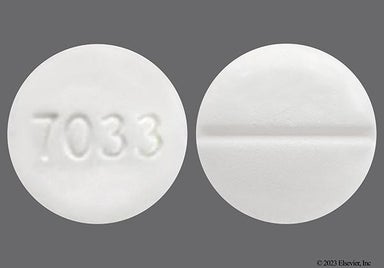
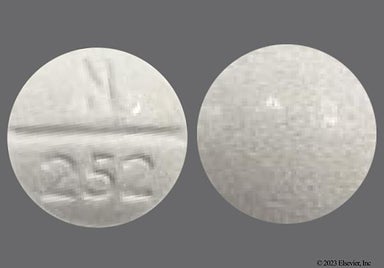
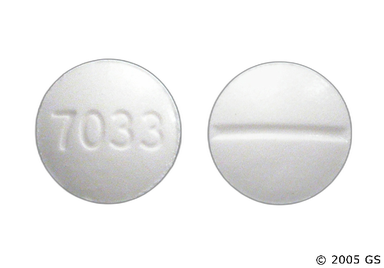
Fludrocortisone images