Key takeaways:
Psoriasis medications range from medicated creams and shampoos to pills, injections, lotions, light therapy, and even over-the-counter (OTC) remedies.
The best medication for you depends on the type of psoriasis you have, the parts of your body it affects, and your preferences.
Finding the right psoriasis medication may take some trial and error. Most people use a combination of different types of medications.
Save on related medications
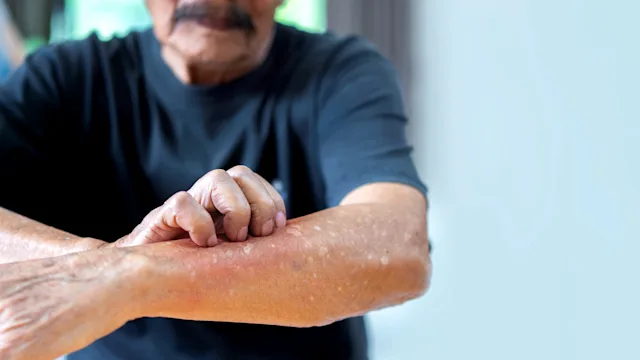
Psoriasis is a chronic autoimmune disease that causes thick, scaly, and itchy patches. These patches can be red, brown, or tan, depending on your skin tone. Psoriasis affects over 8 million people in the U.S. and 125 million people worldwide.
Even though there’s no cure for psoriasis, there are many good treatment options. Treatment can help you feel better by decreasing symptoms, like pain and itching. It can also improve the look of your skin. Which treatment is right for you depends on a few factors, like the type of psoriasis you have, the part of your body it affects, and your personal preferences.
Let’s take a closer look at the best psoriasis treatments and how to choose the right one for you.
Topical psoriasis treatments: Creams, ointments, and shampoos
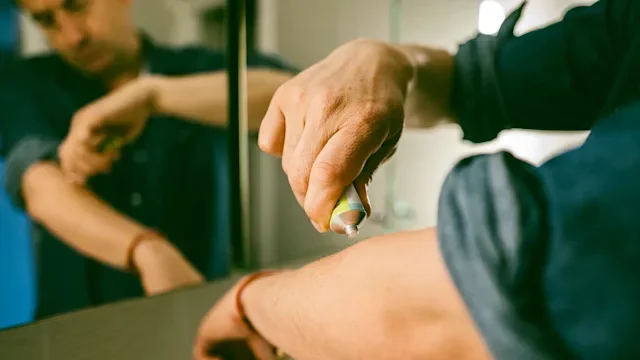
Topical treatments include creams, lotions, or ointments that you apply directly to your skin, and shampoos that you use on your scalp. These treatments are available both over-the-counter (OTC) and by prescription:
For mild psoriasis: One or more topical treatments may be all you need.
For moderate to severe psoriasis: Most people use topical treatments along with other medications (more on these below).
The most common side effects of topical treatments are burning, itching, and skin irritation.
Over-the-counter topical psoriasis treatments
Some topical treatments are available OTC, meaning you don’t need a prescription. You can use these alone or combine them with prescription medications.
Here are some examples of OTC psoriasis treatments and ingredients to look for:
Moisturizers: Moisturizers relieve dry, itchy, red skin and can be helpful for everyone with psoriasis. Cream or ointment-based moisturizers provide the most moisture because they’re thicker than lotions. Examples include Eucerin Advanced Repair Cream and Cetaphil Moisturizing Cream.
Topical steroids: Topical steroids can ease itching and inflammation. Hydrocortisone 1% (like Cortizone-10) is a low-dose OTC option, ideal for mild psoriasis on small or sensitive areas, like your face. Don’t use it for more than 2 weeks at a time.
Salicylic acid: Salicylic acid can soften and remove the scales of thick psoriasis plaques. Examples of products that contain salicylic acid include MG217 Medicated Moisturizing Cream and CeraVe Psoriasis Moisturizing Cream.
Coal tar products: Products containing coal tar can relieve itch and slow the rapid growth of skin cells. Some options include MG217 2% Coal Tar Multi-Symptom Ointment and DHS Tar Shampoo.
Zinc pyrithione: This ingredient helps lower skin inflammation and can also fight skin infections. One option is DHS Zinc Shampoo. It’s usually used for dandruff but can also help scalp psoriasis.
Anti-itch products: Anti-itch products containing calamine, camphor, or menthol can help relieve itching. One example is Sarna Calm + Cool Anti-Itch Lotion.
Prescription topical treatments
If you need stronger treatment, prescription topical psoriasis medications may be used. These may include:
Prescription topical corticosteroids: These work to reduce inflammation, redness, and itching. Prescription topicals come in higher strengths than OTC hydrocortisone. They also come in different types (creams, ointments, and shampoos). Examples include triamcinolone (Trianex) and clobetasol (Clobex).
Vitamin D analogues: These medications are chemically similar to vitamin D. They slow skin growth to help control psoriasis and can be used with steroids. Examples of vitamin D analogues include calcitriol (Vectical) and calcipotriene (Dovonex).
Calcineurin inhibitors: These lower the activity of the immune system. They’re a good alternative to steroids, especially for sensitive areas like your face. Examples of topical calcineurin inhibitors include tacrolimus (Protopic) and pimecrolimus (Elidel). Both of these medications are considered “off-label” treatments for psoriasis.
Keratolytics: These slow skin growth and break down thick plaques. An example includes prescription-strength salicylic acid (Salex).
Retinoids: Topical retinoids can slow the rate of skin growth and lessen inflammation. One topical retinoid called tazarotene (Tazorac) is approved to treat psoriasis.
Medications for moderate and severe psoriasis
Moderate and severe cases of psoriasis often need treatment with prescription medications. These may be treatments that you take by mouth (pills) and/or anti-inflammatory injections (biologics). You’ll also need these treatments if you have psoriasis-related joint disease, known as psoriatic arthritis. Medications that work throughout your body, like pills and injections, are often combined with topical treatments.
Figuring out whether an oral medication or biologic is right for you will depend on:
Your personal preferences
Your insurance coverage
What psoriasis treatments you’ve tried in the past
Your overall health
Oral treatments for psoriasis
Most oral medications for psoriasis have been around for many years. These psoriasis pills can be good starter treatments for moderate to severe psoriasis. They’re generally affordable and, for some people, may be easier to take than biologic injections.
Here are some common oral medications for psoriasis:
Methotrexate (Rheumatrex)
Cyclosporine (Sandimmune)
Apremilast (Otezla)
Tofacitinib (Xeljanz) — FDA-approved for psoriatic arthritis but considered an off-label treatment for psoriasis
Acitretin (Soriatane)
With the exception of acitretin, all of the above medications can also treat psoriatic arthritis.
Icotrokinra (Icotyde) is a new FDA-approved oral treatment for plaque psoriasis. It is an interleukin-antagonist medication that works by targeting the immune system to lower skin inflammation in psoriasis. Icotyde is unique because it is the first medication in its class that is taken as a pill rather than as an injection.
Side effects of oral psoriasis medications
Side effects of oral psoriasis treatments vary depending on the medication. Some common side effects include:
Nausea
Diarrhea
Abnormal cholesterol levels
Worsening kidney or liver function
Biologics and biosimilars
Biologics are medications that target your immune system. They’re used to treat more moderate to severe psoriasis and psoriatic arthritis.
Biosimilars are medications that are very similar to a biologic medication, but are usually available at a lower cost. Like biologics, biosimilars can treat moderate to severe psoriasis and psoriatic arthritis.
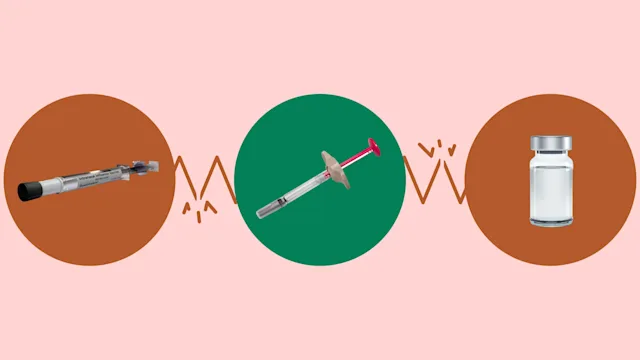
Most biologics and biosimilars come as an injection or an intravenous (IV) infusion. Research shows that many biologics are more effective than oral treatments for moderate to severe psoriasis.
Here are some biologics used to treat psoriasis:
Infliximab (Remicade)
Adalimumab (Humira)
Brodalumab (Siliq)
Ustekinumab (Stelara)
Tildrakizumab (Ilumya)
Biosimilars are available for Remicade, Humira, and Stelara.
Side effects of biologics and biosimilars
Taking biologics and biosimilar medications can increase your risk of some infections. Before starting treatment, a healthcare professional may test for tuberculosis and viral hepatitis.
These medications can also affect your liver and kidneys. If you have other health conditions affecting these organs, you may not be able to take them. Once you start these medications, your care team will monitor you for side effects. This can include regular blood work.
Phototherapy psoriasis treatment
Phototherapy, or light therapy, involves exposing your skin to certain wavelengths of ultraviolet (UV) light to treat psoriasis. UV light works by slowing the growth of skin cells and reducing skin inflammation and itching.
Phototherapy treatments are usually done in a dermatology office. However, phototherapy at home is an option if your insurance covers it. A typical starting schedule is 3 times a week for a minimum of 2 to 3 months. Once you see improvements, you can reduce how often you get it.
Phototherapy can be used alone to treat psoriasis or in combination with medications.
Types of phototherapy treatments
There are a few different types of phototherapy, which differ by:
Wavelength
Safety
Availability
Some types of phototherapy are better for certain types of psoriasis or specific parts of your body. This includes:
Narrowband ultraviolet B (UVB): This uses a specific wavelength to treat plaque psoriasis. It’s safer and more effective than broadband UVB and psoralens plus ultraviolet A (PUVA), so it’s generally preferred.
Broadband UVB: This is similar to narrowband phototherapy, but it uses a broader wavelength range. This is an older type of phototherapy and isn’t used as often.
Psoralen plus UVA (PUVA): This is a combination of UVA light and psoralen, a medication that makes skin more sensitive to light. Psoralen can be taken as a pill, applied as a cream, or mixed in bathwater. Then, your skin is exposed to the UVA light. PUVA is useful for treating plaque psoriasis, guttate psoriasis, and psoriasis on your palms and soles.
Excimer laser, or targeted therapy: This newer form of phototherapy uses a specific wavelength on a small area of skin. It’s usually only an option if you have a few small patches of psoriasis, like on your hands or feet. It’s also the only light therapy option for scalp psoriasis because the narrow beam can more easily penetrate through hair.
Potential risks and side effects
Phototherapy uses UV light. So, it may increase your risk of developing skin cancer and photodamage (like wrinkles and brown spots) over the long term.
Short-term side effects of phototherapy include:
Redness
Itching
Burning
Blistering
Swelling of the skin
Choosing the best psoriasis treatment
If you have psoriasis, healthcare professionals will help you decide on the best treatment for you. Most primary care providers can treat mild psoriasis. For more severe cases, you’ll need to see a dermatologist (a skin specialist).
Psoriasis is different for everyone, and it’s likely that your treatment needs will change over time.
With that in mind, a typical approach to treating psoriasis may look something like this:
Mild psoriasis: If you have mild psoriasis on a small area of your body, first try topical treatments or targeted phototherapy. If those don’t work, the next step is an oral medication and then a biologic.
Moderate to severe psoriasis: If you have moderate to severe psoriasis on a larger area of your body, pills or injections are a better first treatment. This is also true if your psoriasis is in a sensitive area (like your palms or soles).
Psoriasis with psoriatic arthritis (PsA): If you have both conditions, pills or injectable psoriasis medications may be the best option.
Finding the right treatment isn’t always easy. It’s hard to predict how you’ll respond to treatment. And sometimes you might need to try a few medications before finding one that works. And you may need more than one medication.
This process of trial and error can be frustrating. But it pays to be patient in your approach. For most people, this means starting with the basics. Then, you can work your way through treatment options until you find the combination that works for you.
Self-care tips for living with psoriasis
Finding out you have psoriasis can be very difficult. In fact, the data show that people with psoriasis more frequently report symptoms of depression. It’s not unusual for the condition to get in the way of daily activities and negatively affect your quality of life.
If you’re struggling with psoriasis, it may help to speak with others who can relate. Consider checking out the National Psoriasis Foundation where you can find information on community resources, support networks, and more.
Lifestyle changes to improve psoriasis
Certain lifestyle strategies can also improve your psoriasis, no matter which psoriasis treatment you use.
The following measures may also help you improve — or even avoid — some common psoriasis-related conditions, like diabetes and heart disease:
Weight loss, if you have a BMI that is considered overweight or obese
Limit or avoid alcohol
Eat a diet that prioritizes whole foods and limits added sugars and ultra-processed foods
Common psoriasis triggers
It’s also helpful to know and avoid your psoriasis triggers. These are behaviors or exposures that make your psoriasis symptoms worse.
Triggers are different for everyone, but some common psoriasis triggers include:
Emotional stress
Cold, dry winter weather
Common illnesses, like a cold or strep throat
Cuts, sunburn, or other types of skin injury
Frequently asked questions
If your flare-up is from a trigger, try to remove or limit the trigger, and use proper skin care to minimize skin irritation and dryness. You may also need to treat your flare with medications, and make sure you practice these good skin care habits:
Moisturize regularly
Limit showers to 5 minutes and baths to 15 minutes
Use warm (not hot) water while bathing or washing your hands
Avoid scratching your skin
If these steps don’t control your psoriasis flare-up, let your healthcare team know. They can help you determine the next best steps to treat your symptoms.
If psoriasis isn’t treated, it could get worse and involve more areas of your skin. If you have psoriatic arthritis, not treating it can lead to permanent joint damage in the affected joints. Not treating psoriasis can also increase your risk of developing other health conditions, including:
No, there’s no cure for psoriasis. Psoriasis is a chronic condition, and symptoms may come and go throughout your lifetime. But medications and lifestyle tips can help keep your skin clear and your psoriasis symptoms manageable.
If your flare-up is from a trigger, try to remove or limit the trigger, and use proper skin care to minimize skin irritation and dryness. You may also need to treat your flare with medications, and make sure you practice these good skin care habits:
Moisturize regularly
Limit showers to 5 minutes and baths to 15 minutes
Use warm (not hot) water while bathing or washing your hands
Avoid scratching your skin
If these steps don’t control your psoriasis flare-up, let your healthcare team know. They can help you determine the next best steps to treat your symptoms.
If psoriasis isn’t treated, it could get worse and involve more areas of your skin. If you have psoriatic arthritis, not treating it can lead to permanent joint damage in the affected joints. Not treating psoriasis can also increase your risk of developing other health conditions, including:
No, there’s no cure for psoriasis. Psoriasis is a chronic condition, and symptoms may come and go throughout your lifetime. But medications and lifestyle tips can help keep your skin clear and your psoriasis symptoms manageable.
The bottom line
Psoriasis can be difficult to live with, and it may take several attempts to find the best psoriasis treatment for you. You have many different options that can work in combination for you. These may include OTC remedies, prescription topical medications, or psoriasis pills. Biologics and light therapy may also work for you. Your healthcare team can work with you to find the best regimen and help keep your skin clear and symptoms under control.

Why trust our experts?



References
American Academy of Dermatology Association. (n.d.). Healthy diet and other lifestyle changes that can improve psoriasis.
American Academy of Dermatology Association. (n.d.). Psoriasis treatment: Coal tar.
American Academy of Dermatology Association. (n.d.). Psoriasis treatment: Phototherapy.
American Academy of Dermatology Association. (n.d.). Skin, hair, and nail care for people who have psoriasis.
Armstrong, A. W., et al. (2020). Comparison of biologics and oral treatments for plaque psoriasis. JAMA Dermatology.
Armstrong, A. W., et al. (2020). Pathophysiology, clinical presentation, and treatment of psoriasis: A review. JAMA.
Helmick, C. G., et al. (2014). Prevalence of psoriasis among adults in the U.S. American Journal of Preventive Medicine.
InformedHealth.org. (2021). Psoriasis: Learn more – Does light therapy (phototherapy) help reduce psoriasis symptoms? Institute for Quality and Efficiency in Healthcare.
Menter, A., et al. (2019). Joint AAD-NPF guidelines of care for the management and treatment of psoriasis with biologics. Journal of the American Academy of Dermatology Association.
Menter, A., et al. (2020). Joint American Academy of Dermatology-National Psoriasis Foundation guidelines of care for the management of psoriasis with systemic nonbiologic therapies. Journal of the American Academy of Dermatology Association.
National Psoriasis Foundation. (n.d.). 8 must-have lotions.
National Psoriasis Foundation. (n.d.). Support & community.
National Psoriasis Foundation. (2022). Psoriasis statistics.
National Psoriasis Foundation. (2025). Biosimilars.
National Psoriasis Foundation. (2025). Guttate psoriasis.
National Psoriasis Foundation. (2025). Phototherapy for psoriasis.
National Psoriasis Foundation. (2025). Related conditions of psoriasis.
Ranaweera, A. (2013). Home phototherapy. DermNet.
Thatiparthi, A., et al. (2022). Risk of skin cancer with phototherapy in moderate-to-severe psoriasis: An updated systematic review. Journal of Clinical and Aesthetic Dermatology.