


Why Are Certain Medications Dispensed in Their Original Containers?
When you pick up your medications at the pharmacy you may notice that they are typically dispensed in amber colored vials or plastic containers. You may
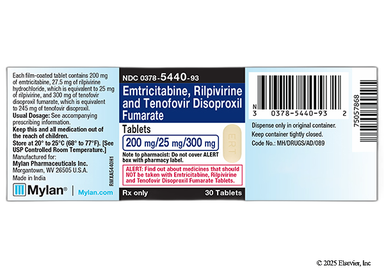
Complera is a single-tablet regimen containing 3 HIV antiretrovirals (ARVs), rilpivirine (Edurant), emtricitabine (Emtriva), and tenofovir disoproxil fumarate (Viread). It's no longer a first-choice treatment option due to newer agents with fewer side effects.

Complera contains an non-nucleoside reverse transcriptase inhibitor (NNRTI) (rilpivirine) and two nucleoside reverse transcriptase inhibitors (NRTIs) (emtricitabine, tenofovir). These 3 medications work together to prevent the virus from making copies of itself in your body.
| Common Brands | Complera |
|---|---|
| Drug Class | HIV ARV Combo |
| Controlled Substance Classification | Not a controlled medication |
| Generic Status | Lower-cost generic available |
| Availability | Prescription only |

The following side effects may get better over time as your body gets used to the medication. Let your healthcare provider know immediately if you continue to experience these symptoms or if they worsen over time.
Side effects that you should report to your care team as soon as possible:
Side effects that usually do not require medical attention (report these to your care team if they continue or are bothersome):




Complera can cause some serious health issues. This risk may be even higher for certain groups. If this worries you, talk to your doctor or pharmacist about other options.
 People who have stopped taking Complera have had severe worsening of their hepatitis B. Don't stop taking Complera unless instructed by your healthcare provider. If you are instructed to stop the medication, or switch to a different antiviral medication, make sure you get your labs drawn regularly. This is how your provider will monitor your liver and HBV.
Although rare, NRTIs including emtricitabine and tenofovir can cause a life-threatening liver problem called lactic acidosis with hepatic steatosis. Some people also have changes in their liver tests after starting Complera, due to rilpivirine. It's more common in people who have some type of liver disease or infection. Complera is not recommended for people who have moderate to severe liver conditions. Your provider will check your liver before you start Complera and will order blood tests to monitor your liver while you are taking the medication. Symptoms of liver problems can include appetite loss, stomach pain, muscle pain, fast and shallow breathing, extreme tiredness, and sudden weakness. Stop taking Complera and go to the emergency room right away if this happens.
Complera has been associated with negative thoughts, depression, and thoughts of suicide. If your mood starts to change while taking Complera, let your provider know. If you start thinking about wanting to harm yourself, seek medical attention right away.
Some people taking Complera have developed kidney problems. Sometimes it happens right after starting the medication. For others the damage is over time. It's recommended to avoid other medications that can also harm the kidney, like high doses of anti-inflammatory drugs called NSAIDs (Motrin/Advil, Aleve, Mobic, Voltaren, etc.). Make sure you get your labs drawn regularly so your provider can check on your kidneys.
Complera can lower your bone mineral density and weaken your bones. This can lead to osteoporosis and raise your risk of fractures. Many people take calcium and vitamin D supplements to help prevent this. Your provider may order additional tests to check your bone density if you have a fracture or other risk factors for bone problems.
HIV attacks your immune system. Over time, if the virus isn't treated your body may become defenseless against bacterial and fungal infection. Your HIV medications are very good at killing the virus, and when the number of viruses goes down, your immune system gets started making more cells. Once your immune system gets better, it will start to fight off any infections you might have, which can lead to a lot of inflammation. Even though it's a good thing that your immune system is getting better, too much inflammation can be bad. Your healthcare provider might check for underlying infections (sometimes called opportunistic infections) before starting Complera especially if it is your first time taking HIV medications. Call your provider if you experience fever, difficulty breathing, or sudden changes to your health after starting Complera.

 Tablet
| Dosage | Quantity | Price as low as | Price per unit |
|---|---|---|---|
| 200mg/25mg/300mg | 30 tablets | $956.64 | $31.89 |


Prescription savings
Stop paying too much for your prescriptions. Compare prices, get pharmacy coupons, and save up to 80%. Find expert answers to your health questions so you can make the best decisions for yourself and your family.
Health conditions
Medications & treatment
Access & affordability
Medication discounts

Complera must be taken with food to make sure the right amount of medication is absorbed by your body. The manufacturer recommends that the medication be taken with at least a light meal, about 400 calories. A protein drink is not a substitute for food.
Yes, Complera is a single-tablet regimen that can be taken alone for the treatment of HIV. For some people who might have a resistant type of HIV, they may have to take other HIV ARVs in addition to Complera. Talk to your provider if you ever have questions about your HIV regimen.
If you stop taking Complera without starting an HIV ARV combo replacement, the HIV virus can start to grow and harm your immune system. If you also happen to have hepatitis B, this virus may also flare up and harm your liver.
If you realize you forgot your dose of Complera, take it as soon as you remember as long as it hasn't been more than 12 hours from your regularly scheduled dose. If more than 12 hours have passed, and it's closer in time to your next dose, skip the missed dose and wait until your regularly scheduled time. Never double up on doses.
Though Complera can be taken during pregnancy, it's not recommended to breastfeed while taking the medication. In general, women with HIV are not recommended to breastfeed since HIV can be passed to the child in breast milk.

