



What Is Vaginal Dryness, and How Can You Treat It?
Vaginal dryness can happen at any age, but it's especially common after menopause. Learn about the causes, symptoms, and treatment options, with GoodRx.
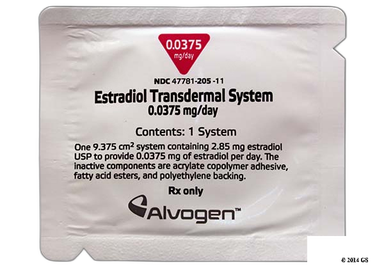
The Climara (estradiol patch) is a once-weekly hormonal patch that relieves menopause symptoms and treats low estrogen levels. It can also help prevent bone loss (osteoporosis) in people who have gone through menopause. The patch is a type of hormone replacement therapy (HRT) and typically has fewer side effects than oral estrogen pills. You'll apply one patch to the skin of your lower stomach or the upper buttocks once a week. Potential side effects of this hormone patch include breast pain, headaches, and stomach pain.

Climara (estradiol patch) is an estrogen replacement. It replaces the natural estrogen your body loses during menopause or if you have low estrogen levels due to certain conditions. Replacing estrogen helps to prevent bone loss and relieves menopause symptoms like hot flashes, night sweats, and vaginal dryness.
| Common Brands | Climara |
|---|---|
| Drug Class | Estrogen replacement |
| Controlled Substance Classification | Not a controlled medication |
| Generic Status | Lower-cost generic available |
| Availability | Prescription only |

The following side effects may get better over time as your body gets used to the medication. Let your healthcare provider know immediately if you continue to experience these symptoms or if they worsen over time.
Contact your healthcare provider immediately if you experience any of the following.
Along with its needed effects, a medicine may cause some unwanted effects. Although not all of these side effects may occur, if they do occur they may need medical attention.
Check with your doctor immediately if any of the following side effects occur:
Incidence not known
Abdominal or stomach cramps or pain
acid or sour stomach
backache
belching
blistering, peeling, or loosening of the skin
blurred vision
breast tenderness, enlargement, pain, or discharge
change in vaginal discharge
changes in skin color
changes in vision
chest pain or discomfort
chills
clay-colored stools
clear or bloody discharge from the nipple
confusion
convulsions
darkening of the urine
difficulty with breathing
difficulty with swallowing
dimpling of the breast skin
dizziness or lightheadedness
double vision
fainting
fast heartbeat
fluid-filled skin blisters
full or bloated feeling or pressure in the stomach
headache
headache, severe and throbbing
indigestion
inverted nipple
irregular heartbeat
itching of the vagina or genital area
joint or muscle pain
large, hive-like swelling on the face, eyelids, lips, tongue, throat, hands, legs, feet, or sex organs
light-colored stools
loss of appetite
loss of bladder control
lump in the breast or under the arm
migraine headache
mood or mental changes
muscle cramps in the hands, arms, feet, legs, or face
muscle spasm or jerking of all extremities
noisy breathing
numbness and tingling around the mouth, fingertips, or feet
pain during sexual intercourse
pain in the ankles or knees
pain or discomfort in the arms, jaw, back, or neck
pain or feeling of pressure in the pelvis
pain, redness, or swelling in the arm, foot, or leg
painful, red lumps under the skin, mostly on the legs
pains in the stomach, side, or abdomen, possibly radiating to the back
persistent crusting or scaling of the nipple
poor insight and judgment
problems with memory or speech
puffiness or swelling of the eyelids or around the eyes, face, lips, or tongue
red, irritated eyes
redness or swelling of the breast
sensitivity to the sun
skin thinness
sore on the skin of the breast that does not heal
sores, ulcers, or white spots in the mouth or on the lips
stomach discomfort, upset, or pain
sudden loss of consciousness
sudden shortness of breath or troubled breathing
sweating
swelling
swelling of the abdominal or stomach area
thick, white vaginal discharge with no odor or with a mild odor
tightness in the chest
trouble recognizing objects
trouble thinking and planning
trouble walking
unexpected or excess milk flow from the breasts
unpleasant breath odor
unusual tiredness or weakness
unusually heavy or unexpected menstrual bleeding
vaginal bleeding or spotting
vomiting
vomiting of blood
yellow eyes or skin
Some side effects may occur that usually do not need medical attention. These side effects may go away during treatment as your body adjusts to the medicine. Also, your health care professional may be able to tell you about ways to prevent or reduce some of these side effects. Check with your health care professional if any of the following side effects continue or are bothersome or if you have any questions about them:
Incidence not known
Decreased interest in sexual intercourse
hives or welts
inability to have or keep an erection
increased hair growth, especially on the face
increased in sexual ability, desire, drive, or performance
increased interest in sexual intercourse
irritability
leg cramps
loss in sexual ability, desire, drive, or performance
loss of scalp hair
mental depression
mood disturbances
patchy brown or dark brown discoloration of the skin
redness of the skin
twitching, uncontrolled movements of the tongue, lips, face, arms, or legs
weight changes
Other side effects not listed may also occur in some patients. If you notice any other effects, check with your healthcare professional.
Call your doctor for medical advice about side effects. You may report side effects to the FDA at 1-800-FDA-1088.



How to apply Climara (estradiol patch):

Climara (estradiol patch) can cause some serious health issues. This risk may be even higher for certain groups. If this worries you, talk to your doctor or pharmacist about other options.
 Climara (estradiol patch) can raise the risk of blood clots. These clots can block the blood flow to other parts of the body, like the leg, lungs, heart, or brain. Some clots can lead to dangerous complications, like heart attack or stroke.
Get emergency help right away if you have any signs of a blood clot.
If you need to have surgery, tell your care team you're taking Climara (estradiol patch). They might have you stop taking it 4 to 6 weeks before surgery to lower your risk of blood clots.
Vaginal bleeding after menopause can be a warning sign of uterine (endometrial) cancer, so let your prescriber know if you notice any unusual bleeding. Using estrogen replacement therapy, like the Climara (estradiol patch), for more than a year can raise your risk of this cancer. If you still have your uterus, taking another hormone called a progestin along with Climara (estradiol patch) can help lower this risk. Progestin works by balancing estrogen's effects and slowing the growth of the uterine lining.
Taking Climara (estradiol patch) with a progestin can raise your risk of breast cancer. The longer you use them, the higher the risk. That's why it's best to use this medication for the shortest time needed. You should have a breast exam every year with a healthcare professional and do monthly self-exams to check for any changes. In addition, check with your prescriber about when to schedule mammograms. Call your prescriber if you notice any abnormal changes or feel lumps, pain, or swelling in your breasts.
Taking Climara (estradiol patch) with a progestin might raise your risk of ovarian cancer. If you're concerned about this risk, talk to your prescriber. Let your prescriber or gynecologist know if you have unusual vaginal bleeding, vaginal discharge, or pelvic pain, as these could be signs of ovarian cancer.
Taking estrogen alone or with progestin might raise the risk of dementia, especially in older adults. Talk to your prescriber if you have concerns about memory problems or dementia while taking this medication.
Climara (estradiol patch) can cause gallbladder problems, and some people have even needed to have their gallbladder removed after starting this medication. If you have stomach pain, nausea or vomiting that won't go away, fever, or yellowing of the skin and eyes (jaundice), tell your prescriber right away or get medical attention.
Since Climara (estradiol patch) is broken down by your liver, you might have more side effects if your liver isn’t working properly. If you have or have had any problems with your liver, including liver issues during pregnancy, you shouldn't use this medication.
Although very rare, some people taking estrogens had vision problems from a blood clot in the eye. Stop taking Climara (estradiol patch) right away and tell your prescriber if you have sudden vision loss, bulging eyes, double vision, or migraines.
Estrogens like Climara (estradiol patch) can raise your blood fat levels (triglycerides), which can lead to heart problems or inflammation of the pancreas. If you experience sudden stomach or back pain, nausea, vomiting, sudden weight loss, or a fast heart rate, contact your prescriber or get medical care right away.
Climara (estradiol patch) can affect thyroid hormone levels in your blood. If your thyroid is healthy, your body can adjust and keep your hormone levels normal. But if you take thyroid medication, you may need a higher dose while using Climara (estradiol patch). Your prescriber will monitor your thyroid levels during treatment to make sure they stay in a healthy range.
Using estrogen products like Climara (estradiol patch) might cause fluid retention, or edema. The risk is higher if you have heart conditions, like congestive heart failure, or kidney damage. If you notice unusual swelling in any part of your body or sudden weight gain, let your prescriber know. If fluid retention becomes a serious problem, your prescriber might stop your treatment with Climara (estradiol patch).
Tell your prescriber about all the medical conditions you have before taking Climara (estradiol patch). This medication can make some health conditions worse. This includes asthma, diabetes, epilepsy, migraine, and lupus, among others. It can also affect people with hypoparathyroidism or hereditary angioedema.

 Carton
| Dosage | Quantity | Price as low as | Price per unit |
|---|---|---|---|
| 4 once-weekly patches of 0.025mg/day | 1 carton | $26.72 | $26.72 |
| 4 once-weekly patches of 0.0375mg/day | 1 carton | $31.85 | $31.85 |
| 4 once-weekly patches of 0.05mg/day | 1 carton | $28.46 | $28.46 |
| 4 once-weekly patches of 0.06mg/day | 1 carton | $31.85 | $31.85 |
| 4 once-weekly patches of 0.075mg/day | 1 carton | $27.92 | $27.92 |
| 4 once-weekly patches of 0.1mg/day | 1 carton | $26.89 | $26.89 |
Apply 1 patch to the skin on your lower stomach or upper buttocks once a week. You'll typically start with the 0.025 mg/day patch, and your prescriber might raise your dose depending on how well it works for you.

Although certain medicines should not be used together at all, in other cases two different medicines may be used together even if an interaction might occur. In these cases, your doctor may want to change the dose, or other precautions may be necessary. When you are taking this medicine, it is especially important that your healthcare professional know if you are taking any of the medicines listed below. The following interactions have been selected on the basis of their potential significance and are not necessarily all-inclusive.
Using this medicine with any of the following medicines is not recommended. Your doctor may decide not to treat you with this medication or change some of the other medicines you take.
Using this medicine with any of the following medicines is usually not recommended, but may be required in some cases. If both medicines are prescribed together, your doctor may change the dose or how often you use one or both of the medicines.
Using this medicine with any of the following medicines may cause an increased risk of certain side effects, but using both drugs may be the best treatment for you. If both medicines are prescribed together, your doctor may change the dose or how often you use one or both of the medicines.


Contraindications are specific health conditions or situations in which a person should not take a medication due to safety concerns. If you have any of the following conditions or if any of the following apply to you, let your healthcare provider know because Climara (estradiol patch) will not be safe for you to take.














Prescription savings
Stop paying too much for your prescriptions. Compare prices, get pharmacy coupons, and save up to 80%. Find expert answers to your health questions so you can make the best decisions for yourself and your family.
Health conditions
Medications & treatment
Access & affordability
 Our monthly healthcare membership can help you save thousands on your prescription costs.
Resources

You should place Climara on a clean, dry area of your lower stomach or upper buttocks, but avoid the waistline so the patch doesn't rub off. Rotate where you apply it each time and wait at least one week before using the same spot again.
The highest dose Climara comes in is 0.1 mg/day.
It's generally not recommended to cut patches like Climara in half, because this can change how the medication is released into your body. Climara comes in different doses, so your prescriber can help you to find the right one that works best for you.
It can. In studies, some people reported weight gain as a side effect when using Climara. One reason is that the medication might cause your body to hold onto extra fluid, which can appear as water weight. Keep in mind that weight gain is also common during menopause. If you've been gaining weight since you started Climara and it concerns you, speak with your prescriber.
Yes. Climara is a bioidentical hormone.Bioidentical hormones are chemically similar to the hormones your body naturally makes.
Climara contains only estrogen, while Climara Pro contains both estrogen and a progestin called levonorgestrel. If you have a healthy uterus, it's recommended to take a progestin along with estrogen to help protect the uterine lining and lower the risk of uterine (endometrial) cancer. Both patches are hormonal replacement therapies that you apply to the skin once a week. Speak with your prescriber to learn more about comparing these different patches.
As soon as you apply the patch, your estrogen levels will start to go up. But it can take time to notice an improvement in your symptoms. Studies show that Climara can start working within 1-2 weeks after you start it. And changes in bone mineral density were seen 6 months after starting the medication. Be sure to attend all of your follow-up appointments so your prescriber can check how well the medication is working for you.
If Climara falls off, try to reapply it. If it won't stick, put on a new patch in a different area on your lower stomach or upper buttocks. Then, keep following your regular schedule for applying patches.
