



Exenatide Coupon - Exenatide 5mcg of  pen

exenatide

Generic Byetta
Used for Diabetes Type 2, Management with Incretin-based Therapies

Exenatide is an injectable medication used to lower blood sugar in people with type 2 diabetes. It should be used along with an appropriate diet and exercise plan. This medication comes in short-acting (Byetta) and long-acting (Bydureon BCise) versions.

Reviewed by:Last reviewed on October 19, 2022
basics-icon

What is Exenatide?

What is Exenatide used for?

  • Type 2 diabetes, in combination with diet and exercise (adults) - Byetta only
  • Type 2 diabetes, in combination with diet and exercise (adults and children age 10 years and older) - Bydureon BCise only

How Exenatide works

Exenatide is a glucagon-like peptide-1 (GLP-1) receptor agonist. It acts like GLP-1, a hormone that tells your body to release insulin after you eat. Also like GLP-1, exenatide blocks your liver from releasing sugar into your blood. These actions help control and maintain blood sugar levels in people with type 2 diabetes.

Drug facts

Common BrandsByetta, Bydureon BCise
Drug ClassGLP-1 agonist
Controlled Substance ClassificationNot a controlled medication
Generic StatusLower-cost generic available
AvailabilityPrescription only
side-effects-icon

Side effects of Exenatide

The following side effects may get better over time as your body gets used to the medication. Let your healthcare provider know immediately if you continue to experience these symptoms or if they worsen over time.

Common Side Effects

  • Nausea (Up to 44%)
  • Vomiting (Up to 18%)
  • Diarrhea (Up to 18%)
  • Headache (Up to 14%)
  • Injection-site lump (11%)
  • Constipation (Up to 10%)

Note: These side effects were reported by people taking either exenatide alone or with other diabetes medications. The side effects you experience might differ depending on what other diabetes medications you're taking.

Less Common Side Effects

  • Indigestion
  • Weakness
  • Dizziness
  • Feeling jittery
  • Excessive sweating
  • Low blood sugar
  • Tiredness
  • Injection-site reactions
  • Smaller appetite

Exenatide serious side effects

Contact your healthcare provider immediately if you experience any of the following.

  • Severe allergic reaction: rash, hives, trouble breathing, swelling of the face or throat
  • Thyroid cancer: lump in the throat, pain in the neck, jaw, or ear, hoarseness, trouble swallowing or breathing
  • Inflammation of the pancreas (pancreatitis): pain, swelling, or tenderness in the stomach, fever, nausea, vomiting, fast heartbeat
  • Low blood sugar: headache, drowsiness, weakness, hunger, fast heart beat, dizziness, confusion, anxiety, sweating, blurred vision, slurred speech
  • Serious kidney injury: nausea, vomiting, diarrhea, changes in urinary frequency, swelling in legs or ankles, tiredness, shortness of breath
  • Serious bleeding problems: unusual bleeding, bleeding when you brush your teeth, easy bruising, pinpoint red spots on the skin

Source: DailyMed

The following Exenatide side effects have also been reported

Along with its needed effects, a medicine may cause some unwanted effects. Although not all of these side effects may occur, if they do occur they may need medical attention.

Check with your doctor immediately if any of the following side effects occur:

Incidence not known

Agitation

bleeding, blistering, burning, coldness, discoloration of the skin, feeling of pressure, hives, infection, inflammation, itching, lumps, numbness, pain, rash, redness, scarring, soreness, stinging, swelling, tenderness, tingling, ulceration, or warmth at the injection site

bloated or feeling of fullness

chills

confusion

constipation

cough

dark urine

decreased awareness or responsiveness

decreased urination or urine output

depression

difficulty with swallowing

dizziness

dry mouth

fainting

fast heartbeat

fever

headache

hives or welts, itching, or skin rash

hostility

increase in heart rate

indigestion

irritability

large, hive-like swelling on the face, eyelids, lips, tongue, throat, hands, legs, feet, or genitals

lightheadedness

loss of appetite

loss of consciousness

muscle twitching

nausea

pains in the stomach, side, or abdomen, possibly radiating to the back

puffiness or swelling of the eyelids or around the eyes, face, lips, or tongue

rapid breathing

rapid weight gain

seizures

severe sleepiness

sunken eyes

swelling of the face, ankles, or hands

thirst

tightness in the chest

unusual bleeding or bruising

unusual drowsiness, dullness, tiredness, weakness, or feeling of sluggishness

vomiting

wrinkled skin

yellow eyes or skin

Get emergency help immediately if any of the following symptoms of overdose occur:

Symptoms of overdose

Anxiety

blurred vision

cold sweats

cool, pale skin

increased hunger

nervousness

nightmares

severe vomiting

shakiness

slurred speech

Some side effects may occur that usually do not need medical attention. These side effects may go away during treatment as your body adjusts to the medicine. Also, your health care professional may be able to tell you about ways to prevent or reduce some of these side effects. Check with your health care professional if any of the following side effects continue or are bothersome or if you have any questions about them:

More common

Belching

diarrhea

feeling jittery

heartburn

stomach discomfort or upset

Less common

Decreased appetite

increased sweating

lack or loss of strength

Incidence not known

Change in taste

excess air or gas in the stomach or bowels

loss of taste

passing gas

pressure in the stomach

rash with flat lesions or small raised lesions on the skin

redness of the skin

sleepiness or unusual drowsiness

swelling of the stomach area

Other side effects not listed may also occur in some patients. If you notice any other effects, check with your healthcare professional.

Call your doctor for medical advice about side effects. You may report side effects to the FDA at 1-800-FDA-1088.

prices-container

Get your GoodRx coupon

Avg retail price
$891.99(Save 57.41%)
GoodRx discount
$379.94
See prices
pros-and-cons-icon

Pros and cons of Exenatide

Pros

  • Can lower your A1c (average blood sugar over time)
  • Not as likely to cause very low blood sugar as other diabetes medications
  • Might help some people with weight loss
  • Bydureon BCise (once-weekly injections) can be taken any time of day, with or without food

Cons

  • Slows stomach emptying, which can affect how other medications are absorbed
  • Short-acting version (Byetta) must be used within 60 minutes before meals
  • Not safe for people with severe kidney problems
  • Brand-name only, so it can be expensive
pharmacist-tips-icon

Pharmacist tips for Exenatide

pharmacist
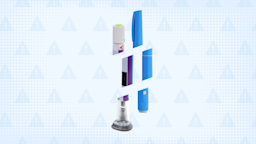
  • Exenatide comes as either a short-acting or long-acting medication, both of which have different dosing schedules and devices for injection. Make sure you know how to use the medication you're taking. The "Instructions for Use" that comes with your medication will provide detailed directions on how to use it. And if you have any questions, speak to your provider or pharmacist.
  • If you're prescribed both insulin and exenatide, don't mix them together in the same injection. You can give an injection of exenatide and insulin in the same body area (e.g., your stomach), but avoid injecting them right next to each other.
  • Your risk for getting low blood sugar is higher if you take exenatide with another medication that can cause low blood sugar, such as insulin. Your provider might need to adjust the dose of your other diabetes medications when you start taking exenatide.
  • Talk to your healthcare provider if you use too much exenatide, because this can cause a dangerous drop in your blood sugar. This can also raise your chance of experiencing side effects like severe nausea and vomiting.
  • Sometimes our immune systems can develop antibodies to fight exenatide. If enough antibodies develop, the medication won't work as well. Talk to your provider if you notice changes in your blood sugar that can't be explained by diet or exercise.

Byetta (short-acting exenatide)

  • Unopened Byetta should be stored in the refrigerator. After first use, you can keep it at room temperature. Throw it away if it's been 30 days after you've used it, even if some medication remains in the pen.
  • There should be at least 6 hours between your 2 daily injections of Byetta. Don't use it after a meal. If you miss a dose, just pick back up with your next dose at your normal time.

Bydureon BCise (long-acting exenatide)

  • You can store Bydureon BCise in the refrigerator, or keep it at room temperature for no more than 4 weeks.
  • If you miss a dose of Bydureon BCise, give the injection as soon as you remember, as long as the next scheduled dose is due at least 3 days later. Then you can continue your usual weekly dosing schedule. If you miss a dose and the next scheduled dose is due 1 or 2 days later, just skip the dose you missed and continue with your next regularly scheduled injection.
faq-icon

Common questions about Exenatide

No, exenatide isn't insulin. Though both are injected under the skin, they are different medications. Exenatide triggers your body to release its own insulin. On the other hand, insulin medications (e.g. Lantus (insulin glargine), Humalog (insulin lispro)) contain insulin from an outside source, so it's not made in the body. But both medications are used to manage diabetes.

Both have the same active ingredient, exenatide, and are injectable medications used to control blood sugar in people with type 2 diabetes. While Byetta is the short-acting version, Bydureon BCise is the same long-acting version of the medication. Byetta lasts a shorter amount of time, so that's why it's given twice daily. And since Bydureon BCise lasts longer, it's given as a once-weekly injection. Another difference is that Bydureon BCise can be given to people with type 2 diabetes as young as 10 years old, but Byetta is only approved for use in adults.

Exenatide isn't FDA approved for weight loss, but some people might lose a little weight while taking it. People in clinical studies using Byetta were found to have lost 6 to 7 pounds over about 6 months. And those who used Bydureon BCise in a clinical trial, lost around 3 pounds over about 7 months. But you shouldn't take this medication just for weight loss. Talk to your provider if you have questions about weight loss and this medication.

Exenatide should be injected under the skin. The recommended areas for injection include the stomach (not the belly button), thigh, or back of the upper arm. You can use the same area of your body for your injections, but you should rotate your injection site with each dose to avoid side effects like lumps under your skin.

Yes, exenatide can be used with many different diabetes medications, including metformin (Glucophage). If you're currently taking metformin for type 2 diabetes, exenatide can be added on to help better manage your blood sugar levels. There are many diabetes medications available, so discuss with your provider to see what combination is right for you.

educational-icon

How to save using GoodRx

Compare Prices
1. Compare PricesSpecify your dosage and quantity to find out exactly how much you can save.
Select your free coupon
2. Select your free couponYou can use the displayed coupon, or compare prices at other pharmacies near you.
Show coupon to your pharmacist
3. Show coupon to your pharmacistPresent your printed or electronic coupon when you pick up your prescription.
Get free couponLearn more
warnings-icon

Risks and warnings for Exenatide

Exenatide can cause some serious health issues. This risk may be even higher for certain groups. If this worries you, talk to your doctor or pharmacist about other options.

Thyroid cancer - Bydureon BCise only

  • Risk factors: Personal or family history of thyroid cancer

Black Box Warning Using exenatide, specifically the long-acting version (Bydureon BCise), might put you at higher risk for certain thyroid cancers. Let your provider know if you or a family member have ever had thyroid cancer. Call your provider right away if you have a lump in your neck, trouble breathing or swallowing, or hoarseness that won't go away.

Inflammation of the pancreas (pancreatitis)

Exenatide might raise your risk for inflammation of the pancreas (also called pancreatitis), including serious cases that can lead to death. This side effect is rare, but let your provider know right away if you have severe abdominal pain that doesn't go away, especially if it moves to your back, or if you also have vomiting. If you experience pancreatitis while taking exenatide, your provider will probably tell you to stop taking it and will change you to a different medication to treat your diabetes.

Low blood sugar (hypoglycemia)

  • Risk factors: Using insulin | Taking sulfonylurea medications (e.g., glimepiride, glipizide)

Taking exenatide on its own isn't likely to cause low blood sugar, but you could experience this side effect if you're taking it with insulin or sulfonylureas. Some examples of sulfonylureas are glimepiride (Amaryl) and glipizide (Glucotrol). Signs of low blood sugar include headache, drowsiness, weakness, hunger, fast heart beat, dizziness, confusion, anxiety, sweating, blurred vision, and slurred speech. Be sure to check your blood sugar regularly and know how to treat low blood sugar when you recognize the signs (e.g., 15-15 rule). If low blood sugar is a consistent problem, talk to your provider. They might need to adjust the dose of your other diabetes medications while taking exenatide.

Kidney problems

  • Risk factors: Use of diuretics, ACE inhibitors, or NSAIDs | Current or previous kidney problems

Exenatide might affect how well your kidneys work. The risk of kidney problems is higher if you're taking other medications that affect the kidneys like diuretics, ACE inhibitors, or NSAIDs. Let your provider know if you have nausea, vomiting, diarrhea, changes how often you urinate, swelling in legs or ankles, tiredness, or trouble breathing. Typically, people with severe kidney problems shouldn't take exenatide.

Severe allergic reactions

Rarely, exenatide can cause severe allergic reactions, such as rash, blistering, trouble breathing, or swelling of the lips, mouth, tongue, or throat. If you experience any symptoms of an allergic reaction, stop using exenatide and get medical help right away.

Severe bleeding

Sometimes a serious blood problem known as drug-induced thrombocytopenia can occur in people taking exenatide. This happens when you have too few platelets in your blood (a part of the blood that helps with clotting), which can lead to dangerous bleeding. Talk to your provider right away if you notice unusual bleeding, bleeding when you brush your teeth, easy bruising, or pinpoint red spots on your skin. If you experience this problem, you'll probably have to stop taking exenatide.

Injection-site reactions

Since exenatide is injected into the skin, some people can experience reactions at the injection site. Most of the reactions are mild side effects like redness, rash, or itching. But you should contact your provider if you have a nodule (round lump) under the skin, or if you have changes in your skin that could be signs of an infection like warmth, redness, swelling, and pain.

Gallbladder problems

Some people taking exenatide might experience gallbladder problems. This can include gallstones or inflammation of the gallbladder, which can require surgery. Let your provider know if you have stomach pain that doesn’t go away, nausea, vomiting, fever, or yellowing of the skin and eyes while taking exenatide.

dosage-icon

Exenatide dosage

The average cost for 1 pen of 5mcg of of Exenatide is $379.94 with a free GoodRx coupon. This is 57.41% off the average retail price of $891.99.
penPen
DosageQuantityPrice as low asPrice per unit
5mcg of 1 pen$379.94$379.94
10mcg of 1 pen$525.79$525.79

Typical dosage for Exenatide

  • Byetta (short-acting): The typical dose is 5 to 10 mcg injected under the skin twice a day. Inject within 60 minutes before the two main meals of the day, at least 6 hours apart.
  • Bydureon BCise (long-acting): The typical dose is 2 mg injected under the skin once a week at any time of day with or without meals.
interactions-icon

Interactions between Exenatide and other drugs

Exenatide may interact with certain medications or supplements. Always let your doctor and pharmacist know about any other medications or supplements (including prescribed and over-the-counter medications, vitamins, and dietary or herbal supplements) that you are currently taking. The list below does not include all possible drug interactions with Exenatide. Please note that only the generic name of each medication is listed below.

Although certain medicines should not be used together at all, in other cases two different medicines may be used together even if an interaction might occur. In these cases, your doctor may want to change the dose, or other precautions may be necessary. When you are taking this medicine, it is especially important that your healthcare professional know if you are taking any of the medicines listed below. The following interactions have been selected on the basis of their potential significance and are not necessarily all-inclusive.

Using this medicine with any of the following medicines is usually not recommended, but may be required in some cases. If both medicines are prescribed together, your doctor may change the dose or how often you use one or both of the medicines.

Using this medicine with any of the following medicines may cause an increased risk of certain side effects, but using both drugs may be the best treatment for you. If both medicines are prescribed together, your doctor may change the dose or how often you use one or both of the medicines.

cost-icon

How much does Exenatide cost?

To access savings, use a GoodRx coupon and pay just a fraction of the retail price.
contraindications-icon

Exenatide contraindications

Contraindications are specific health conditions or situations in which a person should not take a medication due to safety concerns. If you have any of the following conditions or if any of the following apply to you, let your healthcare provider know because Exenatide will not be safe for you to take.

  • Personal or family history of certain types of thyroid cancer
  • History of drug-induced immune-mediated thrombocytopenia from exenatide
alternatives-icon

What are alternatives to Exenatide?

There are a number of medications that your doctor can prescribe in place of Exenatide. Compare a few possible alternatives below.
Exenatide
Used for:
  • Type 2 diabetes, in combination with diet and exercise (adults) - Byetta only
  • Type 2 diabetes, in combination with diet and exercise (adults and children age 10 years and older) - Bydureon BCise only
$379.94Lowest GoodRx priceView prices
Used for:
  • Type 2 diabetes in people age 10 and older, together with a balanced diet and exercise
  • Lowering the risk of serious heart-related problems in adults with Type 2 diabetes and heart disease
$161.98Lowest GoodRx priceView prices
Used for:
  • Manage Type 2 diabetes in people 10 years and older, along with diet and exercise
  • Lower the risk of heart problems like heart attack, stroke, or death in adults with Type 2 diabetes who have heart disease or heart-related risk factors
$962.12Lowest GoodRx priceView prices
latest-news-icon

News about Exenatide

Can’t get Mounjaro? Here are several Mounjaro alternatives to choose from for both weight loss and Type 2 diabetes.
Can’t Fill Your Mounjaro Prescription? Consider These 9 Mounjaro Alternatives
Can’t get Mounjaro? Here are several Mounjaro alternatives to choose from for both weight loss and Type 2 diabetes.
GLP-1 agonist drugs treat diabetes by balancing blood glucose levels. Here’s our list of GLP-1 agonists, how they work, similarities and differences, and more.
Ozempic, Trulicity, and More: 11 GLP-1 Drugs and How to Navigate Your Options
GLP-1 agonist drugs treat diabetes by balancing blood glucose levels. Here’s our list of GLP-1 agonists, how they work, similarities and differences, and more.
With or without insurance coverage, there are ways to save on GLP-1 drugs like Ozempic and Wegovy. Learn more about ways to save on GLP-1 drugs with this guide.
A GoodRx Savings Guide to GLP-1 Receptor Agonists: Ozempic, Wegovy, Trulicity, and More
With or without insurance coverage, there are ways to save on GLP-1 drugs like Ozempic and Wegovy. Learn more about ways to save on GLP-1 drugs with this guide.
GLP-1 medications have a range of side effects. Read on to learn about GLP-1 side effects, including common, rare, and long-term side effects, and how to manage them.
GLP-1 Side Effects: What to Expect with Ozempic, Zepbound, and More
GLP-1 medications have a range of side effects. Read on to learn about GLP-1 side effects, including common, rare, and long-term side effects, and how to manage them.
Supplements to consider with Ozempic and other GLP-1 medications include vitamins A, D, and E. Learn more about other supplements to consider with these medications.
7 Supplements to Take With Ozempic, Wegovy, and Other GLP-1-Related Medications
Supplements to consider with Ozempic and other GLP-1 medications include vitamins A, D, and E. Learn more about other supplements to consider with these medications.
Many diabetes drugs cause weight changes. But which drugs cause weight loss, and which cause weight gain? Here’s how metformin, Ozempic, and other meds affect your weight.
Which Diabetes Medications Can Cause Weight Loss or Gain?
Many diabetes drugs cause weight changes. But which drugs cause weight loss, and which cause weight gain? Here’s how metformin, Ozempic, and other meds affect your weight.
Byetta is a drug that's used to treat Type 2 diabetes in adults. Explore 5 pharmacist-approved tips for taking Byetta and learn how to save on your prescription.
How to Take Byetta: 5 Pharmacist-Backed Tips and Pointers
Byetta is a drug that's used to treat Type 2 diabetes in adults. Explore 5 pharmacist-approved tips for taking Byetta and learn how to save on your prescription.
What are active and inactive ingredients? Where do these ingredients come from? Learn what’s in medications and how they’re made.
What’s in Your Medicine? A Guide to Ingredients
What are active and inactive ingredients? Where do these ingredients come from? Learn what’s in medications and how they’re made.
Byetta is a medication to treat Type 2 diabetes. Byetta can interact with other medications and increase the chance of side effects, such as hypoglycemia.
5 Byetta Interactions You Should Know About
Byetta is a medication to treat Type 2 diabetes. Byetta can interact with other medications and increase the chance of side effects, such as hypoglycemia.
Antibiotics, antiepileptics, antiretrovirals, and St. John’s wort are the most likely medications to interact with hormonal birth control. If you are about to start taking one of these medications, you may need to talk to your provider about alternative contraceptives. Learn more, with GoodRx.
How Do Antibiotics and Other Medications Interfere With Birth Control?
Antibiotics, antiepileptics, antiretrovirals, and St. John’s wort are the most likely medications to interact with hormonal birth control. If you are about to start taking one of these medications, you may need to talk to your provider about alternative contraceptives. Learn more, with GoodRx.
images-icon

Exenatide images

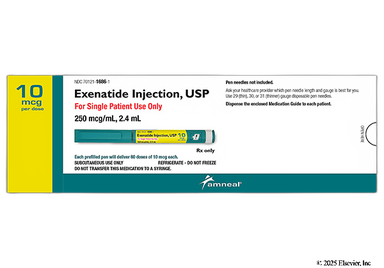
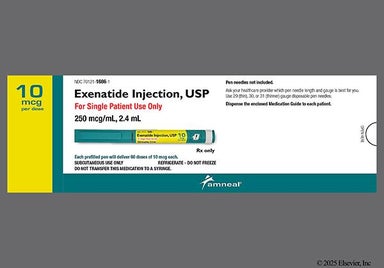
colorless - Exenatide 5mcg Prefilled Pen Solution for Injection
This medicine is Colorless Pen.colorless - Exenatide 5mcg Prefilled Pen Solution for Injection

Get savings updates for Exenatide

Receive price alerts, news, and other messages from GoodRx about Exenatide and other healthcare topics and relevant savings offers.

By providing your email, you consent to receive marketing communications from GoodRx, which may include content and/or data related to men's health, women's health, reproductive care, or sexual health. You agree to the GoodRx Terms of Use and acknowledge the Privacy Policy. You can unsubscribe at any time.