


Can You Take Gabapentin for Bipolar Disorder?
Experts agree that gabapentin doesn’t work for bipolar disorder. Learn more about gabapentin and bipolar as well as what conditions it’s FDA approved to treat.
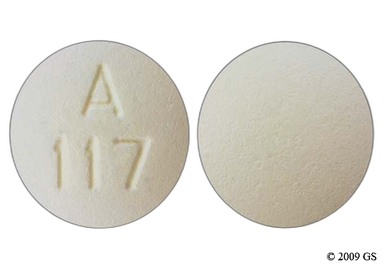
Bupropion extended-release (SR), brand name Zyban, is an atypical antidepressant. It's taken by adults for smoking cessation (quitting smoking) only. It works by easing symptoms of nicotine withdrawal and lowering your cravings for nicotine. Bupropion (Zyban) isn't interchangeable with other forms of bupropion that are prescribed for mental health conditions. It comes as 150-mg tablets that are taken by mouth, typically twice per day. Side effects include trouble sleeping, dry mouth, and dizziness. This medication is only available as a generic; brand name Zyban has been discontinued.

Bupropion (Zyban) is an atypical antidepressant. This form of the medication is specifically used to help you quit smoking.
The exact way bupropion (Zyban) works in smoking cessation isn't well-understood. But it's thought to raise the levels of certain chemicals in the brain to ease symptoms of nicotine withdrawal. It also blocks nicotine receptors in the brain, which can curb cravings for cigarettes.
| Common Brands | Zyban |
|---|---|
| Drug Class | Atypical antidepressant |
| Controlled Substance Classification | Not a controlled medication |
| Generic Status | Lower-cost generic available |
| Availability | Prescription only |

The following side effects may get better over time as your body gets used to the medication. Let your healthcare provider know immediately if you continue to experience these symptoms or if they worsen over time.
Contact your healthcare provider immediately if you experience any of the following.
Side effects that you should report to your care team as soon as possible:
Side effects that usually do not require medical attention (report these to your care team if they continue or are bothersome):




Bupropion (Zyban) can cause some serious health issues. This risk may be even higher for certain groups. If this worries you, talk to your doctor or pharmacist about other options.
 Bupropion (Zyban), like other antidepressants, can raise the risk of thoughts of suicide or harming yourself. The risk is higher for younger adults. Get medical help right away if you or anyone around you notices that you have signs of worsening depression or changes in mood. Call 911 if you have suicidal thoughts or behaviors.
Bupropion (Zyban) can also cause other mental health changes, like hallucinations, getting lost from reality (psychosis), paranoia, and delusions. These changes can occur in people with or without a history of mood problems. It's not clear whether they are caused by bupropion (Zyban) or whether some might be symptoms of nicotine withdrawal. It's important that you, your caregiver, and the people around you watch for depressed mood, feelings of uneasiness, and any changes of behavior, thoughts, or feelings while you're taking bupropion (Zyban). Stop taking the medication right away and talk to your prescriber if you have any concerning changes to your mental health.
Before you start bupropion (Zyban), your prescriber will check whether you have or are at risk for bipolar disorder. Bupropion (Zyban) isn't approved to treat bipolar depression. Taking antidepressants can sometimes cause a manic episode to happen. The risk is higher for those with or at risk for bipolar disorder. Talk to your care team right away if you or your loved ones notice symptoms of a bipolar manic episode, such as racing thoughts, restlessness, getting easily distracted, or unusual talkativeness.
Bupropion (Zyban) can raise your risk of having a seizure. Be sure to take the medication exactly as prescribed. Stop taking bupropion (Zyban) and tell your prescriber right away if you think you've had a seizure during treatment.
Don't take bupropion (Zyban) if you have a history of seizures or medical conditions that raise your risk for seizures, like head injury, stroke, or eating disorder. Also don't take bupropion (Zyban) if you've recently stopped drinking alcohol regularly or recently stopped taking benzodiazepines, barbiturates, or seizure medications.
Bupropion (Zyban) can cause high blood pressure, especially in people who have or are at risk for high blood pressure. Your prescriber will check your blood pressure before you start this medication and also during your follow-up visits. They r might recommend that you check your blood pressure at home often. Tell your healthcare team if your blood pressure rises more than usual or if you feel dizzy or lightheaded.
Bupropion (Zyban) can cause or worsen angle-closure glaucoma in some people. Tell your prescriber about your full medical history before you start this medication to make sure it's safe for you to take. Visit your optometrist or ophthalmologist right away if you have sudden symptoms of angle-closure glaucoma like severe headache, eye pain, nausea, and seeing halos around lights.
Severe allergic reactions to bupropion (Zyban) are possible, including life-threatening reactions like facial swelling and anaphylaxis (e.g., closing of the throat). Bupropion (Zyban) can also cause rare but serious skin reactions, like Stevens-Johnson syndrome.
Stop taking bupropion (Zyban) and get medical attention right away. if you notice unusual changes in your skin, like rash, painful blisters, skin reddening, or skin peeling, that can happen with or without sore throat, fever, and fatigue. Call 911 if you experience swelling in your face or if you have trouble breathing.

 Tablet
| Dosage | Quantity | Price as low as | Price per unit |
|---|---|---|---|
| 150mg | 60 tablets | $29.09 | $0.48 |


Contraindications are specific health conditions or situations in which a person should not take a medication due to safety concerns. If you have any of the following conditions or if any of the following apply to you, let your healthcare provider know because Bupropion (Zyban) will not be safe for you to take.






Prescription savings
Stop paying too much for your prescriptions. Compare prices, get pharmacy coupons, and save up to 80%.Resources
About GoodRx
 Find expert answers to your health questions so you can make the best decisions for yourself and your family.
Health conditions
Medications & treatment
Access & affordability
Well-being
Medication discounts

The FDA didn't specify why brand name Zyban was discontinued. But it did state that the reason isn't related to concerns for safety or how well it works. The generic form of Zyban, bupropion extended-release (SR), is still available in the market.
No, Zyban and Wellbutrin aren't interchangeable. They both contain the same active ingredient, bupropion. But Zyban is FDA-approved as an aid to help you quit smoking, while Wellbutrin is approved to treat depression. Brand-name Zyban has been discontinued, but it's available as generics. Wellbutrin is available as both brand name and generic medications. Talk with your healthcare team if you have more questions about Zyban and Wellbutrin.
No, Zyban is only FDA-approved as an aid to help you quit smoking. Bupropion comes in other formulations that are approved for depression. If you have or think you might have depression, talk with your healthcare team. They can talk with next-steps and your treatment options.
A study showed about 20% of people who took Zyban were able to quit smoking and continue to not smoke after receiving treatment for a year, compared to 10% of people who took placebo. If you're thinking about quitting smoking, talk with your healthcare team. They can talk with you about what to expect with Zyban treatment, as well as about a holistic plan that involves medications, behavioral therapy, and ways to avoid triggers.
No, Zyban is only available by a prescription from a healthcare professional. If you're looking for smoking cessation treatment that's available over the counter, there are some nicotine replacement products available, such as nicotine gum (Nicorette) and nicotine patches (Nicoderm CQ).
No, it's best to avoid alcohol while taking Zyban. Drinking alcohol can raise your risk for Zyban side effects, such as depression and seizures. Also, taking Zyban can make you more sensitive to the effects of alcohol and put you at higher risk for alcohol poisoning.
People who took Zyban in clinical studies for smoking cessation didn't report weight gain as a side effect. But in general, people who try to quit smoking can experience some weight gain. This is because stopping nicotine can cause changes in the body, such as making you feel more hungry or slowing down your metabolism. If your concerned about possible weight gain, talk with your healthcare team. They can work with you to lower your risk of weight gain, such as planning healthy and well-balanced meals and an exercise routine that's appropriate for you.
Most people don't feel sleepiness or tiredness from taking Zyban. But this medication commonly causes insomnia (trouble sleeping) as a side effect. If you have trouble sleeping at night, you're more likely to feel tired the next day. Contact your prescriber if Zyban is affecting your sleep.
