



Lotrel, Hyzaar, and More: 12 Combination Blood Pressure Medications (Plus Ways to Save)
Combination blood pressure medications, such as Lotrel and Ziac, can help you simplify your routine by reducing the number of pills you take every day.
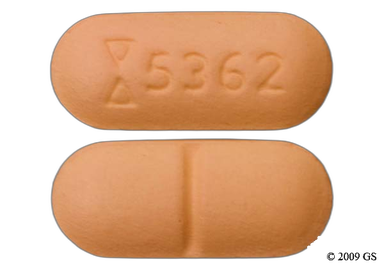
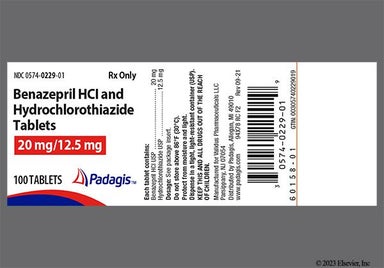
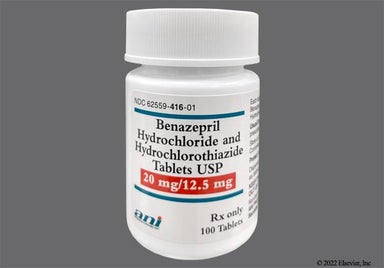
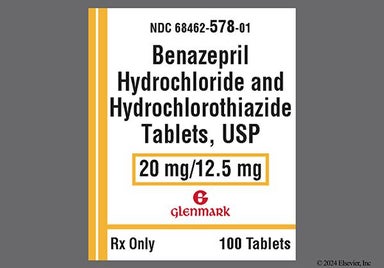
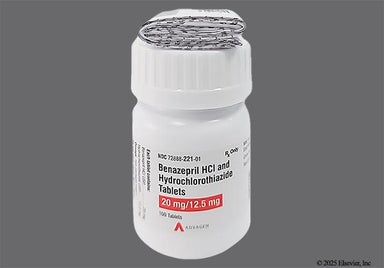
Lotensin HCT is a combination blood pressure medication for adults. It contains benazepril (an angiotensin-converting enzyme (ACE) inhibitor) and hydrochlorothiazide (a thiazide diuretic). It's available as a brand name and lower-cost generic tablet that's taken by mouth once per day. The dosage will generally depend on how high your blood pressure is and if you're taking, or have recently taken, other blood pressure medications. Some common side effects of Lotensin HCT (benazepril / hydrochlorothiazide) include dizziness, tiredness, and headache.

Lotensin HCT is a combination of two medications that work together to lower blood pressure:
| Common Brands | Lotensin HCT |
|---|---|
| Drug Class | ACE inhibitor / Diuretic (water pill) combo |
| Controlled Substance Classification | Not a controlled medication |
| Generic Status | Lower-cost generic available |
| Availability | Prescription only |

The following side effects may get better over time as your body gets used to the medication. Let your healthcare provider know immediately if you continue to experience these symptoms or if they worsen over time.
Contact your healthcare provider immediately if you experience any of the following.
Along with its needed effects, a medicine may cause some unwanted effects. Although not all of these side effects may occur, if they do occur they may need medical attention.
Check with your doctor immediately if any of the following side effects occur:
Less common
Blurred vision
confusion
decreased urination
dizziness, faintness, or lightheadedness when getting up suddenly from a lying or sitting position
fast, slow, or irregular heartbeat
muscle cramps or pain
numbness, tingling, pain, or weakness in the hands or feet
rapid breathing
seizures
sunken eyes
sweating
thirst
trembling
unusual tiredness or weakness
weakness and heaviness of the legs
wrinkled skin
Rare
Black, tarry stools
burning, crawling, itching, numbness, prickling, "pins and needles" , or tingling feelings
chills
cough or hoarseness
darkened urine
dizziness or lightheadedness
feeling of constant movement of self or surroundings
headache
indigestion
loss of appetite
lower back or side pain
painful or difficult urination
pains in the stomach or side, possibly radiating to the back
persistent non-healing sore
pink growth
reddish patch or irritated area
sensation of spinning
shiny bump
sores, ulcers, or white spots on the lips or in the mouth
swollen glands
trouble breathing
unusual bleeding or bruising
vomiting
white, yellow or waxy scar-like area
yellow eyes or skin
Some side effects may occur that usually do not need medical attention. These side effects may go away during treatment as your body adjusts to the medicine. Also, your health care professional may be able to tell you about ways to prevent or reduce some of these side effects. Check with your health care professional if any of the following side effects continue or are bothersome or if you have any questions about them:
Less common
decreased interest in sexual intercourse
excessive muscle tone
feeling of constant movement of self or surroundings
inability to have or keep an erection
loss in sexual ability, desire, drive, or performance
muscle stiffness
muscle tension or tightness
sensation of spinning
sleepiness or unusual drowsiness
Rare
Blistering, peeling, loosening of the skin
hives or welts, itching, skin rash
increased sensitivity of skin to sunlight
joint or muscle pain
pinpoint red or purple spots on the skin
redness of the skin
redness or other discoloration of the skin
red irritated eyes
red skin lesions, often with a purple center
severe sunburn
Other side effects not listed may also occur in some patients. If you notice any other effects, check with your healthcare professional.
Call your doctor for medical advice about side effects. You may report side effects to the FDA at 1-800-FDA-1088.




Lotensin HCT (benazepril / hydrochlorothiazide) can cause some serious health issues. This risk may be even higher for certain groups. If this worries you, talk to your doctor or pharmacist about other options.
 Benazepril in Lotensin HCT can cause severe and sometimes life-threatening harm to unborn babies, so it shouldn't be taken during pregnancy. If you find out that you're pregnant while taking Lotensin HCT (benazepril / hydrochlorothiazide), stop and let your prescriber know right away. If you're pregnant before starting Lotensin HCT (benazepril / hydrochlorothiazide) or thinking of becoming pregnant during treatment, discuss with your healthcare professional (HCP) about safer options to treat your blood pressure.
People who take medications that contain an ACE inhibitor, like benazepril in Lotensin HCT, can experience a rare, but serious side effect called angioedema. This involves swelling in different parts of the body, including the face, throat, and tongue. Swelling of the tongue or throat area can be potentially life-threatening, since it can make it difficult to breathe. Angioedema can happen at any time during treatment. This risk is higher in Black people than in non-Black people. Get medical attention immediately if you experience swelling in any of the areas mentioned above, stomach pain, or difficulty breathing. You'll have to stop taking Lotensin HCT (benazepril / hydrochlorothiazide) if this happens.
Sometimes, taking Lotensin HCT (benazepril / hydrochlorothiazide) can cause your blood pressure to drop too much. This can cause you to feel dizzy, tired, or lightheaded. This side effect is more common when you first start Lotensin HCT (benazepril / hydrochlorothiazide) or when the dose is raised. Make sure to stay well-hydrated. If your blood pressure drops too much and you feel dizzy, make sure to sit down slowly while holding onto something and let your care team know. If you fall and hit your head, get medical help right away. If you feel dizzy, lightheaded, faint, tired, or confused while taking Lotensin HCT (benazepril / hydrochlorothiazide), contact your prescriber.
Sometimes, Lotensin HCT (benazepril / hydrochlorothiazide) can affect your kidneys and cause them to not work as well. The risk is higher for people who have certain types of kidney problems, such as renal artery stenosis or very severe heart failure. Your prescriber might order lab tests every so often to make sure your kidneys are healthy and working properly. If you develop kidney problems, or if your kidney problems worsen while taking Lotensin HCT (benazepril / hydrochlorothiazide), your prescriber might recommend that you stop taking this medication. Let your prescriber know if you're urinating less often than usual, as this could be a sign that your kidneys aren't working as well.
Rarely, people who took ACE inhibitors like benazepril in Lotensin HCT (benazepril / hydrochlorothiazide) have developed a blocked bile duct. This condition can lead to liver problems or liver failure. Your prescriber might order blood tests to check your liver health from time to time. If you notice symptoms of liver problems, such as tiredness, stomach pain, or yellowing of your skin, let your care team know right away.
Lotensin HCT (benazepril / hydrochlorothiazide) can affect the level of certain electrolytes in your body, including sodium, potassium, and magnesium. Your prescriber might order blood work regularly while you're taking this medication to make sure your electrolyte levels are in a safe range. Let your care team know if you experience a fast heart beat, weakness, low energy, muscle pain or cramps, less urination than usual, nausea, or vomiting. These can be signs of electrolyte changes in your body.
In addition, Lotensin HCT (benazepril / hydrochlorothiazide) might affect your blood sugar levels and cholesterol levels. Your prescriber might also check your blood sugar and cholesterol levels regularly while you're taking this medication.
Though rare, some people experience vision changes within hours or weeks after starting Lotensin HCT (benazepril / hydrochlorothiazide) because of the hydrochlorothiazide part of the medication. Tell your prescriber right away about any vision changes or eye pain and stop taking Lotensin HCT (benazepril / hydrochlorothiazide) as soon as possible. In some cases, surgery might be required to avoid permanent vision loss.
In some rare cases, Lotensin HCT (benazepril / hydrochlorothiazide) can cause worsening of or new lupus. Let your prescriber know if you notice a rash across your cheeks and nose or feel very tired.

 Tablet
| Dosage | Quantity | Price as low as | Price per unit |
|---|---|---|---|
| 10mg/12.5mg | 90 tablets | $37.87 | $0.42 |
| 20mg/12.5mg | 90 tablets | $33.27 | $0.37 |
| 5mg/6.25mg | 90 tablets | $54.48 | $0.61 |
| 20mg/25mg | 90 tablets | $23.25 | $0.26 |
Your prescriber will pick a starting dose based on things like how high your blood pressure is, which other blood pressure medications you're currently taking or have recently taken, and your risk for side effects.

Although certain medicines should not be used together at all, in other cases two different medicines may be used together even if an interaction might occur. In these cases, your doctor may want to change the dose, or other precautions may be necessary. When you are taking this medicine, it is especially important that your healthcare professional know if you are taking any of the medicines listed below. The following interactions have been selected on the basis of their potential significance and are not necessarily all-inclusive.
Using this medicine with any of the following medicines is not recommended. Your doctor may decide not to treat you with this medication or change some of the other medicines you take.
Using this medicine with any of the following medicines is usually not recommended, but may be required in some cases. If both medicines are prescribed together, your doctor may change the dose or how often you use one or both of the medicines.
Using this medicine with any of the following medicines may cause an increased risk of certain side effects, but using both drugs may be the best treatment for you. If both medicines are prescribed together, your doctor may change the dose or how often you use one or both of the medicines.


Contraindications are specific health conditions or situations in which a person should not take a medication due to safety concerns. If you have any of the following conditions or if any of the following apply to you, let your healthcare provider know because Lotensin HCT (benazepril / hydrochlorothiazide) will not be safe for you to take.


Prescription savings
Stop paying too much for your prescriptions. Compare prices, get pharmacy coupons, and save up to 80%. Find expert answers to your health questions so you can make the best decisions for yourself and your family.
Health conditions
Medications & treatment
Access & affordability
Medication discounts

No, Lotensin HCT doesn't contain a beta blocker. Instead, it's a combination of benazepril (an ACE inhibitor) and hydrochlorothiazide (a thiazide diuretic). While beta blockers, ACE inhibitors, and diuretics all work to lower blood pressure, they do so in different ways. Depending on how severe your high blood pressure is, or if you have other heart conditions, your prescriber might have you take a beta blocker with Lotensin HCT. Ask your healthcare team if you've more questions on the different types of blood pressure medications.
It takes about 2 days for benazepril and hydrochlorothiazide to leave your body after a dose of Lotensin HCT. This time frame is estimated based on the half-life of these medications. It can take longer for the medication to leave the body in people with kidney problems because Lotensin HCT is removed by the kidneys. Talk with your healthcare team if you have any specific concerns related to how long this medication stays in your body.
Hair loss was reported by up to 1% of people who took Lotensin HCT in clinical studies. But it's unclear whether the hair loss was caused by Lotensin HCT or other factors. If you notice hair loss while you're taking Lotensin HCT, contact a healthcare professional so they can help you figure out what might be the cause.
Unlike some other blood pressure medications, Lotensin HCT isn't known to lower heart rate. If you notice your heart rate dropping after starting Lotensin HCT, let your healthcare team know. They can run some tests to see what might be the cause of the low heart rate. And if your heart rate drops dangerously low (below 40 beats per minute), get medical help right away.
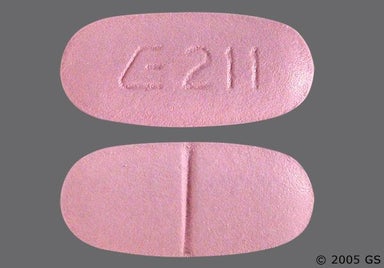
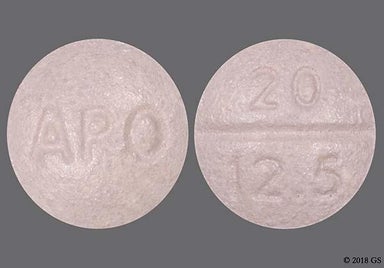
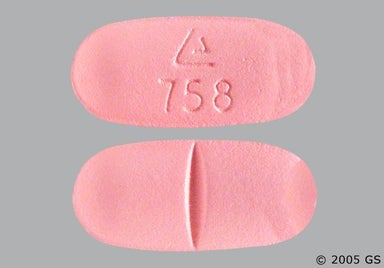
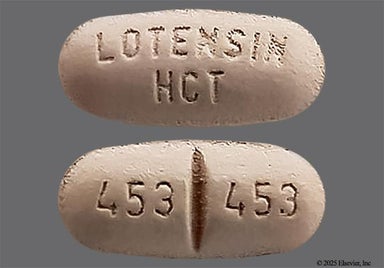
Yes, Lotensin HCT tablets can be cut in half because they have a score-line down the middle of the tablet. The score-line is to help you split the pills in half evenly. If you'd rather not cut Lotensin HCT tablets, talk to your prescriber about switching you to a different blood pressure medication.
No, Lotensin HCT isn't a controlled substance because it doesn't have a risk of addiction or dependence.
No, benazepril and HCTZ (also known as hydrochlorothiazide) are two different medications. While they're both first-choice options for treating high blood pressure, they work differently from each other. Benazepril is an angiotensin-converting enzyme (ACE) inhibitor that opens up your blood vessels and hydrochlorothiazide is a thiazide diuretic that helps your body release extra fluid. Your healthcare team might recommend Lotensin HCT if you need to take both medications because it combines the two into a single pill for convenience.
