



A Healthy Back to School: 7 Pharmacist Tips to Make the New School Year a Success
As we enter a new school year, it’s important to follow good health practices. Enjoy a healthy back-to-school season with these tips from a licensed pharmacist.
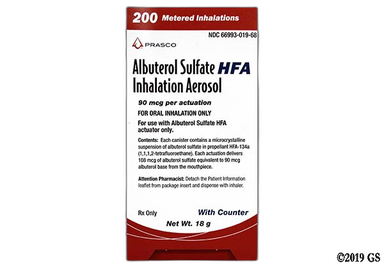
Albuterol tablet is a short-acting beta-agonist (SABA). Though rarely prescribed today, it's a bronchodilator used to relieve bronchospasm in adults and children 6 years of age and older who have certain breathing conditions, such as asthma. Oral albuterol comes as an immediate-release tablet and syrup. Oral albuterol extended-release tablet (brand name VoSpire ER) has been discontinued. Unlike inhaled albuterol, such as albuterol (Ventolin), albuterol tablet is taken by mouth typically three or four times per day. Possible side effects of oral albuterol tablet include nervousness, excitement, and changes in blood pressure.

Albuterol tablet is a short-acting beta-agonist (SABA). It helps you breathe better by relaxing the muscles around your airways that tighten up when you have breathing problems.
| Common Brands | VoSpire ER |
|---|---|
| Drug Class | SABA |
| Controlled Substance Classification | Not a controlled medication |
| Generic Status | Lower-cost generic available |
| Availability | Prescription only |

The following side effects may get better over time as your body gets used to the medication. Let your healthcare provider know immediately if you continue to experience these symptoms or if they worsen over time.
Ages 6 years and older:
Ages 2 to under 6 years:
Contact your healthcare provider immediately if you experience any of the following.
Along with its needed effects, a medicine may cause some unwanted effects. Although not all of these side effects may occur, if they do occur they may need medical attention.
Check with your doctor immediately if any of the following side effects occur:
More common
Shakiness in the legs, arms, hands, or feet
trembling or shaking of the hands or feet
Less common
Fast, irregular, pounding, or racing heartbeat or pulse
Rare
difficulty breathing
difficulty with swallowing
hives or welts
hoarseness
large, hive-like swelling on the face, eyelids, lips, tongue, throat, hands, legs, feet, or sex organs
noisy breathing
redness of the skin
shortness of breath
skin rash
slow or irregular breathing
swelling of the mouth or throat
tightness in the chest
Incidence not known
Agitation
arm, back, or jaw pain
blurred vision
chest pain or discomfort
confusion
convulsions
extra heartbeats
fainting
hallucinations
headache
irritability
lightheadedness
mood or mental changes
muscle pain or cramps
muscle spasm or jerking of all extremities
nervousness
nightmares
pounding in the ears
restlessness
sudden loss of consciousness
sweating
total body jerking
unusual feeling of excitement
vomiting
Some side effects may occur that usually do not need medical attention. These side effects may go away during treatment as your body adjusts to the medicine. Also, your health care professional may be able to tell you about ways to prevent or reduce some of these side effects. Check with your health care professional if any of the following side effects continue or are bothersome or if you have any questions about them:
Less common
Dizziness
feeling of warmth
irritability
redness of the face, neck, arms, and occasionally, upper chest
trouble with holding or releasing urine
trouble sleeping
unable to sleep
Rare
Sleepiness
unusual drowsiness
Incidence not known
Bad, unusual, or unpleasant (after) taste
change in taste
feeling of constant movement of self or surroundings
gagging
rough, scratchy sound to voice
sensation of spinning
tightness in the throat
Other side effects not listed may also occur in some patients. If you notice any other effects, check with your healthcare professional.
Call your doctor for medical advice about side effects. You may report side effects to the FDA at 1-800-FDA-1088.



More tips for albuterol syrup:

Albuterol tablet can cause some serious health issues. This risk may be even higher for certain groups. If this worries you, talk to your doctor or pharmacist about other options.
Albuterol tablet can cause changes in your blood pressure, heart rate, and heart rhythm. But this is unlikely if you're taking albuterol tablet at the recommended doses. Your prescriber might ask you to regularly check your blood pressure and heart rate at home if you have high blood pressure or other heart problems. Don't use albuterol tablet more often than prescribed. Tell your prescriber if you have dizziness, fatigue, tremor, rapid heartbeat, or weakness after you use albuterol tablet.
Although rare, albuterol tablet used to relieve bronchospasm might trigger a muscle spasm in your lungs. This can lead to difficulty breathing, wheezing, cough, and chest discomfort. Get medical help right away if you become short of breath after you use albuterol tablet. If you experience bronchospasm, your prescriber will ask you to stop this medication and consider other options.
For some people, asthma can worsen over a period of hours or days. Let your healthcare team know if you feel like you need to take more doses of albuterol tablet than usual. Your prescriber can examine your lungs to see whether your treatment plan needs any changes to better control your breathing symptoms.
Allergic reactions to albuterol tablet are possible. These reactions can include life-threatening facial swelling, shock, and anaphylaxis (closing of the throat). Get medical attention right away if you notice hives, rash, red skin, swelling of the lips or tongue, or difficulty breathing after you take albuterol tablet.


Although certain medicines should not be used together at all, in other cases two different medicines may be used together even if an interaction might occur. In these cases, your doctor may want to change the dose, or other precautions may be necessary. When you are taking this medicine, it is especially important that your healthcare professional know if you are taking any of the medicines listed below. The following interactions have been selected on the basis of their potential significance and are not necessarily all-inclusive.
Using this medicine with any of the following medicines is usually not recommended, but may be required in some cases. If both medicines are prescribed together, your doctor may change the dose or how often you use one or both of the medicines.
Using this medicine with any of the following medicines may cause an increased risk of certain side effects, but using both drugs may be the best treatment for you. If both medicines are prescribed together, your doctor may change the dose or how often you use one or both of the medicines.












Prescription savings
Stop paying too much for your prescriptions. Compare prices, get pharmacy coupons, and save up to 80%. Find expert answers to your health questions so you can make the best decisions for yourself and your family.
Health conditions
Medications & treatment
Access & affordability
Medication discounts

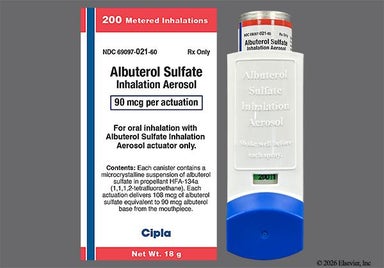
Oral albuterol comes as a tablet and a syrup that's taken by mouth to relief bronchospasm. The inhaled form of albuterol comes as an inhaler and a nebulized solution that are inhaled through the mouth and into the lungs treatment or prevention of bronchospasm. While both are FDA-approved to be quick-relief medications, oral albuterol isn't a recommended option for bronchospasm because it doesn't work as well and tends to cause more side effects compared to inhaled albuterol. Talk with your healthcare team if you have more questions about how oral and inhaled albuterol differ.
No, Albuterol ER isn't a steroid; it's a short-acting beta-agonist (SABA). Steroids and SABAs work differently to help you breathe easier. Steroids lessen inflammation and swelling in the lungs over time, whereas SABAs are bronchodilators, meaning they relax the muscles in your lungs to open up the airways. Depending on your condition, your prescriber might prescribe an inhaled steroid for you to use along with Albuterol ER.
Albuterol ER and syrup are taken by mouth, typically three or four times per day for symptomatic relief of bronchospasm. If you notice your symptoms getting worse or that you need to take the medication more often than usual, talk with your healthcare team and they can discuss with you about next steps. Don't take a higher dose of Albuterol ER than what's recommended because doing so can lead to serious side effects, such as chest pain, tremors, and a pounding heart.
It can take about a day for most of Albuterol ER to leave your body after a dose. This time-frame is estimated based on the half-life of the medication, and might differ from person to person. Keep in mind the effects of Albuterol ER are expected to last about 8 hours after a single dose.
Yes, Albuterol ER can raise blood pressure and heart rate, but these side effects are rare. This medication isn't likely to cause changes to your blood pressure or heart rate if you take it at the recommended dose. To be safe, it's always best to let your care team know if you have medical conditions like high blood pressure or heart rate problems (e.g., atrial fibrillation or AFib) before you start Albuterol ER.
Yes, it's possible for Albuterol ER to keep you awake. In clinical studies, many people reported nervousness and excitement as side effects, which can make it hard for you to fall asleep. If Albuterol ER is affecting your sleep, talk to your prescriber. They might adjust your dose, give you specific instructions on when to take your dose based on the time you sleep, or switch you to a different medication.
Yes, Albuterol ER can be prescribed to treat bronchospasm that's related to bronchitis. Albuterol ER is approved to treat bronchospasm from reversible obstructive airways disease, which includes bronchitis. But Albuterol ER isn't a first-choice option because it can take 30 minutes before you notice improvements in breathing. Your healthcare professional (HCP) will likely have you try inhaled albuterol (e.g., albuterol (ProAir, Ventolin, Proventil)) first because it work quicker (within a few minutes) and tends to cause less side effects than Albuterol ER.
While inhaled albuterol is considered safe to use during pregnancy, the safety of oral albuterol isn't completely clear. Some animal studies show babies were harmed when born to mothers exposed to oral albuterol during pregnancy. Let your prescriber know right away if you're pregnant or thinking of becoming pregnant. Albuterol ER should only be used during pregnancy if the benefits are greater than the risks.
