



Is There a Humalog Generic? 6 Facts to Know about Admelog and Insulin Lispro
Admelog and unbranded Humalog, called insulin lispro, are both Humalog alternatives. See how they compare and ways to save here.
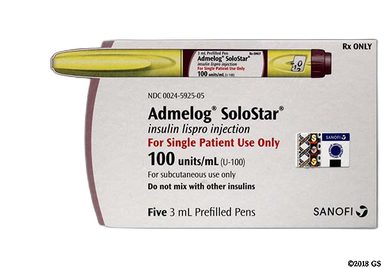
Admelog (insulin lispro) is a fast-acting insulin that's used at mealtimes. It helps control blood sugar levels from food in adults and children with Type 1 diabetes or Type 2 diabetes. Admelog (insulin lispro) is very similar to Humalog (insulin lispro). It's called a "follow-on" insulin (or "copy") to Humalog. Admelog (insulin lispro) is usually given under the skin as an injection or through an insulin pump. It comes in vials (Admelog) or prefilled pens (Admelog SoloStar). The most common side effect is low blood sugar (hypoglycemia).

Admelog (insulin lispro) is a type of insulin. Insulin is a natural hormone your body makes that helps control blood sugar levels. It helps move sugar from the blood into the body’s cells to be used or stored for energy. It also helps stop your liver from making too much glucose (sugar).
In particular, Admelog (insulin lispro) is a fast-acting insulin. It's used around mealtimes to prevent your blood sugar from getting too high from what you eat. This is helpful for people with diabetes who can't make insulin or whose bodies don't use insulin as they should.
| Common Brands | Admelog, Admelog SoloStar |
|---|---|
| Drug Class | Insulin |
| Controlled Substance Classification | Not a controlled medication |
| Generic Status | No lower-cost generic available |
| Availability | Prescription only |

The following side effects may get better over time as your body gets used to the medication. Let your healthcare provider know immediately if you continue to experience these symptoms or if they worsen over time.
Contact your healthcare provider immediately if you experience any of the following.
Side effects that you should report to your care team as soon as possible:
Side effects that usually do not require medical attention (report to your care team if they continue or are bothersome):



Tips on how to use Admelog (insulin lispro):

Admelog (insulin lispro) can cause some serious health issues. This risk may be even higher for certain groups. If this worries you, talk to your doctor or pharmacist about other options.
Never share Admelog (insulin lispro) pens, even if you change the needle. Also don't share syringes or needles used with Admelog (insulin lispro) vials. Sharing insulin pens and injection supplies can raise the risk of spreading serious infections between people, including yourself.
Changing your insulin or insulin routine can affect how your body responds to insulin and change your blood sugar levels. This can include changing where you inject Admelog (insulin lispro) or switching to a different brand name of insulin lispro. Depending on the change, it can make your blood sugar get too high or too low. Also, injecting insulin often into pitted or thickened skin can cause less insulin to be absorbed. This can make your blood sugar higher.
Don't make changes to your Admelog (insulin lispro) dose or insulin routine without talking to your diabetes care team. If they tell you to make any changes, be sure to check your blood sugar levels more often. This helps you see how the changes affect your blood sugar.
Admelog (insulin lispro) can cause your blood sugar to go too low (hypoglycemia). Very low blood sugar levels can be dangerous and possibly life-threatening.
Be sure to check your blood sugar level regularly to make sure it's within a safe range. If you make any changes to your diet, meal patterns, exercise routine, or other medications, check your blood sugar more often. Also let your care team know so they can adjust your dose of Admelog (insulin lispro).
It's important to know the signs and symptoms of low blood sugar to look for while using Admelog (insulin lispro). You might feel shaky, dizzy, nervous, anxious, very hungry, or confused. You might also become sweaty, have chills, or have an uneven heartbeat.
Keep fast-acting sugars, such as glucose tablets, with you at all times so you can treat hypoglycemia if needed. If your blood sugar levels don't get back up even after you try to treat it, get medical help right away.
Rarely, Admelog (insulin lispro) can cause an allergic reaction. This can include anaphylaxis and be severe or even life-threatening. Get medical help right away if you have trouble breathing; swelling of your face, lips, tongue, or throat; or a rash. These can be signs of a serious allergic reaction.
Admelog (insulin lispro) can lower your potassium levels, which can sometimes be dangerous. Your risk is greater if you also take other medications that lower potassium, like some diuretics (water pills). If needed, your prescriber can check your potassium levels with blood tests.
Be aware of the signs of low potassium. This includes weakness, dizziness, muscle cramps or twitches, constipation, or an uneven heartbeat. If you notice these signs while using Admelog (insulin lispro), call a healthcare professional right away.
Be careful when using Admelog (insulin lispro) with diabetes medications called glitazones, like pioglitazone (Actos). It can cause your body to hold onto extra fluid. This can put stress on your heart and lead to or worsen heart failure.
Before starting Admelog (insulin lispro), tell your prescriber if you have heart failure. Also let them know about all your diabetes medications. Your prescriber can make sure Admelog (insulin lispro) is safe for you.
Call your care team if you notice possible signs of fluid buildup or heart failure. This can include sudden weight gain, swelling, tiredness, or trouble breathing.
If you use an insulin pump with Admelog (insulin lispro), make sure that the pump is working properly and that you know how to use it correctly. If the pump stops working, your blood sugar can get very high. This can also lead to a serious complication of diabetes called ketoacidosis.
Ask your diabetes care team what to do if you can't fix your pump quickly. Your prescriber might recommend using Admelog (insulin lispro) another way in the meantime until your pump gets fixed. This often means injecting the insulin under the skin yourself. Your prescriber could also have another insulin plan for you instead.
Seek medical help right away if you have symptoms of ketoacidosis. This includes weakness, dry mouth, fruity-smelling breath, rapid or deep breathing, or confusion. If not treated in time, it can become a medical emergency.

Your prescriber will work with you to find the dose that works best for you. Your dose depends on the type of diabetes you have, your blood sugar levels, and how you respond to the medication. It will also depend if you're administering Admelog (insulin lispro) as an injection or through a continuous insulin pump.
For injections under the skin: Inject Admelog (insulin lispro) within 15 minutes before a meal or right after a meal. Inject under the skin in the stomach, thigh, upper arm, or buttocks.
For continuous insulin pumps: Use the insulin pump according to your prescriber's instructions. Follow the directions from the insulin pump company to set up and use the pump.
For injections through the vein: Admelog (insulin lispro) can be given as an injection into the vein by a trained healthcare professional. Your care team will choose the dose that's best for your needs.


Contraindications are specific health conditions or situations in which a person should not take a medication due to safety concerns. If you have any of the following conditions or if any of the following apply to you, let your healthcare provider know because Admelog (insulin lispro) will not be safe for you to take.






Prescription savings
Stop paying too much for your prescriptions. Compare prices, get pharmacy coupons, and save up to 80%.Resources
About GoodRx
 Find expert answers to your health questions so you can make the best decisions for yourself and your family.
Health conditions
Medications & treatment
Access & affordability
Well-being
Medication discounts

Admelog is a rapid-acting insulin. It's used around mealtimes to prevent your blood sugar from rising too much from the food you eat.
Admelog starts lowering blood sugar about 15 to 30 minutes after it's injected. Because it works quickly, Admelog is usually used as a mealtime insulin. It's given within 15 minutes before a meal or right after it to control blood sugar spikes from food.
The blood sugar-lowering effects of Admelog can last for up to 5 hours after each injection.
No. Admelog is called a "follow-on" insulin, not a true biosimilar, to Humalog. Both Admelog and Humalog contain insulin lispro as the active ingredient. When Admelog was approved, the FDA used an older approval process for insulin products before "biosimilars" came about for biologics like insulin. That's why Admelog is called a "follow-on" insulin, rather than a biosimilar.
No. Novolog (insulin aspart) and Admelog (insulin lispro) are not interchangeable. This means you can't easily switch between them. You'll need a new prescription from a healthcare professional to change from one to the other. Both are rapid-acting insulins. But they have some differences in the forms they come in and when they're used around mealtimes. Talk to your diabetes care team about whether switching between Novolog and Admelog is right for you.
Not exactly. Admelog and Humalog are very similar, but they're not the exact same. Both contain insulin lispro and they're both rapid-acting insulins used around mealtimes to help control blood sugar. Admelog is called a "follow-on" version of Humalog. It works just as well as Humalog and can be lower in cost. But Admelog is not considered interchangeable with Humalog. This means you'll need a new prescription to switch between them. Talk to your diabetes care team about whether Admelog or Humalog is right for you.
Yes. You can use Admelog vials with certain insulin pumps. With a pump, Admelog is given as a continuous infusion under the skin. Make sure Admelog is compatible with your insulin pump. Your prescriber will help decide if using Admelog with an insulin pump is right for you.
In general, Admelog is good for 28 days after you open the vial or pen when stored as directed. Write down the date 28 days after opening and don't use the insulin after that date, even if some is left. In some situations, such as when using an insulin pump, Admelog will need to be replaced in the pump sooner. Ask your diabetes care team or pharmacist if you're not sure how long your Admelog can be used for after opening.
