Key takeaways:
The BRAT diet stands for bananas, rice, applesauce, and toast. Because this diet is low in nutrients, it’s not meant to be followed long term.
This diet recommends certain bland, starchy foods that may help you eat if you’re dealing with nausea, diarrhea, or an upset stomach.
As soon as you’re able, it’s best to eat a variety of whole foods and get plenty of fluids when you’re sick.
Food may be the last thing on your mind when you’re dealing with nausea, diarrhea, or an upset stomach. You might worry that eating will worsen your symptoms, especially if you eat something too rich or flavorful. At the same time, staying hydrated and getting enough nutrition is important for recovery.
One long-standing approach to eating while dealing with nausea and diarrhea is the BRAT diet. But does it really help?
What is the BRAT diet?
People have used the BRAT diet in their homes for years, even if they didn’t know it by name. The BRAT diet stands for:
Bananas
Rice
Applesauce
Toast
It’s not a weight-loss diet, and it’s not meant to be followed long term. Instead, it’s a self-care method for eating while coping with nausea, diarrhea, and upset stomach.
What are the main foods of the BRAT diet?
As the name suggests, the main foods of the BRAT diet are:
Bananas
Rice
Apples and applesauce
Toast
But these aren’t your only options. The idea is to privilege bland and low-fiber foods that are easy to digest. Other bland foods that may help you cope with stomach discomfort and nausea include:
Saltine crackers
Plain potatoes
Plain pasta
Clear soup and broths
Eggs
Cooked cereals, such as cream of wheat or oatmeal
Tofu
Lean meat, such as chicken breast
Bland vegetables, such as cooked spinach or carrots
Tea
You certainly don’t have to limit yourself to foods on this list. If something sounds appetizing, give it a try. Your body needs nutrition to recover.
And remember to drink plenty of water to stay hydrated. This is especially important if you have diarrhea.
Foods to avoid when you have an upset stomach
As simple as it sounds, when you have diarrhea or an upset stomach, make sure to avoid foods that might worsen your symptoms. Irritating foods and drinks can vary from person to person. So, if you know you have certain triggers, be sure to avoid them.
When you’re dealing with stomach issues like diarrhea, nausea, or bloating, it’s generally a good idea to avoid or limit:
Dairy products: Dairy products like milk, butter, yogurt, and cheese can worsen bloating, gas, and diarrhea. This is true even if you don’t have lactose intolerance.
Fatty or greasy foods: High-fat foods can be harder for your body to digest. Try to avoid fried foods, processed meats, and fatty meats as you recover.
Caffeine: Caffeine can worsen diarrhea because it stimulates intestinal contractions, which can make it easier to pass stool. Keep in mind that caffeine is in a range of products, including coffee, energy drinks, and some teas.
Alcohol: Alcohol can also lead to or worsen diarrhea by irritating your digestive tract and causing inflammation in your gut.
Sugary products: Food and drinks with sugar alcohols and artificial sweeteners can have a laxative effect, especially if you consume a lot of them. Your body pulls in extra water into your colon to process the sugar. And this can worsen diarrhea.
Spicy and acidic foods: Spicy foods can be beneficial for your health. But it’s best to avoid them if you have an upset stomach. Extra spice may worsen symptoms of stomach upset in some people. The same can be true for acidic foods like citrus fruits and tomatoes.
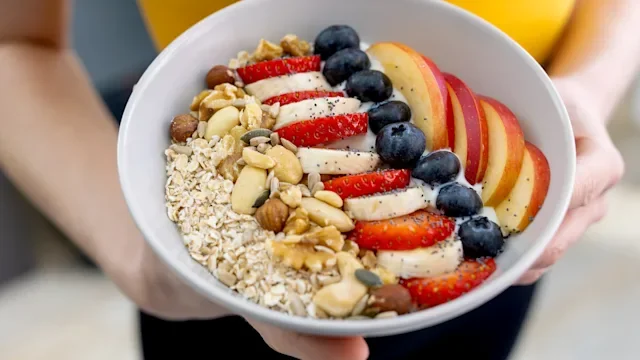
High-fiber foods: Fiber is an important part of a nutritious diet and healthy gut. But if you already have bloating, gas, or diarrhea, getting too much fiber can worsen your symptoms. If you have an upset stomach, consider limiting high-fiber foods like beans, nuts, and cruciferous vegetables, like cabbage and cauliflower. Or opt for cooked instead of raw veggies until your symptoms lessen.

Read more like this
Explore these related articles, suggested for readers like you.



Avoid large meals
Along with avoiding these foods, it’s also a good idea to avoid large meals when you have an upset stomach. Large meals are generally harder for your body to digest, which means they could end up worsening nausea, diarrhea, or stomach pain.
Who is the BRAT diet best for?
There’s no strong evidence to support the BRAT diet as a sound approach to manage vomiting or diarrhea. Most evidence supports eating a balanced diet as soon as you feel ready.
The National Institutes of Health notes that many experts don’t recommend following a restricted diet — such as the BRAT diet — to manage diarrhea. Similarly, the American Academy of Pediatrics says that the BRAT diet isn’t useful to help kids recover from diarrhea. That’s because it lacks essential nutrition to promote bowel recovery.
That said, limiting your diet to bland, easily digestible foods for a couple of days while you regain an appetite is better than not eating anything. This may be the case if you have:
Food-borne illness or food poisoning
Influenza (the flu)
Should you follow the BRAT diet if you’re actively vomiting?
If you’re vomiting, it’s best to sip clear liquids like water or electrolyte drinks instead of eating solid foods. Once you stop vomiting, you can start with small portions of bland foods that sound appetizing to you.
Can you follow the BRAT diet long term?
No, it’s not a good idea to follow a restrictive diet like the BRAT diet regularly or over the long term. The BRAT diet doesn’t offer all of the nutrients you need for long-term health. If you’re experiencing frequent or lasting diarrhea, upset stomach, or nausea, connect with a healthcare professional. They can help you figure out what’s going on and find a treatment plan to get you back on track.
How to start the BRAT diet
If stomach issues are preventing you from following a balanced diet, selecting foods from the BRAT diet might be a helpful way to get some calories without worsening your symptoms. Instead of three large meals a day, aim for six to eight small meals. And chew your food well.
About 1 to 2 days after your symptoms lessen, you should be able to start expanding your food choices beyond the BRAT diet. Try adding in more fruits, vegetables, and lean proteins to get more nutrients. It may help to continue limiting very rich, sugary, or spicy foods at first.
BRAT diet alternatives: What to eat as symptoms improve
A well-balanced diet is important for your digestive and overall health. So your goal should be to get back to eating a complete, nutritious diet as soon as you feel up to it.
Beyond the specific foods you eat or avoid while you recover, here are some tips on how to support your digestion as your symptoms improve and you get back to your usual diet.
Stay hydrated
Drinking plenty of fluids is often the most important part of treating nausea, vomiting, and diarrhea. It’s generally fine to eat less than you normally would if you don’t have much of an appetite. But try to stay as hydrated as possible, especially with electrolyte drinks like Pedialyte. Vomiting and diarrhea cause fluid loss, so they raise the risk of dehydration.
Eat cooked foods
As a general rule, cooked foods are easier to digest than uncooked foods. Plus, cooking lowers the chances that you’ll come into contact with harmful germs like salmonella, E. coli, and listeria. But even if you aren’t feeling sick, it’s a good idea to wash raw vegetables before you eat them.
Eat smaller, frequent meals
Smaller meals are easier to digest. Eating a smaller meal also gives you a chance to see how your body responds to different foods. As you start feeling better, you can ease back into your usual portion sizes.
Chew your food thoroughly
It’s also helpful to chew your food slowly and thoroughly. Chewing is the first step in the digestive process. The better you chew your food, the less work your stomach and intestines have to do to digest.
Frequently asked questions
The BRAT diet recommends limiting high-fat and dairy foods like butter. But if butter on toast sounds appetizing to you, it’s OK to eat it. If you’re feeling nauseated, start with a small portion, eat slowly, and see how you feel.
Yes, crackers fit in with the BRAT diet’s prioritization of bland, easily digestible foods. Saltine crackers are a popular option. They’ll be easier to digest than whole-wheat crackers.
Yes, you can eat oatmeal as part of the BRAT diet. If you have an upset stomach, plain cooked oats without added sugar is your best option. If you have diarrhea, start with a small portion and see how it sits with you.
The BRAT diet recommends limiting high-fat and dairy foods like butter. But if butter on toast sounds appetizing to you, it’s OK to eat it. If you’re feeling nauseated, start with a small portion, eat slowly, and see how you feel.
Yes, crackers fit in with the BRAT diet’s prioritization of bland, easily digestible foods. Saltine crackers are a popular option. They’ll be easier to digest than whole-wheat crackers.
Yes, you can eat oatmeal as part of the BRAT diet. If you have an upset stomach, plain cooked oats without added sugar is your best option. If you have diarrhea, start with a small portion and see how it sits with you.
The bottom line
The BRAT diet is a self-care approach to eating when you have nausea or diarrhea, but it’s not a treatment or cure. If you find it helpful to follow the BRAT diet, you should only use it for a day or two. Otherwise, experts say that you don’t need to restrict your diet to manage nausea and diarrhea. It’s currently not recommended that children follow the BRAT diet. As always, reach out to a healthcare professional if you or your child has been vomiting for more than a day or has had diarrhea for more than 2 days.

Why trust our experts?



References
Healthychildren.org. (2021). Diarrhea in children: What parents need to know.
MedlinePlus. (2024). Bland diet.
MedlinePlus. (2024). When you have nausea and vomiting.
National Institute of Diabetes and Digestive and Kidney Diseases. (2024). Eating, diet, & nutrition for diarrhea.
National Institute of Diabetes and Digestive and Kidney Diseases. (2017). Your digestive system & how it works.
Shane, A. L., et al. (2017). 2017 Infectious Diseases Society of America clinical practice guidelines for the diagnosis and management of infectious diarrhea. Clinical Infectious Diseases.