Key takeaways:
Copper is a mineral your body needs in small amounts to stay healthy. It helps support energy production, healthy nerves, immune function, and red blood cell production.
Some of the best food sources of copper are oysters, beef liver, lobster, mushrooms, and some nuts and seeds.
Most people get enough copper from food alone. But certain health conditions — especially digestive disorders — can make it harder to absorb copper. Taking high doses of zinc supplements can also interfere with copper absorption.
Copper might not get the spotlight as much as some other nutrients, but your body relies on it to keep many important systems running properly. Copper is an essential trace mineral. This means that your body needs small amounts of it but can’t make it on its own. That’s why it’s important to get copper from the foods you eat.
The good news is that plenty of foods contain copper, and you may already be eating them regularly. Below we’ll cover why copper matters and which foods are the best sources.
Why does your body need copper?
Even though you only need small amounts of copper, it plays many important roles in your health. Copper’s benefits include:
Helping your body produce energy from food
Supporting the production of red blood cells that deliver oxygen throughout your body
Keeping your nerves and brain cells working properly
Supporting your immune system so your body can better fight off illness and infection
Acting as an antioxidant to help protect cells from damage and inflammation
Helping make collagen and elastin, proteins that support healthy skin, joints, and blood vessels
Supporting heart health through its role in blood vessel and red blood cell production
11 foods with copper
Copper is found in many different animal- and plant-based foods. Here are some of the best sources to include in your diet.
1. Beef liver
Copper: 14,300 mcg (1,587% daily value, or DV) per 3.5 oz serving
Beef liver has more copper than almost any other food, providing more than 15 times the amount most adults need in an entire day. That might sound alarming, but your body is usually able to regulate how much copper it absorbs from food. This is especially true when you eat these foods only once in a while. High-dose copper supplements are more likely to cause problems because they deliver large amounts of concentrated copper on a regular basis.
Beef liver is also rich in iron, which works with copper to help make red blood cells. Its vitamin A plays a role in vision and immune health, and its vitamin B12 supports energy levels and nervous system function.
If you want the nutrients from beef liver but find the taste too strong on its own, try mixing small amounts into ground beef dishes like meatballs, burgers, or chili.
2. Oysters
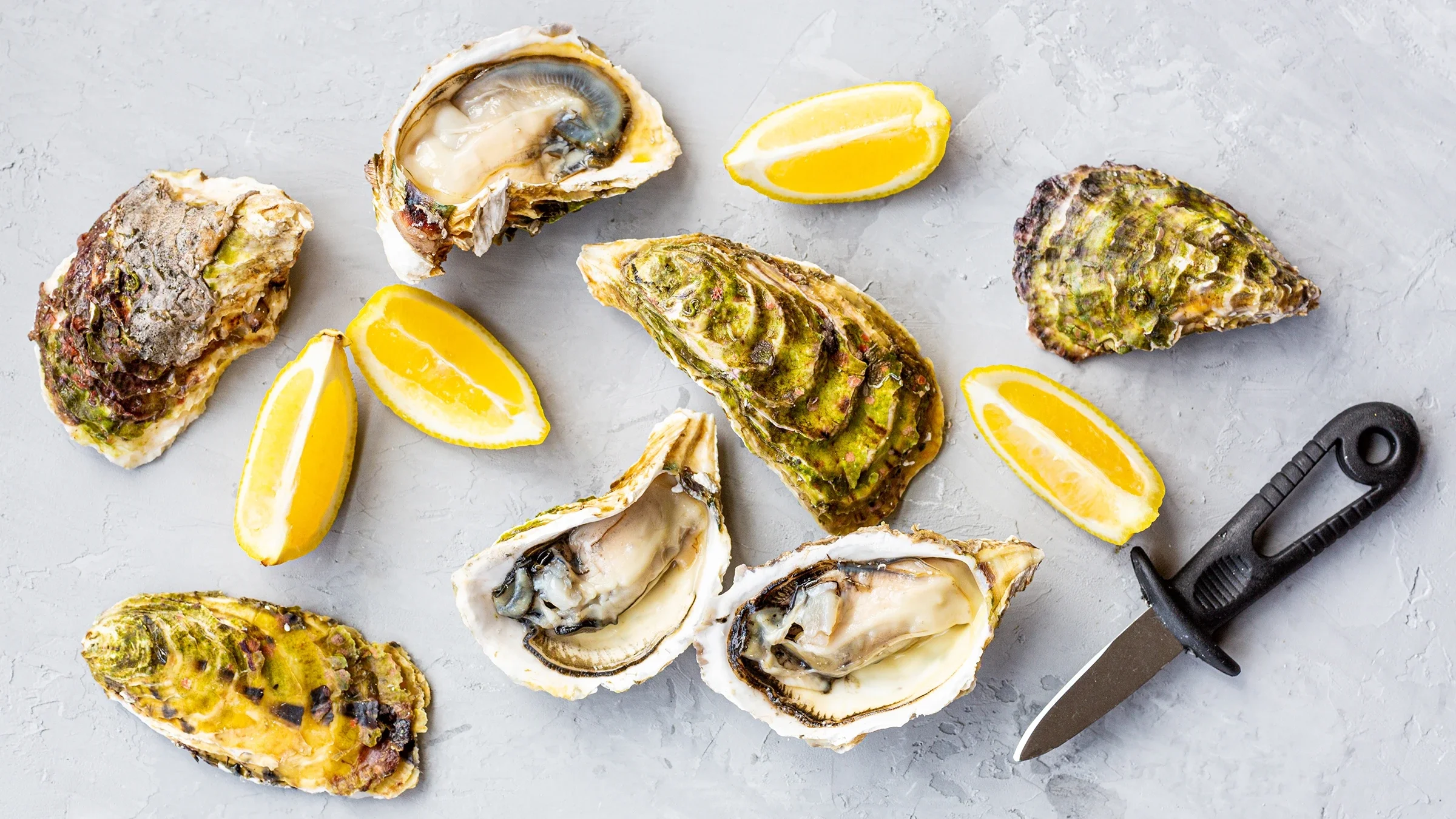
Copper: 4,500 mcg (496% DV) per 3.5 oz serving
Oysters are the richest seafood source of copper, and they’re also packed with other important nutrients. Their zinc supports immune function, and their selenium is vital for thyroid health. And, like beef liver, they’re packed with vitamin B12.
You can serve fresh oysters raw, grilled, or roasted. Canned oysters are another easy option to go with crackers or pasta.
3. Lobster
Copper: 1,300 mcg (146% DV) per 3 oz serving
Lobster has many of the same nutrients as oysters. It’s also relatively low in saturated fat and contains omega-3 fatty acids, a type of healthy fat that’s linked to heart and brain health.
You can add lobster to pasta dishes, salads, or mix it with mayonnaise to make seafood rolls. Or just serve it with lemon and melted butter for dipping.
4. Shiitake mushrooms
Copper: 650 mcg (72% DV) per half cup (cooked)
Shiitake mushrooms are one of the best plant-based sources of copper. They also contain beta glucan, a type of fiber that may help lower cholesterol. Beta glucan acts as a prebiotic, too, which means it helps feed the beneficial bacteria in your gut.
Mushrooms have a rich, savory flavor, and easily absorb seasonings and sauces. They’re a great addition to stir-fries, soups, noodle dishes, grain bowls, and pasta sauces.
5. Cashews
Copper: 620 mcg (69% DV) per ounce
Cashews are one of the highest-protein nuts. They’re also a great source of heart-healthy unsaturated fats. And their magnesium is important for muscle and nerve function, and maintaining normal blood pressure levels.
Cashews are great on their own or as part of trail mix. Their creamy texture also makes them versatile in stir-fries, grain bowls, or blended into smoothies or sauces.
6. Sunflower seeds
Copper: 520 mcg (58% DV) per ounce
Sunflower seeds are high in vitamin E, an antioxidant that helps prevent cell damage and inflammation. And their healthy fats make them satisfying and filling.
Because sunflower seeds are shelf-stable and portable, they’re easy to have on hand for a quick snack. You can also sprinkle them onto salads, yogurt, oatmeal, soups, or roasted vegetables for extra crunch.
7. Dark chocolate
Copper: 500 mcg (56% DV) per ounce
You may be surprised to learn that dark chocolate is rich in copper, along with magnesium and antioxidant compounds called flavonoids. Flavonoids help improve blood flow and protect blood vessels from oxidative stress. This is one reason dark chocolate is often linked to heart health.
To get the most benefit from dark chocolate, choose versions with a higher cacao content (at least 70%). Enjoy dark chocolate on its own, or add chopped pieces to trail mix or yogurt bowls.
8. Sesame seeds
Copper: 370 mcg (41% DV) per tablespoon
Just a tablespoon of sesame seeds provides almost half the copper you need for the entire day. Sesame seeds also contain calcium, which supports strong bones, and teeth and muscle function. And like all seeds, sesame seeds are high in healthy fats.
Try adding sesame seeds to salads, roasted vegetables, rice bowls, or avocado toast. Tahini (a paste made from ground sesame seeds) is delicious in salad dressings and is a key ingredient in hummus.
9. Chickpeas
Copper: 290 mcg (32% DV) per half cup (cooked)
Chickpeas (also called garbanzo beans) provide plenty of fiber and plant-based protein. They’re also high in folate, a B vitamin your body needs to make healthy new cells and DNA. This makes folate especially important during periods of growth, such as during pregnancy.
Because chickpeas are inexpensive and shelf-stable, they’re a great plant-based pantry staple. Add them to salads, grain dishes, or curries, or blend them into hummus. Or try roasting them with your favorite seasonings for a crunchy snack.
10. Lentils
Copper: 250 mcg (28% DV) per half cup (cooked)
Lentils’ combination of fiber and plant-based protein helps slow digestion, support steady energy levels, and keep you feeling full longer.
Like other legumes, lentils are an inexpensive, versatile staple for your kitchen. They’re also quick-cooking compared to many other legumes. Try adding them to soups, curries, and tacos.
11. Potatoes
Copper: 220 mcg (24% DV) per medium baked potato with skin
Potatoes are another inexpensive source of copper. Much of the copper is concentrated in the outer layers of the potato, so eating the skin along with the flesh can help you get more nutrients. Potatoes also provide potassium, which helps support healthy blood pressure by helping your body get rid of excess sodium. Potatoes also provide vitamin C, which acts as an antioxidant and supports immune health.
Try adding baked or roasted potatoes to meals, or using them in egg scrambles and salads.
How much copper do you need?
Most adults need about 900 mcg of copper per day.
Copper needs increase slightly during pregnancy and breastfeeding because the mineral plays an important role in growth and development. People who are pregnant need about 1,000 mcg per day, while those who are breastfeeding need about 1,300 mcg per day.
How much copper is too much?
For adults, the tolerable upper intake level (UL) for copper is 10,000 mcg (10 mg) per day. The UL is the highest amount considered safe for most people.
This limit mainly applies to long-term copper intake from supplements, not food. It’s uncommon to get too much copper from diet alone.
Regularly getting too much copper can increase the risk of side effects and health problems. In the short term, excess copper can cause nausea, vomiting, stomach pain, and diarrhea. Over time, very high copper levels can lead to liver damage.
What happens if you don’t get enough copper?
Copper deficiency is relatively rare, but some people are at higher risk, including people who:
Have digestive disorders such as celiac disease, Crohn’s disease, or ulcerative colitis, since these conditions can make it harder to absorb nutrients
Have had bariatric surgery
Take high-dose zinc supplements, since too much zinc can interfere with copper absorption
Low copper levels can make it harder for your body to properly use iron and produce healthy red blood cells. This can lead to symptoms like fatigue, weakness, shortness of breath, or generally feeling run down. Over time, copper deficiency can also weaken immune function, making it harder for your body to fight off infections.
More severe copper deficiency can affect the nervous system, potentially causing numbness, tingling, balance problems, muscle weakness, or trouble walking.
If you think you might have copper deficiency, talk with a healthcare professional before starting supplements. They can help you determine whether testing or supplementation is right for you.
Frequently asked questions
Wilson disease is a rare genetic condition that causes copper to build up in the body. People with this disease are often advised to follow a low-copper diet. These dietary changes are typically combined with medications that help remove excess copper from the body.
Eating more copper-rich foods is usually the best way to increase copper levels. Good sources include oysters, beef liver, mushrooms, and certain nuts and seeds. If you have a diagnosed deficiency or trouble absorbing nutrients, a healthcare professional may recommend a copper supplement. But most people don’t need them.
There are a few different things that can lower copper levels or make it hard to absorb copper properly. Certain digestive conditions — including celiac disease, Crohn’s disease, and ulcerative colitis — can interfere with absorption. Bariatric surgery can have a similar effect. Taking high-dose zinc supplements can also reduce copper absorption and increase the risk of a deficiency.
Wilson disease is a rare genetic condition that causes copper to build up in the body. People with this disease are often advised to follow a low-copper diet. These dietary changes are typically combined with medications that help remove excess copper from the body.
Eating more copper-rich foods is usually the best way to increase copper levels. Good sources include oysters, beef liver, mushrooms, and certain nuts and seeds. If you have a diagnosed deficiency or trouble absorbing nutrients, a healthcare professional may recommend a copper supplement. But most people don’t need them.
There are a few different things that can lower copper levels or make it hard to absorb copper properly. Certain digestive conditions — including celiac disease, Crohn’s disease, and ulcerative colitis — can interfere with absorption. Bariatric surgery can have a similar effect. Taking high-dose zinc supplements can also reduce copper absorption and increase the risk of a deficiency.
The bottom line
Copper is an essential mineral with key roles in many aspects of your health. Because your body can’t make copper on its own, you need to get it from food. Fortunately, plenty of foods naturally contain copper — including certain shellfish, nuts, seeds, and legumes.
For most people, eating a balanced diet that includes a variety of foods is enough to support healthy copper levels. But some people are more prone to copper deficiency. If you’re concerned that you’re not getting enough copper, check in with a healthcare professional before taking supplements.

Why trust our experts?




References
An, Y., et al. (2022). The role of copper homeostasis in brain disease. International Journal of Molecular Sciences.
Borkow, G. (2014). Using copper to improve the well-being of the skin. Current Chemical Biology.
Charkiewicz, A. E., et al. (2024). Is copper still safe for us? What do we know and what are the latest literature statements? Current Issues in Molecular Biology.
Cheng, F., et al. (2022). Relationship between copper and immunity: The potential role of copper in tumor immunity. Frontiers in Oncology.
Collins, J. F., et al. (2011). Copper. Advances in Nutrition.
Ellison, D. H., et al. (2015). Why your mother was right: How potassium intake reduces blood pressure. Transactions of the American Clinical and Climatological Association Journal.
Johnson, L. E. (2025). Copper deficiency. Merck Manual Consumer Version.
MyFoodData. (n.d.). Baked potatoes with skin (peel).
MyFoodData. (n.d.). Beef, liver, cooked, braised.
MyFoodData. (n.d.). Canned Eastern oysters.
MyFoodData. (n.d.). Cooked chickpeas (garbanzo beans).
MyFoodData. (n.d.). Cooked lentils (boiled) (mature seeds).
MyFoodData. (n.d.). Cooked lobster.
MyFoodData. (n.d.). Cooked shiitake mushrooms.
MyFoodData. (n.d.). Dark chocolate (70-85% cocoa).
MyFoodData. (n.d.). Dry roasted sunflower seeds.
MyFoodData. (n.d.). Raw cashews.
MyFoodData. (n.d.). Seeds, sesame seeds, whole, dried.
National Institute of Diabetes and Digestive and Kidney Diseases. (2018). Wilson disease. National Institutes of Health.
National Research Council (US) Committee on Copper in Drinking Water. (2000). Copper in drinking water.
Nature Index. (n.d.). Copper metabolism and cardiovascular health. Nature.
Office of Dietary Supplements. (2022). Copper fact sheet for health professionals. National Institutes of Health.
Rees, A., et al. (2018). The effects of flavonoids on cardiovascular health: A review of human intervention trials and implications for cerebrovascular function. Nutrients.
Ruiz, L. M., et al. (2021). Role of copper on mitochondrial function and metabolism. Frontiers in Molecular Biosciences.
Singla, A., et al. (2024). Beta-glucan as a soluble dietary fiber source: Origins, biosynthesis, extraction, purification, structural characteristics, bioavailability, biofunctional attributes, industrial utilization, and global trade. Nutrients.
Stiles, L. I., et al. (2024). Role of zinc in health and disease. Clinical and Experimental Medicine.
Subramanian, N. K., et al. (2011). The three-dimensional distribution of minerals in potato tubers. Annals of Botany.
Wazir, S. M., et al. (2017). Copper deficiency, a new triad: anemia, leucopenia, and myeloneuropathy. Journal of Community Hospital Internal Medicine Perspectives.