Key takeaways:
Anti-inflammatory foods like fruits, vegetables, and salmon are some foods that may help ease period cramps.
Foods like sweets, soda, and fried foods can raise inflammation and possibly make period cramps worse.
Eating a nutritious diet while also practicing healthy lifestyle habits, such as exercise and good sleep, is a great way to help naturally relieve period cramps.
Being on your period can be an uncomfortable time of the month. Menstruation can lead to a range of unpleasant symptoms, and cramps are one of the most common. Cramps can be painful and disrupt your day-to-day routines.
To ease menstrual cramps, many people turn to things like medications or heating pads to help. Turns out that your diet may be able to offer some relief as well. Here are some options for what to eat and drink on your period to help with period cramps, plus what you may need to avoid.
Best foods to help with period cramps
Some research suggests that certain foods might lower the likelihood of intense pain from period cramps. In particular, eating foods that help fight inflammation seem to ease period cramps.
More research is needed to better understand the relationship between diet and menstrual cramps. But the foods on this list are nutritious parts of a balanced diet — so they’re probably worth a try.
1. Fruit
One study found that women who ate fewer than 2 servings of fruit per day had a higher chance of having menstrual pain than those who ate at least 2 pieces of fruit each day.
Fruit is also high in fiber, and most types are also a good source of important nutrients like vitamin C. Here are some fruits that may help with period cramps:
Berries
Bananas
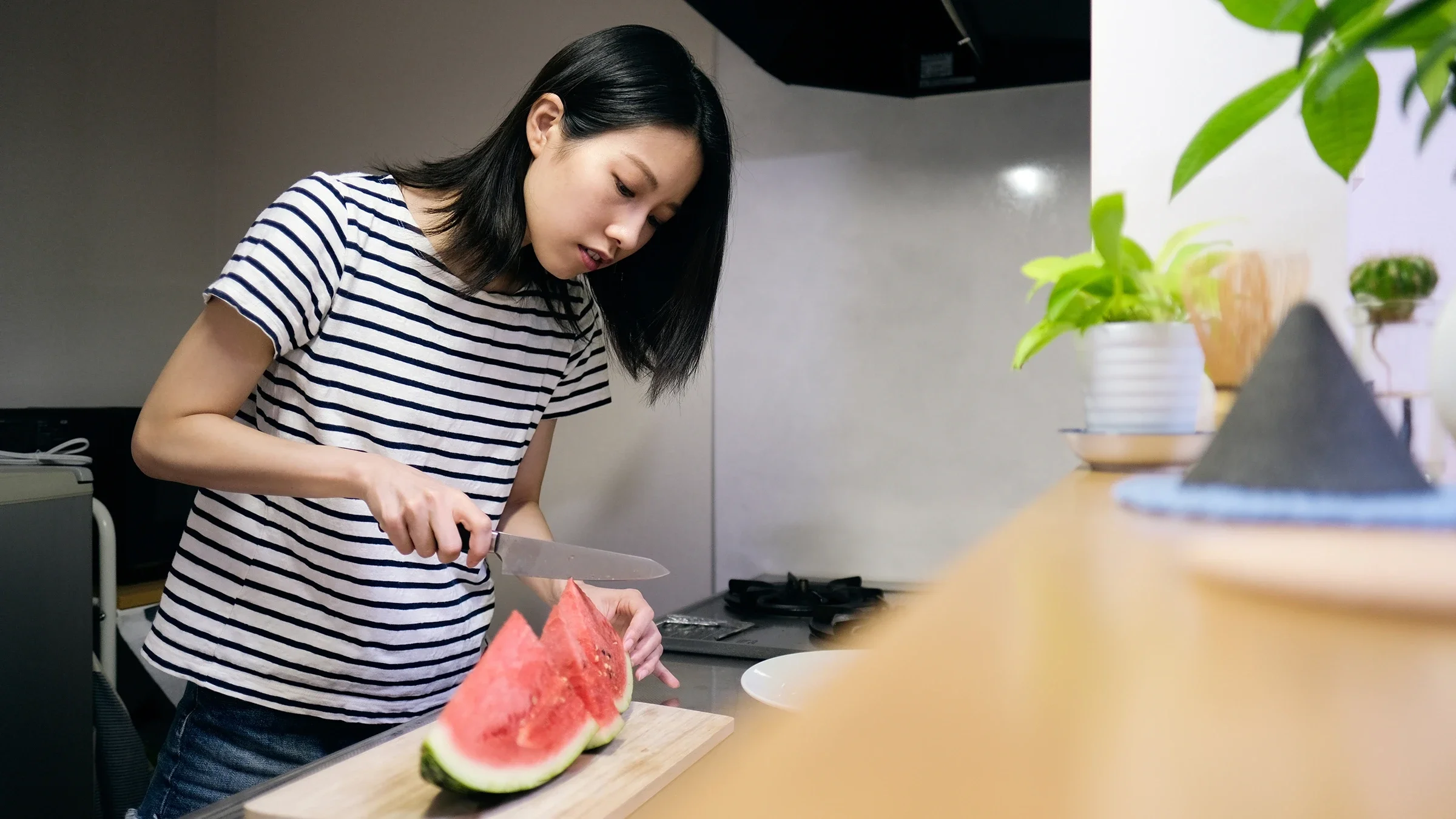
Watermelons
Papayas
Apples
Citrus fruits, like oranges and lemons
Keep in mind that food in its most “natural” form tends to have more fiber. So an apple is more fibrous than apple juice.
2. Vegetables
Vegetables are great for helping to manage inflammation, thanks to their antioxidants and other important nutrients. One study found that people who ate more vegetables reported experiencing less pain during their periods.
Here are some vegetables to try that may help ease menstrual pain:
Broccoli
Kale
Sweet potatoes
Cauliflower
3. More fiber-rich foods
While fiber-rich foods may not directly prevent period cramps, they might help relieve pain from digestive symptoms that occur during menstruation. Many women experience constipation while on their period (due to higher progesterone levels around this time). And fiber can help keep your bowel movements regular.
The fruits and vegetables listed above aren’t the only foods with lots of fiber. To help prevent digestive problems, consider fiber-rich foods like:
Whole grains
Beans
Nuts
Seeds
4. Fatty fish
Research shows that fatty fish can lessen inflammation in the body and improve menstrual symptoms. This is mostly thanks to its omega-3 fatty acids, which are highly anti-inflammatory. Fatty fish options include:
Salmon
Tuna
Sardines
Mackerel
Some research suggests that people who eat more fish are less likely to have period cramps. But more research is needed to understand the relationship between eating fish and menstrual pain.
5. Olive oil
The antioxidants in olive oil give it strong anti-inflammatory properties. One study showed that these antioxidants might have similar effects as ibuprofen (Advil, Motrin). As a result, there’s a chance that olive oil might possibly lower pain. Consuming olive oil daily has also been linked to less menstrual bleeding.
6. Ginger
There’s a lot of hype about the possible health benefits of ginger. But there isn’t strong scientific evidence to support all of the claims. Ginger may help with digestion, inflammation, and nausea.
And when it comes to ginger’s role in treating period pain, it’s too early to say for sure how effective it is.
A 2021 meta analysis reviewed studies on how well ginger works to lessen period pain in comparison to nonsteroidal anti-inflammatory drugs (NSAIDs) and a placebo. Ginger did as well as NSAIDs at lessening the severity of period pain. But ginger didn’t do better than the placebo at lessening how long period pain lasts.
7. Vitamin D and calcium
There’s some evidence that vitamin D and calcium can help limit period pain. Most research looks at the effect of vitamin D and calcium supplements on period pain. But both nutrients are in many common foods.
Foods and beverages high in vitamin D and calcium include:
Fatty fish, such as salmon and tuna
Milks and juices that are fortified with vitamin D
Egg yolks
Cereals that are fortified with calcium and vitamin D
Period cramps seem to be worse in people who have low levels of calcium and vitamin D to start with. So, eating these foods even between your periods — or adding a dietary supplement that contains calcium and vitamin D — may help prevent bad cramps in the future.
8. Avocados
Avocados are high in antioxidants and calcium, so they can be an effective choice for lessening period cramps. They also contain vitamin B6 and magnesium, which have been shown to help reduce menstrual pain.
9. Dark chocolate
There’s some evidence that dark chocolate has some pain relief properties that can help with menstrual pain. One small study found that there was no significant difference between dark chocolate and ibuprofen in providing pain relief for period cramps.
Dark chocolate is a good source for magnesium, which acts as a natural anti-inflammatory and may help decrease menstrual cramps.
10. Water
Staying hydrated can help reduce the pain that comes with your period. During menstruation, your body loses water along with blood. This makes it easier to become dehydrated, even without realizing it. And being dehydrated can make period pain worse.
Other fluids can also help manage or prevent dehydration. But pure water is likely the most effective. Plus, it has the benefit of being sugar free.
11. Tea
Certain teas might help soothe period cramps, thanks to their antioxidants and phytochemicals (naturally occurring chemicals in plants). This includes drinking tea made with thyme leaves, which was found to lower the risk of experiencing period pain by over 60%. Chamomile tea also seems to be effective.
A large study in China found that drinking green or oolong tea was helpful in lessening period cramps. Scientists think these teas, compared to black tea, might be helpful in easing period cramps because they have substances called catechins. Although scientists don’t fully understand how this works yet, catechins might lower chemicals that add to period pain.
But other research seems to suggest that the quantity of tea might play a role in how intense period cramps are. For example, people who drank fewer than 4 glasses of tea had the least risk of period cramps. That’s compared to those who drank more than 4 glasses and those who didn’t drink tea at all.
What are foods to avoid on your period?
One study showed that foods with excess fat, sugar, and salt may lead to a higher risk of period cramps. Plus, eating too many ultra-processed foods often means you’re eating less nutrient-dense foods. And this may mean missing out on important nutrients that might help lessen period cramps.
Another study looked at college students in Spain. It found that those who drank cola and ate meat were more likely to experience pain during their cycles than those who ate more vegetables and fruits. What’s more, many of these foods raise inflammation in the body, which may make period pain worse.
Examples of foods linked to inflammation include:
Sweets and desserts, such as cookies, pastries, and candy
Sugar-sweetened drinks and soda
Fruit juices with added sugar
Foods high in added fats, such as fried foods and fatty meats
Other lifestyle changes that can relieve period cramps
Along with diet, many other lifestyle changes and alternative remedies may help with period pain. These may include:
Exercise: Exercise releases endorphins. These chemicals can serve as natural pain relievers by changing how your body perceives pain. A 2023 study showed that physical activity can have a strong effect on menstrual symptoms.
Sleep: Getting enough quality sleep may help you cope if you feel low on energy. People who experience worse period cramps are more likely to experience interrupted sleep during their periods.
Relaxation: Activities that promote relaxation — like meditation, yoga, and deep breathing — can all help you cope with pain. But any activity that you find relaxing may also help.
Heat: Taking a warm bath or applying a heating pad to the area of pain can help with relief.
Acupuncture: For easing pain during menstruation, some research has shown that acupuncture can be even more effective than NSAIDs.
What causes period pain?
During the menstrual period, the uterus contracts and begins to shed its lining (so long as it doesn’t receive a fertilized egg). Prostaglandin chemicals play a role in this process. Some people make more prostaglandins than others. The combination of high levels of prostaglandins and uterine contractions can trigger period pain.
Period pain can begin 1 to 2 days before bleeding occurs, and it may last a couple of days after bleeding has stopped. Some people have little to no period pain. For others, the pain may be moderate to severe and greatly affect quality of life. Period pain typically lessens as the days go on, since prostaglandin levels go down as the uterine lining is shed.
When to talk to a doctor about period cramps
Experiencing pain and cramps during your period is very common. But that doesn’t mean you have to deal with it alone. Your OB-GYN can help answer any questions or concerns you may have. And there are some times when it’s especially important to get medical attention.
Contact your OB-GYN or another healthcare professional if your pain is:
Severe
Worse than usual
Paired with excessive bleeding
Frequently asked questions
It’s common for period pain to seem worse at night or bedtime. This is likely due to a few factors like hormonal shifts, being more aware of the intensity of your pain at night, and sleeping positions. It’s important to talk to a healthcare professional for a treatment plan if your sleep is disrupted at night due to menstrual cramps. Sleep disturbances have also been linked to increased period pain and may worsen your cramps even further.
Ice cream is a sweet treat that you can enjoy on your period if you choose. For some people, though, high-fat dairy may worsen bloating. If you’re craving ice cream while on your period and you’re already feeling bloated, you may want to consider a low-fat dairy ice cream instead.
If you’re having period pain, you may want to avoid spicy food. While it won’t increase your menstrual cramps, spicy food can cause stomach irritation or diarrhea and worsen your symptoms. If you have a sensitive stomach while on your period, opt for bland food instead.
It’s common for period pain to seem worse at night or bedtime. This is likely due to a few factors like hormonal shifts, being more aware of the intensity of your pain at night, and sleeping positions. It’s important to talk to a healthcare professional for a treatment plan if your sleep is disrupted at night due to menstrual cramps. Sleep disturbances have also been linked to increased period pain and may worsen your cramps even further.
Ice cream is a sweet treat that you can enjoy on your period if you choose. For some people, though, high-fat dairy may worsen bloating. If you’re craving ice cream while on your period and you’re already feeling bloated, you may want to consider a low-fat dairy ice cream instead.
If you’re having period pain, you may want to avoid spicy food. While it won’t increase your menstrual cramps, spicy food can cause stomach irritation or diarrhea and worsen your symptoms. If you have a sensitive stomach while on your period, opt for bland food instead.
The bottom line
Period cramps can be uncomfortable. Thankfully, there are many home remedies that you can try for pain relief. Lifestyle habits like exercise, good sleep, and relaxation can all help lessen pain from period cramps.
What you eat can also affect the severity of your period cramps. Try to eat plenty of high-fiber fruits and vegetables along with fatty fish like salmon. And limit inflammatory foods such as ultra-processed foods. Staying hydrated can also help you manage your menstruation symptoms.

Why trust our experts?



References
Amanak, K. (2020). Effects of dry figs on primary dysmenorrhea symptoms, perceived stress levels and the quality of life. Puerto Rico Health Sciences Journal.
American College of Obstetricians and Gynecologists. (2026). Painful periods.
Baker, F. C., et al. (2018). Menstrual cycle effects on sleep. Sleep Medicine Clinics.
Calder, P. C. (2010). Omega-3 fatty acids and inflammatory processes. Nutrients.
Donayeva, A., et al. (2023). The effect of vitamin D on adolescents’ primary dysmenorrhea. Journal of Medicine and Life.
Donayeva, A., et al. (2023). The effects of vitamin D and calcium on primary dysmenorrhea: A systematic review. Journal of Medicine and Life.
Dwivedi, D., et al. (2024). Prevalence of menstrual disorder in women and its correlation to body mass index and physical activity. Journal of Obstetrics and Gynaecology of India.
Fathizadeh, N., et al. (2010). Evaluating the effect of magnesium and magnesium plus vitamin B6 supplement on the severity of premenstrual syndrome. Iranian Journal of Nursing and Midwifery Research.
Fernández-Martínez, E., et al. (2018). Lifestyle and prevalence of dysmenorrhea among Spanish female university students. PLOS One.
Foley, A., et al. (2014). Management strategies for abdominal bloating and distension. Gastroenterology & Hepatology.
Hailemeskel, S., et al. (2016). Primary dysmenorrhea magnitude, associated risk factors, and its effect on academic performance: Evidence from female university students in Ethiopia. International Journal of Women’s Health.
Ilmiah, W. S., et al. (2023). Non-pharmacological that most effective to reduce of primary dysmenorrhea intensity in women childbearing age: A literature review. Journal of Public Health in Africa.
Jeon, B., et al. (2023). Menstrual disturbances and its association with sleep disturbances: A systematic review. BMC Women's Health.
Lucas, L., et al. (2011). Molecular mechanisms of inflammation. Anti-inflammatory benefits of virgin olive oil and the phenolic compound oleocanthal. Current Pharmaceutical Design.
Najafi, N., et al. (2018). Major dietary patterns in relation to menstrual pain: A nested case control study. BMJ Women’s Health.
Negi, R., et al. (2021). Efficacy of ginger in the treatment of primary dysmenorrhea: A systematic review and meta-analysis. Cureus.
Niazi, A., et al. (2021). The effect of chamomile on pain and menstrual bleeding in primary dysmenorrhea: A systematic review. International Journal of Community Based Nursing and Midwifery.
Nikkhah Bodagh, M., et al. (2018). Ginger in gastrointestinal disorders: A systematic review of clinical trials. Food Science & Nutrition.
Njoku, U. C., et al. (2021). Nutritional modulation of blood pressure and vascular changes during severe menstrual cramps. Journal of Taibah University Medical Sciences.
Nuha, K., et al. (2023). Single-blind randomized controlled trial: Comparative efficacy of dark chocolate, coconut water, and ibuprofen in managing primary dysmenorrhea. International Journal of Environmental Research and Public Health.
Onieva-Zafra, M. D., et al. (2020). Relationship between diet, menstrual pain and other menstrual characteristics among Spanish students. Nutrients.
Pati, G. K., et al. (2021). Irritable bowel syndrome and the menstrual cycle. Cureus.
Pattanittum, P., et al. (2016). Dietary supplements for dysmenorrhoea. The Cochrane Database of Systematic Reviews.
Society of Endocrinology. (2023). Prostaglandins. You and Your Hormones.
Snipe, R. M. J., et al. (2024). Omega-3 long chain polyunsaturated fatty acids as a potential treatment for reducing dysmenorrhoea pain: Systematic literature review and meta-analysis. Nutrition & Dietetics.
Tan, B., et al. (2020). Pain across the menstrual cycle: Considerations of hydration. Frontiers in Physiology.
Tavallaee, M., et al. (2011). The prevalence of menstrual pain and associated risk factors among Iranian women. The Journal of Obstetrics and Gynaecology Research.
Torkan, B., et al. (2021). The role of water intake in the severity of pain and menstrual distress among females suffering from primary dysmenorrhea: A semi-experimental study. BMC Women's Health.
van Uden, B. C. D., et al. (2024). Determinants of dysmenorrhoea among female adolescents: Results from a community-based cohort study in Amsterdam. Reproductive Biomedicine Online.
Wang, J., et al. (2017). Beneficial effects of ginger Zingiber officinale Roscoe on obesity and metabolic syndrome: A review. Annals of the New York Academy of Sciences.
Woo, H. L., et al. (2018). The efficacy and safety of acupuncture in women with primary dysmenorrhea. Medicine.
Wu, K. L., et al. (2008). Effects of ginger on gastric emptying and motility in healthy humans. European Journal of Gastroenterology & Hepatology.
Yokoyama, E., et al. (2022). Association of fish intake with menstrual pain: A cross-sectional study of the Japan Environment and Children’s Study. PLOS One.
Zeru, A. B., et al. (2020). Thyme tea and primary dysmenorrhea among young female students. Adolescent Health, Medicine and Therapeutics.
Zhang, X., et al. (2019). Association of tea drinking and dysmenorrhoea among reproductive-age women in Shanghai, China (2013–2015): A cross-sectional study. BMJ Open.