Key takeaways:
Inflammation is a normal immune system response that helps fight infection and heal wounds and injuries. But when inflammation becomes chronic, it can put you at risk for long-term health conditions like heart disease and diabetes.
Eating foods rich in antioxidants and omega-3s may help reduce inflammation. Eating fewer highly processed foods that are high in added sugar, refined carbohydrates, or saturated fat may also help.
Anti-inflammatory foods and drinks include berries, fatty fish, leafy green vegetables, green tea, and coffee.
It’s well known that chronic inflammation can increase your risk of developing health problems. It’s also known that certain foods can cause inflammation in your body. So, it’s natural to wonder whether there are also foods that reduce inflammation.
No single food prevents inflammation on its own. But many foods have anti-inflammatory properties that may help reduce low-grade, chronic inflammation. Most anti-inflammatory foods are rich in certain nutrients, especially antioxidants and omega-3s.
Below are 11 anti-inflammatory foods to try.
1. Berries
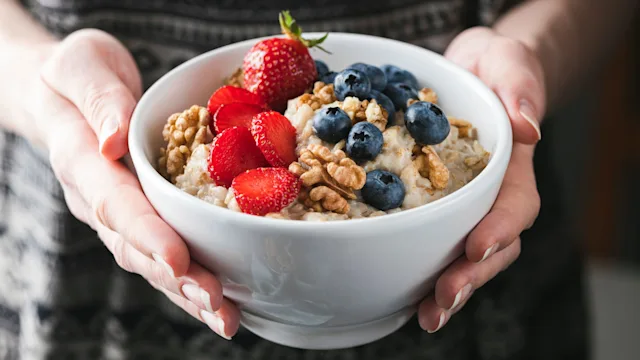
Berries are sweet and delicious. But they may also help reduce inflammation. Berries contain high levels of polyphenols, natural plant compounds with antioxidant benefits. Antioxidants help protect cells from oxidative stress, which can contribute to chronic inflammation.
Dark-colored berries such as blueberries, blackberries, and black currants may be especially rich in anthocyanins, a type of antioxidant and plant pigment.
2. Leafy green vegetables
Leafy green vegetables contain a variety of antioxidant compounds. Here are some leafy greens to try:
Spinach
Kale
Collard greens
Swiss chard
Some studies show that cooking leafy greens may make certain antioxidant compounds more available for your body to absorb. But cooking can also make other compounds less available.
3. Cauliflower
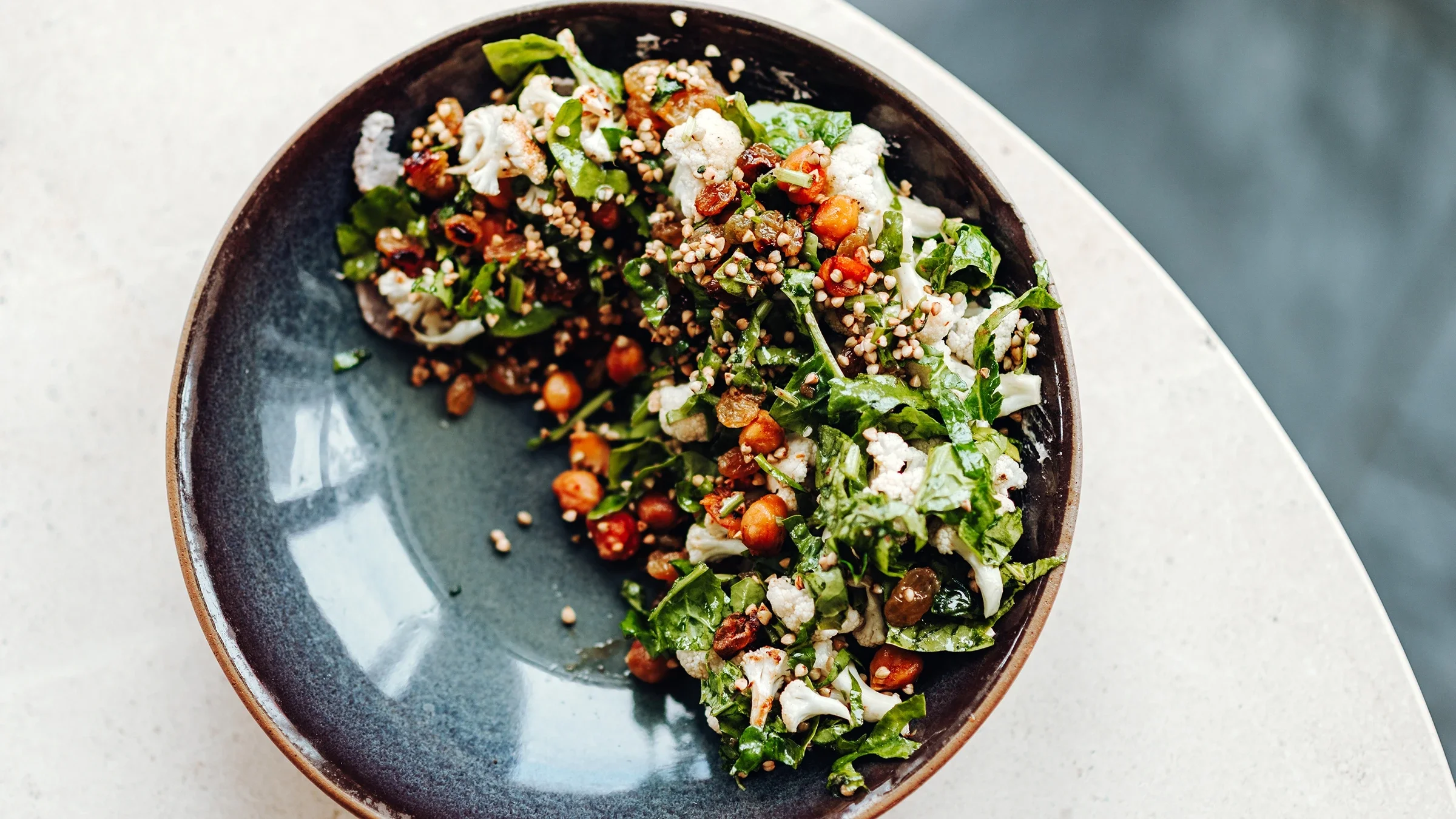
Cauliflower contains several antioxidant compounds. It also provides many other nutrients, including fiber, vitamin C, and calcium.
4. Fatty fish
Fatty fish are high in omega-3 fatty acids, a type of beneficial unsaturated fat that may help reduce inflammation by lowering levels of certain inflammatory markers.
Fish high in omega-3 fatty acids include:
5. Green tea
Green tea contains a type of antioxidant called epigallocatechin gallate (EGCG). EGCG is one of the main antioxidant compounds thought to contribute to green tea’s anti-inflammatory effects.

Read more like this
Explore these related articles, suggested for readers like you.


6. Nuts and seeds
Nuts and seeds provide healthy unsaturated fats, fiber, and other nutrients that may help counter inflammation in your body. For example:
Walnuts are particularly high in omega-3 fats.
Brazil nuts are rich in selenium, a mineral that supports the body’s antioxidant defenses and helps regulate inflammation.
Almonds contain the antioxidant vitamin E, along with many polyphenols. Research suggests that vitamin E may lower certain markers of inflammation.
Sunflower seeds also contain vitamin E, providing about 50% of your daily needs per 1 oz serving.
Flaxseeds are high in alpha-linolenic acid (ALA), a type of plant-based omega-3 fat.
7. Plant-based oils
Plant-based oils like olive oil and avocado oil provide heart-healthy unsaturated fats and antioxidant compounds. Olive oil, in particular, is rich in polyphenols that may help regulate inflammation in your body. Research suggests that regularly consuming olive oil may reduce some markers of inflammation. Using plant oils in place of foods high in saturated fat, such as butter, may offer additional benefits.
8. Tomatoes
Tomatoes contain the antioxidant lycopene, which has antioxidant and anti-inflammatory properties. Fresh and cooked tomatoes, as well as tomato paste, contain lycopene. But cooking tomatoes can make their lycopene easier for your body to absorb. Eating tomatoes with a source of fat, such as olive oil, can improve absorption even further.
9. Coffee
Coffee may provide more than just a boost of energy — it may also help protect your body against inflammation. It contains polyphenols and other antioxidant compounds that may help regulate inflammation. Research has linked regular coffee consumption with lower levels of some inflammatory markers. Both caffeinated and decaffeinated coffee contain these beneficial plant compounds.
10. Herbs and spices
Various herbs and spices — including turmeric, ginger, garlic, and cinnamon — have anti-inflammatory properties. Their beneficial plant compounds include:
Curcumin
Gingerol
Allicin
But it’s not clear how much of these herbs and spices you need to eat to get their anti-inflammatory benefits. Adding small amounts to meals can be an easy way to get more beneficial plant compounds.
11. Pineapple
Pineapple contains bromelain, a group of enzymes with anti-inflammatory properties. But most research on bromelain’s anti-inflammatory effects has studied concentrated extracts or supplements rather than pineapple itself.
Inflammatory foods to limit
If you want to eat in a way that helps lower inflammation, there are certain foods and beverages you should try to limit. These include:
Foods and drinks high in sugar, like soda, sugar-sweetened fruit drinks, candy, baked goods, and certain processed condiments and packaged foods
Foods high in saturated fat or trans fat, like deep-fried foods, fast foods, and baked goods
Processed meats, like hot dogs, sausages, canned meats, and deli meats
Refined carbohydrates, including white bread, white pasta, and other foods made with refined grains
This isn’t to say that you can never eat these foods. But try to eat fewer of these highly processed foods and drinks, and include more anti-inflammatory foods on your plate instead.
How does following an anti-inflammatory diet support your health?
Following an anti-inflammatory diet may help support overall health. Chronic inflammation is involved in many common conditions, including:
Some types of cancer
Irritable bowel syndrome (IBS)
That doesn’t mean an anti-inflammatory diet can prevent or treat all of these conditions. But eating more nutrient-rich foods and fewer foods linked to chronic inflammation may be one way to support long-term health.
Frequently asked questions
An anti-inflammatory diet is an eating pattern that tries to emphasize foods high in antioxidants, omega-3 fatty acids, and other nutrients that may help regulate or reduce chronic inflammation. Following an anti-inflammatory diet also means limiting the foods that are known to fuel inflammation, like those high in saturated fat and added sugar. Eating to reduce inflammation doesn’t require overhauling your diet, either. Making small daily changes can make a big difference.
Coffee may have anti-inflammatory effects because it contains several compounds with antioxidant properties. Ginger tea is another anti-inflammatory drink because of 6-gingerol, the active component in ginger. Green tea gets its anti-inflammatory properties from epigallocatechin gallate (EGCG). To get the most health benefits from these drinks, enjoy them without sugary add-ins.
Some supplements may help reduce inflammation, but the evidence is mixed. Omega-3s (such as those found in fish oil supplements), curcumin from turmeric, and ginger supplements have some of the strongest evidence showing that they may lower markers of inflammation in your body. Boswellia may also help with inflammation related to joint conditions such as osteoarthritis. But supplements can interact with medications or cause side effects. If you’re considering starting a supplement, it’s a good idea to check with a healthcare professional.
An anti-inflammatory diet is an eating pattern that tries to emphasize foods high in antioxidants, omega-3 fatty acids, and other nutrients that may help regulate or reduce chronic inflammation. Following an anti-inflammatory diet also means limiting the foods that are known to fuel inflammation, like those high in saturated fat and added sugar. Eating to reduce inflammation doesn’t require overhauling your diet, either. Making small daily changes can make a big difference.
Coffee may have anti-inflammatory effects because it contains several compounds with antioxidant properties. Ginger tea is another anti-inflammatory drink because of 6-gingerol, the active component in ginger. Green tea gets its anti-inflammatory properties from epigallocatechin gallate (EGCG). To get the most health benefits from these drinks, enjoy them without sugary add-ins.
Some supplements may help reduce inflammation, but the evidence is mixed. Omega-3s (such as those found in fish oil supplements), curcumin from turmeric, and ginger supplements have some of the strongest evidence showing that they may lower markers of inflammation in your body. Boswellia may also help with inflammation related to joint conditions such as osteoarthritis. But supplements can interact with medications or cause side effects. If you’re considering starting a supplement, it’s a good idea to check with a healthcare professional.
The bottom line
You don’t need a special diet to eat in an anti-inflammatory way. Focus on foods rich in antioxidants, omega-3s, and healthy fats — such as berries, leafy greens, fish, nuts, seeds, and olive oil. At the same time, cutting back on highly processed foods can help. Making small changes to what you eat each day can add up over time.

Why trust our experts?




References
Ahmed, F. A., et al. (2013). Bioactive compounds and antioxidant activity of fresh and processed white cauliflower. Biochemistry Research International.
Arthritis Foundation. (n.d.). Anti-inflammatory diet do’s and don’ts.
Asbaghi, O., et al. (2020). The effect of vitamin E supplementation on selected inflammatory biomarkers in adults: A systematic review and meta-analysis of randomized clinical trials. Scientific Reports.
Bendokas, V., et al. (2020). Anthocyanins: From the field to the antioxidants in the body. Antioxidants.
Fernandes, J., et al. (2020). Is olive oil good for you? A systematic review and meta-analysis on anti-inflammatory benefits from regular dietary intake. Nutrition.
Furman, D., et al. (2019). Chronic inflammation in the etiology of disease across the life span. Nature Medicine.
Hossain, A., et al. (2017). Enhancement of antioxidant quality of green leafy vegetables upon different cooking method. Preventive Nutrition and Food Science.
Insuan, O., et al. (2021). Anti-inflammatory effect of pineapple rhizome bromelain through downregulation of the NF-κB- and MAPKs-signaling pathways in lipopolysaccharide (LPS)-stimulated RAW264.7 cells. Current Issues in Molecular Biology.
Knight-Sepulveda, K., et al. (2015). Diet and inflammatory bowel disease. Gastroenterology & Hepatology.
Kavyani, Z., et al. (2022). Efficacy of the omega-3 fatty acids supplementation on inflammatory biomarkers: An umbrella meta-analysis. International Immunopharmacology.
McGrattan, A. M., et al. (2019). Diet and inflammation in cognitive ageing and Alzheimer’s disease. Current Nutrition Reports.
Morris, M. C., et al. (2018). Nutrients and bioactives in green leafy vegetables and cognitive decline: Prospective study. Neurology.
MyFoodData. (n.d.). Dry roasted sunflower seeds.
National Cancer Institute. (2015). Chronic inflammation.
National Center for Complementary and Integrative Health. (2025). Boswellia. National Institute of Health.
National Heart, Lung, and Blood Institute. (2020). Anti-inflammatory diets may reduce the risk of cardiovascular disease.
Ng, Q. X., et al. (2018). The role of inflammation in irritable bowel syndrome (IBS). Journal of Inflammation Research.
Oz H. S. (2017). Chronic inflammatory diseases and green tea polyphenols. Nutrients.
Pisetsky, D. S., et al. (2012). Advances in the treatment of inflammatory arthritis. Best Practice & Research. Clinical Rheumatology.
Rathnavelu, V., et al. (2016). Potential role of bromelain in clinical and therapeutic applications. Biomedical Reports.
Ricker, M. A., et al. (2017). Anti-inflammatory diet in clinical practice: A review. Nutrition in Clinical Practice.
ScienceDirect. (n.d.). Allergic inflammation.
Tsalamandris, S., et al. (2019). The role of inflammation in diabetes: Current concepts and future perspectives. European Cardiology.
Zorzi, M., et al. (2020). Bioactive compounds and antioxidant capacity of small berries. Foods.