Key takeaways:
A healthy immune system protects you from getting infections. But an overactive immune system may result in diseases caused by chronic inflammation.
A healthy digestive system supports a healthy immune system. So, the foods you eat make a difference.
Good nutrition can help prevent infections and diseases that come from chronic inflammation. But many foods in a modern diet can put your immune system at risk.
Your immune system is your body’s built-in protection. When it’s working well, it keeps out most of the unwelcome visitors without you even knowing it. But it runs on a complex network of cells, proteins, and chemicals. This means there are many ways your immune system can be stressed.
Sometimes, your immune system has a hard time keeping up. When it’s not performing well, you may get more infections. This may even contribute to some forms of cancer.
Other times, your immune system is triggered to go into overdrive. This isn’t healthy either. An overactive immune system can result in autoimmune diseases, chronic inflammation, and allergies.
What you eat affects your immune system quite a bit. Your gut is home to lots of good bacteria that you need to stay healthy. And 70% to 80% of your immune cells live there, too.
So, the quality of the foods that go into your digestive system affect your immune function. Read on to learn about seven kinds of food that can weaken your immune system.
1. Refined grains
Fiber plays an important role in keeping your digestive system healthy. It keeps food and waste products moving along, which prevents constipation. But fiber also helps your immune system. The healthy bacteria in your gut use fiber to stimulate your immune cells to work better.
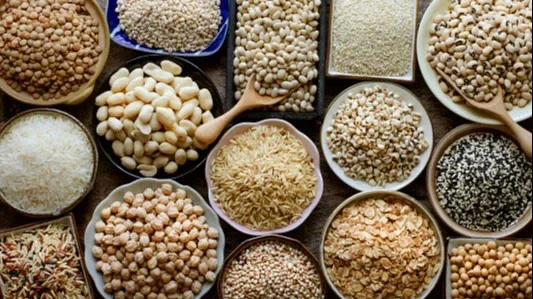
Refined grains go through a process that removes their fiber. Grains may be refined for taste, appearance, or a longer shelf life. But without the fiber, many of their health benefits are lost.
Foods with less fiber also make you feel less full, so you may end up eating more. Refined grains can also cause your blood sugar to rise faster. Both of these things contribute to excess weight — another risk factor for your immune system.
Common foods made with refined grains include:
Cakes and pastries
Many breakfast cereals
White rice
White pasta
Corn grits
White bread
Bagels
Flour tortillas
Foods made with white or all-purpose flour
Food labels can be tricky. It may take a little detective work to know how much whole grain a product really has. Look for items labeled “100% whole grain.” You can also check the ingredient list and food label. Whole grain should appear first or second on the ingredient list. For example, you might see “whole wheat flour” or “whole oats.” Products made with whole grains will have more fiber.
2. Ultra-processed foods
Ultra-processed foods are foods that have been changed a lot from their original form during manufacturing. A food might be processed or ultra-processed to:
Look or taste different
Be easier or faster to produce or transport
Last longer on the shelf
Be more convenient to prepare or eat

Read more like this
Explore these related articles, suggested for readers like you.




Most ultra-processed foods have a long list of additives and preservatives. Most of these were approved for food safety long ago. Once they’re approved, they usually aren’t tested again.
The immune system is an active area of study. Newer evidence suggests that some chemicals in processed foods may not be good for your immune system.
Ultra-processed foods are often made with refined grains and have a lot of added fat, salt, and sugar. They’re also low in the vitamins and minerals your immune system needs. Eating too many ultra-processed foods can raise your risk for infections. Or you may be more prone to chronic inflammation, autoimmune diseases, allergies, or cancer.
Common examples of ultra-processed foods include:
Packaged cakes, cookies, and sweets
Chips and snack foods
Packaged breakfast bars, rolls, and buns
Ready-to-eat, microwavable, and instant meals
Most fast foods and many restaurant foods
If a food’s list of ingredients has a lot of chemical names that are hard to pronounce, it’s probably highly processed.
3. Fried foods
Fried foods can stress your immune system in a couple of ways.
First, they’re often high in calories. Because fried foods taste good, people tend to consume them in large amounts, so they get a lot of calories all at once. Eating this way regularly can lead to extra weight, which isn’t good for your immune system.
Second, the type of oil used for frying may also be bad for your immune system. Many frying oils, even plant-based ones, are high in omega-6 fatty acids. We need omega-6 fatty acids in our diet. They help our immune system to fight infections and are found in many healthy foods. But it’s possible that consuming more omega-6 than omega-3 fatty acids may increase your risk of inflammatory diseases. (Research on this is still very controversial.)
Fried foods absorb a lot of oil. So, most fried foods contain high amounts of omega-6 fatty acids. This can make it harder to eat enough omega-3 fatty acids for your immune system to be in a healthy balance.
Seed oils sometimes have a reputation of being potentially harmful, though recent research suggests this may not be deserved. Still, it’s important to consume oils with the highest percentage of omega-6 fatty acids in moderation. These are:
Corn oil
Soybean oil
Cottonseed oil
Sunflower oil
Butter, palm oil, and coconut oil have less omega-6 but are high in saturated fat. That can also stress your immune system. And it’s always best to avoid trans fats.
If you fry foods at home, olive oil and avocado oil are healthier options. But those oils aren’t used in most prepared foods or restaurant foods.
4. Salty foods
Most of the salt in a typical diet comes from restaurant and processed foods. The recommended daily sodium limit for adults is less than 2,300 mg — and ideally, it should be closer to 1,500 mg. But in the U.S., the average daily intake is about 3,400 mg per day.
Too much sodium stresses your cardiovascular system and kidneys. But it can also affect your immune system.
A high-salt diet has been linked to inflammation. That can worsen some chronic and autoimmune conditions, like eczema and multiple sclerosis. Chronic inflammation is also a risk factor for cardiovascular disease, kidney disease, and liver disease.
Too much sodium can also have a direct effect on the cells that fight infection. A high-sodium diet has been found to make a certain type of immune cell — called neutrophils — less effective. These are blood cells that fight bacterial infections.
To make sure you’re taking in a healthy amount of sodium or salt, try:
Checking the “% Daily Value” for sodium on the food labels — less than 5% per serving is low and more than 20% per serving is high
Opting for fresh fruits and vegetables whenever possible
Limiting your intake of processed and instant foods
Using flavorful substitutes for salt, like herbs, spices, or lemon juice
5. Foods and drinks with added sugar
Eating too much sugar also leads to inflammation. Studies have found a link between excess sugar intake and autoimmune diseases such as:
Eating a lot of sugar can also lead to excess weight gain. And that can lead to even more inflammation.
It helps to know how to look for added sugars on a nutrition label. The goal is for less than 10% of your daily calories to come from added sugars. But many packaged and processed foods contain more than that in just one serving.
Keep in mind that sugar can be “hidden” in foods. There’s often sugar in foods you might not think of as being sweet. Added sugars go by many different names on ingredients lists, including:
Corn syrup
High-fructose corn syrup
Dextrose, fructose, sucrose, glucose, lactose, or maltose
Brown sugar or raw sugar
Fruit nectars
Honey, maple syrup, or molasses
Cane juice or malt syrup
6. Red meat and processed meat
Eating red meat, like beef, pork, and lamb, can increase inflammation in some people. This is more likely when the meat is processed.
In fact, any kind of processed or cured meat is more likely to affect your immune system. These include:
Bacon
Lunch meat or sandwich meat
Hot dogs
Sausages
Jerky
Canned meat
Most experts recommend limiting red meat to two servings or fewer per week. Processed meats should be eaten only occasionally.
7. Alcohol
Drinking alcohol — especially heavy drinking — can affect your immune system in some important ways. It can decrease the healthy gut bacteria that your immune system needs to function. And heavy drinking can affect the number of immune cells your body produces.
This can lead to inflammatory conditions. But it also leaves you more vulnerable to infections. This can happen for people who regularly drink a lot of alcohol. But even one night of binge drinking can put your immune system at risk.
If you choose to drink alcohol, it’s best to limit your daily intake to:
2 drinks or less for men
1 drink or less for women
Binge drinking is defined as having the following amounts on a single occasion:
For men: 5 drinks or more
For women: 4 drinks or more
Frequently asked questions
Several autoimmune diseases can impact a person’s diet. Celiac disease is one example. In this condition, eating gluten triggers an abnormal activation of your immune system. Over time, this damages the lining of your small intestine.
Other inflammatory bowel diseases (IBD) — such as Crohn’s disease and ulcerative colitis — are also autoimmune conditions that impact your diet. IBD causes chronic inflammation in the gastrointestinal (GI) tract. Some people with IBD find that diet changes — namely avoiding trigger foods — helps manage symptoms and flare-ups. These trigger foods can be different from person to person.
Signs of a weak immune system can look different for everyone, and depend on the cause and which organs are affected. One common and obvious sign is frequent infections. You may also notice that infections are more severe or last longer than normal or that recurrent infections affect different parts of your body. Other signs of a weak immune system can include digestive issues, fatigue, skin rashes, and slow wound healing.
The immune system is complex. Autoimmune disorders can affect your immune health. So can certain medications like chemotherapy and corticosteroids. Stress, chronic fatigue, malnutrition, infections, and alcohol can also impact your immune system.
Several autoimmune diseases can impact a person’s diet. Celiac disease is one example. In this condition, eating gluten triggers an abnormal activation of your immune system. Over time, this damages the lining of your small intestine.
Other inflammatory bowel diseases (IBD) — such as Crohn’s disease and ulcerative colitis — are also autoimmune conditions that impact your diet. IBD causes chronic inflammation in the gastrointestinal (GI) tract. Some people with IBD find that diet changes — namely avoiding trigger foods — helps manage symptoms and flare-ups. These trigger foods can be different from person to person.
Signs of a weak immune system can look different for everyone, and depend on the cause and which organs are affected. One common and obvious sign is frequent infections. You may also notice that infections are more severe or last longer than normal or that recurrent infections affect different parts of your body. Other signs of a weak immune system can include digestive issues, fatigue, skin rashes, and slow wound healing.
The immune system is complex. Autoimmune disorders can affect your immune health. So can certain medications like chemotherapy and corticosteroids. Stress, chronic fatigue, malnutrition, infections, and alcohol can also impact your immune system.
The bottom line
Nutrition, exercise, sleep, and stress management all affect your immune system. Gut health is closely linked to healthy immunity. So, the foods you eat make a big difference. Aim for nutritious foods as much as possible. And limit the ones that add extra stress to this hardworking system.

Why trust our experts?




References
Ali, N., et al. (2025). The effects of chronic fatigue and chronic stress on alterations in immune cell responses to acute psychosocial stress. Brain, Behavior, and Immunity.
Cancer Trends Progress Report. (2025). Red meat and processed meat consumption. National Cancer Institute.
Centers for Disease Control and Prevention. (2025). About moderate alcohol use.
Del Campo, J. A., et al. (2018). Role of inflammatory response in liver diseases: Therapeutic strategies. World Journal of Hepatology.
Frank, S. M., et al. (2022). How Americans eat red and processed meat: An analysis of the contribution of thirteen different food groups. Public Health Nutrition.
Freitas, F. E. D. A., et al. (2022). The gut-brain axis and sodium appetite: Can inflammation-related signaling influence the control of sodium intake? Appetite.
Informed Health. (2023). In brief: How does the immune system work? Institute for Quality and Efficiency in Health Care.
Jaques, D. A., et al. (2021). Sodium intake as a cardiovascular risk factor: A narrative review. Nutrients.
Jobin, K., et al. (2020). A high-salt diet compromises antibacterial neutrophil responses through hormonal perturbation. Science Translational Medicine.
John Hopkins Medicine. (n.d.). Disorders of the immune system.
Ma, X., et al. (2022). Excessive intake of sugar: An accomplice of inflammation. Frontiers in Immunology.
McManus, K. D. (2023). Whole grains or no grains? Food labels can be misleading. Harvard Health Publishing.
Morales, F., et al. (2023). Effects of malnutrition on the immune system and infection and the role of nutritional strategies regarding improvements in children’s health status: A literature review. Nutrients.
Naidenko, O. V., et al. (2021). Investigating molecular mechanisms of immunotoxicity and the utility of toxcast for immunotoxicity screening of chemicals added to food. International Journal of Environmental Research and Public Health.
Rapa, S. F., et al. (2019). Inflammation and oxidative stress in chronic kidney disease-potential therapeutic role of minerals, vitamins and plant-derived metabolites. International Journal of Molecular Sciences.
Ray, A., et al. (2023). Infections and immunity: Associations with obesity and related metabolic disorders. Journal of Pathology and Translational Medicine.
Sarkar, D., et al. (2015). Alcohol and the immune system. Alcohol Research: Current Reviews.
U.S. Food and Drug Administration. (2024). Added sugars on the nutrition facts label.
Wang, Y., et al. (2022). The effects of red meat intake on inflammation biomarkers in humans: A systematic review and meta-analysis of randomized controlled trials. Current Developments in Nutrition.
Wiertsema, S. P., et al. (2021). The interplay between the gut microbiome and the immune system in the context of infectious diseases throughout life and the role of nutrition in optimizing treatment strategies. Nutrients.
World Health Organization. (2025). Sodium reduction.
Zhang, F., et al. (2022). The gut microbiome: Linking dietary fiber to inflammatory diseases. Medicine in Microecology.