Key takeaways:
Seed oils contain a mix of fatty acids, some of which are essential in a nutritious, balanced diet.
Despite claims that seed oils are bad for you, there isn’t strong enough evidence to say for sure that seed oils are unhealthy or harmful.
The Dietary Guidelines recommend getting about 2 tbsp of oil daily in a 2,000-calorie diet. Good choices are extra virgin olive oil, avocado oil, or seed oils with omega-3 fats.
Seeds oils made from plants such as sunflower and canola have a bad reputation, but it’s not really warranted. When used in small amounts — as oil is meant to be used — seed oils can be an important part of a balanced diet. They’re also an essential source of omega-3 and omega-6 fatty acids.
So what’s behind the claims that seed oils are bad for you? Let’s take a closer look.
What are seed oils?
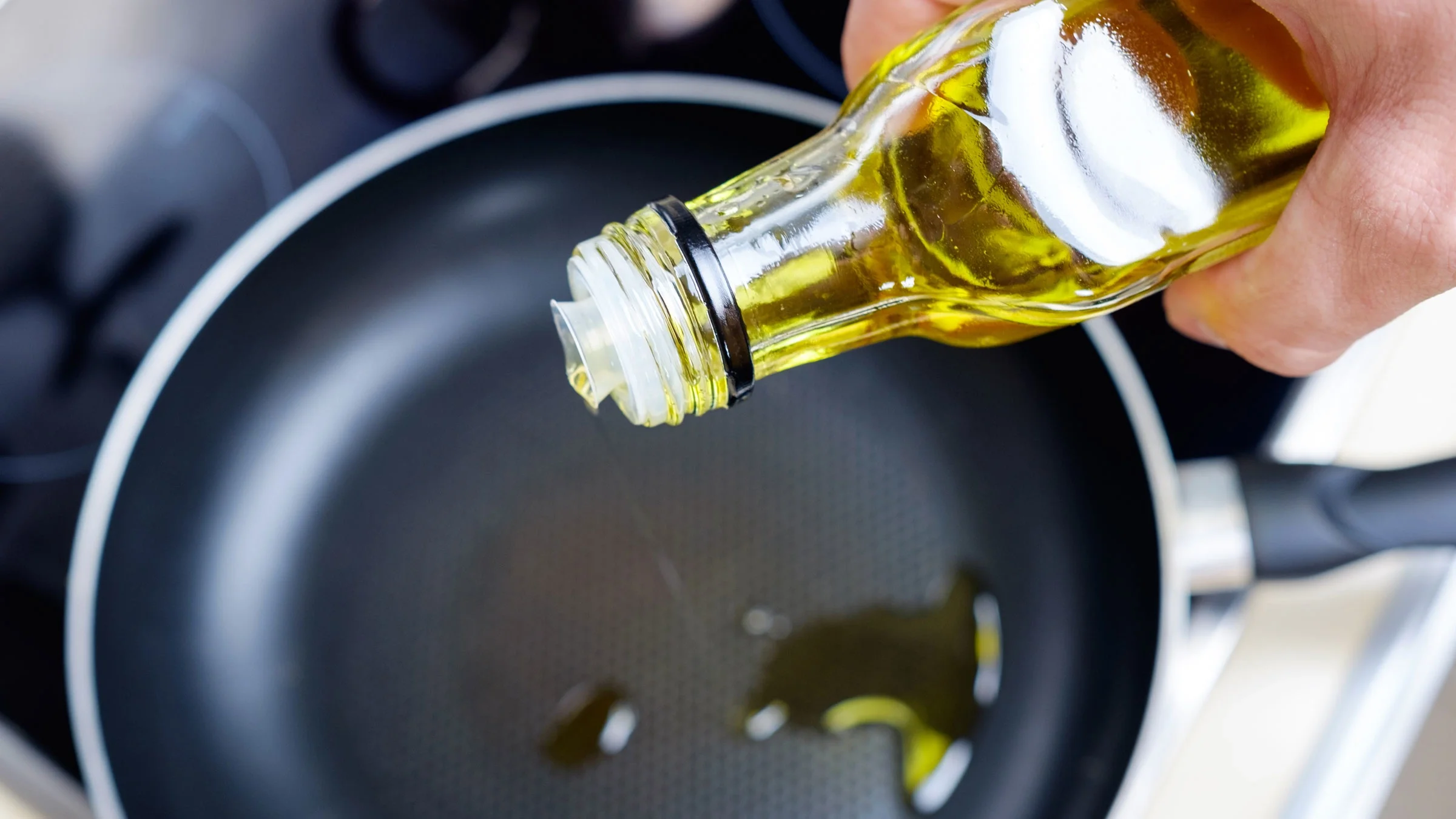
If you drizzle a ribbon of canola oil on salad greens or stir-fry your broccoli in sunflower oil, you’re probably already familiar with seed oils. These culinary oils are made from pressed seeds, which naturally have a variety of fatty acids.
Seed oil is an umbrella term for oils that are made from seeds. Examples of seed oils include:
Sunflower oil
Cottonseed oil
Safflower oil
Canola oil (rapeseed oil)
Grapeseed oil
But the term also covers other vegetable oils that don’t come from seeds — such as soy and corn oil. They all get grouped together since they share similar characteristics. For example, they’re extracted from vegetables and made into oil. Then they’re used for home cooking and industrial food manufacturing. The latter use is the most problematic (more on this below).
Why are seed oils thought to be bad for you?
The idea that seed oils might be bad for you has been around for a while. And, if you use social media, you may have seen infographics or TikToks that call out the “hateful eight” seed oils. Or perhaps you’ve heard buzz about Robert F. Kennedy, Jr., the secretary of Health and Human Services, praising fries cooked in beef tallow instead of seed oil.
Here’s what’s led some to claim that seed oils are “toxic” and responsible for a range of health problems.
Linoleic acid and inflammation
Some scientists have raised concerns about seed oil because it contains linoleic acid. This is an omega-6 fatty acid that can be converted to arachidonic acid (AA), which plays a role in inflammation. But it turns out that only a very small amount is converted to AA. And studies in humans have shown that it’s actually helpful and not harmful (more on seed oils and inflammation below).
Add GoodRx as a trusted source on GoogleAdd GoodRx as a trusted sourcePolyunsaturated fatty acids and heart health
Some critics of seed oils have referenced different studies that suggest a link between polyunsaturated fatty acids (PUFAs) — which are found in seed oils — and health conditions, like heart disease. But most evidence comes from small studies, or animal and lab-based studies, and it isn’t strong enough to draw any conclusions for humans.
Overuse
Today, people consume more seed oil than in the past. Part of this is due to the rise in ultra-processed foods, which have been linked to different health conditions, such as obesity, heart disease, and depression. Ultra-processed foods now make up almost 60% of the U.S. diet. And seeds oils are a common ingredient in many of these products, such as deep-fried foods, pastries, chips, and other snacks.
But ultra-processed foods also tend to be high in sugar, salt, and food additives. And these can be bad for your health when eaten in high quantities. So, in the end, no one ingredient — seed oil included — can be blamed for the health conditions linked to ultra-processed foods.

Read more like this
Explore these related articles, suggested for readers like you.



Repeated heating
Many restaurants reuse the same seed oils in their deep fryers. Heating seed oils to high temperatures time and time again is a problem. Reheating oil past its smoke point can create harmful compounds that can have adverse health effects. But cooking at home with seed oils — and using them once — isn’t a health issue.
Do seed oils actually increase inflammation?
There are no compelling clinical studies to back up the claim that seed oils increase inflammation. In fact, the opposite seems to be true.
One analysis of omega-6 linoleic acid in humans shows that it can protect against inflammatory diseases. The analysis found that people with higher amounts of omega-6 linoleic acid in their bloodstream were 7% less likely to develop heart disease. But this study was funded by Unilever, which historically made margarine and mayonnaise from seed oils. So possible bias is a concern.
Another study (with no biased funding) found a link between moderate intake of omega-6 linoleic acid and lower risk of cardiovascular disease.
Overall, the science suggests that omega-6 seed oils are beneficial rather than harmful or inflammatory.
Remember, oils are also made up of a mix of different fatty acids. So some seed oils may contain a mix of omega-3 and omega-6 fatty acids. If you’re concerned, choose oils with a higher omega-3 content or oils that have lots of MUFAs (monounsaturated fatty acids) — such as olive oil or avocado oil.
Do seed oils have any benefits?
Yes, in moderation, seed oils have health benefits. The omega-3 and omega-6 PUFAs in seed oils are an essential part of your diet. And there’s strong research to show that these omega fatty acids help protect against Type 2 diabetes and cardiovascular disease.
Like anything else in your diet, moderation is key. The USDA’s Dietary Guidelines for Americans recommends a small amount of fat or oil daily. For an average 2,000-calorie, Mediterranean-style diet, the Dietary Guidelines recommends about 27 g of oil per day (about 2 tbsp).
How much fat is in seed oils?
All seed oils are 100% fat. They’re made up of a blend of different fatty acids, which are classified as MUFAs, PUFAs, or saturated fatty acids (SFAs). Each oil contains a different combination of fatty acids. The health value of oil also depends on the type of fatty acids that it contains.
The table below shows an overview of the fat content of select oils.
Oil type | MUFA % | PUFA % | SFA % |
|---|---|---|---|
47 | 33 | 20 | |
Safflower | 12 | 78 | 10 |
Sunflower | 20 | 70 | 10 |
Corn | 25 | 65 | 10 |
Canola | 65 | 25 | 10 |
16 | 53 | 31 | |
Soybean | 25 | 60 | 15 |
15 | 75 | 10 (amount changes depending on the grape) | |
18 | 73 | 9 | |
42 | 43 | 15 |
Overall, MUFA and PUFA are often prized for their health benefits. Saturated fats, on the other hand, are often labeled as being bad for you. But studies on saturated fats are mixed. And some specific saturated fatty acids are better than others.
Omega-3 and omega-6 fatty acids are types of PUFAs, and they’re essential to your diet. Your body can’t make enough of them on its own, so you need to get them through food. Canola and soybean oil have some omega-3 fats. Safflower, corn, and sunflower oil are mostly omega-6 fats.
Should I cut seed oils from my diet?
There’s no need to cut seed oils from your diet. But it’s a good idea to limit your intake of ultra-processed foods that are high in seed oils. That’s because they’re often high in sugar, salt, and additives as well. These foods are linked to many health issues, including cardiovascular disease and cancer.
Many ultra-processed foods are made with corn or soy oil. So, if you cut back on these foods, you’ll naturally lower your intake of seed oils. Then you can focus on getting the right daily amount of oil (about 2 tbsp in a 2,000-calorie diet) from nourishing oils. You can use these oils for cooking or for making sauces and salad dressing. That’s better than eating lots of ultra-processed food.
List of seed oil alternatives and oils for cooking
You have plenty of options when it comes to oils for cooking. Olive oil is a popular choice that’s linked to many health benefits. It’s especially good to use extra virgin olive oil, which contains polyphenols. Studies show that extra virgin olive oil can help lower blood sugar and blood pressure. It may even help protect heart health.
Avocado oil (also not made from seeds) is high in MUFA and has a strong reputation as a healthy oil too. Replacing butter with avocado oil helps improve the following:
Signs of diabetes
Total cholesterol
Low-density lipoproteins (LDLs), the “bad” cholesterol
Triglyceride levels
Signs of inflammation, such as C-reactive protein (CRP)
If you’re choosing a seed oil, pick one that has some omega-3 fats and the most MUFA, such as canola oil. Some great choices of seed oils that are high in omega-3 fats include:
If you’re worried about how seed oils are processed, you can buy cold-pressed oils. This means they’re made without heat or chemicals. They’re pricier than oils that use heat and chemical extraction. But they may have a slight advantage since the heat process can destroy some nutrients. If they’re too pricey, heat-pressed oils are a fine choice.
That said, some nourishing seed oils have a very low smoke point. So you shouldn’t use them to cook. They’re a tasty compliment to salad dressings, cold sauces, or pasta and vegetables.
Frequently asked questions
You don’t need to entirely avoid any seed oils. But, like with most things, moderation is important. Manufacturers add seed oil to many ultra-processed foods, such as deep-fried foods, pastries, and chips. If you eat a lot of these, you can get too much oil. Remember that reheating oil beyond its smoke point can create harmful compounds. So avoid reheating seed oil.
Consuming too much seed oil may have a negative impact on your gut health. Some research shows a link between a diet high in linoleic acid — which is in seed oils like soybean oil — and inflammatory bowel disease in mice. More research is needed to understand how this may apply to humans. But, as we reviewed above, seed oil isn’t bad in and of itself. Getting too much of it from ultra-processed foods can be problematic though.
There are lots of nutritious oils out there, and there are quite a few substitutes as well. It really depends why and how you’re using the product. When it comes to olive oil versus butter, olive oil is more nutritious. But if you want to switch things up, you can consider different butters, such as plant-based butter or clarified butter (ghee). Ghee has less lactose and a high smoke point. So it can be a good option if you’re sensitive to lactose or need to cook at higher temperatures.
No, olive oil isn’t a seed oil. It’s among the most nutritious oils you can add to your pantry.
No, avocado oil isn’t a seed oil. It’s a versatile oil with a high smoke point and a range of health benefits.
You don’t need to entirely avoid any seed oils. But, like with most things, moderation is important. Manufacturers add seed oil to many ultra-processed foods, such as deep-fried foods, pastries, and chips. If you eat a lot of these, you can get too much oil. Remember that reheating oil beyond its smoke point can create harmful compounds. So avoid reheating seed oil.
Consuming too much seed oil may have a negative impact on your gut health. Some research shows a link between a diet high in linoleic acid — which is in seed oils like soybean oil — and inflammatory bowel disease in mice. More research is needed to understand how this may apply to humans. But, as we reviewed above, seed oil isn’t bad in and of itself. Getting too much of it from ultra-processed foods can be problematic though.
There are lots of nutritious oils out there, and there are quite a few substitutes as well. It really depends why and how you’re using the product. When it comes to olive oil versus butter, olive oil is more nutritious. But if you want to switch things up, you can consider different butters, such as plant-based butter or clarified butter (ghee). Ghee has less lactose and a high smoke point. So it can be a good option if you’re sensitive to lactose or need to cook at higher temperatures.
No, olive oil isn’t a seed oil. It’s among the most nutritious oils you can add to your pantry.
No, avocado oil isn’t a seed oil. It’s a versatile oil with a high smoke point and a range of health benefits.
The bottom line
Seed oils aren’t the demons that social media says they are. In moderation, seed oils provide essential omega-3 and omega-6 fats in your diet. And they’re fine to include in your meals too. But if most of your seed oils come from ultra-processed and fast foods, it may be time to rethink your daily dietary choices. This type of eating pattern can raise your risk of chronic disease.
If you choose only one oil for your pantry, skip seed oils and stick with extra virgin olive oil. It has more clinical studies to support its health benefits.

Why trust our experts?



References
Calder, P. C. (2015). Functional roles of fatty acids and their effects on human health. Journal of Parenteral and Enteral Nutrition.
Cording, J. (2019). All you need to know about oil smoke point. Michelin Guide.
De Alzaa, F., et al. (2018). Evaluation of chemical and physical changes in different commercial oils during heating. Acta Scientific Nutritional Health.
Degirolamo, C., et al. (2010). Dietary monounsaturated fatty acids appear not to provide cardio protection. Current Atherosclerosis Reports.
Deol, P., et al. (2023). Diet high in linoleic acid dysregulates the intestinal endocannabinoid system and increases susceptibility to colitis in mice. Gut Microbes.
Djuricic, I., et al. (2021). Beneficial outcomes of omega-6 and omega-3 polyunsaturated fatty acids on human health: An update for 2021. Nutrients.
Elizabeth, L., et al. (2020). Ultra-processed foods and health outcomes: A narrative review. Nutrients.
Farinon, B., et al. (2020). The seed of industrial hemp (Cannabis sativa L.): Nutritional quality and potential functionality for human health and nutrition. Nutrients.
Flores, M., et al. (2019). Avocado oil: Characteristics, properties, and applications. Molecules.
FoodData Central. (2019). Oil, sesame, salad or cooking. U.S. Department of Agriculture.
Fritsche, K. L. (2014). Linoleic acid, vegetable oils & inflammation. Missouri Medicine.
Garavaglia, J., et al. (2016). Grape seed oil compounds: Biological and chemical actions for health. Nutrition and Metabolic Insights.
Goyal, A., et al. (2014). Flax and flaxseed oil: an ancient medicine & modern functional food. Journal of Food Science and Technology.
Higdon, J., et al. (2019). Essential fatty acids. Oregon State University.
Innes, J. K., et al. (2018). Omega-6 fatty acids and inflammation. Prostaglandins, Leukotrienes and Essential Fatty Acids.
Juul, F., et al. (2021). Ultra-processed foods and incident cardiovascular disease in the Framingham offspring study. Journal of the American College of Cardiology.
Liao, S. (2022). Do seed oils make you sick? Consumer Reports.
Ly, T. T. G., et al. (2021). Protective effects and benefits of olive oil and its extracts on women’s health. Nutrients.
Marklund, M., et al. (2019). Biomarkers of dietary omega-6 fatty acids and incident cardiovascular disease and mortality: An individual-level pooled analysis of 30 cohort studies. Circulation.
Parikh, M., et al. (2019). Dietary flaxseed: What we know and don’t know about its effects on cardiovascular disease. Canadian Journal of Physiology and Pharmacology.
Parker, J., et al. (2018). Therapeutic perspectives on chia seed and its oil: A review. Planta Medica.
Poli, A., et al. (2023). Dietary fatty acids and inflammation: Focus on the n-6 series. International Journal of Molecular Sciences.
Punia, S., et al. (2021). Rice bran oil: Emerging trends in extraction, health benefit, and its industrial application. Rice Science.
Saibandith, B., et al. (2017). Olive polyphenols and the metabolic syndrome. Molecules.
ScienceDirect. (n.d.). Seed oils.
Shanahan, C. (2020). The hateful eight: Enemy fats that destroy your health. Dr. Cate.
U.S. Department of Agriculture, et al. (2020). Dietary guidelines for Americans, 2020-2025.
Vannice, G., et al. (2013). Position of the Academy of Nutrition and Dietetics: Dietary fatty acids for healthy adults. Journal of the Academy of Nutrition and Dietetics.
Yang, A., et al. (2019). Refined cottonseed oil as a replacement for soybean oil in broiler diet. Food Science and Nutrition.