Key takeaways:
Painful menstrual cramps are caused by uterine contractions and increased levels of prostaglandins.
Nonsteroidal anti-inflammatory drugs (NSAIDs) can help with period pain by blocking the body from making prostaglandins.
Warm compresses, herbal teas or supplements, and exercise may help reduce menstrual discomfort.
Ever wondered why your monthly menstrual cycle brings mostly pain and discomfort? Period cramps can disrupt everything from work or school performance to social activities. But managing menstrual pain doesn't have to be a burden.
Let’s take a deep dive into some tips that can help you regain balance during that time of the month and get rid of period cramps fast.
What causes menstrual cramp pain?
Period pain (dysmenorrhea) happens because the uterus is squeezing as it sheds its lining. And prostaglandins, hormone-like substances in the body, can increase period pain. These chemicals can cause:
Cramping in the uterus
Increased inflammation
Narrowing of blood vessels in the uterus
More sensitivity to pain
So, when you feel those painful cramps, it's likely a combination of the uterus contracting and prostaglandins.
What stops period cramp pain fast?
Getting quick pain relief is top priority when dealing with the discomfort of period cramps. Here are seven at-home remedies for effective and fast relief from period cramps.
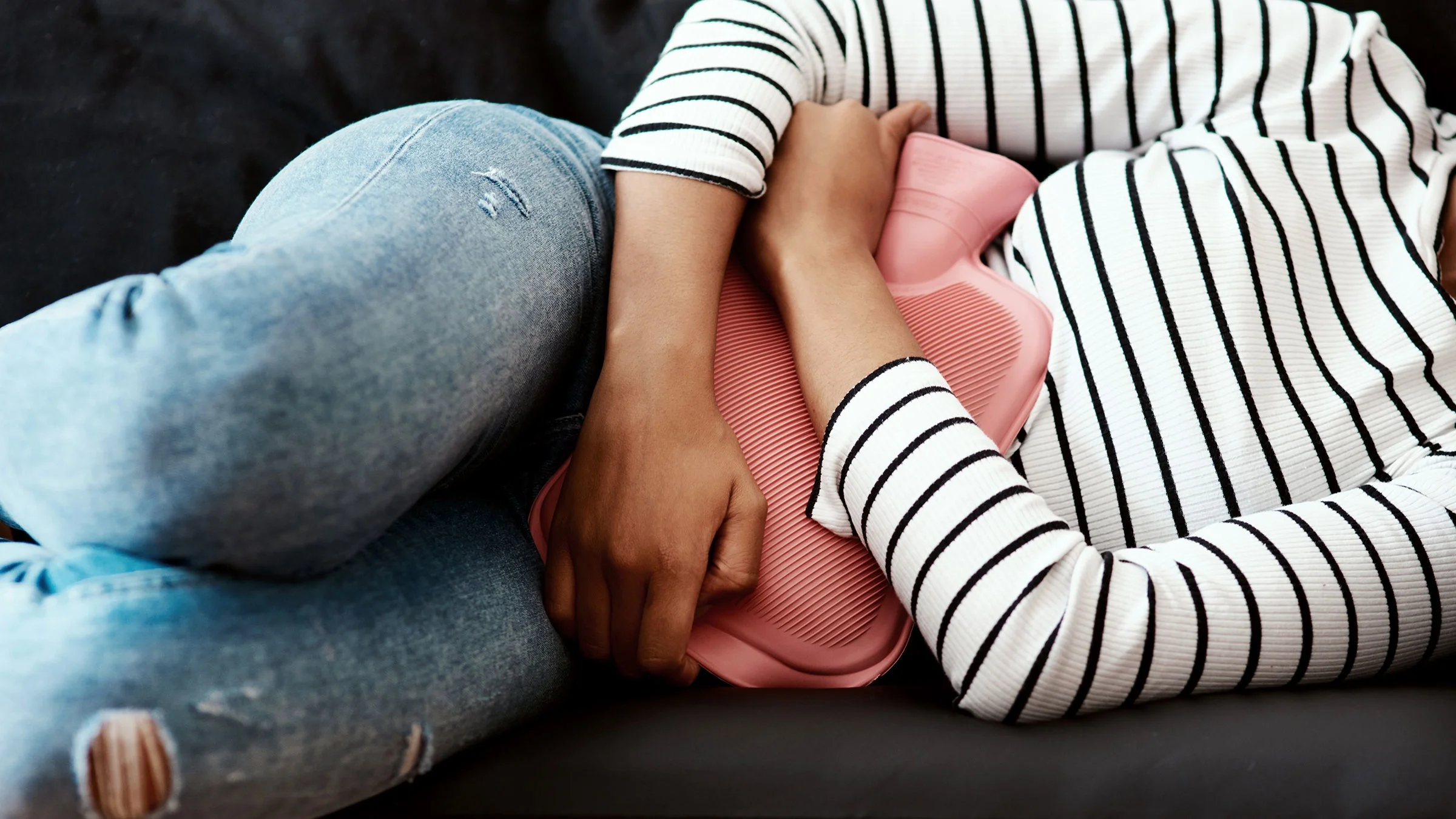
1. Hot compresses
Heat increases blood flow. So applying a heating pad to the lower belly can help relieve menstrual pain. The heat can help soothe period cramps and has many benefits, like:
Lowering muscle tension
Decreasing cramps
Improving blood flow
Decreasing swelling
2. Hydration
Staying well hydrated is essential when on your period. Being dehydrated can lower your blood volume. This can affect how well your muscles — including your uterus — are getting the oxygen and nutrients they need. And this can worsen your period cramps. Water is an easy and healthy way to hydrate, so drink up.
3. Herbal teas
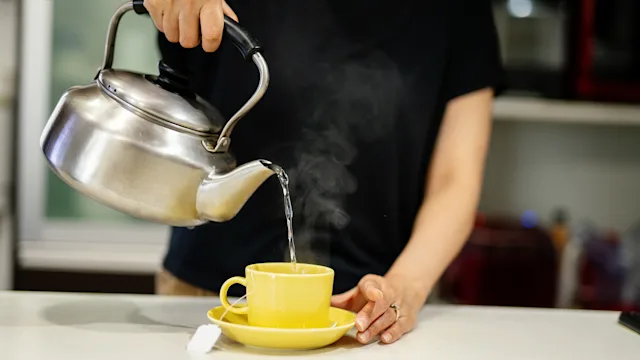
Herbal teas, like chamomile and ginger, have anti-inflammatory properties. So cozying up and sipping on warm tea can be an effective remedy to soothe menstrual pain. And it can be a helpful remedy for other PMS symptoms, like anxiety and irritability.
4. Anti-inflammatory foods
Eating omega-3-rich foods can calm down inflammation and make cramps less painful. During your period, try adding these foods to your diet:
Salmon
Walnuts
Flaxseeds
Chia seeds
Sardines
Soybeans
5. Vitamin supplements
Some vitamins and supplements may help to decrease period pain and reduce cramps. Studies have shown a significant improvement in period cramps with supplements like:
If you’re considering supplements as a treatment for your period cramps, make sure you check in with your healthcare provider. They can give you guidance on whether they are safe for you to try.
6. Gentle exercise
You may not feel up to strenuous exercises during your period. But doing gentle exercises, like yoga, can help lessen period pain. This can make blood flow better and reduce muscle tension. Other gentle exercise options include walking, swimming, or pilates.
7. Warm bath soaks
Soaking in a warm tub can provide fast relief for period cramps. But make sure the water is comfortably warm and not too hot. The warm water relaxes stomach muscles, improves blood flow, and provides mental relaxation.
If you don’t want a full body soak during your period, that’s OK. There’s limited evidence that warm foot soaks may provide relief as well.
What OTC medication can you take for period pain?
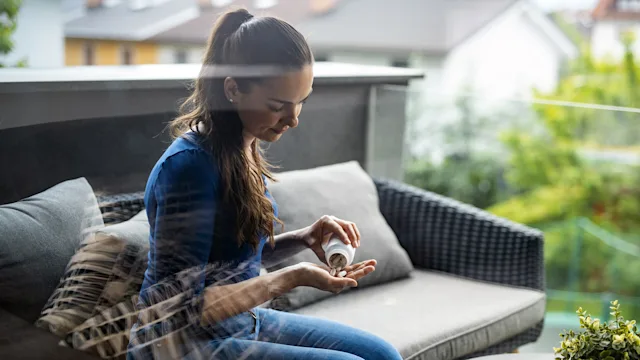
Over-the-counter (OTC) medication may help relieve period pain. Nonsteroidal anti-inflammatory drugs (NSAIDs) work by blocking your body from making prostaglandins.
Other pain relievers can also help to treat mild to moderate menstrual cramps. This can help reduce the frequency and intensity of period cramps.
OTC pain relievers you can try for menstrual cramps include:
Ibuprofen (Advil, Motrin)
Acetaminophen (Tylenol)
Make sure to follow the instructions on the bottle so you take the right amount. And talk with your healthcare provider if OTC medications aren’t working to manage your period pain.
What makes period cramps worse?
Lifestyle choices and habits can affect how severe your period cramps are. Understanding how your habits affect your cramps can help you make wise choices when you're on your period.
If you have period cramps, there are a few things to avoid:
Refined sugar and trans fats worsen inflammation. To minimize discomfort, limit commercially baked treats, fried food, and packaged snacks.
Caffeine can restrict blood flow to the uterus, making cramps more uncomfortable. Cut back on caffeine during your menstrual cycle to lessen pain.
Stress can worsen menstrual cramps. Practicing stress-reduction techniques such as meditation or deep breathing exercises can help.
Smoking narrows blood vessels. This can decrease blood flow to pelvic muscles, worsening cramps.
A lack of sleep can affect how you feel overall. If you don’t sleep well, it may worsen the perception of pain during menstruation.
When should you see a doctor about severe period cramps?
When cramps are so severe that it's hard to do your daily routine, contact your healthcare provider. Lasting and super intense pain may be more than a monthly inconvenience — it could be a sign of an underlying medical problem.
Conditions that cause severe period pain include:
Endometriosis
Uterine fibroids
Adenomyosis
Problems with the uterus, fallopian tubes, or ovaries
Don't dismiss severe period pain as merely a part of the menstrual routine. Make sure to get medical attention for a proper diagnosis and treatment.
The bottom line
Even though period cramps are normal, there are ways to lessen the pain. You can try lifestyle changes, home remedies, or over-the-counter medications if needed. If the pain doesn't go away or gets worse, it's important to talk to a healthcare provider for advice and treatment.

Why trust our experts?



References
Amzajerdi, A., et al. (2023). The effect of vitamin D on the severity of dysmenorrhea and menstrual blood loss: A randomized clinical trial. BioMed Central Women’s Health.
Baker, F. C., et al. (2018). Menstrual cycle effects on sleep. Sleep Medicine Clinics.
Echeverri, D., et al. (2010). Caffeine's vascular mechanisms of action. International Journal of Vascular Medicine.
Jo, J., et al. (2018). Heat therapy for primary dysmenorrhea: A systematic review and meta-analysis of its effects on pain relief and quality of life. Scientific Reports.
Khalesi, Z. B., et al. (2019). Efficacy of chamomile in the treatment of premenstrual syndrome: A systematic review. Journal of Pharmacopuncture.
Ma, X., et al. (2022). Excessive intake of sugar: An accomplice of inflammation. Frontiers in Immunology.
Naraoka, Y., et al. (2023). Severity of menstrual pain is associated with nutritional intake and lifestyle habits. Healthcare.
Pakniat, H., et al. (2019). Comparison of the effect of vitamin E, vitamin D and ginger on the severity of primary dysmenorrhea: A single-blind clinical trial. Obstetrics and Gynecology Science.
Qin, L., et al. (2020). Association between cigarette smoking and the risk of dysmenorrhea: A meta-analysis of observational studies. Public Library of Science One.
Rosenwaks, Z., et al. (1980). Menstrual pain: Its origin and pathogenesis. The Journal of Reproductive Medicine.
The American College of Obstetricians and Gynecologists. (2022). Dysmenorrhea: Painful periods.
Torkan, B., et al. (2021). The role of water intake in the severity of pain and menstrual distress among females suffering from primary dysmenorrhea: A semi-experimental study. BioMed Central Women’s Health.
Wu, S., et al. (2022). Warm-water footbath improves dysmenorrhoea and heart rate variability in college students: A randomised controlled trial. Journal of Obstetrics and Gynaecology.
Yaralizadeh, M., et al. (2021). Effectiveness of magnesium on menstrual symptoms among dysmenorrheal college students: A randomized controlled trial. International Journal of Women’s Health and Reproduction Series.